In this article
- Why an association is not simply a large residential job
- The board decides by vote, so your proposal has to survive a meeting
- Reserve funding sets the timing more than the weather does
- A specification written by committee needs pinning down
- Every owner thinks they are the client
- Phasing across several buildings
- Colour, when nobody agrees and everybody votes
- The consultant sitting between you and the board
- Warranty on buildings that change hands
- Where association work goes wrong
- Getting shortlisted before the tender exists
- Frequently asked questions
An HOA repaint looks like the best kind of work: a large predictable scope, several buildings, one point of contact and a client who has been saving up for it. Painters who win one and then never win another usually did the painting perfectly well. What caught them out was that the client is a committee of unpaid volunteers who live in the buildings, disagree with each other, and can only say yes at a meeting.
The relationship with a managing agent is covered in how to get property management painting contracts, and the recurring work that can follow in painting maintenance contracts. This is what changes when the decision belongs to a board.
Why an association is not simply a large residential job
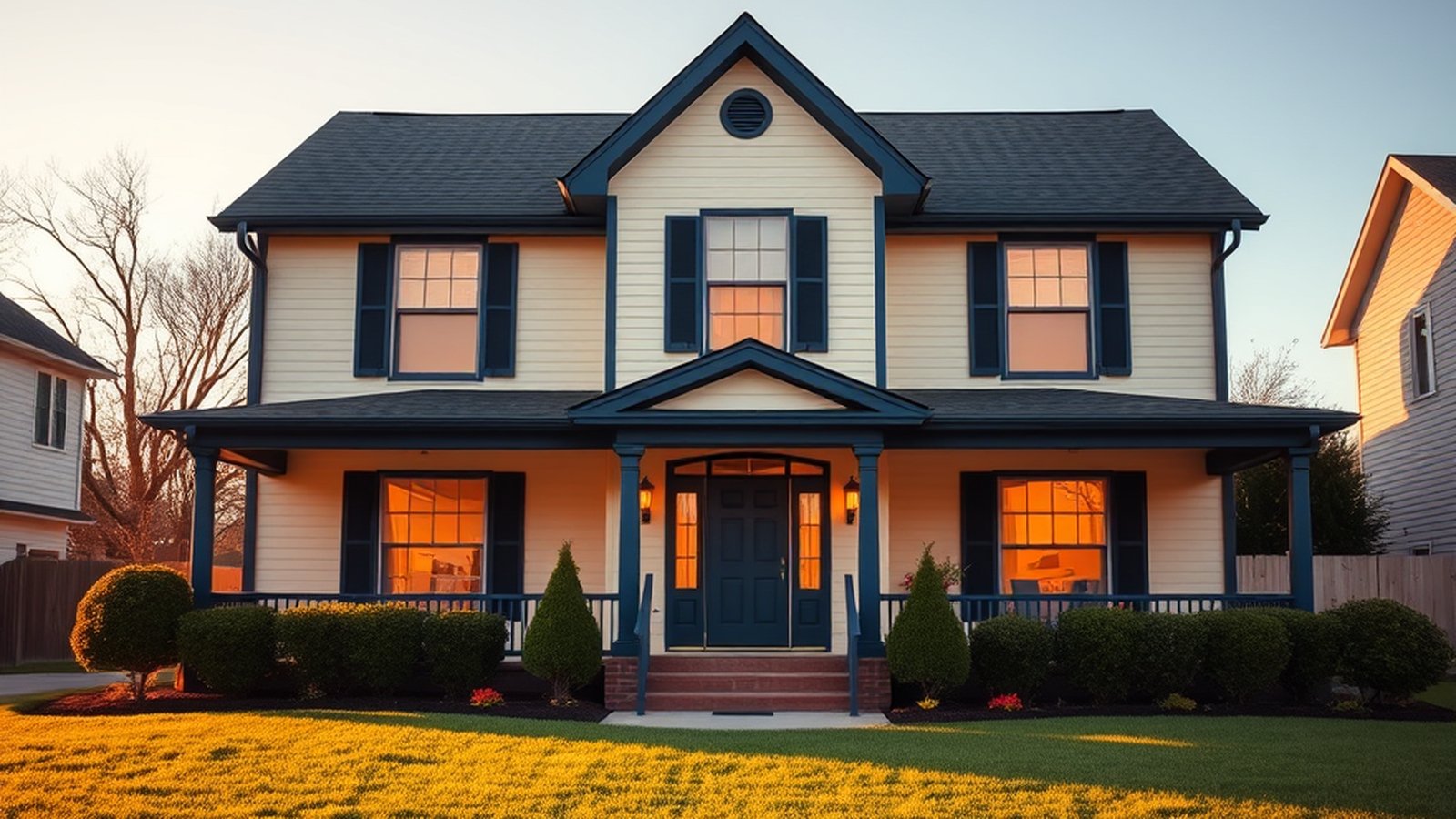
On a house, the person who chooses you, pays you and lives with the result is one person. In an association those are three different groups. The board chooses, the association pays out of a fund built from everyone contributions, and the people living with the result are the owners, who mostly had no say and will nonetheless tell you what they think while you are on a ladder.
That structure creates most of the friction, and almost none of it is about painting. It is about who is allowed to decide what, and how quickly.
It also changes what a good outcome looks like. On a house, a delighted customer is the goal. On an association, the realistic goal is a board that feels the process was well run and a set of owners with nothing much to say, because an association that is merely satisfied will still renew you, and one that felt disrupted will not, however good the elevations look.
The board decides by vote, so your proposal has to survive a meeting
You will present, or your proposal will be presented for you, to a group of people at a meeting that happens monthly at best. Anything unresolved at that meeting waits for the next one.
Two practical consequences. First, your quote has to be understandable by somebody who was not at the walkthrough and does not work in construction, because that person gets a vote. Second, every open question costs a month, so leave none open. If you need a decision on whether balcony railings are included, do not ask the question in the proposal, price both versions and let them choose in the room.
Expect a delay between verbal enthusiasm and a signature. Treasurers and secretaries have to minute the decision. Build that into your scheduling rather than holding a slot on the strength of a good meeting, which is the sort of optimism that produces the gap days described in how to schedule painting jobs.
Reserve funding sets the timing more than the weather does
Most associations pay for a repaint out of a reserve fund, and that fund is built against a schedule that says roughly when the buildings are due. This is genuinely useful information for you, because it means the work is planned years ahead rather than triggered by somebody noticing peeling paint.
Ask when the buildings were last coated and what the reserve study assumes about their cycle. If the fund is short, the board is not deciding between painters, it is deciding between painting now and painting next year, and a proposal that offers a phased approach across two funding years may win where a single large number cannot.
It also means the association is a repeat customer on a long timer. Losing money on the first one to get established is a worse trade than it looks, because the cycle is measured in years rather than months.
A specification written by committee needs pinning down
Associations frequently issue a scope written by a board member, a consultant, or a previous painter, and it will contain things that are ambiguous, contradictory or physically impossible. Answer it, do not simply agree to it.
Where the document is vague about a surface, write your own definition into your proposal rather than leaving it to be argued about later. Which side of a fence. Whether the underside of a balcony is included. Whether the metal railings are being coated or only touched in. The clause structure worth borrowing is in the scope of work structure, and exclusions matter more here than on any domestic job, because there are dozens of people who will each find a different thing you did not do.
Every owner thinks they are the client
On a house, one household is inconvenienced. On an association, a hundred are, and they did not individually agree to it. The volume of small complaints is the single most underestimated cost on this work.
The way through is communication that goes out before the crew arrives, not after somebody is annoyed. Agree with the board how owners will be told: a notice on each door, an email from the manager, a sign at the entrance. Say what will happen, on which days, to which buildings, and what owners need to do about balconies, plants and parked cars.
Give a named contact and mean it. Owners who have somebody to ask complain far less than owners who feel unheard, which is the same dynamic described in how to communicate with customers during a painting job, multiplied by the number of front doors.
Phasing across several buildings
Multi building work is a sequencing problem more than a painting problem. Decide the order with the board rather than for them, because they will have views about which building has waited longest, and being overruled halfway through is worse than asking first.
Work in complete buildings. Finishing one entirely before opening the next gives everyone something visible to point at, which matters enormously to a board that has to justify the spend to owners. Half finished work across four buildings looks like chaos even when it is efficient.
Keep parking and access agreed in writing per phase. In an association, the parking spaces belong to individuals, and taking one without arrangement is a genuine dispute rather than an inconvenience.
Colour, when nobody agrees and everybody votes
Colour selection on association work can consume months. The board wants consensus, owners have opinions, and somebody always raises the resale value of the scheme.
Do not get drawn into being the arbiter. Your job is to make the options concrete and the decision recordable. Put sample areas on an actual building rather than showing chips, because a colour on a card and the same colour across a three storey elevation in afternoon sun are not the same experience. Then get the final choice signed, by surface, before anything is ordered. That record is the whole reason the colour approval form exists, and it is worth more here than anywhere else, because the person who chose may not be on the board by the time you finish.
The consultant sitting between you and the board
Larger associations frequently engage a consultant, an architect or a reserve specialist to write the specification and manage the tender. When one is involved, the dynamic changes completely and it is worth recognising early.
The consultant is not your obstacle. They are usually the only person in the process who understands coatings, which means a technically sound answer lands where it would be wasted on the board. Answer their document precisely, flag genuine errors in it politely and in writing, and do not go around them to a friendly board member. That is the fastest way to be marked down.
Expect them to inspect during the work rather than only at the end, and expect hold points. Treat those as scheduled events rather than interruptions, and have the elevation genuinely ready when they arrive, because a failed inspection on association work is minuted.
Warranty on buildings that change hands
Owners sell, boards turn over, and managing agents get replaced. The person holding your warranty in three years is almost certainly not the person you handed it to, which makes the document matter more than the conversation.
Issue it to the association rather than to an individual, name the buildings and elevations specifically rather than referring to the property generally, and be explicit about what is excluded. Exterior association work sits in weather, and failures caused by a roof, a gutter or a failed sealant are not coating failures. The structure to use is in the painting warranty structure.
Where association work goes wrong
Three ways, in order of how often they happen.
Underpricing the coordination. The painting hours look like a large domestic exterior and the administration is nothing like one. Meetings, notices, owner conversations, phased mobilisation and access arrangements are real hours and they are frequently not in the number. That is the specific trap in painting profit by job type: a category that looks efficient on a spreadsheet because nobody counted the non painting time.
Scope creep by individual owner. Somebody asks the crew to do their gate while you are there. It is small, the painter is decent, and it happens. Then forty people know it happened. Every extra goes through the board in writing, and a change order is the mechanism, however trivial the item.
Payment terms that assume a homeowner. Associations pay on their own cycle, after approval, sometimes after a further meeting. Agree stage payments tied to completed buildings rather than a balance at the end, and get the terms into the agreement rather than onto the invoice, which is the point made throughout painting payment terms.
Getting shortlisted before the tender exists
By the time an association is asking for prices, the field is usually already shaped. Somebody on the board has a painter they know, the manager has two they use, and a consultant has a list. Arriving as the fourth quote at that point is a weak position.
The work that actually wins association contracts happens a year earlier: doing a small repair job for the manager, being the contractor who turned up for a leak related touch up, or being introduced by a board member who used you on their own house. Associations are risk averse and they buy familiarity.
So treat small association work as marketing rather than as low value jobs. A gate, a lobby, a set of railings, done properly and invoiced fairly, puts you in the room when the reserve fund matures. The broader version of that patience is in how to find painting clients.
Frequently asked questions
Who actually signs an HOA painting contract?
Usually the board president or the managing agent acting on a recorded board resolution. Ask to see the resolution rather than relying on one enthusiastic member, because a signature without a vote behind it can be disputed later.
Should I go through the managing agent or the board?
Both, and never around either. The agent runs the process and the board decides, so treating the agent as a gatekeeper to be bypassed is the fastest way to lose the work permanently.
How far ahead is this work planned?
Frequently a year or more, because it is funded from reserves against a cycle. That means the time to be in front of an association is well before they are ready to paint.
Do I need to be bonded for association work?
Sometimes, and it varies by association and by the size of the contract. Ask early rather than at award, since arranging it is a lead time item rather than an administrative one.
How do I handle an owner who blocks access?
Escalate to the manager or the board rather than negotiating directly. Access to common areas is an association matter, and a painter who starts adjudicating between an owner and the board is in the wrong argument.
Is a maintenance agreement worth proposing afterwards?
Usually yes, because associations value predictable spending and the touch up work is real. Propose it while the finished buildings are in front of them rather than months later.