In this article
About the cost figures on this page
Any cost ranges shown here are illustrative estimates, not a quote. What you actually pay varies widely with your location and local labour rates, the size and condition of the surfaces, access and setup, the products specified, how much prep the job needs, and the time of year. Use these numbers to sanity check a quote you have been given and to understand what drives the total, then get written quotes from local contractors before you budget. You can also build an estimate around your own project with the free calculator.
Quick answer: Staining a wood house exterior typically runs roughly $2 to $6 per square foot of wall area for a pro job, so a mid-size home often lands somewhere around $3,000 to $9,000. Size, number of stories, wood condition, and whether you pick semi-transparent or solid stain move the number most. Verify locally.
If your home wears wood siding, cedar shakes, shingles, or board and batten, staining is one of the best ways to protect it and show off the grain at the same time. But the price surprises a lot of homeowners, because staining a whole house is priced very differently from painting it and the drivers are not obvious from the curb. This guide breaks down what a homeowner actually pays, what makes one quote double another, and how to sanity-check any number you are given. Every figure here is a typical range that shifts with your region, your wood, and your prep, so treat them as planning ballparks and always get three quotes.
How house staining is priced, and why it is not the same as painting
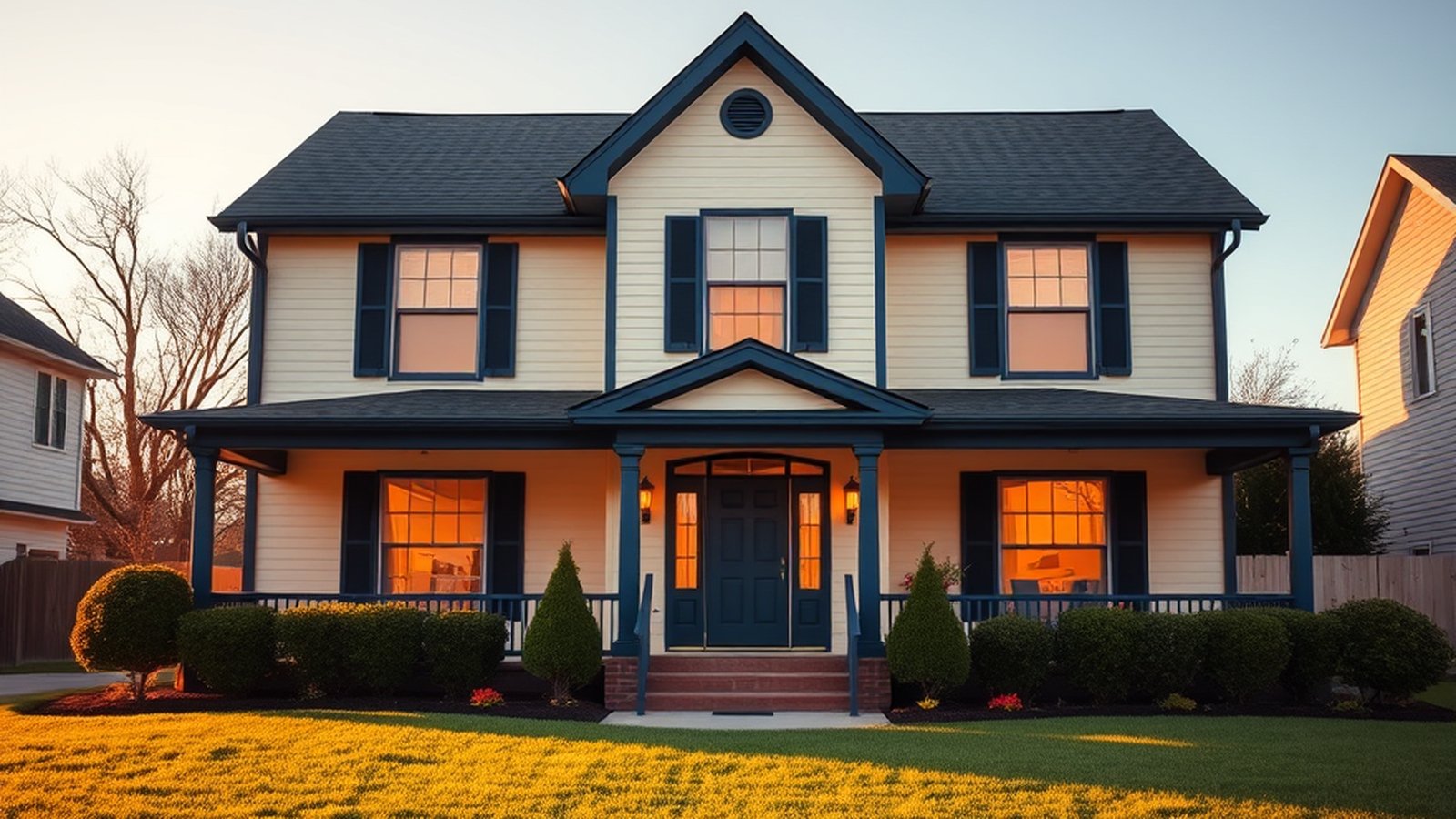
Exterior staining is almost always priced by the square footage of wall area, not the floor plan of the house. A crew measures the height and length of the stained walls, subtracts big openings like windows and doors, and multiplies out. That wall area is what drives both material and labor, which is why a tall two-story with a small footprint can cost more to stain than a sprawling ranch with the same interior square footage. Staining also behaves differently from painting because stain soaks into the wood rather than forming a thick film on top, so coverage per gallon, coat count, and prep all follow their own rules. If you are weighing the two finishes against each other, our breakdown of the cost to paint a house exterior is the right companion, because the labor and access are similar but the products and coverage differ.
One important distinction up front. This post is about what a homeowner pays. If you are a painter or staining contractor trying to figure out what to bill a client, the numbers you need include overhead and profit margin, and those live in our twin guide on how much to charge to stain a house. The homeowner cost and the contractor charge are related but not the same, and mixing them up is how people end up with unrealistic expectations in either direction.
What drives the price the most
Five factors explain almost every difference between one house staining quote and the next, so it pays to understand each before you read a bid.
Size, meaning wall square footage. This is the single biggest lever. More wall area means more product and more hours, close to linearly. A small cottage and a large two-story can differ by a factor of three or four on wall area alone.
Number of stories and access. A single-story home can be stained mostly from the ground or short ladders. Add a second or third story, steep grade, or hard-to-reach gables and the crew needs taller ladders, scaffolding, or lifts, which slows the work and raises the labor line. Height also raises the fall risk, which is a real safety cost, not just a convenience one.
Condition of the wood and the old finish. Bare or lightly weathered wood that just needs a wash stains cheaply. Wood with a failing old stain, especially an old solid or film-forming coat that is peeling, needs stripping or heavy sanding before anything new goes on, and that prep is often the biggest labor cost on the whole job. Gray, cracked, or mildewed wood adds cleaning and brightening steps too.
Opacity of the stain. This one is easy to overlook. A semi-transparent stain that shows the grain generally costs less per square foot than a solid-color stain, because solids often need more careful application and sometimes an extra coat for even color. Clear or toner finishes are cheaper still on product but wear faster. Choosing your opacity is really choosing your price band, and our guide on the types of wood stain explained walks through what each level looks like and lasts.
Oil base versus water base. Oil-based stains and water-based stains differ in product cost, dry time, smell, and cleanup, and a crew may charge slightly differently for each. Neither is universally cheaper, but the choice affects the material line and the schedule. See water-based versus oil-based stain for how to pick.
Typical cost ranges by house size and opacity
The table below gives rough planning ranges for a professionally stained wood exterior. These assume reasonably sound wood needing standard cleaning, not a full strip. Heavy prep, three-story access, or premium products push you toward or past the high end. Treat these as starting points to verify with local quotes, never as fixed prices.
| House size (wall area) | Semi-transparent stain | Solid stain | Notes |
|---|---|---|---|
| Small, single story (roughly 1,000 to 1,500 sq ft wall) | Roughly $2,000 to $4,500 | Roughly $2,800 to $5,500 | Most DIY-friendly size. |
| Medium, one to two story (roughly 1,500 to 2,500 sq ft wall) | Roughly $3,500 to $7,000 | Roughly $4,500 to $9,000 | Access starts to matter. |
| Large, two story (roughly 2,500 to 3,500 sq ft wall) | Roughly $6,000 to $11,000 | Roughly $7,500 to $14,000 | Ladders or lifts common. |
| Heavy prep add-on (stripping a failing finish) | Add roughly $1 to $3 per sq ft | Add roughly $1 to $3 per sq ft | Often the biggest wildcard. |
To pin down your own number rather than guessing from a table, run your wall dimensions through the painting and staining cost calculator, which accounts for area and coats so you buy or budget the right amount once.
Labor versus materials: where the money goes
On a typical professional house-staining job, labor is the larger share, often somewhere around 60 to 75 percent of the total, with materials making up the rest. That proportion is a general pattern, not a guarantee, and it swings with condition. On a house that needs a lot of stripping, sanding, and cleaning, labor climbs even higher because prep is pure hours. On sound wood that just needs a wash and two coats, materials become a bigger slice. Understanding this split helps you read a quote: a bid that looks high may simply reflect heavy prep the crew can see and you cannot, which is exactly why walking the house with the estimator is worth your time.
Stain itself is not cheap. A quality exterior wood stain can cost a fair amount per gallon, and a whole house drinks several gallons, more if the wood is thirsty bare cedar or if you chose a solid color that wants two coats. Buying enough up front avoids the lap marks that come from stopping mid-wall to run to the store.
It also helps to understand how staining differs from painting on the materials side. Paint sits on top of the wood as a film, so a gallon covers a fairly predictable area. Stain penetrates, so a rough, thirsty, or previously unfinished surface can soak up far more product than a smooth, sealed one, and that variability is real. Cedar shakes and rough-sawn board and batten in particular drink stain, and a homeowner who budgets for smooth-siding coverage often comes up short. When you gather quotes, ask each estimator how many gallons they have budgeted and how many coats, because a suspiciously low bid sometimes hides a plan to stretch too little product too thin, which shows as uneven color within a year.
How prep changes the price
Prep is the part homeowners underestimate the most, and it is the part that most affects both cost and how long the finish lasts. At minimum, exterior wood needs washing to remove dirt, mildew, and loose material so the stain can penetrate. Weathered gray wood often needs a brightener to restore a stainable surface. A previous solid or film-forming finish that is peeling has to be stripped or sanded back, which is slow, and if the home predates 1978 that old coating may contain lead, which requires lead-safe practices and adds cost. Skipping prep to save money almost always backfires, because stain applied over a dirty or failing surface peels or blotches within a season or two and you pay again. If part of your project involves horizontal surfaces like a deck or porch, the prep discipline there is even more demanding, and our walkthrough on specialty log and heavy-wood staining costs shows how far prep can drive a number on the most demanding surfaces.
DIY versus hiring a pro
Staining a single-story house is a realistic DIY project for a fit, patient homeowner, and doing it yourself can cut the cost to mostly materials plus your weekends. You would spend on stain, a pump sprayer or brushes and stain pads, cleaner or brightener, drop cloths, and ladder time. The savings are real, but so are the trade-offs: it is physical, weather-dependent work, and even coverage on lap siding or shakes takes practice to avoid streaks and overlap marks. Multi-story homes change the calculation sharply, because working from tall ladders or staging carries genuine fall risk, and that is where most DIYers should hand off to insured pros. One safety note that applies to everyone: oil-based stain rags can spontaneously combust as they dry, so lay them flat outdoors to dry fully or submerge them in water before disposal, and never wad them in a trash can. Dispose of solvents and stain per your local rules, never down a drain.
If you are deciding between DIY and a quote, price your materials first, then compare against two or three local bids for the same scope and opacity. The calculator gives you a fast materials ballpark, and any dollar figure in this guide is a typical range to confirm locally rather than a fixed quote.
Weather is the other DIY variable people forget. Stain needs a stretch of dry, moderate days to penetrate and cure, applied out of direct blazing sun so it does not flash-dry before it soaks in, and with no rain in the forecast for a day or two after. A pro crew can often work around a tight weather window because they move fast and finish a wall in a day. A homeowner spreading the job over several weekends is more exposed to a surprise shower ruining a fresh coat. Factor your local climate and your own schedule into the decision, because a job that stalls half-finished when the weather turns can look worse than not having started, and the exposed bare wood keeps weathering while you wait.
Frequently asked questions
How much does it cost to stain a whole house exterior?
For a professional job on wood siding, shakes, or board and batten, plan on roughly $2 to $6 per square foot of wall area, which puts many mid-size homes around $3,000 to $9,000. Size, stories, wood condition, and opacity swing it widely, so get three local quotes and verify with the calculator.
Is staining a house cheaper than painting it?
Not always. On bare or lightly weathered wood a semi-transparent stain can cost less than a full paint job because prep and coats are simpler. But solid stains and heavy prep can match or exceed painting. Compare our house painting cost guide against this one for your specific wood and condition.
Why is semi-transparent stain cheaper than solid stain?
Semi-transparent stain shows the grain and is more forgiving to apply, often in a single pass, so it uses less product and labor. Solid stain covers like paint, needs more careful even application, and frequently wants a second coat, which raises both material and labor cost per square foot.
What makes a house staining quote go up the most?
Prep and access. Stripping a failing old finish or reviving gray weathered wood adds hours, and that prep is often the biggest labor line. Second and third stories that need ladders, scaffolding, or lifts also raise cost and carry real fall risk, which pros price accordingly.
How often will I need to re-stain the house?
It depends on opacity and exposure. Clear and toner finishes wear fastest, semi-transparent lasts a few years, and solid stains last longest before recoating. Sun-facing and weather-beaten walls need attention sooner than sheltered ones. Budget for periodic recoats rather than treating staining as one and done.
Can I stain over an old solid stain or paint?
Only with a solid stain, and only if the old finish is sound. You cannot put a semi-transparent stain over paint or a solid coat because it needs to penetrate bare wood. A peeling old finish must be stripped or sanded back first, which is the prep step that drives many quotes higher.
Planning the maintenance cycle rather than a one off job? See how often to stain a house for inspecting elevation by elevation and timing the work.