
In this article
- House painting estimate cost (interior + exterior 2026)
- By home size
- Interior vs. exterior estimates
- Anatomy of a real house painting estimate
- How to get a house painting estimate
- How to read the estimate (homeowner checklist)
- When the lowest quote is the most expensive
- DIY vs. hiring a painter
- FAQ
- What’s a good price for painting a 2,000 sqft house?
- Are house painting estimates free?
- How long does an estimate take?
- How long is the estimate valid?
- Should I provide my own paint?
- How much deposit is normal?
- What if the painter wants to start before the estimate is signed?
- Sources & references
- Quick reference: the 5-minute summary
- The bottom line
TL;DR: A house painting estimate in 2026 runs $3-$6 per square foot for interior, $2.20-$4.37 per square foot for exterior. A 2,000 sqft home repaint typically lands $6,000-$12,000 interior or $4,400-$8,750 exterior. Real numbers depend on prep work, paint quality, ceiling height, and stories. This guide breaks down what every line on the estimate should look like, how the price is built, and how to spot a quote that’s about to cost you more than the cheap one.
About the cost figures on this page
Any cost ranges shown here are illustrative estimates, not a quote. What you actually pay varies widely with your location and local labour rates, the size and condition of the surfaces, access and setup, the products specified, how much prep the job needs, and the time of year. Use these numbers to sanity check a quote you have been given and to understand what drives the total, then get written quotes from local contractors before you budget. You can also build an estimate around your own project with the free calculator.
House painting estimate cost (interior + exterior 2026)
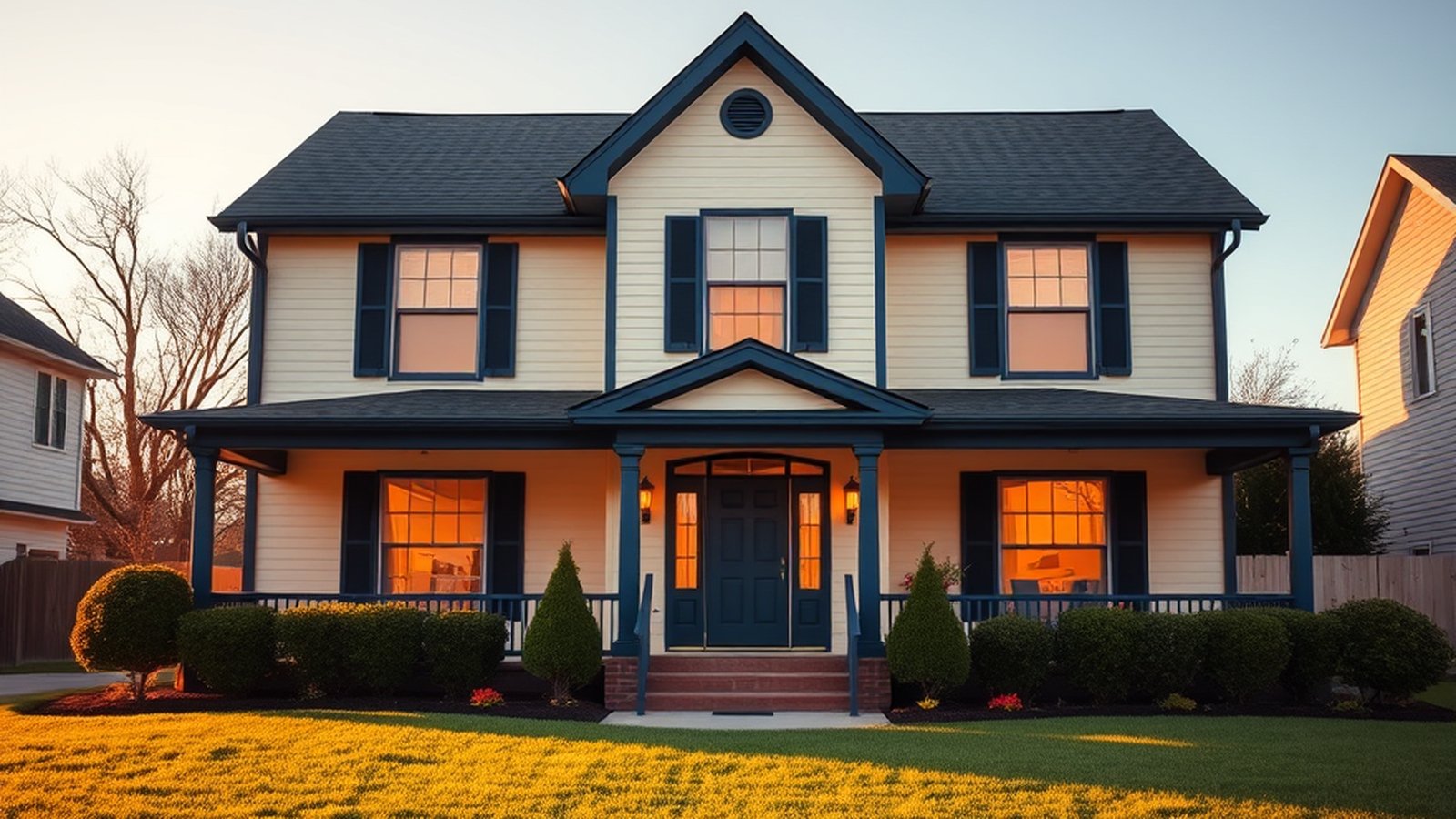
2026 averages from licensed painters across the major cost-tracking sites:
| Job | Cost per sqft | 2,000 sqft home (typical) |
|---|---|---|
| Interior – walls only | $1.90 – $3.60 | $3,800 – $7,200 |
| Interior – walls, ceilings, trim, doors | $4.50 – $7.50 | $9,000 – $15,000 |
| Exterior – body only | $1.50 – $3.00 | $2,800 – $6,000 |
| Exterior – body, trim, doors, eaves | $2.20 – $4.37 | $4,400 – $8,750 |
| Whole-house repaint (in + out) | $5.50 – $9.50 | $11,000 – $19,000 |
The single biggest variable is prep. Per PDCA production standards, prep can run anywhere from 10% to 40% of total job hours depending on the home’s age and condition. A 1980s tract home with intact paint takes 2-3 days of prep on a 2,000 sqft exterior. A 1920s craftsman with peeling lead paint can take a week.
“A house painting estimate isn’t a guess – it’s the painter telling you what they saw at your house. If three painters saw three different things, get them back out and ask them to walk you through it. The good painters won’t mind.”
By home size
| Home size | Interior (full) | Exterior (full) | Combined |
|---|---|---|---|
| 1,000 sqft (small / townhouse) | $4,500 – $7,500 | $2,200 – $4,400 | $6,700 – $11,900 |
| 1,500 sqft (3BR house) | $6,750 – $11,250 | $3,300 – $6,500 | $10,050 – $17,750 |
| 2,000 sqft (typical home) | $9,000 – $15,000 | $4,400 – $8,750 | $13,400 – $23,750 |
| 2,500 sqft | $11,250 – $18,750 | $5,500 – $10,950 | $16,750 – $29,700 |
| 3,500 sqft (larger home) | $15,750 – $26,250 | $7,700 – $15,300 | $23,450 – $41,550 |
For deeper drill-downs see cost to paint a house and interior painting cost: room-by-room pricing.
Interior vs. exterior estimates
Interior and exterior estimates are genuinely different jobs – different prep, different paint, different labor productivity, different risk. Per Benjamin Moore’s contractor guide, interior takes 2-3× more hours than the equivalent exterior square footage because of cut-in lines, trim work, and furniture moves. Exterior is faster on the body but harder on prep (scraping, caulking, scaffold).
| Factor | Interior | Exterior |
|---|---|---|
| Labor hours (per sqft) | Higher | Lower body, higher prep |
| Paint cost | Lower (latex) | Higher (acrylic, primer-needed surfaces) |
| Weather | Year-round | 50-90°F window only |
| Equipment | Drop cloths, tape, ladders | Pressure washer, scaffold, sprayer |
| Ladder/safety risk | Low | High (insurance reflects this) |
| Cleanup | Furniture, dust | Plant beds, paint chip cleanup |
For exterior-specific guidance see how to estimate exterior painting.
Anatomy of a real house painting estimate
A real estimate from a professional painter includes these sections – none of them optional:
- Scope of work – what’s being painted (every surface, every room, every side of the house) and what’s not
- Coats – how many on each surface, with primer called out
- Paint – exact brand, line and finish (e.g., “SW Duration, Satin”)
- Prep – patch, sand, caulk, mask, pressure-wash, scrape (line-itemed)
- Labor – hours × rate, often shown as a sub-total
- Materials – paint, primer, caulk, tape, plastic, drop cloths
- Overhead and profit – usually 15-25% on cost
- Timeline – start date and projected completion
- Payment terms – deposit, progress payments, final on completion
- Warranty – workmanship warranty (1-7 years is normal)
- Insurance and license – proof of liability and workers’ comp
- Change-order policy – what happens if scope changes mid-job
The pillar guide on how to write a painting estimate walks through each section in detail.
How to get a house painting estimate
- Decide what you want painted. Whole house, just interior, just exterior, just one room. Painters can’t quote what isn’t defined.
- Find 2-3 licensed painters with reviews. Google Maps, Angi, Yelp, neighborhood recommendations. Verify state license + liability insurance + workers’ comp before they walk the house.
- Schedule a walkthrough. 30-60 minutes on-site. Be there, point out concerns, ask questions. Email-only quotes for whole-house jobs are guesses.
- Ask the same questions of every painter. Coats? Brand? Prep included? Warranty? Timeline? Same scope = comparable estimates.
- Get the estimate in writing. Verbal numbers don’t count. Written PDF or email with all the line items above.
- Compare like for like. Cheapest with the same exact scope is genuinely cheapest. Cheap with hidden exclusions is just a future invoice.
Most painters provide free estimates – see free painting estimate for what to expect.
“Three estimates is the right number. Five wastes everyone’s time and the painters know they’re being shopped – they show up tired or skip you entirely.”
How to read the estimate (homeowner checklist)
- Are rooms / sides of the house listed individually, or is it a single line?
- Is the paint brand and product line named (e.g., “SW Duration, Satin”)?
- How many coats? Are spot-priming and full-priming both addressed?
- Is prep itemized (patch, sand, caulk, pressure-wash, scrape)?
- Are ceilings, trim, doors and closets explicitly included or excluded?
- Is a warranty length stated (1, 3, 5, 7 years)?
- Deposit % and payment schedule?
- What’s the change-order policy?
- License and insurance proof attached or available on request?
- Estimate validity period (most are 30-60 days)?
When the lowest quote is the most expensive
If three painters walk your house and one is 30% below the others on the same scope, that’s not a deal. Common things cheap quotes hide:
- One coat instead of two (looks fine on day one, patchy in 6 months)
- Cheap paint instead of mid-grade (lifespan cuts in half)
- No prep beyond a quick wipe-down
- Closets, pantries, eaves, soffits quietly excluded
- No caulking – gaps stay visible
- No warranty
The fix: get the line items, compare scopes side by side, and pick the painter whose estimate looks the most thorough – often that’s the middle bid.
DIY vs. hiring a painter
DIY materials for a full 2,000 sqft interior repaint run $600-$1,000. Hiring runs $9,000-$15,000. The math sounds easy until you count hours: a careful homeowner needs 80-150 hours over 4-6 weekends. A pro crew finishes in 5-7 working days. Whether the savings are worth it depends entirely on what your time is worth.
For exterior work the DIY decision is harder – ladder safety, weather windows, and pressure-washing equipment make it a real undertaking. Most people hire exterior even when they DIY interior.
FAQ
What’s a good price for painting a 2,000 sqft house?
Interior repaint $9,000-$15,000. Exterior repaint $4,400-$8,750. Both done at once $13,400-$23,750. Higher in San Francisco, NYC, Boston. Lower in Texas, the Southeast, and the rural Midwest.
Are house painting estimates free?
Yes – about 95% of residential painters provide free estimates because that’s the industry norm. A few specialty restoration painters charge $50-$150 applied as credit if booked.
How long does an estimate take?
30-60 minutes on-site for the walkthrough, plus 24-48 hours to receive the written estimate by email.
How long is the estimate valid?
Most painters honor estimates for 30-60 days. Past that, paint costs and crew availability shift.
Should I provide my own paint?
Painters generally prefer to supply paint – they get contractor pricing and warranty coverage tied to specific brands. If you insist, expect the labor portion to go up 5-10% and the warranty to be limited to workmanship only.
How much deposit is normal?
10-33% upfront. Anything over 50% before any work starts is a red flag. Standard structure is deposit, progress payment when paint is purchased, balance on completion.
What if the painter wants to start before the estimate is signed?
Don’t let them. The signed estimate is the contract. Verbal change-orders without writing are how disputes start.
Sources & references
Pricing ranges, labor benchmarks and coverage claims on this page are informed by the following sources.
- U.S. Bureau of Labor Statistics – Painters, Construction and Maintenance (OES 47-2141)
- Painting Contractors Association: Industry Standards and Production Rates
- Sherwin-Williams Pro – Product Data Sheets & Coverage Specs
- Benjamin Moore for Contractors – Technical Data & Coverage
- EPA Renovation, Repair and Painting (RRP) Rule – Pre-1978 Homes
A template is a starting point. This does the work.
PaintPricing produces an itemised, branded estimate you can send from your phone, without rebuilding the spreadsheet for every job. Free for your first 3 quotes, no card required.
Quick reference: the 5-minute summary
If you only have five minutes to read this, here are the takeaways that matter most for your decision.
- The 12-line-item rule: A complete painting estimate names rooms (not just “interior of house”), specifies the exact paint product (brand, line, sheen, color code), itemizes surface prep separately, and lists deposit terms in writing. Estimates missing any of these line items are openings for upcharges later.
- Compare on prep, not just price: Two estimates within 10-15% of each other on price almost always differ by 30-50% on prep scope. The cheaper bid is usually skipping caulking, patching, or spot-priming – not because the painter is faster.
- Verify license before signing: Look up the painter’s license number on your state contractor board website. Takes 2 minutes; protects you from unlicensed work that has no recourse path if anything goes wrong.
- Deposit caps vary by state: California caps at 10% or $1,000 (whichever is less). Maryland and Massachusetts cap at 33%. Anywhere a painter asks for 50%+ upfront is a red flag – possibly illegal in your state and a credibility issue everywhere.
- The 4-minute alternative: Build your own version of the estimate or sanity-check the bids you’ve received with PaintPricing’s free calculator. Same math as the templates above, no signup, no math by hand.
The bottom line
Painting decisions have a way of looking simple right up until they aren’t. The cost ranges, prep checklists, paint-product specifications, and timeline benchmarks above are the kind of details that look like overkill while you’re reading them and obvious in hindsight when something goes wrong.
Two practical principles to leave with:
- Specificity beats price. A bid that names the paint product (brand, line, sheen, color code) and itemizes prep is almost always a better deal than a vague bid that’s $1,000 less. The specific painter knows what they’re doing; the vague painter is leaving room to upcharge.
- Get a second opinion on the math. Whether you’re a painter pricing a job or a homeowner reviewing three bids, PaintPricing’s free calculator gives you a tailored estimate in under 5 minutes. The number it produces won’t match any specific bid exactly – but it will tell you which bids are in the right zip code and which aren’t. That second opinion is the cheapest insurance you’ll buy on the whole project.
In a major metro? See local painting estimate guides for Denver, Atlanta, Phoenix, Houston, Los Angeles.
Estimating by home size? See the cost to paint a 1500 or 2500 square foot house, and a two story house exterior.
Focusing only on the inside? See how to put together an interior painting estimate.