In this article
- Working time versus calendar time: the idea that explains everything
- Bedroom count as a rough size proxy
- Room by room time breakdown
- Phase breakdown for a 2 bedroom interior
- A sample day by day timeline
- What changes the timeline
- DIY versus a professional crew
- A note on older 2 bedroom homes
- Frequently asked questions
- How many days does it take to paint the interior of a 2 bedroom house?
- Why does it take days when the actual painting is only a few hours?
- Does a bigger crew paint a 2 bedroom house faster?
- Is it faster to paint an empty 2 bedroom house?
- How long does one bedroom take to paint on its own?
- Should I get the timeline in writing from a painter?
Quick answer: Repainting the full interior of a typical 2 bedroom house usually takes somewhere in the range of 2 to 5 calendar days. A two person crew moving through walls, ceilings, trim, and doors on a compact home often wraps in 2 to 3 days, while a single painter, a lived in home full of furniture, heavy patching, or big color changes can stretch it toward 4 or 5. This is a range, not a promise. Where your job lands depends on crew size, how much prep the walls need, whether the home is occupied, ceiling height, and how many coats each color demands.
A 2 bedroom house is one of the smaller whole home footprints, which is why the timeline is on the short end compared to larger homes. But short does not mean instant, and the reason surprises most people the first time they hear it. The single most useful idea for planning any interior repaint is the gap between the hours a painter actually spends with a brush in hand and the number of days you lose access to the rooms. That gap is the backbone of everything below. To turn your specific home into a real schedule, run it through the painting cost and time calculator or request a free painting estimate, and for the full interior timing picture across every home size, start at our how long to paint a house interior hub.
Working time versus calendar time: the idea that explains everything
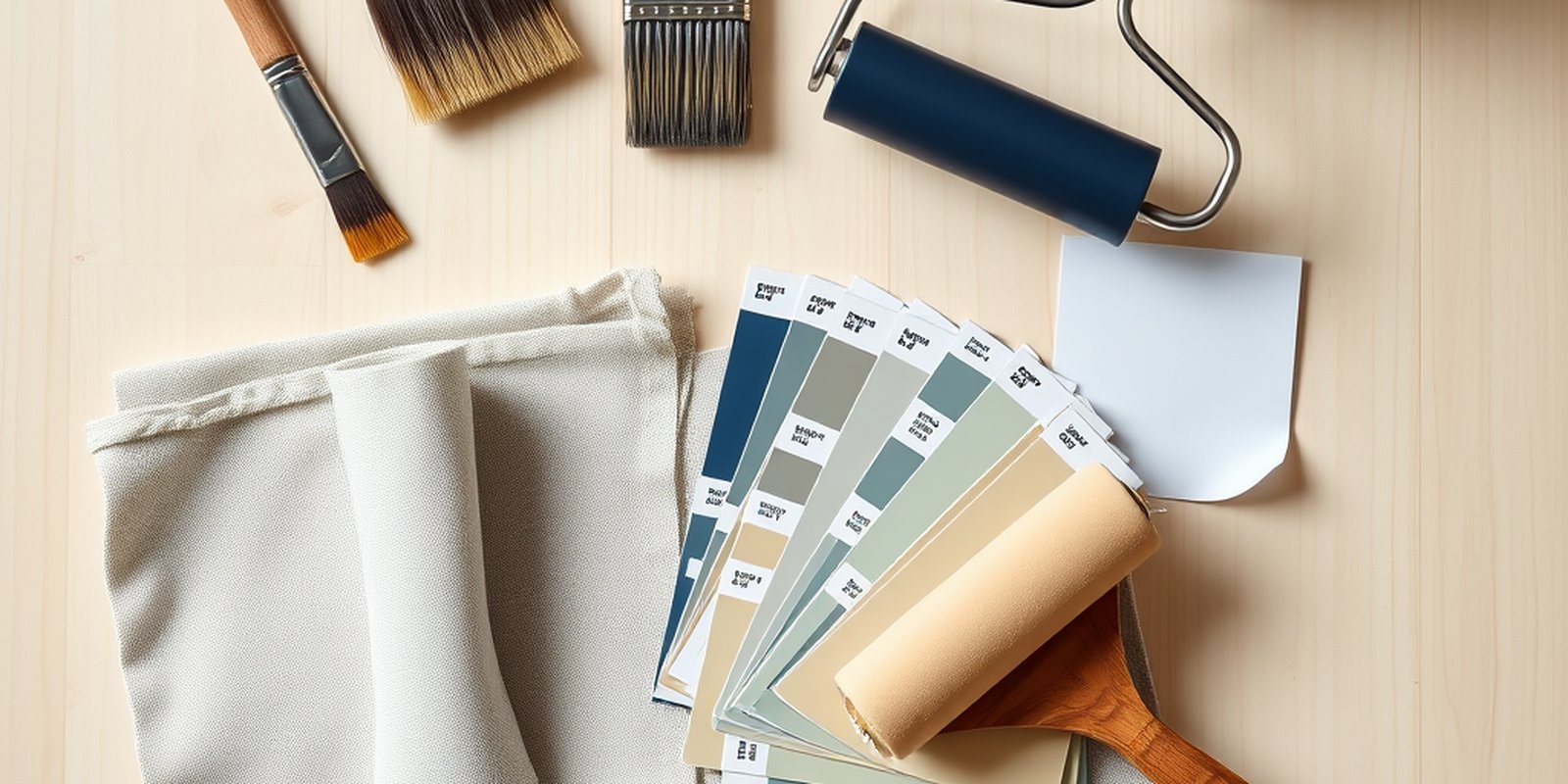
Here is the teaching point that reshapes how you read any painting schedule. There are two clocks running on every job, and they tell very different times.
The first is working time, the actual hands on hours a painter spends prepping, cutting in, rolling, and brushing. On a 2 bedroom interior this is often a surprisingly small tally, frequently in the range of one to two solid work days of pure labor for a single painter, less if two people split the rooms.
The second is calendar time, the elapsed days you lose the use of those rooms. This is almost always longer than the working time, and the reason is dry time. Latex wall paint needs a few hours to dry to the touch and longer before a second coat can go on cleanly. Trim and doors, especially with enamel, cure even slower. A crew cannot cut in, roll a first coat, and immediately return for the second, so a room that took only a few hours of hands on work can occupy the calendar for a full day or more once you account for waiting between coats. Layer in scheduling, setup each morning, and teardown each evening, and the calendar always outruns the labor sheet.
The practical upshot is that when a painter says a 2 bedroom interior is a 2 to 3 day job, they are describing calendar days, not 24 hours of continuous painting. Understanding this keeps you from panicking when the crew appears to knock off early on day one. They are letting the first coat dry, which is exactly what a good finish requires. For the productivity math behind how those hands on hours are estimated, our guide on painting production rates shows how pros convert square footage into labor time.
Bedroom count as a rough size proxy
Bedroom count is a handy shorthand for home size, but it is only a proxy. A 2 bedroom house commonly falls somewhere around 900 to 1,300 square feet, though that is approximate and varies a lot by region and era. Some 2 bedroom bungalows are tight and efficient, while others are surprisingly roomy with generous living areas. The number of bedrooms tells you nothing precise about ceiling height, the size of the living and dining spaces, or how much trim runs through the home, and all of those move the timeline.
The honest way to plan is to use your actual square footage rather than bedroom count alone. If you know your home is closer to 1,000 square feet, our timing guide on how long to paint a 1000 square foot house is the closer match, and if it runs larger toward 1,300 or 1,400, our how long to paint a 1500 square foot house guide will track your job better. Bedroom count gets you in the right neighborhood, but square footage gets you the address.
Room by room time breakdown
It helps to see where the hours actually go. The table below gives typical hands on working time ranges per room for a 2 bedroom interior, assuming walls, ceiling, and trim in each space and normal prep. These are planning ranges, not fixed figures, and they cover labor time rather than calendar days once dry time is added.
| Space | Typical hands on time | What drives it |
|---|---|---|
| Each bedroom | 3 to 6 hours | Walls, ceiling, closet interior, window and door trim |
| Bathroom | 2 to 4 hours | Small but detailed, lots of cut in around fixtures and tile |
| Kitchen | 3 to 5 hours | Cut in around cabinets and counters, limited open wall |
| Living and dining | 4 to 8 hours | Largest open walls, often the biggest single space |
| Hallways and entry | 2 to 4 hours | Narrow, high traffic, extra doors and closets to cut around |
Add these up and a 2 bedroom home lands at a modest total of hands on hours, which is why the calendar timeline is short. But notice how much of the time is cut in, the slow brushwork along ceilings, corners, trim, and closets, rather than fast roller work on open walls. A compact home has proportionally more cut in per square foot than a big open plan house, so the labor does not shrink quite as fast as the square footage might suggest. Each room also carries its own setup and teardown, masking off, moving furniture to the center, laying drop cloths, then reversing it all, and those cycles repeat room by room.
Phase breakdown for a 2 bedroom interior
Every interior repaint moves through the same phases, and knowing them helps you see where the calendar days come from.
- Setup and protection. Moving or centering furniture, laying drop cloths, masking trim, windows, and floors. On a small home this is quick but never zero.
- Prep and repair. Filling nail holes, patching cracks, sanding rough spots, caulking gaps, and spot priming stains. This is the phase most likely to blow up a timeline on an older or damaged home.
- Cutting in and first coat. Brushing the edges and corners, then rolling the first full coat on walls and ceilings.
- Dry time and second coat. Waiting for the first coat to dry, then applying the second for even coverage. This wait is why the calendar stretches past the labor hours.
- Trim, doors, and detail. Baseboards, casings, and doors, often the slowest brushwork of all, and frequently a separate pass once walls are done.
- Cleanup and touch up. Removing masking, reinstalling hardware, inspecting under good light, and correcting misses.
A sample day by day timeline
Here is how a straightforward 2 bedroom interior often flows for a two person crew painting an empty home with light prep. Treat it as one plausible path, not a guarantee.
- Day 1. Setup, protection, and prep across the whole home, then cut in and first coat on the bedrooms and ceilings. The crew may finish the labor by mid to late afternoon and leave the coats to dry overnight.
- Day 2. Second coat on bedrooms, then move to living, dining, kitchen, and hallway walls and ceilings, first and second coats where dry time allows.
- Day 3. Trim, doors, and closets throughout, final touch up, cleanup, and hardware reinstall.
An occupied home, a single painter, deep color changes needing extra coats, or significant patching can push this to 4 or 5 days. A very small, sound, empty home with one neutral color throughout can occasionally compress toward 2. For a companion cost view at this exact size, see our guide on the cost to paint a 2 bedroom house interior, which pairs the timeline with a budget.
What changes the timeline
Several factors decide where your job lands in the range, and one towers over the rest.
- Crew size, the biggest lever. One painter versus two roughly doubles the calendar. A three person crew on a home this small can sometimes finish the labor in a single long day, though dry time still gates the second coat.
- Occupied versus empty. An empty home paints fast because nothing needs moving or masking. A lived in 2 bedroom, with furniture to shuffle and belongings to protect, adds real time.
- Color changes. Going from dark to light, or a different color in every room, adds coats and cut in. One neutral throughout is the fastest path.
- Ceiling height. Eight foot ceilings are the quick baseline. Nine or ten foot ceilings add wall area and setup, and vaulted rooms slow things further.
- Condition and prep. Smooth, sound walls fly. Cracks, holes, water stains, peeling paint, and old caulk all add prep hours before a drop of color goes on.
To compare against the next size up, our guide on how long to paint a 3 bedroom house interior shows how adding rooms lengthens the schedule.
DIY versus a professional crew
A 2 bedroom interior is one of the more realistic sizes to paint yourself. The surface area is manageable and a motivated owner can genuinely repaint a compact home over a couple of weekends. The tradeoff is pace. A pro crew of two might finish in 2 to 3 calendar days what takes a solo DIY painter two or three weekends of evenings and Saturdays, because pros carry the equipment, the technique, and the muscle memory to cut a clean line fast. If you paint it yourself, budget generously for dry time between coats and resist rushing the second coat, since that is where most DIY finishes go wrong. Before you commit either way, it is wise to get a written schedule from any contractor you consider. The Federal Trade Commission offers solid consumer guidance on getting the job scope and timeline in writing before work begins.
A note on older 2 bedroom homes
Many 2 bedroom houses are older starter homes or bungalows, and if yours was built before 1978, the existing paint may contain lead. Sanding or scraping it during prep releases hazardous dust, which is a real concern on older trim and woodwork. Review the EPA guidance on lead safe work practices in older homes before disturbing old coatings, and use a certified professional for lead work when in doubt. Proper prep is what makes a repaint last, and on an older home it is not a step to skip.
Frequently asked questions
How many days does it take to paint the interior of a 2 bedroom house?
Most 2 bedroom interiors take about 2 to 5 calendar days. A two person crew painting an empty home with light prep often finishes in 2 to 3 days, while a single painter, an occupied home, heavy patching, or big color changes can push it to 4 or 5. The calendar runs longer than the hands on hours because coats need time to dry between passes.
Why does it take days when the actual painting is only a few hours?
Because working time and calendar time are different clocks. The hands on labor for a small home may total only a day or two, but each coat needs hours to dry before the next can go on, and trim cures slower still. Add daily setup and teardown, and the elapsed days outrun the labor hours. The waiting is a feature of a durable finish, not wasted time.
Does a bigger crew paint a 2 bedroom house faster?
Yes, crew size is the single biggest lever on the timeline. One painter versus two roughly halves the calendar, and a three person crew can sometimes complete the labor on a small home in a single day. Dry time still gates the second coat, so even a large crew rarely finishes a full two coat interior in a few hours, but more hands clearly shorten the elapsed days.
Is it faster to paint an empty 2 bedroom house?
Considerably. An empty home has nothing to move, cover, or mask around, so the crew paints straight through. A lived in 2 bedroom means shifting furniture, protecting belongings, and working around daily life, which adds hours and can lengthen the job by a day. If you can paint before moving in or during a move out, you will usually shave real time.
How long does one bedroom take to paint on its own?
A single bedroom with walls, ceiling, and trim typically takes about 3 to 6 hours of hands on work, plus dry time between coats, so it often occupies the better part of a day on the calendar. Closets, extra windows, and color changes add time. Our room timing guide covers single spaces in more detail if you are painting one room rather than the whole home.
Should I get the timeline in writing from a painter?
Yes. A reputable painter will give you a written scope and schedule, including start date, expected duration, number of coats, and what surfaces are included. This protects both sides and lets you plan around the days the rooms are out of use. Ask specifically how crew size and dry time factor into their estimate so you understand where the calendar days come from.
The honest way to plan your own repaint is to price the actual rooms and surfaces rather than trust a bedroom count average. Enter your home into our painting calculator for a tailored figure, or request a free painting estimate to get a schedule matched to your walls, your condition, and your color plan. If your home runs larger than a typical 2 bedroom, the natural next read is our guide on how long to paint a 3 bedroom house interior.