In this article
Quick answer: A finished, drywalled basement takes one painter most of a day to a full day of working time, much like any large room. A bare-block or unfinished basement runs two days or more, because the porous surface drinks paint and slows the rolling, and raw block usually needs a full priming pass before the color even starts. The calendar time then grows with each dry-and-recoat cycle.
Basements vary so much between a finished family room and a raw concrete shell that a single range will not fit yours. Run your wall area and surface type through the painting time calculator or pull a free painting estimate to see how the extra priming pass and slow porous coverage change the hours.
Basement painting time at a glance
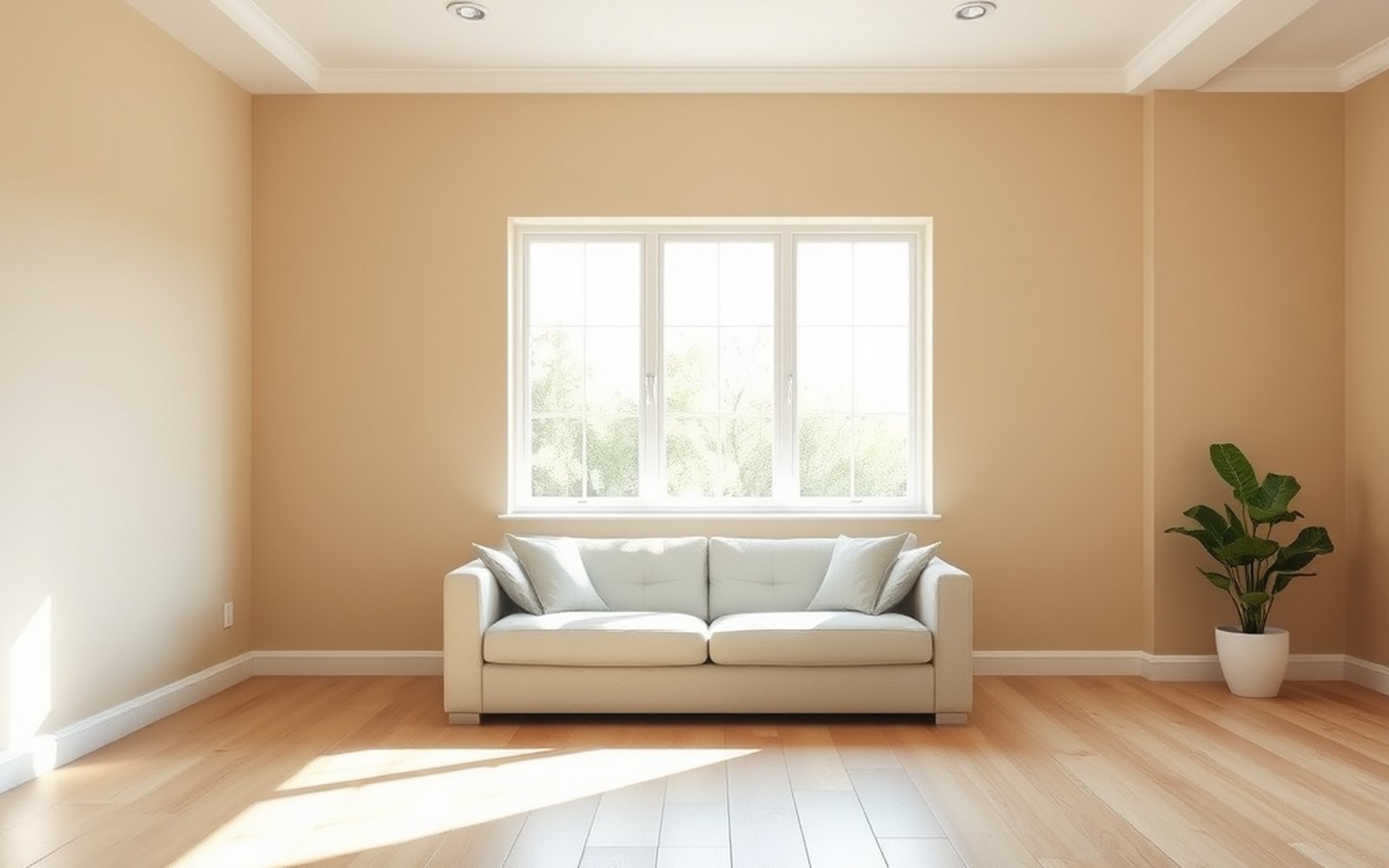
The single biggest time variable in a basement is what the walls are made of. Smooth finished drywall paints like any room and moves fast. Bare concrete block is porous and thirsty, so it needs more paint, more passes, and usually a dedicated primer or block filler first, all of which stretch the schedule. Low ceilings crowded with ducts and pipes add fiddly cut-in on top. The table sorts the job by surface and scope.
| Scope of work | What is included | Typical time |
|---|---|---|
| Finished drywall, walls only | Two coats on smooth finished walls | 5 to 8 hours |
| Finished, walls plus ceiling | Above plus the ceiling, working around ducts | 1 to 1.5 days |
| Bare block, walls | Block filler or primer pass, then two porous coats | 1.5 to 2 days |
| Bare block plus moisture and stain blocking | Above plus a stain-block dry-and-recoat cycle | 2 to 3 days |
Working time vs calendar time
This is the distinction most people get wrong, and a basement widens the gap more than most rooms. Working time on bare block is already higher than on drywall, because the rough, porous surface drinks paint and slows the roller, so each coat takes longer to lay and to cover. But the calendar time balloons further, because a raw block wall often needs a priming or block-filler pass to dry before the first color coat, and any moisture or stain blocking adds its own dry-and-recoat cycle on top. Stack a primer day, two color coats, and a stain-block pause and a basement that is a few hours of pure rolling becomes a multi-day project on the calendar.
Finished basements behave better but still carry the drying drag of any large room. Two coats means waiting between them, and basements are often cool and damp, which slows drying and lengthens that wait unless you run fans or a dehumidifier. The dampness is the basement’s quiet schedule tax: cool, still, humid air stretches every dry time between coats beyond what the can suggests. Plan the elapsed days around the surface and the air, not just the hours of rolling.
The practical takeaway is that a basement rewards a day of conditioning before you ever open a can. Running a dehumidifier and a fan for a day ahead of time, and keeping them going through the job, pulls the moisture out of the air and lets each coat set closer to the can’s stated time instead of dragging. Skip that step and you can lose half a day waiting on a coat that simply will not cure in still, damp air. On a bare-block basement, where you already have a primer pass and two slow color coats stacked up, conditioning the space is often the single cheapest way to keep the calendar from sliding from two days into three.
What affects how long it takes
Wall surface, finished or bare. This is the basement’s signature time variable. Finished drywall rolls fast and covers in two normal coats. Bare concrete block is porous and rough, so it drinks paint, demands a block filler or masonry primer first, and rolls slowly because the texture grabs the nap. The same square footage can take twice as long on block as on drywall.
Wall area and ceiling height. Basements are often large open footprints, so the total wall area is high even before the surface penalty. A finished ceiling adds a big flat area to roll.
Ductwork and low ceilings. Low basement ceilings crowded with ducts, beams, and pipes slow the cut-in, because you are brushing around obstacles and working in tight headroom rather than rolling open wall. That fiddly work adds hours even on finished surfaces.
Moisture and stain blocking. Damp basements and old water stains need a stain-blocking or masonry sealer step, which is its own coat with its own drying time before normal paint goes on. That dry-and-recoat cycle can add the better part of a day.
Number of coats and color. Bare block frequently needs more than two coats to look even, and the primer pass effectively adds a coat to the schedule. A color change adds another.
Drying, humidity, and airflow. Cool, damp basement air dries paint slowly. Without a dehumidifier and fans, every wait between coats lengthens, stretching the calendar timeline well past the labor hours.
The phases of the job
Setup and protection in a basement means draping a large floor and covering stored items, plus masking the many obstacles low ceilings bring. Prep and patching follow, and on bare block this can include parging or filling voids; on finished drywall it is normal patching. Then the priming phase, which is where the basement differs most: bare block gets a block filler or masonry primer over the whole surface, a full pass that finished rooms skip, and damp or stained areas get a stain-blocking coat. Only then comes the color: cut-in around the ductwork, beams, and frames, followed by rolling the wall field, slow on block, normal on drywall. The second coat repeats it, and cleanup closes the job.
On a finished basement, rolling the large wall and ceiling field dominates the time, much like any big room, and standard production rates apply cleanly. On a bare-block basement, the priming pass and the slow porous rolling dominate instead, and the job runs well behind what the square footage would suggest at normal rates. Thorough wall prep matters extra on masonry, because sealing and filling the surface properly up front is what keeps the porous walls from drinking coat after coat without ever looking finished.
The ceiling is worth calling out as its own phase in a basement, because it rarely behaves like a normal ceiling. Many basements have exposed or partly exposed framing, ductwork, and pipes overhead instead of a clean drywall plane, and painting around or over that is slow, awkward, low-headroom work. Some owners spray the whole overhead structure one color to tidy it up, which is faster than brushing but adds heavy masking of everything below. Whichever route you take, budget the basement ceiling as a separate chunk of time rather than folding it into the wall hours, because it almost never goes as quickly as the walls do.
The roller nap is a small choice that changes the basement timeline more than people expect. Smooth finished drywall takes a short nap and covers quickly. Rough concrete block needs a thick nap to push paint into the texture and the pores, and a thick nap holds more paint, drags more, and is slower to work across the wall. Reaching for the right nap from the start is part of why a pro covers block faster than a homeowner who tries to use a standard wall roller and ends up going over the same rough patch three times. The tool has to match the surface, or the porous walls win.
A day-by-day example
Take a bare-block basement with some old water staining and a low ducted ceiling. Day one is prep and priming: drape the floor and stored goods, fill voids and parge rough spots, hit the stained areas with a stain-blocking sealer, then roll the whole block surface with a masonry primer or block filler. Between the obstacle-heavy cut-in and the slow porous rolling, that fills most of the day, and you let the primer and stain block dry overnight.
Day two you roll the first color coat over the now-sealed walls, which still goes slower than drywall because the texture holds the nap, cutting in around every duct and beam. After it dries, you put on the second coat. A heavily stained or very porous basement can push a third coat or a second drying pause into day three, while a cleaner block surface wraps in two days.
Swap the surface and the schedule changes completely. The same footprint in finished drywall drops the whole priming pass and the porous-rolling penalty, collapsing into a single day for walls or a day and a half with the ceiling. The surface, more than the size, decides whether this is a one-day or a three-day room.
DIY vs pro timeline
A finished basement is a reasonable DIY job, just a long one, since the open footprint means a lot of wall and ceiling to cover and the cool damp air slows drying between coats; a homeowner should plan a full weekend rather than an afternoon. A bare-block basement is much harder to estimate as a DIYer, because the priming pass, the slow porous rolling, and the stain-blocking step are all unfamiliar work, and underestimating how much paint block drinks is the classic mistake that turns a planned two-day job into a four-day one.
A pro crew compresses it by knowing the surface: they reach for block filler and masonry primer without trial and error, roll the porous walls at the right pace with the right nap, and fill the drying waits with the ceiling or the next wall. What sprawls across a long DIY week is a managed two days or so for a crew. If you are pricing the job rather than timing it, the cost to paint a basement guide reflects the surface premium, and painters quoting it should read the how much to charge to paint a basement breakdown so the priming pass and slow block coverage are billed, not absorbed.
Frequently asked questions
How long does it take to paint a basement?
A finished drywalled basement takes most of a day to a day and a half. A bare-block basement runs two days or more, because the porous walls need a priming pass first, drink paint, and roll slowly, and any moisture or stain blocking adds another drying cycle.
Why does bare block take so much longer than drywall?
Because concrete block is rough and porous. It soaks up paint, so each coat takes more material and more time to cover, the texture slows the roller, and the surface usually needs a block filler or masonry primer as a full extra pass before the color even starts.
Can I paint a basement in a day?
A finished drywall basement, walls only, yes, in a long day. A bare-block basement, no, because the priming pass plus two slow porous coats plus drying time will not fit in a single day. Plan two days minimum for raw block, and three if there is significant staining to seal.
How long should I wait between coats?
The usual few hours, but expect longer in a basement because the cool, damp, still air slows drying. Running a dehumidifier and fans shortens that wait noticeably. The primer or block-filler pass also needs its own dry time before color; see the dry time between coats guide and build both waits in.
Do I really need to prime bare basement walls?
For raw concrete block, yes. A masonry primer or block filler seals the porous surface so the color coats sit on top instead of disappearing into it, and a stain-blocking primer is needed over any water stains. Skipping it means coat after coat that never looks even, which costs more time than priming would have.
How does a basement compare to other rooms?
A finished basement times like a large bedroom or a garage with its big open walls, while a bare-block basement runs longer than almost any finished room because of the priming and porous coverage. It shares the masonry-surface challenge with a garage, and for the whole home at once see how long it takes to paint a house interior.