In this article
- What to look for in bathroom paint
- Best sheen for a bathroom
- Paint type and features
- How many coats and prep
- Choosing the right quality of bathroom paint
- What it costs and how much you need
- Common bathroom painting mistakes
- Frequently asked questions
- What kind of paint is best for a bathroom?
- Should bathroom paint be satin or semi-gloss?
- Do I need special mildew resistant paint?
- How many coats of paint does a bathroom need?
- Can I use regular wall paint in a bathroom?
- What sheen should I use on a bathroom ceiling?
- How long should bathroom paint dry between coats?
- Is there waterproof paint for bathrooms?
Quick answer: The best paint for a bathroom is a moisture resistant interior latex with a mildew resistant additive, applied in a satin or semi-gloss sheen. The key property to look for is a tight, washable film that shrugs off steam and frequent wiping. Satin works in well ventilated baths, while semi-gloss is the safer pick for small or steamy rooms and around the tub and shower.
Bathrooms punish soft, porous paint, so getting the type and sheen right saves you a repaint in a year. Before you shop, figure out how much paint the room needs and what the job runs with the paint calculator or a quick free painting estimate, so you can spend on a quality bathroom grade paint instead of overbuying.
What to look for in bathroom paint
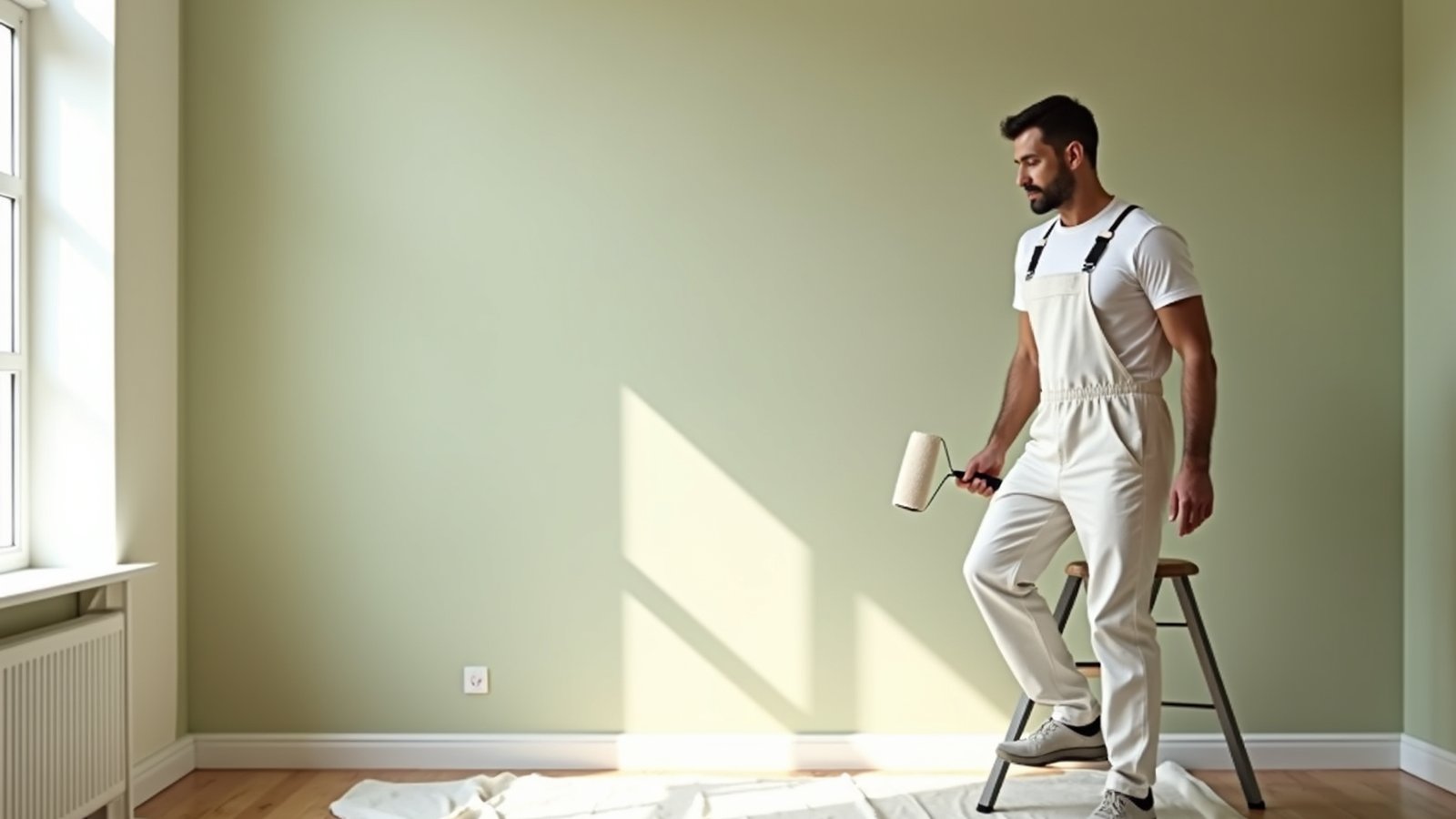
A bathroom is a humid, splash prone room, and that single fact drives every choice. Paint here has to resist moisture, fight mildew, and survive regular cleaning without wearing thin. Here are the properties that solve the bathroom problem.
Moisture resistance. Steam condenses on walls and ceilings, so the paint film needs to repel water rather than soak it up. A quality interior latex formulated for kitchens and baths holds up far better than a basic flat wall paint.
Mildew resistance. Warm, damp air invites mold and mildew. Many bathroom grade paints include a mildew resistant additive that slows growth on the film. This is the feature that keeps grout lines and corners from going spotty.
Washability. Toothpaste, soap film, and hairspray all land on bathroom walls. A scrubbable film lets you wipe them off without burnishing or thinning the paint, which is why sheen matters so much here.
Adhesion and flexibility. Temperature and humidity swing fast in a bathroom. A good quality paint stays flexible and bonded so it does not crack or peel near the shower and around fixtures.
Low odor and low VOC. Bathrooms are small and often poorly ventilated during a repaint. A low VOC formula keeps fumes down while you work in a tight space.
Best sheen for a bathroom
Sheen is where most bathroom paint jobs are won or lost. The general rule from the paint sheen guide is that higher sheen means a tighter, more washable, more moisture resistant film, which is exactly what a wet room needs. Flat paint has no business on a bathroom wall, since it soaks up moisture and stains the moment you try to scrub it.
For a well ventilated full bath or a powder room, satin gives you a soft look with enough washability to handle splashes. For a small bathroom, a windowless space, or the walls right around a tub or shower, step up to semi-gloss so the film can take constant steam and wiping. Many people split the difference and use satin on the main walls with semi-gloss near the wet zones.
The tradeoff to remember is that the shinier you go, the more the wall flaws show. Bathroom walls often have patched spots from old fixtures and towel bars, and a glossy finish will spotlight every one. If your bathroom walls are less than perfect, satin is the more forgiving choice, and a good bathroom grade satin still cleans well. Reserve full semi-gloss for the smoothest walls and the wettest zones where cleanability has to win.
Paint type and features
For almost every bathroom, a quality water based latex or acrylic interior paint labeled for kitchens and bathrooms is the right call. These lines are built around moisture and mildew resistance and clean up with water, which is far easier than the old oil based approach. The latex vs oil based paint comparison explains why water based has become the default for interior walls.
Look specifically for a mildew resistant additive on the label, which is common in bathroom and kitchen grade product categories. If your bathroom has had mold problems, you can also prime trouble spots with a stain blocking primer before topcoating. Keep an eye on the VOC level too, since a low VOC paint makes a closed in bathroom much more pleasant to work in. Stick to real bathroom grade product categories rather than a basic builder flat, and you will get the moisture performance the room needs.
It is worth being clear about what mildew resistant paint can and cannot do. The additive slows mold growth on the surface of the paint film, which keeps walls and ceilings looking cleaner for longer. It does not fix a moisture problem. If your bathroom has poor ventilation, a leaky window, or a failing exhaust fan, mold will keep coming back no matter how good the paint is. Run the fan during and after showers, fix any leaks, and treat the paint as the finishing layer over a dry, well ventilated room rather than a cure for dampness.
Ceilings deserve their own thought in a bathroom. The ceiling collects the most steam and is the first place mildew tends to show, yet many people paint it with a basic flat ceiling paint. In a high humidity bathroom, a dedicated bathroom ceiling paint or a satin with mildew resistance holds up far better. The best paint for a ceiling guide covers the general ceiling rules, but in a steamy bathroom, lean toward the more moisture tolerant option.
How many coats and prep
Most bathroom walls take two coats of a quality paint for an even, durable finish, and dark or dramatic colors can need a third. Plan your coats with the how many coats of paint do I need guide so you buy enough in one trip. Going thin to save a coat is a false economy in a room that sees this much moisture.
Prep is non negotiable in a bathroom. Wash off soap scum and hairspray residue, fix any flaking or water damage, and let the surface dry fully before painting. Spot prime bare patches and stains, and prime glossy or previously oil painted areas so new paint bonds. The do I need primer before painting guide helps you decide where primer is worth it, and the how to prep walls for painting guide covers the cleaning and patching steps that make a bathroom finish last.
Where moisture is heavy, drying takes longer than the can suggests, because humid air slows the cure. Run the exhaust fan and open a window while you work and between coats so the air can carry moisture away. If you rush the second coat onto a first coat that has not set, the finish can streak or stay soft, which defeats the whole point of using a tough bathroom paint. Patience between coats is part of getting the durability the room needs.
Choosing the right quality of bathroom paint
Paint comes in tiers, from basic builder grade up to premium lines, and the bathroom is a room where paying for quality genuinely pays off. A premium bathroom and bath grade paint has more binder and better additives, which means a tighter film, stronger moisture and mildew resistance, and better scrubbability than a budget can. Because a bathroom is small, the price difference across the whole job is modest, often a few dollars, while the performance gap is large.
That said, you do not need the single most expensive product on the shelf. The key is to choose a real bathroom or kitchen and bath grade line in satin or semi-gloss, rather than a basic flat wall paint dressed up with a coat of optimism. Read the label for the words moisture resistant and mildew resistant, check that the sheen matches the room, and pick a reputable line. Spending a little more on the right category beats spending a lot on a premium paint in the wrong sheen.
What it costs and how much you need
Bathrooms are small, so the paint itself is rarely the big cost, but quality moisture resistant paint runs a bit more per gallon than basic wall paint. Most standard bathrooms need only a gallon or two once you account for two coats, trim, and the ceiling. See the room by room breakdown in the how much paint for a bathroom guide so you buy the right amount.
For the full picture, including labor if you hire out, walk through the cost to paint a bathroom guide. Pairing the quantity estimate with the cost estimate keeps you from underbuying paint or overpaying for the job, especially in a tight room where cutting in around fixtures takes time.
Common bathroom painting mistakes
The most common mistake is using flat or basic builder paint in a bathroom to save a few dollars. It looks fine for the first month, then steam, splashes, and scrubbing leave burnished marks and water stains that never fully clean. The fix is simple: start with a satin or semi-gloss bathroom grade paint and the room will look fresh for years instead of months.
The second mistake is painting over a moisture problem instead of fixing it. New paint will not stop mold that keeps returning from a leaky window, a failing exhaust fan, or poor ventilation. Find and fix the source of the dampness first, run the fan during and after showers, and let the surface dry fully before you paint. Paint is the finish, not the cure.
A third slip is rushing the recoat. Bathrooms hold humidity, which slows drying between coats, and brushing a second coat onto paint that has not fully set can pull and streak the first. Give each coat the full recommended dry time, and crack a window or run the fan to move the air. The patience pays off in a smoother, longer lasting finish in the one room that punishes shortcuts the most.
Frequently asked questions
What kind of paint is best for a bathroom?
A quality water based interior latex or acrylic labeled for kitchens and bathrooms is best, because these lines are built for moisture and mildew resistance. Apply it in satin or semi-gloss so the film cleans easily. Avoid flat wall paint, which absorbs moisture and stains when scrubbed.
Should bathroom paint be satin or semi-gloss?
Satin works well in well ventilated bathrooms and gives a softer look. Semi-gloss is the safer choice for small, steamy, or windowless baths and for walls right around the tub and shower, since it resists moisture and scrubs harder. Many people use satin on main walls and semi-gloss near wet zones.
Do I need special mildew resistant paint?
A mildew resistant additive helps a lot in damp bathrooms by slowing mold growth on the paint film. Most bathroom and kitchen grade paints include it. If you have had mold problems, also fix the moisture source and prime trouble spots with a stain blocking primer first.
How many coats of paint does a bathroom need?
Most bathrooms take two coats of a quality paint for an even, durable finish. Dark or bold colors may need a third coat for full coverage. Plan your coats with the coats guide so you buy enough paint in one trip.
Can I use regular wall paint in a bathroom?
You can, but basic flat wall paint absorbs moisture, stains easily, and invites mildew in a damp room. A bathroom grade paint in satin or semi-gloss lasts far longer and cleans up better. The small upgrade in paint is worth it to avoid an early repaint.
What sheen should I use on a bathroom ceiling?
For most bathrooms a flat or matte ceiling paint is fine and hides texture. In a high humidity bathroom that grows mildew on the ceiling, step up to a satin or a dedicated bathroom ceiling paint with mildew resistance so steam does not stain the surface.
How long should bathroom paint dry between coats?
Follow the can, but expect drying to run slower than the label suggests because bathroom air holds moisture. Run the exhaust fan and open a window to move humid air out, and give each coat its full recommended time before recoating. Rushing the second coat onto a soft first coat can streak the finish.
Is there waterproof paint for bathrooms?
No interior wall paint is truly waterproof, but bathroom grade satin and semi-gloss paints are highly moisture resistant, which is what a normal bathroom needs. For surfaces in direct, constant water contact like inside a shower, you need tile, a tile coating, or a specialty waterproofing system rather than ordinary wall paint.