In this article
Quick answer: For almost all interior and exterior painting today, water-based paint (latex or acrylic) is the right choice. It has low odor, dries fast, stays flexible, cleans up with soap and water, and is low in VOCs. Oil-based (alkyd) paint is now a niche product: it still earns its place on some trim, doors, and metal where a hard, glassy finish matters, and for tough stain-blocking, but it is restricted or banned in some areas.
Whichever you choose changes your coats, dry time, and cleanup plan. Size the job first with the paint calculator, or get a full free painting estimate that accounts for the product type, since oil-based work and longer dry times add labor.
Water-based (latex and acrylic) paint
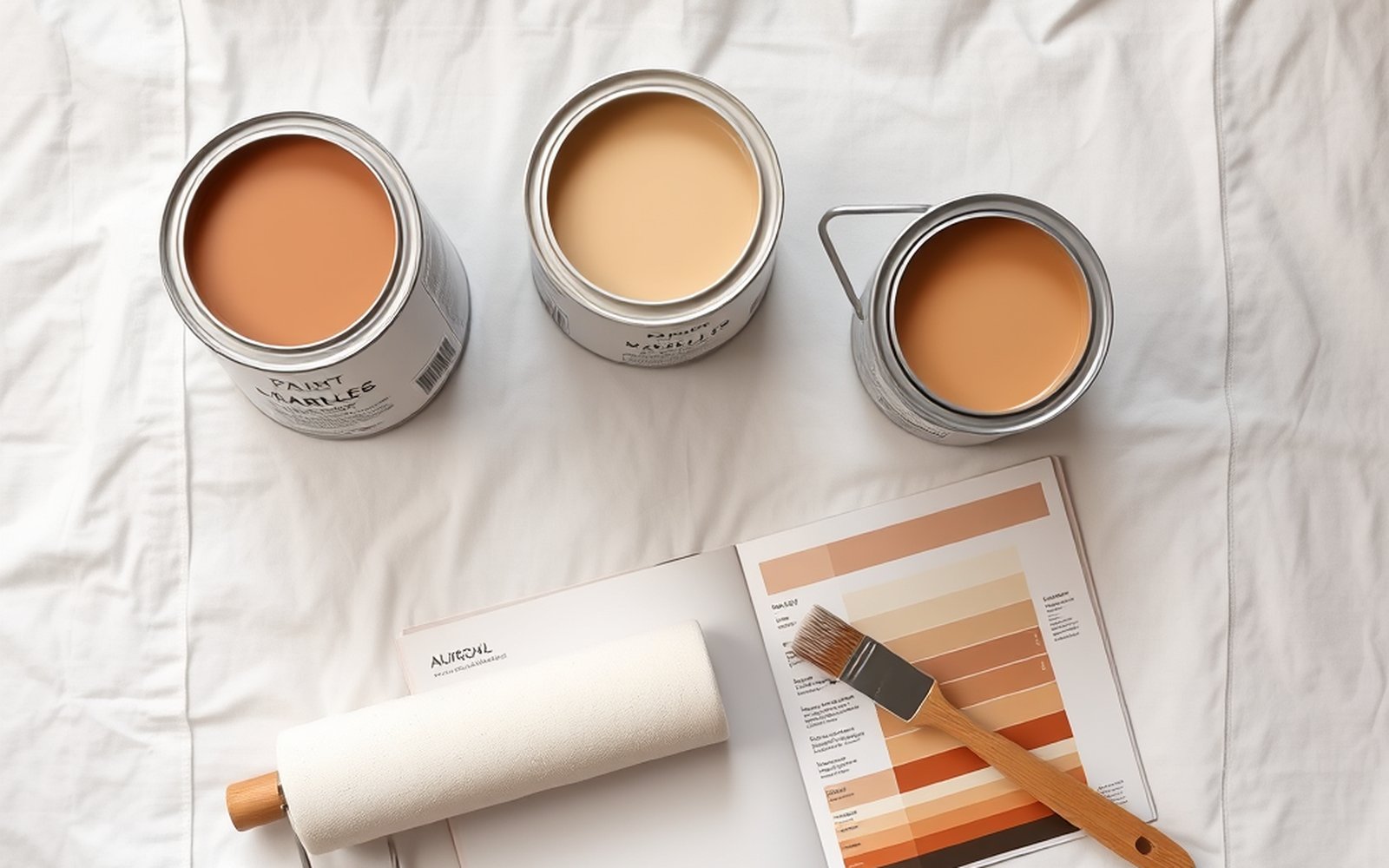
Water-based paint carries its pigment and binder in water, which is why it is sometimes called latex even though modern versions use acrylic resins rather than actual rubber. It dominates the market today for good reasons. It dries quickly, often recoatable in a couple of hours, so you can finish a room in a day. It stays flexible as surfaces expand and contract with temperature and humidity, which means it resists cracking and is far less prone to yellowing over time.
The practical wins add up fast. Cleanup is just soap and water, with no solvents or fumes to manage. The odor is mild and the VOC content is low, so you can paint occupied spaces with less disruption. Acrylic versions, the higher-end water-based paints, add even better adhesion, flexibility, and exterior durability. For walls, ceilings, most trim, and the vast majority of exterior siding, water-based paint is the default. If you are matching finish to the room, the paint sheen guide covers which gloss level fits where.
Oil-based (alkyd) paint
Oil-based paint suspends its pigment in a drying oil or alkyd resin and thins with mineral spirits. Its strengths are a hard, smooth, almost glassy cured film, excellent leveling that hides brush marks, strong adhesion to tricky surfaces, and outstanding stain and tannin blocking. That is why it held the trim-and-door market for so long, and why it is still chosen for high-touch woodwork and metal.
The trade-offs are significant. It dries slowly, sometimes overnight between coats, gives off strong fumes and high VOCs, and demands solvent for cleanup. Over years it tends to yellow, which is most visible on whites. It is also brittle as it ages, so it can crack on surfaces that move. On top of all that, many regions now restrict or ban consumer oil-based paint for VOC reasons, which is steadily pushing it out of general use.
Latex vs oil at a glance
Here is how the two stack up on the factors that usually decide a job.
| Factor | Water-based (latex/acrylic) | Oil-based (alkyd) |
|---|---|---|
| Dry time | Fast, often recoat in 2 to 4 hours | Slow, often overnight between coats |
| Odor and VOC | Low odor, low VOC | Strong fumes, high VOC |
| Cleanup | Soap and water | Mineral spirits or solvent |
| Durability | Very good, especially acrylic | Hard, glassy, abrasion resistant |
| Flexibility | Stays flexible, resists cracking | Becomes brittle with age |
| Yellowing | Resists yellowing | Tends to yellow, worst on whites |
| Leveling | Good, better in premium lines | Excellent, hides brush marks |
| Best uses | Walls, ceilings, most trim, exteriors | Some trim and doors, metal, stain-blocking |
| Availability | Widely available | Restricted or banned in some areas |
When to still use oil-based
Oil-based paint is niche now, but a few jobs still favor it where local rules allow. A hard, self-leveling, glassy finish on trim, doors, cabinets, and handrails is the classic case, since those high-touch surfaces benefit from oil’s smoothness and durability, and that is exactly where the latex-versus-oil debate lives. The guide on the best paint for trim and doors goes deeper on that decision.
Oil also wins for severe stain-blocking, sealing tannin bleed from knotty wood, water stains, and smoke that water-based products struggle to lock down. And it remains a strong choice for bare or rusty metal, like railings and radiators, where its adhesion and hardness pay off. Outside of those cases, modern water-based and waterborne-alkyd hybrids now match much of what oil used to do, with far less hassle.
Can you put latex over oil
Yes, but only with the right prep, because latex will not bond to a slick, cured oil surface on its own and will peel if you skip the steps. The reliable process: clean the surface, then scuff-sand the old oil paint to dull the gloss, wipe off the dust, and apply a bonding primer rated for going over oil. Once that primer is down and dry, your water-based topcoat will adhere properly.
Skipping the sand-and-prime step is the single most common reason latex peels off old trim in sheets. If you are not sure whether your existing trim is oil or latex, a quick test helps: rub a cotton ball with denatured alcohol on an inconspicuous spot. If paint comes off, it is latex; if nothing transfers, it is likely oil and needs the bonding-primer treatment. For more on choosing and applying that base layer, see the guide on whether you need primer before painting.
Cleanup and disposal
Cleanup is one of the clearest everyday differences between the two. Water-based paint washes out of brushes and rollers with warm water and a little soap, and the rinse is far less hazardous. Oil-based paint requires mineral spirits or a dedicated brush cleaner, and the used solvent has to be handled as hazardous waste.
Disposal matters for both, but more so for oil. Never pour either type down the drain. Let leftover water-based paint dry out completely (a little kitty litter or a paint hardener speeds it up) before tossing the can with the lid off where allowed, or take it to a paint-recycling program. Oil-based paint and used solvents are hazardous waste almost everywhere and must go to a household hazardous-waste drop-off, never the regular trash. For a humidity-prone space where you might weigh durability against fumes, the best paint for a bathroom guide shows how modern water-based products handle a tough room without the oil-based downsides.
What about waterborne alkyd hybrids?
The line between latex and oil has blurred thanks to a newer category: waterborne alkyd, also called water-based enamel or hybrid alkyd. These paints aim to give you the smooth, hard, self-leveling finish of oil with the low odor, low VOC, and soap-and-water cleanup of water-based paint. They cure to a harder film than standard latex, which makes them popular for trim, doors, and cabinets where people used to insist on oil.
They are not a perfect match for traditional oil in every respect, since open time is shorter and very heavy stain-blocking still favors true oil or shellac primers. But for most homeowners who want a durable, glassy trim finish without the fumes and solvent cleanup, a waterborne alkyd is the modern answer. It is a big reason the case for traditional oil-based paint keeps shrinking. If you are tackling trim, weigh a hybrid enamel against both latex and oil in the best paint for trim and doors guide before you buy.
Safety and ventilation
Both paint types deserve respect, but oil-based work demands more caution. Its strong fumes carry higher VOC levels, so good ventilation matters: open windows, run fans, and take breaks when working with oil indoors. A solvent respirator, not just a dust mask, is worth using in enclosed spaces. Oily rags are a real fire hazard, since they can spontaneously combust as the oil oxidizes, so spread them flat to dry outdoors or store them in a sealed metal container of water before disposal.
Water-based paint is far gentler, with low odor and low VOCs, but basic ventilation is still smart, and you should still avoid breathing spray mist or sanding dust. Whichever you use, keep paint off skin where you can, wash up promptly, and keep cans away from children and pets. The lower hazard profile of water-based paint is one more reason it has become the default for occupied homes.
How to choose between them
Picking between latex and oil comes down to a short series of questions about the surface and the result you want. Walk through them in order.
- Is it walls, ceilings, or general interior and exterior surfaces? Choose water-based paint. It is the default for the vast majority of painting, and there is no reason to reach for oil.
- Is it high-touch trim, doors, or cabinets where you want a hard, glassy finish? Consider a waterborne alkyd enamel first, which gives you that finish without the fumes. Use traditional oil only if local rules allow and you specifically want it.
- Are you blocking a heavy stain, tannin bleed, or odor? Use an oil-based or shellac stain-blocking primer for the seal, then top it with water-based paint.
- Is it bare or rusty metal like railings or radiators? Oil-based or a metal-rated enamel still performs well here for adhesion and hardness.
- Do you need low odor in an occupied home, fast turnaround, or easy cleanup? Water-based wins every one of those, which is why it suits most real-world projects.
For nearly every homeowner, the honest conclusion is that water-based paint, or a waterborne alkyd for trim, covers what you need. True oil-based paint is now a specialist tool for a few specific jobs, not a general choice. Match the paint to the surface and the result, and you rarely have to reach past the water-based shelf.
Durability over time
Long-term performance is where the old assumptions deserve a second look. People once reached for oil because it cured harder and resisted scuffs. That hardness is real, but it comes with a catch: as oil-based paint ages it grows brittle, and a brittle film cracks when the surface expands and contracts. On exterior wood and any surface that moves, that brittleness shortens its life.
Modern acrylic and waterborne-alkyd paints stay flexible as they age, so they ride out seasonal movement without cracking, and they resist yellowing and fading far better. For exteriors especially, a quality acrylic now outlasts oil because flexibility beats hardness when weather is the enemy. Indoors, premium water-based paints offer excellent scrub resistance that holds up to cleaning in kitchens and hallways. Between flexibility, color retention, and cleanability, water-based paint is not just easier to use, it usually lasts longer too.
One caveat keeps the comparison honest: the gap between a premium and a budget product is often bigger than the gap between paint types. A top-tier acrylic beats a cheap oil on nearly every measure, while a bargain latex can disappoint. If durability is your priority, spend up within the water-based category rather than reaching for oil. The quality tier you buy matters more than the latex-versus-oil label, and a good acrylic delivers the lasting finish most people are really after.
Frequently asked questions
Is latex or oil-based paint better?
For almost all interior and exterior work, water-based latex or acrylic is better today: low odor, fast drying, flexible, easy cleanup, low VOC. Oil-based is now niche, used mainly for certain trim, metal, and heavy stain-blocking.
Can I paint latex over oil-based paint?
Yes, with prep. Clean the surface, scuff-sand to dull the gloss, wipe off dust, and apply a bonding primer rated for oil. Skip those steps and the latex will peel off in sheets.
How do I tell if my old paint is oil or latex?
Rub a cotton ball with denatured alcohol on a hidden spot. If paint transfers to the cotton, it is latex. If nothing comes off, it is likely oil-based and needs a bonding primer before latex.
Why is oil-based paint hard to find now?
Its high VOC content has led many regions to restrict or ban consumer oil-based paint. Manufacturers have shifted to water-based and waterborne-alkyd hybrids that meet the rules and match most of oil’s performance.
Does latex paint yellow like oil does?
No, that is one of its advantages. Water-based paint resists yellowing, while oil-based paint tends to yellow over time, most noticeably on whites and light colors, especially in low-light areas.
How do I dispose of leftover paint?
Never pour it down a drain. Dry out water-based paint fully, then discard the can where allowed or recycle it. Oil-based paint and used solvents are hazardous waste and must go to a household hazardous-waste drop-off.
Wrong paint over the wrong base can crack or peel. See how to fix cracking paint and how to fix peeling paint.
The same base debate applies to wood stain. See water based vs oil based stain and the full guide to wood stain types.
Putting a water-based topcoat over an old oil finish? See how to paint over oil based paint.
Cold changes how each type behaves. See painting in cold weather and whether paint can freeze.
Solvent content is also what drives the smell and the exposure risk, not just the clean up. See are paint fumes dangerous for what is actually evaporating as the film cures, and low VOC versus zero VOC paint for what those labels do and do not promise.