In this article
Quick answer: Painting kitchen cabinets takes 3 to 5 days for a typical kitchen, and sometimes a full week. The reason is not the labor. It is the prep (degrease, sand, prime) and the long drying and curing time between multiple thin coats. The kitchen is partly out of use the whole time.
Cabinets are the slowest per-square-foot painting job in the house, and dry time is why. The actual brushing or spraying is quick. What stretches the calendar is waiting for each thin coat to set hard enough to handle and recoat. If you are planning around the kitchen being down for a few days, start with our free painting estimate and the painting calculator to lock the schedule.
This catches a lot of people off guard. They see a kitchen with maybe a hundred square feet of door fronts and assume a weekend. Then the reality of degreasing, sanding, priming, and three thin coats with full cure between each sets in, and the weekend becomes most of a week. Understanding why up front lets you plan meals, order materials, and decide between doing it yourself and hiring a pro without a nasty surprise halfway through.
How long it takes to paint kitchen cabinets
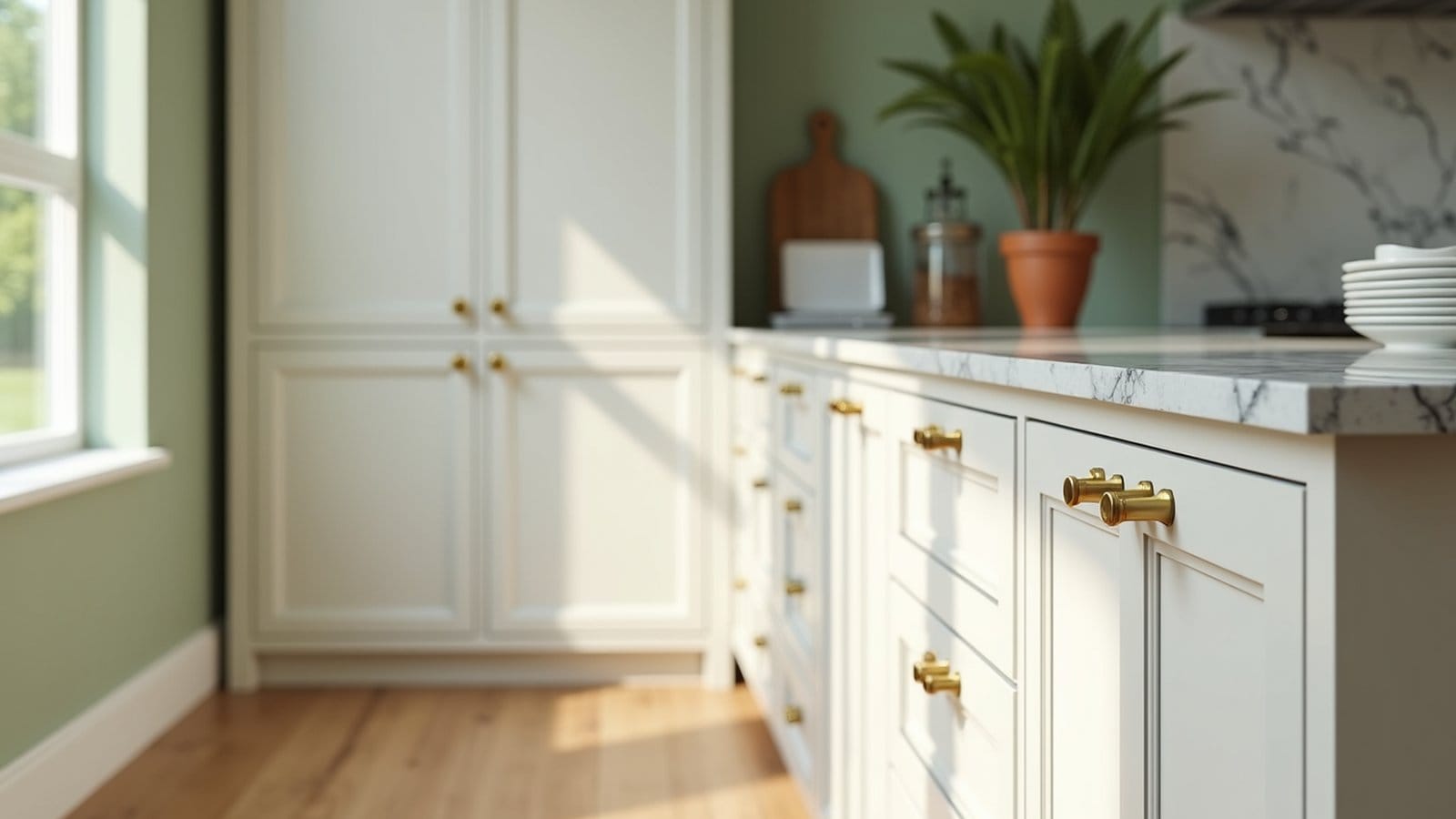
The table shows total calendar days from start to a usable kitchen, not just working hours. Most of the elapsed time is drying, not labor.
| Kitchen size | Pro calendar time | DIY calendar time | Notes |
|---|---|---|---|
| Small kitchen (10 to 15 doors) | 3 to 4 days | 4 to 6 days | Includes prep and cure between coats |
| Average kitchen (20 to 30 doors) | 4 to 5 days | 6 to 8 days | The common case |
| Large kitchen (30+ doors and drawers) | 5 to 7 days | 1 to 2 weeks | More pieces, same dry waits |
A pro spray finish applies faster than brushing, but it does not shorten the dry time. The paint still has to set between coats no matter how it goes on. That is the key insight: this is the slowest job per square foot in the house because of dry time, not labor.
- Number of doors and drawers: each piece is removed, labeled, prepped, painted on both sides, and reinstalled.
- Coats: a durable cabinet finish is primer plus two color coats, sometimes three thin ones.
- Cure between coats: cabinet enamels need real dry time so the finish hardens evenly.
What determines how long it takes
Cabinets demand more prep than any other interior surface because they get touched, splashed, and greasy. Skipping prep is how a paint job peels in a month.
- Degreasing: kitchen cabinets carry cooking grease that paint will not stick to. Every surface gets cleaned with a degreaser and dried. This alone can take half a day.
- Sanding: the existing finish is scuff-sanded so primer grips. More pieces means more sanding.
- Priming: a bonding primer is the foundation. It has to dry fully before color goes on.
- Thin coats: cabinet paint is applied in several thin coats so it levels smoothly and dries hard. Heavy coats stay soft and dent.
- Drying and curing between coats: this is the controlling factor. Many cabinet enamels want a long recoat window, and full cure to a durable hardness takes days to weeks. See how long paint should dry between coats for why rushing this ruins the finish.
Because each coat has to dry before the next, the schedule is mostly waiting. You can prep all the doors in one push, but you cannot compress the cure. That is the structural reason cabinets take days even when the hands-on labor is modest.
DIY vs pro timeline
A pro often sprays in a controlled space or off-site, which gives a glass-smooth finish and a tidy sequence, but the dry waits are the same. A DIYer brushing and rolling at home spends more active hours and usually adds a day or two because home conditions are less controlled and you are working around meals.
| Stage | Pro | DIY |
|---|---|---|
| Remove and label doors | 2 to 4 hours | 3 to 5 hours |
| Degrease and sand | half a day | 1 day |
| Prime and dry | half a day plus cure | 1 day plus cure |
| Two color coats | 1 to 2 days with cure | 2 to 3 days with cure |
| Reinstall and settle | 2 to 4 hours | half a day |
Through most of this, the kitchen is partly out of use. Doors are off, hardware is in bags, and you are living around the work. Plan meals accordingly.
How painters estimate the time
Cabinet painters quote by the number of doors, drawers, and linear feet of frame, using painting production rates built for cabinet work. They count pieces, apply a per-piece prep and paint time, then add the fixed dry waits that no amount of crew size can shrink. A bigger crew preps and sprays faster, but everyone still waits for the cure.
Time drives the quote, and cabinets are quote-heavy because the prep hours are high and the job spans multiple days of mobilization. To see how those hours and days convert to a price, read how much to charge to paint kitchen cabinets, and for a fast homeowner figure use the cabinet painting estimate.
A worked timeline example
An average kitchen, 24 doors and 6 drawers, sprayed by a pro, primer plus two coats.
- Day 1 morning: Remove and label all doors and drawer fronts, take hardware off. (3 hours)
- Day 1 afternoon: Degrease every surface, scuff-sand, wipe clean. (4 hours)
- Day 2: Spray primer on doors and frames, let it cure. (working time short, cure runs overnight)
- Day 3: Light sand, spray first color coat, cure.
- Day 4: Spray second color coat, cure hard enough to handle.
- Day 5: Reinstall doors and hardware, final touch up.
The hands-on spraying across all those days might total a handful of hours. The five-day span is almost entirely cure time. That is the whole story of cabinet timelines. If a contractor promises a one-day cabinet transformation, be skeptical: either they are skipping prep, rushing the cure, or both, and that finish will chip within weeks. A durable painted kitchen is a slow job by nature, and the time goes into making it last.
If you are weighing the wider remodel, the cost view is at cost to paint a kitchen and the paint needed is at how much paint for kitchen cabinets. When cabinets are part of a full interior refresh, line them up against how long to paint a house interior so the kitchen downtime fits the bigger schedule.
Working time versus calendar time
Cabinets are the clearest example of why working time and calendar time are not the same thing. The hands-on labor across a full cabinet job, all the prep, priming, and coats combined, might add up to a couple of days of actual work. Yet the kitchen is out of commission for 3 to 5 days. The difference is entirely cure time.
This matters for planning because you cannot collapse the gap by hiring a bigger crew. Two painters degrease and prime faster than one, but both of them still wait the same number of hours for the primer to cure before color goes on. The cure is a fixed cost in the schedule, paid once regardless of how many hands are on the job.
It also explains why cabinets feel expensive for the amount of paint involved. You are not paying for a lot of square footage. You are paying for a multi-day mobilization where the crew comes and goes around the cure windows, plus the heavy prep hours up front.
| Phase | Working time | Calendar time |
|---|---|---|
| Prep and prime | 1 to 1.5 days | 1.5 to 2 days with cure |
| Color coats | half a day of spraying | 2 to 3 days with cure |
| Full job | 2 to 2.5 working days | 3 to 5 calendar days |
Factors that stretch a cabinet job
The 3 to 5 day window assumes a normal kitchen in decent shape. Several conditions push it toward a week or more, and almost all of them are about prep and dry time rather than how fast you can paint.
- Heavy grease buildup: cabinets right next to a stove can carry years of cooking film. If degreasing does not fully cut it, the primer will not bond and you start over. Bad grease can add a half day of cleaning.
- Raw wood or open grain: oak and other open-grain woods telegraph their texture through paint. To get a smooth finish you grain-fill and sand extra, which adds a full prep step.
- Glossy or laminate surfaces: slick factory finishes and thermofoil need extra deglossing and a specialty bonding primer, and laminate sometimes cannot be painted reliably at all.
- Cold or humid conditions: low temperatures and high humidity slow the cure dramatically. A coat that recoats in four hours in summer might need a full day in a cold garage.
- Number of pieces: a large kitchen with 30-plus doors, drawers, and a pantry simply has more surfaces to prep, paint on both sides, and cure. The dry waits do not change, but every step gets longer.
Because every one of these lands on the prep or cure side of the job, they extend the calendar without adding much active painting. That is the recurring theme with cabinets: the schedule is set by chemistry and surface prep, not brush speed.
Tips to keep a cabinet job on schedule
You cannot compress the cure, but you can avoid the mistakes that force you to redo coats and lose days.
- Label every door and its location. Numbering doors and bagging the matching hardware saves a frustrating reassembly and prevents misaligned reinstalls.
- Set up a dedicated drying space. Doors need somewhere flat and dust-free to lie or hang while they cure. Painting both sides means planning where they sit between coats.
- Do not skip the bonding primer. The single most common reason a cabinet finish peels is weak adhesion. The primer step is non-negotiable and its dry time is part of the plan.
- Apply thin coats and respect the recoat window. Thick coats stay soft for days and chip on contact. Thin coats on the recommended schedule cure properly and save you a redo.
- Stage your meals around the downtime. Knowing the kitchen is partly out of use for several days, prep grab-and-go food so you are not fighting the job for counter space.
Closing
Block out 3 to 5 days, sometimes a week, and accept that most of it is drying, not painting. Plan the kitchen downtime in advance with our free painting estimate and the painting calculator.
Frequently asked questions
How long does it take to paint kitchen cabinets?
A typical kitchen takes 3 to 5 days, and a large one can take a week. Most of that span is drying and curing between coats, not active labor. The prep (degrease, sand, prime) and the thin-coat schedule are what set the calendar.
Why do painted cabinets take so long if the painting is quick?
Because cabinet enamel must be applied in several thin coats, and each coat has to dry and partly cure before the next. That dry time is fixed. It is the slowest per-square-foot job in the house for exactly this reason.
Is spraying cabinets faster than brushing?
Spraying applies paint faster and gives a smoother finish, but it does not shorten the overall timeline because the drying time between coats is the same. The savings show up in application hours, not in calendar days.
Can I use my kitchen while the cabinets are being painted?
Partly. The doors and drawer fronts come off and the hardware is bagged, so the cabinets are open and the kitchen is disrupted for the duration. Plan simple meals and expect a few days of working around the job.
How long before painted cabinets are fully durable?
They are dry to the touch in hours and reinstallable in a day or two, but full cure to a hard, scrub-resistant finish takes days to a few weeks depending on the product. Treat them gently for the first couple of weeks.