In this article
About the cost figures on this page
Any cost ranges shown here are illustrative estimates, not a quote. What you actually pay varies widely with your location and local labour rates, the size and condition of the surfaces, access and setup, the products specified, how much prep the job needs, and the time of year. Use these numbers to sanity check a quote you have been given and to understand what drives the total, then get written quotes from local contractors before you budget. You can also build an estimate around your own project with the free calculator.
Quick answer: Charge $50 to $120 per door and drawer front, or $30 to $60 per linear foot of cabinetry, which puts a typical kitchen at $1,500 to $5,000 or more. A sprayed finish with full prep (degrease, sand, prime) commands the high end. This is premium, prep-intensive work, so do not price it like wall painting.
Cabinet painting is the highest-margin interior work a painter can sell, and the easiest to underbid into a loss. The finish lives on surfaces people touch and slam every day, so prep and product are everything. Quote it per door or per linear foot, never per square foot like a wall. Build the count inside a free painting estimate and use the estimate calculator to layer prep, primer, and finish coats so nothing gets left out of the number.
What to charge to paint kitchen cabinets
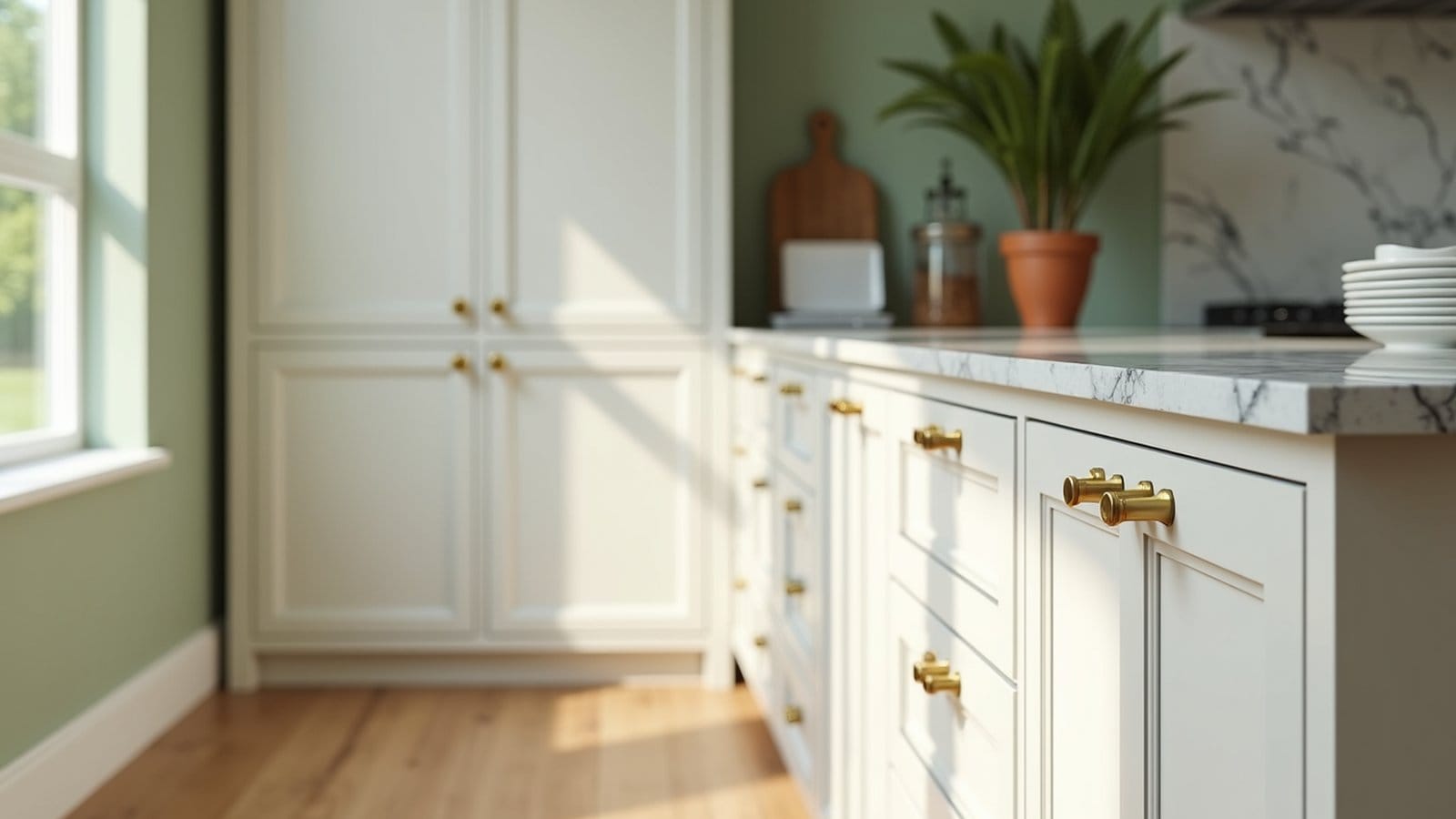
Here is what painters quote in 2026 for a quality cabinet repaint. The two common units are per door or drawer front and per linear foot of cabinetry. The high end of every range is a sprayed finish with full degrease, sand, and bonding primer. The low end is a brushed-and-rolled job with lighter prep.
| Cabinet job | Unit | Charge to quote |
|---|---|---|
| Per door or drawer front | each | $50 to $120 |
| Per linear foot of cabinetry | linear foot | $30 to $60 |
| Small kitchen (15 to 20 doors) | kitchen | $1,500 to $3,000 |
| Average kitchen (25 to 35 doors) | kitchen | $3,000 to $5,000 |
| Large or detailed kitchen | kitchen | $5,000 to $9,000+ |
| Sprayed finish premium (add) | vs brush and roll | +15% to +30% |
| Color change to white over dark wood (add) | extra coat and primer | +10% to +20% |
Door and drawer count is the truest driver because each face is removed, labeled, prepped, primed, and sprayed on both sides, then reinstalled. Count every door, every drawer front, and the cabinet boxes, then add for glass fronts, glazing, or a dark-to-white color change that needs an extra coat.
How to price cabinets: per door vs per linear foot
Both units work. Pick the one that matches how you scope and stay consistent so your bids are repeatable.
- Per door and drawer front: The most accurate method because labor tracks with the number of faces, not the wall space. Count doors, count drawer fronts, multiply by your per-piece rate, then add a separate charge for the cabinet boxes and any open shelving.
- Per linear foot: Faster for quoting and useful for ballparks. Measure the run of cabinetry along the wall and multiply by your linear-foot rate. It is the same line-measuring logic as the price painting jobs per square foot guide, just applied to cabinet runs.
Whichever you choose, the finish method changes the rate. A sprayed finish needs more masking and setup but lays down glass-smooth, so it commands a 15% to 30% premium over brush and roll. Spray is what justifies the top of the range, so sell the finish, not just the labor.
Build the price: labor, materials, markup, profit
Cabinets stack the same four parts as any quote, but prep dominates the labor and the product is premium, so both numbers run higher than wall work.
Quote = Labor + Materials + Markup + Profit
- Labor: The big one. Removing and labeling doors, degreasing, sanding, filling grain, priming, two finish coats, and reinstalling hardware is multi-day work. Budget 25 to 40 labor hours for an average kitchen and multiply by your loaded rate.
- Materials: Bonding primer, a quality cabinet enamel or lacquer, degreaser, sandpaper, masking, and sprayer supplies. Cabinet product costs more per gallon than wall paint, so mark up your materials 20% to 50% on top of that higher base.
- Markup and overhead: Spray setup, masking the kitchen, and a clean staging area for doors all carry overhead time. Make sure the rate covers it.
- Profit: Cabinets should carry your best margin. Target the upper end of a 15% to 30% net profit margin, because the skill and finish quality justify it.
| Cost driver | What it adds | Why it matters |
|---|---|---|
| Degrease + sand + prime | Most of the labor hours | Skip it and the finish peels in months |
| Premium cabinet enamel | Higher material cost | Cures hard enough to survive daily use |
| Sprayed finish | +15% to +30% | Glass-smooth, factory-look result |
| Cure time between coats | Multi-day schedule | Ties up crew and the customer’s kitchen |
Worked quote example. An average kitchen: 28 doors and drawer fronts, standard cabinet boxes, dark wood going to white, sprayed finish.
- Faces: 28 at $75 each = $2,100.
- Cabinet boxes and exposed sides: add $600.
- Spray finish premium and dark-to-white extra coat: add about 20%.
- Quote lands around $3,200 to $3,600.
That covers roughly 30 to 35 labor hours, premium product, and a real margin. If the customer wants glazing, a glass-front detail, or a rush turnaround, those are separate lines on top, not discounts you absorb.
Compare that to brushing the same kitchen with lighter prep. Drop the spray premium, skip the second box coat, and you might quote $2,400. That is a legitimate budget option to offer, but be honest with yourself and the customer about the finish difference. The $3,400 sprayed job and the $2,400 brushed job are not the same product, and pretending they are is how painters end up doing premium work for budget money. Quote both, let the customer choose, and protect the margin on whichever they pick.
Why cabinets are a multi-day, multi-stage job
The price only makes sense once you map the actual workflow, because cabinet painting is not one task, it is six or seven stacked across several days. Underbidding almost always comes from imagining it as a single quick spray session.
- Day one: Remove and label every door, drawer front, and piece of hardware. Set up a clean spray and staging area. Mask the kitchen, counters, appliances, and floor.
- Prep: Degrease every face and box to cut the cooking grease, then sand or de-gloss for adhesion and fill any grain or dings.
- Prime: Apply a bonding primer to faces and boxes, then sand lightly between for a smooth base.
- Finish: Two finish coats of cabinet enamel or lacquer, with cure time between each. Rushing the recoat window ruins the finish.
- Reassembly: Reinstall doors, drawers, and hardware, adjust hinges, and touch up. Cure time means the customer may not slam doors for days.
Every one of those stages is billable labor. The cure and dry windows between coats are why an average kitchen ties up your crew and the customer’s space for three to five days even though the hands-on hours total 25 to 40. Price the schedule, not just the touch time, and set the customer’s expectation up front so the multi-day timeline never becomes a complaint.
How to present the cabinet quote to the customer
Cabinet quotes are large numbers, so the estimate has to justify them or the customer balks. Spell out the scope in detail: door and drawer count, prep steps, primer, number of finish coats, and the finish method. A line that reads “Paint 28 cabinet doors and drawer fronts plus boxes, degrease, sand, bonding primer, two coats sprayed enamel, hardware removal and reinstall: $3,400” closes far better than a bare total.
- Sell the prep as the value. The reason a quality cabinet job lasts is the degrease, sand, and prime. Name those steps so the customer understands what separates your $3,400 quote from a handyman’s $1,200 brush job.
- Offer good and better tiers. A brushed budget tier and a sprayed premium tier give the customer a choice and anchor the premium option. Most customers who see both pick the spray once they understand the finish.
- Put add-ons on their own lines. Glazing, glass-front detail, interior cabinet painting, and rush scheduling are extras, not free upgrades. List them so they read as added value, not padding.
For the line-item framework behind a quote this size, the how to write a painting estimate and what a painting estimate should include guides show how to present scope so a four-figure cabinet number reads as fair. On a premium job, the clarity of the estimate is often what wins it.
Where painters lose money on cabinets
Cabinets punish shortcuts harder than any other interior surface. The failures are almost always priced-out prep:
- Skipping degrease. Kitchen cabinets are coated in cooking grease. Paint over it and the finish peels in months. Degreasing every face is non-negotiable labor, so price it.
- No bonding primer. Slick factory or oak finishes need a bonding primer or the topcoat scratches off. The primer step is hours and product, not an option.
- Underbidding the door count. Forgetting drawer fronts, lazy-Susan doors, or the cabinet boxes is the fastest way to blow the bid. Count everything twice.
- Brushing what should be sprayed. Selling a smooth sprayed look but brushing it leaves marks and unhappy customers. Either price the spray setup or set the expectation for a brushed finish, but do not promise spray for brush money.
- Ignoring cure and downtime. Cabinet enamel needs dry and cure time between coats, which stretches the job across days. That schedule time is real and belongs in the price.
Product choice is its own margin lever on cabinets. A purpose-built waterborne cabinet enamel or a catalyzed lacquer costs more per gallon than wall paint, but it levels glass-smooth and cures hard enough to survive daily handling. Try to save money with a cheap wall enamel and you get a soft finish that scratches and prints, which means callbacks and a ruined reputation on the one job customers show off to their friends. Spec the right product, mark it up, and let the finish quality sell the next kitchen for you.
Watch the scope creep that turns up mid-job too. Customers often ask to paint the inside of the cabinets, add open shelving, do the island a different color, or include a pantry once the crew is on site. Each of those is real added labor and product. Price them as change-order lines on the spot rather than absorbing them to be nice, because a few free extras across a multi-day job can erase the whole margin you carefully built into the quote.
To anchor your number, look at the homeowner-facing cabinet painting estimate guide for what customers expect to pay, and lock your product order with the how much paint for kitchen cabinets guide before you buy enamel. When cabinets are part of a bigger interior package, line them up with the how much to charge to paint a room and how much to charge to paint a house interior guides so the whole quote stays consistent.
Cabinet painting is premium work. Price it per door or per linear foot, charge the spray premium, and never let the prep go unpriced. Build the full count in a free painting estimate and run the doors and finish coats through the estimate calculator before you quote a kitchen.
Stop rebuilding this quote from scratch every time.
PaintPricing turns the numbers you just worked out into a clean, branded quote in minutes, so you can send it before your competitor calls back. Free for your first 3 quotes, no card required.
Frequently asked questions
How much should I charge per door to paint kitchen cabinets?
Charge $50 to $120 per door and drawer front, with the high end for a sprayed finish on cabinets that need full prep and a primer. Count every face, including drawer fronts and lazy-Susan doors, then add a separate charge for the cabinet boxes and exposed sides. Per-door pricing tracks labor more accurately than square footage.
Should I price cabinets per door or per linear foot?
Per door and drawer front is the most accurate because labor follows the number of faces you prep and spray. Per linear foot at $30 to $60 is faster for ballparks and works when you measure the cabinet run along the wall. Either way, charge the boxes separately and add a 15% to 30% premium for a sprayed finish.
Why do cabinets cost so much more than painting walls?
Cabinets are a premium, prep-intensive job. Every face gets removed, degreased, sanded, primed, and sprayed on both sides, then reinstalled, and the enamel needs cure time between coats across several days. The product costs more, the prep is heavy, and the finish has to survive daily touching and slamming. That is why a kitchen runs $1,500 to $5,000 or more.
How much do I add for a sprayed finish?
Add 15% to 30% over a brush-and-roll price for a sprayed finish. Spraying needs more masking and setup time, but it lays down a glass-smooth, factory-look coat that justifies the premium. Sell the finish quality, and never promise a sprayed look at brush-and-roll pricing because the result and the labor are not the same.
What prep do I have to price into a cabinet job?
Always price degreasing every face, scuff-sanding or full sanding for adhesion, filling grain or dings, and a bonding primer on slick finishes. Skipping any of these is why cabinet finishes peel or scratch off within months. Treat prep as billable labor lines, not free extras, because the prep is what makes the finish last.
Scheduling the job? See how long it takes to paint kitchen cabinets.
Ready to automate your estimates? See the best painting estimate apps.
Comparing to DIY? See how to paint kitchen cabinets yourself.