In this article
- What drives how much paint a sunroom needs
- How to measure the paintable area
- Real coverage math
- How many coats you need
- Worked example: gallons for a real sunroom
- Primer, trim, and ceiling considerations
- Buy about 10 percent extra
- Tips for buying paint for a glass-heavy room
- How paint quantity ties to cost
- Frequently asked questions
Quick answer: A typical sunroom has very little solid wall to paint because glass dominates the space, so most sunrooms need well under 1 gallon for the walls. Plan on about half a gallon for one coat of the solid wall area and roughly 1 gallon for two coats. The bigger paint question is trim: budget a quart to two quarts of trim or enamel paint for the window frames, mullions, and sashes, since that cut-in work is what really eats your time and material.
Want a dollar figure to go with these gallons? Run your room through the paint cost calculator for a fast material and labor estimate, or grab a free painting estimate tailored to your exact space.
What drives how much paint a sunroom needs
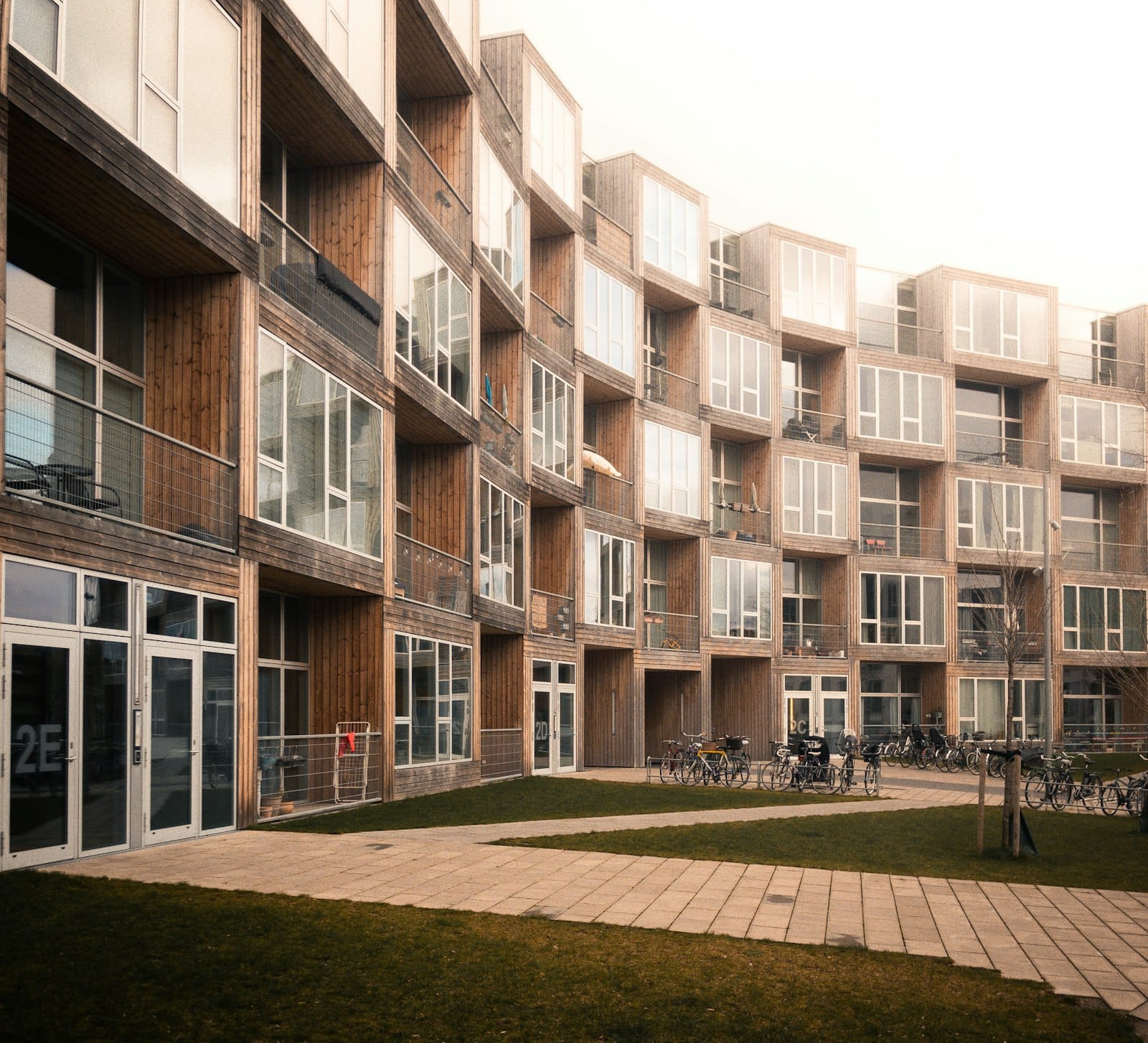
Glass changes everything. A sunroom is built to let light in, which means walls are replaced by windows on two, three, or sometimes all four sides. The result is a room where the actual paintable drywall or solid wall surface is a fraction of what you would find in a bedroom of the same footprint. You are not painting big flat planes. You are painting the slivers of wall between and below the windows, plus the kneewalls under the glass.
Trim is the real workload. Every window has a frame. Every divided-light window has mullions, the thin bars between panes. A sunroom can have dozens of these, and each one needs a careful cut-in with a brush. So while your wall paint volume is tiny, your trim paint and your labor hours climb fast. Many homeowners are surprised that a sunroom uses less wall paint than a closet but takes longer to finish than a bedroom.
Other factors that move the number:
- How much solid wall exists. Some sunrooms have a full drywall back wall shared with the house. Others are nearly all glass with only knee walls.
- Ceiling material. Many sunrooms have a vaulted or paneled ceiling, sometimes wood or beadboard, which changes how much ceiling paint you need and whether it gets painted at all.
- Surface texture. Smooth drywall drinks less paint than the rough wood, aluminum, or vinyl frame stock common in sunroom construction.
- Color change. Going dark over light, or covering old stained wood frames, can force a second or even third coat.
How to measure the paintable area
Walls come from perimeter times height, then you subtract. The standard method is to measure the perimeter of the room (add up all wall lengths) and multiply by the wall height. That gives you gross wall area. In most rooms you then subtract doors and windows. In a sunroom, the subtraction is huge because the windows take up most of the wall.
Walk it like this:
- Measure each solid wall segment individually. Width times height for each chunk of real wall, including kneewalls under the windows. Add them up.
- Subtract the glass. Measure each window opening (width times height) and subtract it. What remains is your true paintable wall area, and in a sunroom it is often only 60 to 120 square feet total.
- Measure the ceiling separately. Length times width of the room footprint for a flat ceiling. For a vaulted or sloped ceiling, measure the sloped planes individually and add them.
- Tally the trim. Count your windows and measure the linear feet of frame and mullion. This is harder to convert to gallons but it tells you whether a quart or two quarts of trim paint is right.
For a deeper walkthrough of the perimeter method that works in any space, see how much paint for a room. The same arithmetic applies, you just subtract a lot more glass here.
Real coverage math
A gallon covers about 350 square feet on smooth, primed drywall. That is the figure to anchor on for one coat. Manufacturers often print 350 to 400 on the can, but real-world coverage runs lower once you account for cut-ins, roller absorption, and uneven surfaces. For planning, use 350 and you will rarely come up short.
Coverage drops on the surfaces common in sunrooms:
- Textured or rough surfaces can pull coverage down to 250 to 300 square feet per gallon because the paint has to fill more surface area.
- Bare or porous wood frames soak up the first coat, sometimes covering only 200 square feet per gallon until they are sealed.
- Dark over light, or bright accent colors, reduce effective coverage because you need more coats to reach full opacity.
For the full breakdown of why the number swings, read the cornerstone guide on how much does a gallon of paint cover. It explains the spread-rate math that every estimate on this site is built on.
How many coats you need
Plan for two coats on walls and trim. Even when the color is similar, two coats give you even sheen and full hide. A single coat almost always shows roller marks, flashing, or patchy spots once the light hits it, and a sunroom is full of light.
You can sometimes get away with one coat when you are repainting the same color over a clean, previously painted, well-sheened surface. But sunroom frames are often bare wood, stained wood, or weathered aluminum, and those nearly always need primer plus two finish coats. For the rules on when one coat is enough, see how many coats of paint do I need.
Worked example: gallons for a real sunroom
Let us paint a 12 by 14 foot sunroom with 8 foot walls, glass on three sides, and a drywall back wall.
Step 1, gross wall area. Perimeter is 12 + 14 + 12 + 14 = 52 feet. Times 8 foot height = 416 square feet gross.
Step 2, subtract the glass. Three of the four walls are mostly windows. Say the windows total 230 square feet of glass. That leaves 416 minus 230 = 186 square feet. But a chunk of that remaining area is window frame and mullion, not flat wall. Strip that out and the true flat paintable wall (the back drywall wall plus kneewalls) is about 110 square feet.
Step 3, walls in gallons. 110 square feet for one coat divided by 350 = 0.31 gallons. For two coats, 220 square feet divided by 350 = 0.63 gallons. So a single gallon of wall paint covers two coats with paint to spare.
Step 4, trim. The window frames and mullions across three glass walls might total 180 to 250 linear feet of narrow surface. Converting that to area is rough, but a single quart of trim enamel covers roughly 90 to 100 square feet, and frame and mullion cut-in on a glassy sunroom commonly takes one to two quarts for two coats. Budget two quarts to be safe.
Step 5, ceiling. A flat 12 by 14 ceiling is 168 square feet. One coat is 0.48 gallons, two coats 0.96 gallons, so one gallon of ceiling paint does it.
Shopping list for this sunroom: 1 gallon wall paint, 1 gallon ceiling paint, 2 quarts trim enamel, plus primer for any bare wood frames. The walls barely dent the gallon, which is exactly the point: in a sunroom the trim, not the wall, is the real paint story.
Primer, trim, and ceiling considerations
Primer is often non-negotiable on sunroom frames. Bare wood, glossy old enamel, stained wood, and weathered aluminum all need a bonding or stain-blocking primer so the topcoat sticks and looks even. A quart of primer usually covers the frames in a small to medium sunroom. To size your primer, see how much primer do I need and, if you are unsure whether you even need it, do I need primer before painting.
Trim deserves its own paint and its own plan. Because the mullion and frame work dominates a sunroom, a dedicated trim or enamel paint in a satin or semi-gloss sheen makes the room look finished and wipes clean. For sizing trim across frames and any baseboards, our guide on how much paint for trim and baseboards walks through the linear-foot math.
Ceilings vary. If your sunroom has a painted drywall ceiling, a flat ceiling paint covers it in two coats from one gallon for most rooms. If it is wood, beadboard, or vaulted, you may be staining or clear-coating instead of painting, which changes the material list entirely.
Buy about 10 percent extra
Round up and add a cushion. Coverage estimates assume ideal conditions. Cut-ins, touch-ups, soaked-up first coats on bare frames, and the inevitable spill mean you should buy about 10 percent more than the math says. In a sunroom the wall volume is so small that you are usually buying a full gallon anyway, which builds the cushion in automatically. The place to add margin is trim: if the math says one quart, buy two, because matching a custom trim color later is a headache.
Tips for buying paint for a glass-heavy room
Match the can size to the surface. Because a sunroom splits into a little wall paint, a little ceiling paint, and a fair amount of trim, you rarely buy more than one gallon of any single product. Buy your wall color in a gallon, your trim enamel in quarts, and your primer in a quart. Buying everything in gallons here just leaves you with mostly full cans you will never use.
Keep a wet edge on the frames. Mullion and frame work is slow, and slow brushing on a hot, sunlit surface can leave lap marks where one section dries before you reach the next. Work in the shade of the day where you can, and do not overload the brush. Less paint per pass on the frames gives a cleaner finish and stretches your quart further.
Protect the glass. Tape and a steady hand around so many panes will save you scraping later, but it does not change how much paint you buy. The volume is set by the solid wall, the frames, and the ceiling, full stop.
How paint quantity ties to cost
Material is only part of the bill. A sunroom proves the point. The paint itself might be one gallon plus a couple of quarts, a modest material cost. But the labor to cut in every mullion and frame can make a sunroom cost more to paint than a larger plain room. So a low gallon count does not mean a low price.
To turn these gallons into a real number, use the paint cost calculator, then compare with the dedicated cost to paint a sunroom guide for typical price ranges. If you also want to know how long the job runs, our how long does it take to paint a sunroom breakdown explains why the trim-heavy nature of the room stretches the timeline.
Frequently asked questions
How much paint do I need for a sunroom?
Most sunrooms need under 1 gallon for the walls because glass replaces most of the wall surface. Plan on about half a gallon for one coat and roughly 1 gallon for two coats of the solid wall area, plus one to two quarts of trim paint for the window frames and mullions.
Why does a sunroom use so little wall paint?
Sunrooms are built around windows, so the paintable drywall or solid wall is just the slivers between and below the glass plus any shared back wall. A 12 by 14 sunroom can have only 100 to 120 square feet of true flat wall, which one gallon covers twice over with room to spare.
Do I need separate trim paint for a sunroom?
Yes. The window frames and mullions are the main painting work in a sunroom, and a dedicated trim or enamel paint in satin or semi-gloss gives a durable, wipeable finish. Budget one to two quarts because the cut-in surface adds up fast across many windows.
Do sunroom window frames need primer?
Usually. Bare wood, stained wood, glossy old enamel, and weathered aluminum all need a bonding or stain-blocking primer so the topcoat adheres and looks even. A single quart of primer typically covers the frames in a small to medium sunroom.
How many coats of paint does a sunroom need?
Plan for two coats on both walls and trim. A sunroom is full of light, which exposes roller marks, flashing, and patchy single coats. Bare or stained frames almost always need primer plus two finish coats for an even result.
Does fewer gallons mean a sunroom is cheap to paint?
No. The paint volume is small, but the labor to cut in every mullion and frame is high, so a sunroom can cost more than a larger plain room. Check the cost to paint a sunroom guide and the cost calculator to turn your gallons into a realistic total.