In this article
About the cost figures on this page
Any cost ranges shown here are illustrative estimates, not a quote. What you actually pay varies widely with your location and local labour rates, the size and condition of the surfaces, access and setup, the products specified, how much prep the job needs, and the time of year. Use these numbers to sanity check a quote you have been given and to understand what drives the total, then get written quotes from local contractors before you budget. You can also build an estimate around your own project with the free calculator.
Quick answer: Painting wood siding costs about $1.50 to $4.50 per square foot in 2026, or roughly $4,000 to $13,000 for a whole-house repaint. Wood is the most prep-intensive siding to paint, since it needs scraping, sanding, priming of bare wood, and caulking, which is why it sits at the higher end of the siding price scale. Costs vary by region and condition.
This guide helps homeowners budget a wood siding repaint. Wood gives the most classic look of any siding, but it also weathers fastest and demands the most preparation, so the cost reflects labor more than materials. To turn the ranges below into a real figure for your house, run it through the painting estimate calculator or request a free painting estimate.
How much it costs to paint wood siding
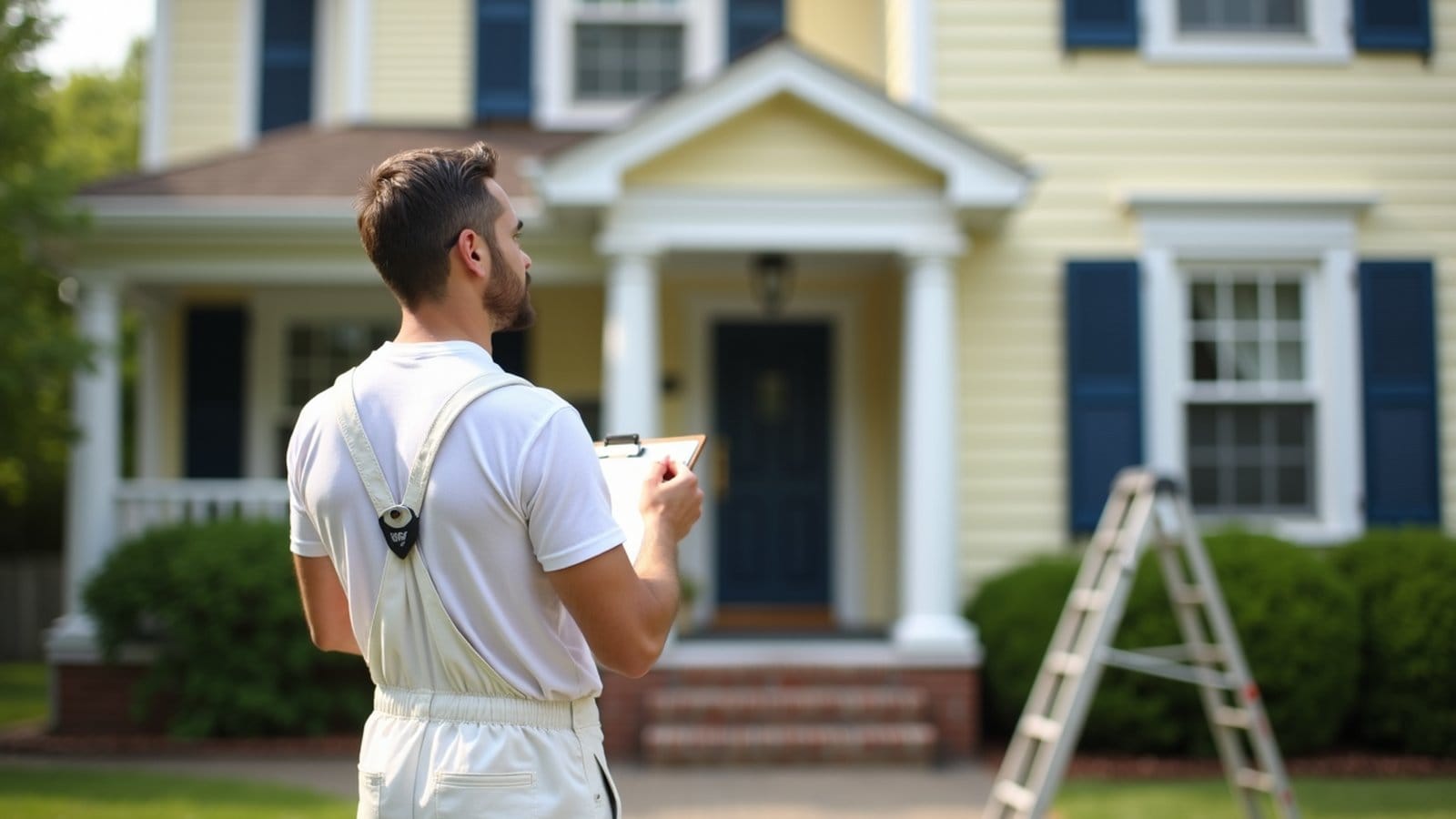
Wood siding cost is driven heavily by condition. The same square footage can swing thousands of dollars depending on how much scraping, sanding, and rot repair the wood needs. Here is the breakdown by home size.
| House size | Low | Average | High | Notes |
|---|---|---|---|---|
| Small (1,000 to 1,500 sq ft) | $4,000 | $5,500 | $7,500 | Single story, sound wood |
| Average (1,500 to 2,500 sq ft) | $5,500 | $8,500 | $11,000 | Two stories, scrape and prime |
| Large (2,500 to 3,500 sq ft) | $8,500 | $11,000 | $13,000 | Heavy prep, rot repair, two coats |
On a per-square-foot basis, plan on about $1.50 to $4.50 per square foot of wall area. The low end is sound, recently painted wood needing light prep and one coat. The high end reflects peeling paint that must be fully scraped and sanded, bare wood that needs priming, rot or knot treatment, and two finish coats. Compare it with the broader cost to paint a house hub to see where wood lands.
What drives the cost
Wood has more cost variables than any other siding because its condition varies so much.
- Prep and condition. This is the dominant cost. Scraping peeling paint, sanding smooth, spot-priming bare wood, treating rot, sealing knots, and caulking gaps can take more time than the painting itself. Sound wood is moderate. Badly weathered wood is expensive.
- Paint type. Wood takes either a quality acrylic latex or, for some applications, an oil or alkyd primer under latex. Bare and patched wood always needs a primer coat, which adds material and labor.
- Surface height and access. Two-story wood with gables, dormers, and detailed trim is slow and ladder-heavy, pushing labor up sharply over a single-story home.
- Number of coats. Bare wood needs primer plus two finish coats for durability. A simple refresh on sound, painted wood may take one coat. The siding profile matters too: board-and-batten and shingles have more surface and edges to coat than smooth lap siding.
- Labor versus materials. Labor is by far the larger share on wood, often 75 to 85 percent, because the prep is so intensive.
- Regional rates. Local painter rates swing the total significantly between high and low-cost regions.
Cost breakdown: labor versus materials
Wood is the most labor-dominated siding repaint, typically about 75 to 85 percent labor and only 15 to 25 percent materials, because scraping, sanding, priming, and caulking consume so many hours.
In per-square-foot terms, materials (primer, quality exterior paint, caulk, filler, sandpaper) run about $0.40 to $0.80 per square foot. Labor makes up the rest, roughly $1.10 to $3.70 per square foot depending on how much prep the wood demands. On an average $8,500 job, materials might be around $1,500 to $2,000 with the remainder in labor. Because bare wood drinks paint, double-check your gallons with how much paint for a house exterior.
Why wood is the most prep-heavy siding
This is what makes wood different from vinyl and aluminum. Wood moves with moisture, weathers in sunlight, and lets old paint fail by peeling and flaking. You cannot simply wash and paint, the way you often can with vinyl. The surface has to be rebuilt to a sound, smooth, sealed state first.
- Scrape and sand thoroughly. All loose and peeling paint must be scraped off, and the edges feathered smooth by sanding, or the new paint telegraphs every old flake and fails early. This is the single most time-consuming step.
- Prime all bare wood. Wherever scraping exposes raw wood, it must be spot-primed before topcoats. Bare wood left unprimed soaks up paint unevenly and peels. A quality oil, alkyd, or bonding latex primer seals it.
- Treat rot, knots, and gaps. Soft or rotted boards need repair or replacement before painting. Knots should be sealed with a stain-blocking primer so they do not bleed through. Gaps and seams get caulked so water stays out.
- Choose the paint for the job. Many pros prime with oil or alkyd for adhesion on weathered wood, then topcoat with flexible 100 percent acrylic latex that expands and contracts with the boards. Wood has no color limits the way vinyl does.
Because wood weathers faster, it also needs repainting sooner than vinyl or aluminum, which is part of its long-term cost. The siding profile changes the labor too: smooth lap siding is quickest, while board-and-batten, shingles, and shakes have more edges and surface area to cover. If you are comparing lower-prep options, see the cost to paint vinyl siding and cost to paint aluminum siding guides, or the masonry route in cost to paint a brick house.
DIY vs hiring a pro
Wood is the hardest siding to DIY well, precisely because the prep makes or breaks it. The painting is easy. The scraping, sanding, and priming are the real job, and they are exhausting on a multi-story home.
| Approach | Typical cost (average home) | What you get |
|---|---|---|
| DIY, materials only | $800 to $1,800 | Primer, paint, caulk, filler, sandpaper, scrapers, washer rental |
| Pro, all-in | $5,500 to $11,000 | Scrape, sand, prime, caulk, two coats, labor, cleanup |
For a single-story home with sound wood, a patient DIYer can do it and save a lot, though it is a serious time commitment. For a two-story home, or any house with widespread peeling and rot, the prep workload plus the ladder risk pushes most homeowners to hire out. A pro brings the labor and equipment to handle the scraping and high-wall work that wears down a weekend painter fast.
A worked cost example
Consider an average two-story home with about 2,000 square feet of paintable wood lap siding. The paint is peeling in patches, so the job needs full scraping, sanding, spot-priming of bare wood, caulking, and two finish coats.
At a mid-range $3.50 per square foot reflecting the heavy prep, that is 2,000 times $3.50, or about $7,000 for a professional job. Materials (primer, two-coat paint, caulk, sandpaper) run around $1,500, with the remaining $5,500 going to the labor-intensive prep and application. If the wood also had several rotted boards needing replacement, add a few hundred to a thousand dollars in carpentry. A DIY version would cost roughly $1,000 to $1,500 in materials plus many weekends of scraping and ladder work.
How painters estimate the cost
Painters price wood by the square foot of wall area, but they weight prep heavily because it varies so much. They inspect the siding, measure the walls, deduct openings, and apply a per-square-foot rate that climbs with the condition and the number of coats. The square-foot framework is explained in how to price painting jobs per square foot.
That is the homeowner side, what you should budget. If you are quoting wood as a contractor, the companion guide is how much to charge to paint a house exterior, which builds the number from prep hours, production rates, and overhead, with prep weighted especially high for wood. Since wood weathers faster than other siding, the how long exterior paint lasts guide helps set expectations for the repaint cycle.
How to keep the cost down without cutting corners
Wood is the siding where cutting corners hurts the most, because skimped prep shows up as peeling within a season. That said, there are legitimate ways to lower the bill that do not compromise the finish, mostly by reducing the prep burden over time and doing the unskilled work yourself.
- Do not let it get to bare wood. The cheapest wood paint job is the one done before the old coat fails completely. Repainting sound, lightly weathered wood needs far less scraping than waiting until it is peeling to bare board. Staying ahead of the cycle is the single biggest long-term saving.
- Handle the washing and light scraping yourself. The grunt work of washing and knocking off the obvious loose paint is unskilled labor you can do over a few weekends. Leaving the skilled feathering, priming, and application to a pro still saves real money.
- Replace bad boards early. A few rotted boards found mid-job become a change order. Spot them and swap them during prep, or even before the crew arrives, so the painters are pricing a sound surface, not discovering problems.
- Match the paint system to the wood. A quality primer plus a flexible acrylic topcoat costs more upfront but stretches the repaint interval, lowering your cost per year. Cheap paint on wood fails fast and you pay for the whole prep again sooner.
- Get multiple quotes and read the prep scope. On wood, the difference between bids is almost entirely how much prep each includes. The cheapest quote usually means the least scraping and priming, which is exactly what makes wood paint last. Compare the prep, not just the total.
The one thing never to economize on with wood is the preparation. Scraping, sanding, and priming bare wood are what separate a finish that lasts years from one that peels by next summer. Save by staying ahead of the repaint cycle and doing the unskilled labor yourself, and spend on thorough prep and a quality flexible paint. For how the seasons affect a wood repaint and its cure, see the best time of year to paint a house exterior.
Ready to price your wood siding? Use the painting estimate calculator for a fast estimate, or request a free painting estimate. Wood rewards thorough prep with a beautiful finish, so understanding why the prep costs what it does helps you choose quality over the cheapest bid.
Frequently asked questions
Why does painting wood siding cost more than vinyl?
Because wood needs far more preparation. Scraping peeling paint, sanding smooth, priming bare wood, treating rot and knots, and caulking can take more time than the painting itself. Vinyl usually just needs washing. That prep labor is why wood sits at the higher end of the siding price scale, around $1.50 to $4.50 per square foot.
How much does it cost to paint wood siding per square foot?
Plan on about $1.50 to $4.50 per square foot of wall area in 2026. Sound, recently painted wood needing light prep and one coat sits at the low end. Heavily weathered wood that must be fully scraped, sanded, primed, and given two coats lands at the high end. Condition is the single biggest variable.
Do you have to prime wood siding before painting?
You must prime any bare wood exposed by scraping or repairs, and it is wise to prime knots with a stain-blocking primer so they do not bleed through. Sound, previously painted wood in good condition can sometimes take topcoats directly. Skipping primer on bare wood leads to uneven absorption and early peeling.
How often does wood siding need repainting?
Wood typically needs repainting every 5 to 8 years, sooner than vinyl or aluminum, because it weathers and lets paint peel as the boards move with moisture. Sun-exposed and weather-facing walls fail first. Thorough prep and a quality flexible acrylic topcoat extend the interval, but wood is inherently a higher-maintenance siding.
Is it worth painting old wood siding instead of replacing it?
Usually yes, if the wood is structurally sound. Painting is far cheaper than replacement and preserves the original character of the home. Replacement only makes sense when widespread rot, splitting, or insect damage means the boards themselves are failing. Spot-replacing a few bad boards during prep is common and far cheaper than residing.
Quoting it as a painter? See how much to charge to paint wood siding.
Planning the schedule too? See how long it takes to paint wood siding.
Buying the paint yourself? See how much paint you need for wood siding.
Stripping failing paint before you repaint? See how to remove paint from wood.
Picking the paint? See the best paint for wood siding and the primer that makes it last.
Doing it yourself instead? See how to paint wood siding, which covers why wood is the highest-prep siding there is and the grey weathered fibres that have to come off before anything will stick.