
In this article
About the cost figures on this page
Any cost ranges shown here are illustrative estimates, not a quote. What you actually pay varies widely with your location and local labour rates, the size and condition of the surfaces, access and setup, the products specified, how much prep the job needs, and the time of year. Use these numbers to sanity check a quote you have been given and to understand what drives the total, then get written quotes from local contractors before you budget. You can also build an estimate around your own project with the free calculator.
Quick answer: In 2026, most US painters charge $2.00 to $5.00 per square foot to paint wood siding, putting a typical house in the $4,500 to $14,000 range. Wood is the most labor-intensive exterior to quote because the prep is enormous: scrape, sand, prime bare wood, treat rot, and caulk before any finish coat. Price those prep hours generously, because on wood the prep is two-thirds of the job.
This guide is for the contractor building the bid, not the homeowner paying it. To turn a measured house into a number fast, use the painting estimate calculator or build a clean free painting estimate. Below is how the price comes together so your wood quotes stay profitable on a surface that punishes anyone who underprices the prep.
How much to charge to paint wood siding
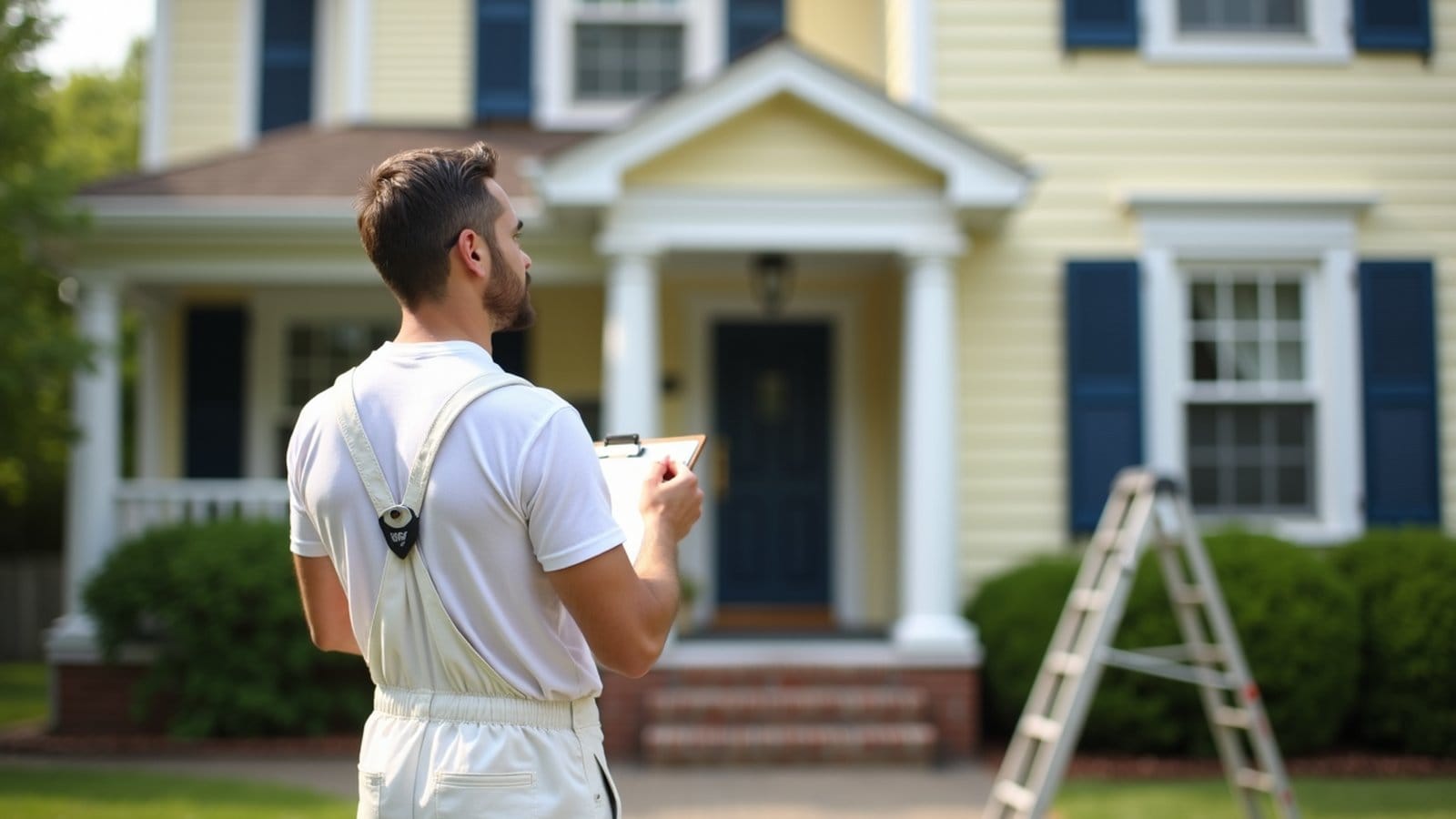
Wood has the widest pricing spread of any siding because its condition varies so much. Sound, recently painted wood prices near vinyl. Old, peeling, weathered clapboard with rot is a different animal. Here is a realistic 2026 grid.
| House size and condition | Per sq ft (low to high) | Typical job total | Notes |
|---|---|---|---|
| Small, sound wood (1,000 to 1,400 sq ft) | $2.00 to $3.25 | $4,500 to $7,000 | Light scrape, spot-prime |
| Average two-story (1,500 to 2,200 sq ft) | $2.75 to $4.25 | $7,000 to $11,000 | Scrape, sand, caulk, prime |
| Large or weathered (2,500 sq ft and up) | $3.50 to $5.00 | $10,000 to $14,000 | Heavy prep, rot repair |
| Peeling, bare, or rot-damaged | $4.00 to $5.00 | Add 20 to 40 percent | Full strip, prime, replace boards |
That rate is per square foot of wall surface. Measure the planes and bill what you coat. For the method, see how to price painting jobs per square foot. To frame your bid against what the customer expects, cost to paint wood siding shows what homeowners budget, so you can land inside that range while still pricing the prep that wood demands.
Three ways to price it
Wood is the surface where the pricing method matters most, because the prep is so unpredictable.
- Per square foot. Only safe on sound, well-maintained wood where the prep is light and known. On weathered wood, a flat per-foot rate is a gamble, because you cannot see how much scraping you are signing up for.
- Per hour. The right method for any wood with peeling, bare spots, or suspected rot. Quote $40 to $75 per painter-hour plus materials, because the scrape-and-prime time is genuinely open-ended until you are into it.
- Flat rate. What the customer signs, calculated per hour or per foot internally. On heavy-prep wood, consider quoting prep on a time-and-materials basis and the finish coats flat, so a surprise rot pocket does not eat your fixed price.
For wood, the per-hour method or a hybrid is your friend. Lock in a flat finish-coat price, but keep the prep flexible enough that you are not eating the cost of someone else’s deferred maintenance.
The bottom-up formula
Wood quotes live or die on the labor-hours line, so build from the bottom up and weight the prep heavily.
Quote = (labor hours x crew rate) + materials + materials markup + overhead + profit margin
- Labor hours. The big one on wood. Scrape, sand, prime bare wood, treat or replace rot, caulk every joint, then two finish coats. Prep can be twice the coating time.
- Crew rate. Your loaded hourly cost per painter, insurance and taxes included.
- Materials. Quality exterior acrylic, a stain-blocking and wood primer, caulk, wood filler, and possibly replacement boards.
- Materials markup. Mark up 15 to 30 percent. See painting contractor markup percentage.
- Overhead. Truck, insurance, software, office time across the job.
- Profit margin. What survives after costs. Protect it with a target from your painting business profit margin.
On wood, if your labor-hours estimate is light, the whole quote is wrong. Walk the house, probe for soft spots, and price the prep you actually see, not the prep you hope for.
What makes wood siding different to quote
Wood is the most demanding exterior, and three realities drive the price.
The prep is the job. Unlike vinyl or aluminum, wood needs hands-on prep across every board: scraping loose and peeling paint, sanding feathered edges smooth, spot-priming or fully priming bare wood, and caulking every seam, joint, and nail hole. On a weathered house this can be 50 to 70 percent of the total labor. Price the prep hours generously, because underestimating them is the single most common way painters lose money on wood. When you walk the house, count peeling areas and bare spots, do not eyeball a flat number.
Rot and moisture damage have to be priced separately. Wood rots. Soft sills, punky trim, and water-damaged boards need filling or replacing before paint, and you often cannot see the full extent until you start scraping. Either carry a rot-repair allowance in the bid, or quote that work on time and materials. Painting over rot is worthless: it fails fast and the callback is yours. Make the rot conversation part of the quote, not a surprise.
Wood repaints sooner, and the customer should know. Tell the homeowner, in writing, that wood typically needs repainting every 5 to 7 years, sooner than vinyl or aluminum, because it moves, checks, and weathers. This is not a negative selling point, it is honesty that protects you. A customer who expects a 10-year finish on wood and gets 6 will call it a failure. Set the expectation in the quote and the next repaint is a returning customer, not a complaint.
A worked quote example
Run the numbers on an average two-story house with about 2,400 square feet of wood clapboard, moderate peeling, some bare spots, light rot at two sills, two finish coats.
- Labor. Two finish coats at 200 square feet per painter-hour is about 24 hours. But scrape, sand, caulk, and spot-prime add roughly 40 hours, plus 6 hours of rot repair. Call it 70 crew-hours. At $55 per hour loaded, that is $3,850.
- Materials. Wood primer, 16 gallons of acrylic exterior paint, caulk, filler, two replacement boards, and supplies, about $1,050.
- Materials markup. 20 percent on $1,050 is $210.
- Overhead. Allocate $450 to this job.
- Subtotal. $3,850 + $1,050 + $210 + $450 = $5,560.
- Profit margin. Add 25 percent: $5,560 divided by 0.75 is about $7,415.
So you quote roughly $7,400, which on 2,400 square feet is about $3.08 per square foot. Look at the labor: nearly two-thirds of it is prep, which is exactly why wood prices so much higher than vinyl. Price that prep and you profit. Lowball it and you donate your weekend. For the full workflow, see how to estimate exterior painting.
Do not underbid
Wood is where optimistic estimating goes to die. Here are the margin-killers.
- Underpricing the scrape and sand. The classic wood mistake. Peeling paint takes far longer to prep than it looks. Estimate generously, and consider time and materials on heavy peeling.
- Missing hidden rot. You cannot always see rot until you scrape. Carry an allowance or quote rot on T and M, or it comes straight out of your margin.
- Skipping primer on bare wood. Bare wood drinks paint and bleeds tannins. No primer means a blotchy finish and early failure. Spec and price it.
- Setting a false durability expectation. Promise a 10-year finish on wood and you own the repaint at year 6. Tell the truth about 5 to 7 years in writing.
- Pricing against a painter who skips prep. Someone will always quote wood like it is vinyl. Their job fails fast. Your customer reading cost to paint wood siding already expects a real range, so sell the prep.
On wood, the prep is the entire margin. Price scraping, priming, caulking, and rot like the load-bearing labor they are, and a surface that bankrupts careless painters becomes a reliable, profitable job for you.
Regional and condition factors that move your rate
The grid above is a starting point. With wood more than any other surface, the final number depends on what you find when you walk the house, plus where that house is. Check these before you quote.
- Region and local labor cost. Your loaded crew rate drives the per-foot price, and that rate varies widely by market. The same wood house can quote $2.75 per square foot in a low-cost rural area and $4.50 in a high-cost metro. Price to your own costs and overhead, never to a national average that ignores your wages and insurance.
- Condition is the single biggest variable. Sound, recently painted wood prices near the bottom of the range. Peeling, alligatored, sun-bleached, or rot-pocked wood can double the prep hours. Always price from a hands-on inspection where you push on suspect boards, not from a glance at the curb.
- Lead-paint considerations on older homes. On houses built before 1978, disturbing old paint can trigger lead-safe work rules that add containment, testing, and disposal cost. If you suspect lead, price the compliant process and disclose it, because cutting that corner is both a liability and a health risk.
- Two-story and detailed trim. Wood houses often carry decorative trim, soffits, fascia, and railings that each need their own scrape, prime, and brushwork. Tall walls add ladder time. Both belong in your labor hours, not buried in a flat siding rate.
- Spray versus brush and roll. Where back-brushing into the wood is needed for adhesion, the job is slower than a simple spray pass. Price the technique the surface actually requires for a durable bond, not the fastest method that looks good for a season.
The takeaway with wood is to never quote sight unseen. Walk every elevation, probe for soft wood, count the peeling areas, and check the age of the home before you commit to a number. The prep you miss on the walk is the prep that eats your margin on the job. For the structured walk-around, see how to estimate exterior painting.
Ready to price your next wood job? Size it with the painting estimate calculator, or build a clean free painting estimate for the customer. For how it fits a whole-house bid, see how much to charge to paint a house exterior, and compare rates against vinyl siding, aluminum siding, and a brick house.
Stop rebuilding this quote from scratch every time.
PaintPricing turns the numbers you just worked out into a clean, branded quote in minutes, so you can send it before your competitor calls back. Free for your first 3 quotes, no card required.
Frequently asked questions
How much should I charge per square foot to paint wood siding?
Most painters charge $2.00 to $5.00 per square foot of wall surface to paint wood in 2026. The wide spread reflects condition: sound, recently painted wood prices near the low end, while weathered, peeling, or rot-damaged siding pushes to the top because of the heavy scrape, sand, and prime labor. On anything but pristine wood, price per hour or carry a generous prep allowance.
What is a typical total to paint a wood-sided house?
A typical wood repaint runs $4,500 to $14,000. Small sound houses land near $4,500 to $7,000, average two-story homes around $7,000 to $11,000, and large or heavily weathered houses can reach $14,000. Prep condition is the biggest variable: scraping, priming bare wood, and rot repair can be more than half the total labor on an older home.
Why is wood siding the most expensive to paint?
Because the prep is enormous. Wood needs scraping, sanding, spot or full priming of bare areas, caulking every joint, and treating or replacing rot before any finish coat goes on. That prep can be 50 to 70 percent of the labor on a weathered house, far more than the light wash vinyl or aluminum needs, which is why wood quotes the highest per square foot.
How do I handle rot when quoting a wood siding job?
Carry a rot-repair allowance in the bid or quote that work on time and materials, because you often cannot see the full extent until you start scraping. Painting over rot is pointless: it fails fast and the callback is yours. Make the rot conversation part of the quote so the customer understands that soft or damaged boards must be repaired or replaced before painting.
How often does wood siding need repainting, and should I tell the customer?
Wood typically needs repainting every 5 to 7 years, sooner than vinyl or aluminum, because it moves, checks, and weathers. Put that in the quote in writing. A customer who expects a decade and gets six years will call it a failure, while one who knows the real lifespan becomes a repeat client. Honest expectations protect both your reputation and your margin.
Scheduling the crew? See how long it takes to paint wood siding.
Still estimating in a spreadsheet? Compare the best painting estimate software.