In this article
About the cost figures on this page
Any cost ranges shown here are illustrative estimates, not a quote. What you actually pay varies widely with your location and local labour rates, the size and condition of the surfaces, access and setup, the products specified, how much prep the job needs, and the time of year. Use these numbers to sanity check a quote you have been given and to understand what drives the total, then get written quotes from local contractors before you budget. You can also build an estimate around your own project with the free calculator.
Quick answer: In 2026, most US painters charge $1.75 to $5.00 per square foot to paint a brick house, putting a typical home in the $8,000 to $22,000 range. The totals run high because brick has a huge surface area, it drinks masonry primer and breathable paint, and it usually needs a primer plus two coats. And remember: painting brick is essentially permanent, so quote it with the gravity of a one-way decision, never as a cheap job you can redo.
This guide is for the contractor writing the bid, not the homeowner paying it. To turn a measured house into a number, use the painting estimate calculator or build a clean free painting estimate. Below is how the price comes together so your brick quotes cover the materials, the labor, and the weight of a finish that cannot be undone.
How much to charge to paint a brick house
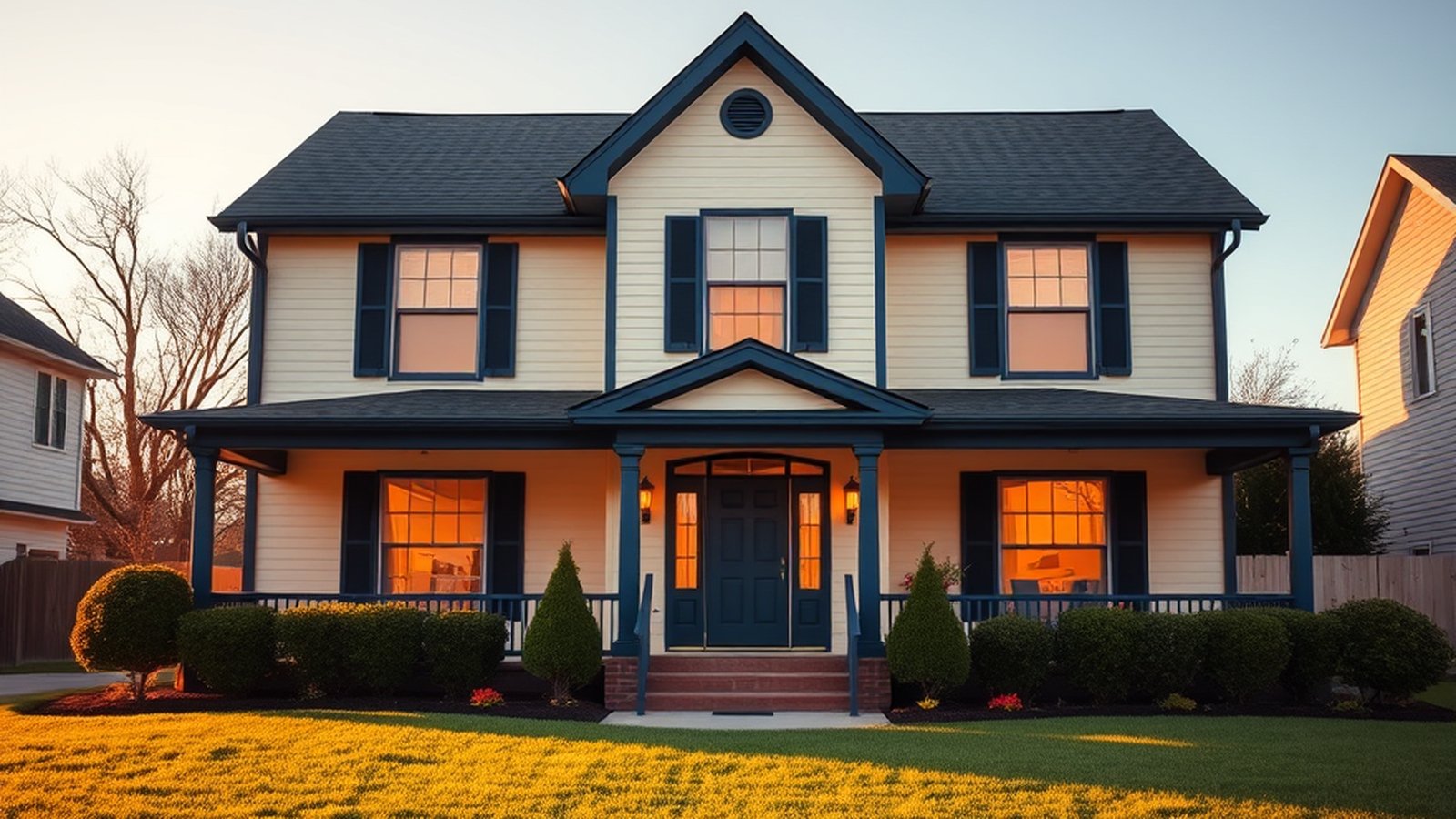
Brick is priced per square foot like other exteriors, but two things push the total up: the sheer wall area of a fully masonry house, and the breathable masonry coatings that cost more and go on thicker. Here is a realistic 2026 grid.
| House size | Per sq ft (low to high) | Typical job total | Notes |
|---|---|---|---|
| Small single-story brick (1,200 to 1,600 sq ft) | $1.75 to $3.00 | $8,000 to $11,000 | Primer plus two coats |
| Average two-story brick (1,800 to 2,500 sq ft) | $2.50 to $4.00 | $12,000 to $17,000 | Large surface, more access |
| Large or detailed brick (2,800 sq ft and up) | $3.50 to $5.00 | $17,000 to $22,000 | High walls, heavy texture |
| Elastomeric or sealed system | $4.00 to $5.00 | Add 15 to 25 percent | Thick coating, extra material |
That rate is per square foot of brick surface. Brick texture drinks more coating than flat siding, so your material take is higher per foot. For the pricing method, see how to price painting jobs per square foot. To frame your bid against the customer’s budget, cost to paint a brick house shows what homeowners expect to pay, so you can position a quote that covers the real masonry materials.
Three ways to price it
Brick is large and material-heavy, so the pricing method should reflect both.
- Per square foot. The standard for brick because the surface is large and consistent. Measure the wall planes, choose a rate that reflects the texture and coating system, and multiply. Use a higher per-foot rate than you would for flat siding to cover the extra paint the texture absorbs.
- Per hour. Useful when prep is uncertain: failing old paint to remove, efflorescence, or mortar repointing. Quote $40 to $75 per painter-hour plus materials so the prep does not break a fixed price.
- Flat rate. What the customer signs. Calculate per foot internally, then present one number with the coating system spelled out. On a permanent job like brick, make the value visible: breathable paint, primer, and two coats.
Most painters price brick per square foot with a texture and material premium baked in, then deliver a flat number. The big total means the customer wants a clear, confident single price they can trust.
The bottom-up formula
Brick carries the highest totals of any exterior, so a sloppy estimate is an expensive mistake. Build from the bottom up.
Quote = (labor hours x crew rate) + materials + materials markup + overhead + profit margin
- Labor hours. From production rates, adjusted up for texture, which slows the roller and brush. Wash, prime, and two coats over a big surface.
- Crew rate. Your loaded hourly cost per painter, insurance and taxes included.
- Materials. Masonry primer and breathable or elastomeric masonry paint, which cost more and cover less per gallon on textured brick. This is a heavy materials line.
- Materials markup. Mark up 15 to 30 percent. On a paint-heavy job like brick, this markup matters. See painting contractor markup percentage.
- Overhead. Truck, insurance, software, office time across the job.
- Profit margin. What survives after costs. On a $15,000 job, a thin margin is a lot of risk for little reward. Protect it with a target from your painting business profit margin.
On brick, both the materials line and the labor line are large, so get the surface measurement and the coating spec right before you commit to a number.
What makes a brick house different to quote
Brick is unlike any other exterior, and four realities drive the price and the conversation.
The surface area is huge, and that drives the total. A full-masonry house is often all brick from foundation to roofline, so the wall area is larger than a comparable sided home with gable ends and trim breaking it up. Measure carefully, because a small error on a big surface is a big dollar error. The size of the surface is the main reason brick totals start at $8,000 and run past $20,000.
You must use breathable masonry or elastomeric paint. Brick holds moisture and needs to breathe. Trap that moisture under the wrong coating and you get blistering and spalling. Spec a breathable masonry paint, or an elastomeric system where the situation calls for it, over a masonry primer. These coatings cost more and cover fewer square feet per gallon than ordinary exterior paint, so your materials take is high. Price the real product, because the wrong cheap paint on brick fails dramatically.
Plan on primer plus two coats. Bare or previously unpainted brick is porous and pulls coating into the surface, so a masonry primer plus two finish coats is the norm, not the exception. Quote three passes over a large textured surface and you can see why the labor adds up. Do not quote one-coat coverage on brick to look cheap, because it will not cover and you will be back applying the coat you should have billed.
It is permanent, so quote it with that gravity. This is the most important point. Once brick is painted, it is effectively painted forever: stripping it is brutally expensive and often damages the brick, and the masonry will need repainting every 7 to 10 years from then on. There is no cheap re-do. Make sure the customer understands this is a one-way decision, and price the job to be done right the first time. Quoting brick like a disposable repaint, with thin paint and one coat, sets up a failure on a surface that gives you no easy second chance.
A worked quote example
Run the numbers on an average two-story full-brick house with about 3,200 square feet of brick surface, previously unpainted, masonry primer plus two coats of breathable masonry paint.
- Labor. A masonry primer plus two coats over textured brick, at a slowed rate of about 150 square feet per painter-hour per pass, is roughly 64 hours, plus 10 hours of wash and masking. Call it 74 crew-hours. At $55 per hour loaded, that is $4,070.
- Materials. Masonry primer and breathable paint, which cover less per gallon on brick, call it 30 gallons across primer and finish plus supplies, about $1,900.
- Materials markup. 20 percent on $1,900 is $380.
- Overhead. Allocate $600 to this larger job.
- Subtotal. $4,070 + $1,900 + $380 + $600 = $6,950.
- Profit margin. Add 25 percent: $6,950 divided by 0.75 is about $9,265.
So you quote roughly $9,300, which on 3,200 square feet is about $2.91 per square foot. Notice how large both the materials and the labor lines are, because of the textured surface and the three-pass coating system. That is why brick totals dwarf siding jobs. For the full method, see how to estimate exterior painting.
Do not underbid
Brick carries the biggest totals and the highest stakes, so the margin-killers hurt more here.
- Underbuying the coating. Textured brick drinks paint. Estimate gallons on the high side, because running short mid-job and the wrong dye lot on a second batch is a visible disaster.
- Speccing the wrong paint. Non-breathable coating traps moisture and causes spalling. Use the right masonry or elastomeric system and price it, never the cheap exterior paint.
- Quoting one coat. Porous brick needs primer plus two coats. One-coat bids do not cover and you eat the second coat you should have billed.
- Treating it as redoable. Painting brick is permanent. There is no cheap fix later, so price to do it right once. A failure on brick is not a touch-up, it is a problem with no clean reversal.
- Missing the surface area. Full-brick houses have more wall than sided ones. Measure carefully, because an undercount on a big surface is a large lost number.
On brick the totals are large and the decision is permanent. Measure the surface honestly, spec the right breathable system, price primer plus two coats, and you turn a high-stakes job into a high-value, high-margin one.
Regional and access factors that move your rate
The grid above is a starting point, and on a job this large the modifiers matter in real dollars. A few factors can swing a brick quote by thousands, so account for them before you send the number.
- Region and local labor cost. Your loaded crew rate drives a job that is mostly labor and material, and that rate varies sharply by market. The same brick house might quote $2.50 per square foot in a low-cost area and $4.50 in a high-cost metro. Price to your own costs, because a thin per-foot rate on a 3,000-square-foot surface leaves real money on the table.
- Surface condition and existing coating. Bare, never-painted brick needs full priming. Previously painted brick with a failing coating needs that old paint addressed first, which can mean scraping, washing, or a bonding primer. Walk the house and price the condition you see, because failing old paint under your new coat means your coat fails too.
- Texture and mortar profile. Heavily textured brick and deep, raked mortar joints drink far more coating and slow every pass. A smooth modern brick covers faster than rough, irregular older masonry. Adjust both your gallon count and your labor hours for the texture in front of you.
- Repointing and efflorescence. Crumbling mortar must be repointed, and efflorescence, the white mineral salt that pushes through brick, must be cleaned and the moisture source addressed before painting. These are separate line items, often best quoted on time and materials, and they are not optional if you want the finish to hold.
- Height and access. Two-story and detailed brick homes mean ladder and scaffold time, plus careful work around brick detailing, lintels, and trim. On a large surface that access time adds up fast, so build it into the hours.
Because brick carries the highest totals and is permanent, the walk-around is non-negotiable. Measure every elevation, check the mortar and existing coating, note the texture and access, and price what you find. A careful estimate on brick protects a large number, and a permanent decision deserves that care. For the structured walk, see how to estimate exterior painting.
Ready to price your next brick job? Size it with the painting estimate calculator, or build a clean free painting estimate for the customer. For how it fits a whole-house bid, see how much to charge to paint a house exterior, and compare rates against vinyl siding, aluminum siding, and wood siding.
Stop rebuilding this quote from scratch every time.
PaintPricing turns the numbers you just worked out into a clean, branded quote in minutes, so you can send it before your competitor calls back. Free for your first 3 quotes, no card required.
Frequently asked questions
How much should I charge per square foot to paint a brick house?
Most painters charge $1.75 to $5.00 per square foot of brick surface in 2026. The rate runs higher than flat siding because textured brick absorbs more coating and usually needs a masonry primer plus two coats. Small accessible houses sit low, while large two-story homes with heavy texture or an elastomeric system push to the top. Use a higher per-foot rate than you would for vinyl to cover the extra paint.
What is a typical total to paint a brick house?
A typical brick repaint runs $8,000 to $22,000. A small single-story lands near $8,000 to $11,000, an average two-story around $12,000 to $17,000, and a large or detailed home can reach $22,000. The totals are high because full-brick houses have a large wall area, the masonry coatings cost more, and the job needs a primer plus two coats.
Why is painting a brick house so expensive?
Three reasons: the surface area of a full-masonry house is large, breathable masonry and elastomeric paints cost more and cover fewer square feet per gallon, and porous brick needs a primer plus two finish coats. All three stack up, so brick carries the highest per-job totals of any common exterior surface. The texture also slows the crew, adding to the labor line.
What kind of paint should I quote for brick?
Quote a breathable masonry paint, or an elastomeric system where conditions call for it, over a masonry primer. Brick holds moisture and must breathe, so a non-breathable coating traps water and causes blistering and spalling. These products cost more, so build them into the materials line and mark them up. Never substitute cheap exterior paint to win the bid, because it fails dramatically on masonry.
Should I warn the customer that painting brick is permanent?
Yes, and put it in writing. Once brick is painted, stripping it is extremely expensive and can damage the masonry, so it is effectively a one-way decision that commits the homeowner to repainting every 7 to 10 years. Make sure they understand this before signing, and price the job to be done right the first time, because there is no cheap re-do on a painted brick surface.
Scheduling the crew? See how long it takes to paint a brick house.
Ready to automate your estimates? See painting estimate apps compared.