In this article
- How long does it take to paint a brick house
- Working time vs calendar time
- What drives the timeline
- What makes a brick house different on the clock
- A realistic timeline example
- Why texture and area set the brick clock
- DIY vs hiring a pro: the timeline difference
- Factors that change the timeline
- Frequently asked questions
Quick answer: Painting a brick house takes a pro crew about 5 to 8 working days of hands-on labor, which spreads to roughly 1 to 2 weeks start to finish once you add a masonry primer coat, two finish coats, and the slow going across textured brick. The surface area is large, the texture eats time on every pass, and because painting brick is a permanent commitment, nobody rushes it.
Whether you are a homeowner planning the project or a painter scoping the week, the brick timeline is driven by area and texture rather than heavy prep. There is no scraping a wood house, but there is a lot of surface to cover, deep texture that slows the roller, and a masonry primer that is not optional. Below we break the timeline down by house size, explain working days versus calendar days, and walk one project through day by day. Start with a number from the painting estimate calculator or a free painting estimate, then use this timeline to sanity check the schedule you are quoted.
How long does it take to paint a brick house
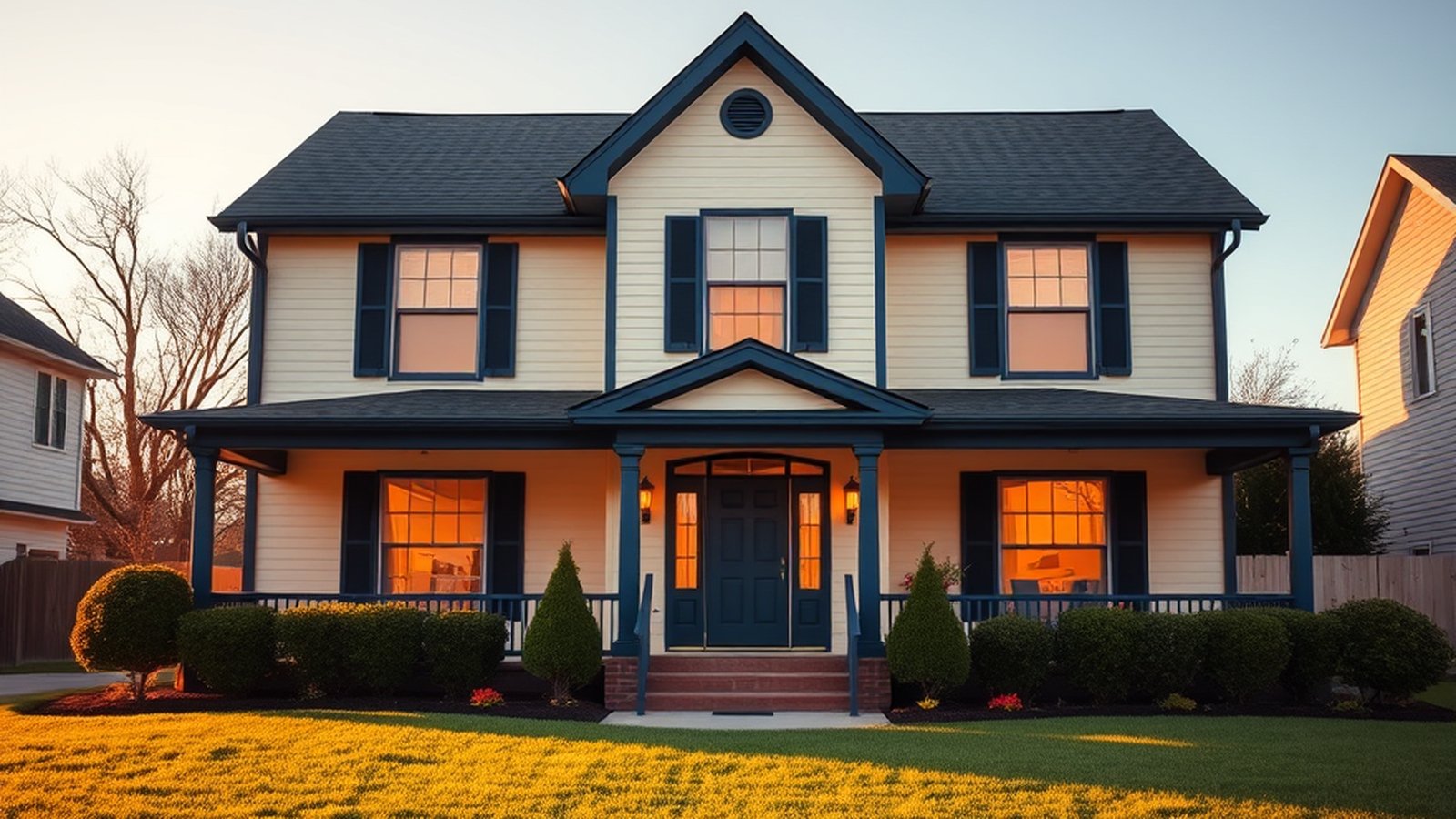
Brick is a big-surface, high-texture job. It does not rot or peel like wood, but the rough face of the brick and the recessed mortar joints slow every coat, and the masonry primer plus two finish coats means three full passes over a large area. The table assumes good weather and a two to three person crew in 2026.
| House size | Working time | Total calendar time | Notes |
|---|---|---|---|
| Small brick home (1,200 to 1,600 sq ft) | 5 working days | 6 to 8 days | Primer plus two coats over textured face. |
| Average brick two-story (2,000 to 2,600 sq ft) | 6 to 7 working days | 1 to 1.5 weeks | Three passes over a large area. |
| Large brick two-story (3,000 to 4,000 sq ft) | 7 to 8 working days | 1.5 to 2 weeks | Heavy area, slow textured rolling. |
| Rough or split-face brick | add 1 to 2 days | add a few days | Deeper texture means slower coverage per coat. |
Working time vs calendar time
Working time is the count of days the crew is on the house with tools in hand. Calendar time is the full stretch from the first wash to final cleanup, including the overnights when the masonry primer or a finish coat is drying and nobody is working.
Brick adds its calendar gap through a stacked coat schedule over a slow surface. The wash has to dry, the masonry primer needs a full dry window before the first finish coat, and the two finish coats each need their own wait. That is three coats plus the wash, each with drying time, and each pass takes longer than it would on a smooth wall because the texture forces the crew to work paint into every pit and mortar line. So a crew can finish six or seven working days of labor while the calendar runs a week and a half. Because painting brick is permanent and nearly impossible to reverse cleanly, crews also refuse to rush the dry windows, which keeps the calendar honest. When a contractor quotes brick, confirm whether the number is working days and how many coats it includes.
What drives the timeline
Painters estimate brick from production rates that are slower than smooth siding, then add the fixed drying waits for the primer and each coat:
- Wash and dry: Clean off dirt, efflorescence, and any loose material, then let the porous masonry dry fully, which takes longer than a smooth surface.
- Prep and protect: Mask windows, doors, and trim, and patch any cracked mortar or spalled brick before coating.
- Masonry primer: A dedicated masonry or brick primer seals the porous surface and gives the topcoat something to grip. This pass is not optional on bare brick.
- Prime dry window: A full wait before the first finish coat, set by the primer sheet.
- First finish coat: Roll and brush into the texture and mortar joints, the slowest single pass.
- Dry between coats: A fixed wait governed by product and weather.
- Second finish coat and cure: The final pass, then days of curing after the crew leaves.
Crews build the labor side from painting production rates, using slower square-feet-per-hour numbers for textured masonry, and the wait side from the product data, the same drying logic in our guide to how long paint should dry between coats. Three passes over a slow surface is what stretches the working days.
What makes a brick house different on the clock
Texture slows every single pass. The rough face of brick and the recessed mortar joints mean the roller and brush have to work paint into countless small pits and lines. That cuts the square-feet-per-hour rate well below a smooth wall, so each of the three coats takes longer than it would on vinyl or wood.
Masonry primer is mandatory and adds a coat. Bare brick is porous and sucks paint in, so it needs a dedicated masonry primer to seal it before the finish coats. That is a full extra pass over the whole house plus its own dry window, stacked on top of the two finish coats.
It is a permanent decision, so it is done carefully. Once brick is painted it is extremely hard to strip, and the paint must breathe correctly or moisture gets trapped behind it. Good crews will not shortcut the prep or the dry windows, which keeps brick timelines realistic rather than rushed.
A realistic timeline example
Picture an average 2,300 square foot brick two-story, natural red brick going to a soft white, three-person crew, dry weather:
- Day 1: Wash the whole house to strip dirt and any efflorescence. The porous brick dries through the afternoon and overnight.
- Day 2: Confirm the brick is dry. Mask windows and trim, patch a few cracked mortar joints, then begin the masonry primer.
- Day 3: Finish the masonry primer across all elevations. Primer cures overnight.
- Day 4 and 5: Apply the first finish coat, working paint into the texture and mortar lines. This is the slow pass and can run more than a day on a big house.
- Day 6: Second finish coat plus hand-cut trim. Pull masking, touch up, walk the house, pack out.
That is about 6 working days of labor across roughly 1 to 1.5 calendar weeks once you count the overnight dries. For the estimating method behind a brick schedule, see how to estimate exterior painting.
Why texture and area set the brick clock
Brick does not have wood’s prep problem or aluminum’s chalk problem. What it has instead is sheer surface and a face that fights the roller, and those two things alone explain almost the entire timeline. Understanding them helps you see why a brick quote that looks light on prep can still run a full week or more of labor.
Start with area. Brick homes tend to be larger and taller than vinyl ranches, and the whole envelope is masonry rather than just the field between trim. There is simply more square footage to cover, and three full passes over that area, one primer and two finish coats, is a lot of rolling. Then layer on texture. A smooth wall lets a roller glide and release paint evenly, but a brick face is a landscape of raised faces, pits, and recessed mortar joints. The roller has to be pushed harder and reloaded more often to drive paint into every low spot, and the mortar lines frequently need a brush or a second roller pass to fill completely. That drops the coverage rate well below smooth siding, so the same number of square feet takes noticeably longer per coat. The porosity adds a third factor. Bare brick drinks the first coats, which is exactly why the masonry primer is mandatory rather than optional, and a porous surface also holds moisture longer, so the dry windows between coats stretch in anything but dry weather. None of this is hard prep in the wood sense, but it is slow, deliberate work over a big canvas, repeated three times. Because painted brick is also a near-permanent commitment that is painful and expensive to reverse, no good crew rushes those passes or shortcuts the breathable masonry coating that keeps moisture from getting trapped behind the film. The brick clock is set by patience and area, not by scraping, and a properly coated brick house rewards that patience by holding its finish for many years.
DIY vs hiring a pro: the timeline difference
- A pro crew: Two to four people with proper rollers, masonry primer, and the right paint finish a brick house in 5 to 8 working days, handling the slow textured coats efficiently.
- A DIY homeowner: Working weekends with a roller, the same brick house realistically takes most of a season. The primer pass alone can eat a weekend, and each slow textured finish coat another one or two.
- The honest gap: Brick is exhausting to roll by hand because the texture fights you on every stroke, and the area is large. What a crew compresses into a week or so can stretch across two or three months for a solo homeowner, and a permanent finish done poorly is hard to fix.
Factors that change the timeline
- Weather and humidity: Porous brick dries slowly, so damp or cool weather lengthens the wash dry, the primer dry, and each coat-to-coat window.
- Crew size: More hands cut the slow textured coats directly. A larger crew can take a day or two off the working time on a big house.
- Surface condition: Cracked mortar, spalled brick, or heavy efflorescence add patching and extra wash passes before any paint goes on.
- Access and height: Tall walls, chimneys, and steep lots slow setup and force more ladder or scaffold moves across a large facade.
- Color change and number of coats: Going from dark natural brick to a light color often needs the full primer plus two solid coats, and very rough brick can demand a third pass to fully cover.
When you plan a brick job, build the calendar around three drying gates rather than two. The masonry primer is the one most people forget, and on porous brick in cool or humid weather it can want longer to dry than a finish coat would. A good crew will tell you whether they are planning to prime and coat on consecutive days or whether the weather forecast forces a buffer day in between. Because the finish is permanent, it is also worth confirming that the quote includes a genuine masonry primer and a breathable masonry topcoat, not a generic exterior paint pushed onto brick to save a step. Paying for the right products and the dry windows they need is what separates a brick paint job that lasts a decade from one that bubbles and flakes within a couple of years.
Want the price beside this schedule for your own brick house? Run the painting estimate calculator or request a free painting estimate. As you plan, it helps to know the cost to paint a brick house and, if you are the one bidding, how much to charge to paint a brick house. Comparing surfaces on the clock? See vinyl siding, aluminum siding, and wood siding, or step back to the full house exterior painting timeline.
Frequently asked questions
How long does it take to paint a brick house?
Plan on 5 to 8 working days of hands-on labor and about 1 to 2 weeks of calendar time. An average brick two-story usually lands at 6 to 7 working days. The calendar runs longer because brick needs a masonry primer plus two finish coats, each with a dry window, and the texture slows every pass.
Why does brick take longer to paint than smooth siding?
The rough brick face and recessed mortar joints force the roller and brush to work paint into every pit and line, which cuts coverage speed well below a smooth wall. Brick also needs a mandatory masonry primer on top of two finish coats, so it is three slow passes over a large area rather than two faster ones.
Can a brick house be painted in a day?
No. A correct brick paint job needs a wash, a masonry primer, and two finish coats, each separated by drying time, all over a large textured surface. Even a small brick home takes about five working days spread over six to eight calendar days. Anyone promising a single day is skipping the primer or a coat.
How long before painted brick is fully cured?
The surface is dry to the touch within a few hours, but masonry paint keeps curing for one to two weeks as moisture leaves the porous brick. Avoid pressure washing or scrubbing the new finish for at least two weeks. Light rain after the paint is dry to the touch is usually fine, but give it time to harden fully.
Is painting brick worth the time since it is permanent?
It can be, but go in informed. Once brick is painted it is very hard to strip, and the coating must use a breathable masonry paint so moisture is not trapped behind it. Because the decision is permanent, the extra days for a proper primer and two careful coats are time well spent, not time to cut.
Picking up materials first? See how much paint a brick house needs.