In this article
Quick answer: Most brick houses need about 8 to 20 gallons of paint for two coats, plus a hefty 4 to 8 gallons of masonry primer. Brick is the thirstiest exterior surface there is: the porous, textured masonry drinks paint, dropping coverage to 150 to 250 square feet per gallon on the first coat. Expect the biggest gallon counts of any exterior here, well above any siding of the same size.
Brick punishes a low estimate harder than any other surface, because the porous masonry can use double the paint a smooth wall would. Buying the full amount up front saves repeated store runs and keeps your color matched, while painters can spec the masonry primer and topcoat with confidence. For a fast figure, use the painting estimate calculator or request a free painting estimate. The math below explains why brick needs so much.
There is one more thing worth saying before the numbers: painting brick is permanent in practice. Once masonry has been sealed and coated, stripping it back to natural brick is expensive and rarely fully successful, so the gallons you buy now commit the house to a painted finish for the long haul. That raises the stakes on doing it right the first time, which means a proper masonry primer, two full topcoats, and enough material to apply both without thinning the paint to stretch a short supply. The estimate that follows is built around doing it once and doing it properly.
How much paint for a brick house
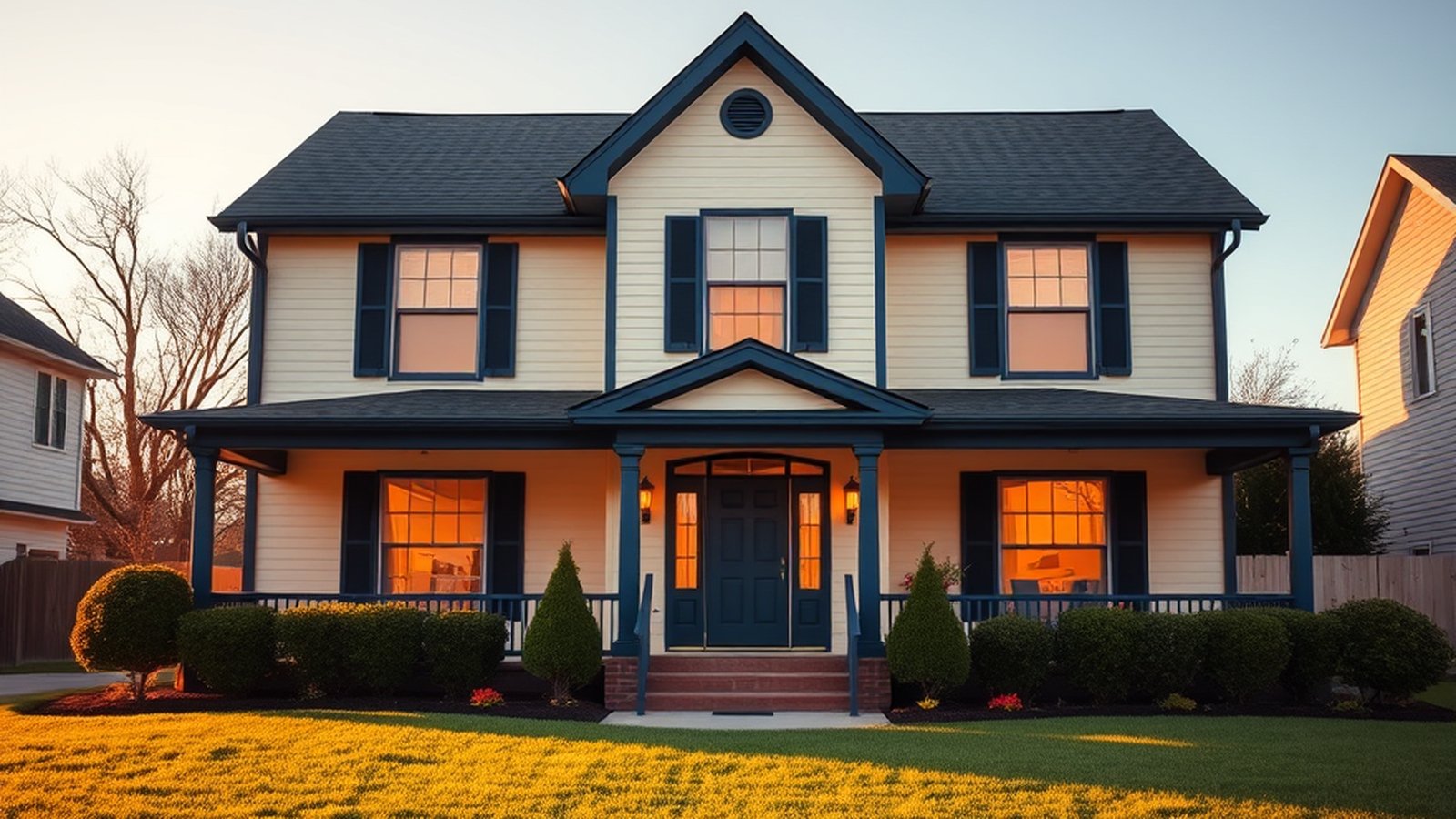
The table is a realistic starting point by house size. Wall area is the painted exterior surface, not the floor square footage. These figures assume two topcoats of quality masonry or exterior acrylic paint over a full masonry-primer coat, which brick always requires.
| House size | Wall area (approx) | Paint needed (2 coats) | Primer |
|---|---|---|---|
| Small ranch (1,000 sq ft) | 1,300 to 1,500 sq ft | 8 to 10 gallons | 4 gallons |
| Medium 1-story (1,500 sq ft) | 1,800 to 2,100 sq ft | 11 to 13 gallons | 5 to 6 gallons |
| Large 2-story (2,500 sq ft) | 2,800 to 3,200 sq ft | 16 to 18 gallons | 6 to 8 gallons |
| Extra-large 2-story (3,500 sq ft) | 3,600 to 4,200 sq ft | 18 to 20 gallons | 8 gallons |
The coverage math
The formula holds everywhere: total wall area divided by the spread rate, then multiplied by the number of coats. The spread rate is the square footage one gallon covers. On a smooth, sealed surface a gallon of quality exterior paint covers roughly 350 to 400 square feet, but brick is the opposite of smooth. The porous face and the deep mortar joints swallow paint, so the first coat on bare brick spreads as low as 150 to 250 square feet per gallon.
Use 200 square feet per gallon for the first coat on bare brick and around 300 for the second coat once the surface is sealed. A 2,000 square foot wall at 200 square feet per gallon needs 10 gallons for coat one alone, plus another 6 to 7 for the second coat. That is why brick totals dwarf siding figures. The how much does a gallon of paint cover hub details how porous, textured surfaces collapse the spread rate.
Brick is the surface where coat-by-coat estimating is not optional, it is the only way to get the number right. The first coat fights the full porosity of the masonry and the depth of every mortar joint, so it spreads at less than half the smooth-wall rate. Once that coat cures, the pores are filled and the joints are sealed, so the second coat behaves almost like paint on a normal wall and stretches two to three times further than the first. Average the two together and you will badly underestimate coat one, which is the coat most likely to leave you stranded on a ladder with an empty tray.
The mortar joints deserve their own mention in the math. They are recessed, so they add both depth and surface that a flat measurement ignores entirely, and they are often the most porous part of the wall because mortar is softer than fired brick. On a heavily jointed wall the joints alone can account for a noticeable share of the first coat. This is part of why block-filler primers, which are formulated specifically to bridge and seal these voids, are the standard first step on raw masonry rather than a thin sealer.
How to measure your brick area
A tape measure and notepad are enough. Capture each wall plane around the house:
- Measure each elevation: height times width for the front, back, and both sides.
- Add the four numbers to get gross wall area.
- Subtract large openings: about 20 square feet per door and 12 to 15 square feet per window. Leave small ones as cushion.
- Add gable ends: width times height divided by two for each triangle.
- Painters bill by wall area, not floor footprint, and on brick the deep mortar joints mean the true paintable surface runs even higher than the flat measurement suggests.
If the arithmetic is a chore, how to estimate exterior painting walks the same steps visually, and the how much paint for a house exterior hub combines brick walls with any trim or accents for a whole-house figure. Pair your topcoat math with a careful primer estimate in how much primer do I need, since masonry primer is a big part of the brick total.
When you measure brick, resist the urge to discount the surface for the mortar grid the way you might mentally subtract grout from a tile wall. The opposite is true here. The recessed joints add area and drink paint, so the flat height-times-width number is a floor, not a ceiling. A practical move is to keep your gross wall area as measured, then plan your first-coat gallons at the low 150 to 200 square feet per gallon end of the range rather than splitting the difference. Brick rewards a generous first-coat estimate and punishes a stingy one, because there is no cheap way to fix a wall that flashed thin because the masonry pulled the paint in faster than expected.
What changes how much brick needs
Porosity and texture. Soft, old, or rough brick drinks far more than dense modern brick. The rougher and more porous the face, the lower the spread rate and the more both primer and first coat swell. This single factor drives most of the variation on brick.
Mortar joints. The recessed mortar lines add a surprising amount of surface area that a flat measurement ignores. Brick walls can carry 15 to 30 percent more real surface than the height-times-width number, all of which needs paint.
Application method. A masonry surface is usually sprayed and backrolled to push paint into the joints and pores. That technique covers thoroughly but uses more paint than rolling a flat wall, so build extra into your topcoat figure if you spray.
Do not forget primer
Primer is mandatory on brick. A quality masonry or block-filler primer seals the porous face, blocks efflorescence, and gives the topcoat a uniform surface so it does not vanish into the pores. Plan a full prime coat at 100 to 200 square feet per gallon on bare brick, which is a heavy 4 to 8 gallons for a typical home. Brick uses the most primer of any exterior surface. Always let new masonry cure fully and clean off efflorescence before priming. The how much primer do I need guide covers masonry primers and block fillers in detail.
A worked example
Picture a large two-story brick home with 3,000 square feet of measured wall area after subtracting doors and windows and adding the gables. The brick is bare and porous, so we apply a full masonry-primer coat, then two topcoats.
Primer first: bare brick spreads near 150 square feet per gallon for a block-filler, so 3,000 divided by 150 is 20 gallons. That is enormous, so re-check, since a standard masonry primer spreads closer to 250 on smoother brick. At 250 it is 12 gallons, round to a practical 6 to 8 gallons for typical brick. Topcoat is two coats, but coat one on primed brick spreads near 250 and coat two near 325. That is 3,000 divided by 250 plus 3,000 divided by 325, about 12 plus 9.2, near 18 gallons. Round to 18 gallons of topcoat plus 8 gallons of primer, and keep a quart for touch-ups.
Add the lines and this single brick house lands near 26 gallons of total product, primer and paint combined. The same 3,000 square foot wall area in vinyl would need roughly 9 gallons all in. That is not a rounding difference, it is nearly triple the material, and it is the single most important thing to understand before painting brick. The cost, the timeline, and the number of trips up the ladder all scale with that gallon count, which is why painting masonry is a genuine commitment rather than a weekend refresh. Knowing the real number up front is what keeps the project from stalling halfway with bare brick showing through a thin first coat.
Buy a little extra
- Porous drink: bare brick swallows far more on the first coat than any flat surface.
- Mortar-joint grab: recessed joints hold extra paint the flat measurement never counted.
- Second-coat reality: even a sealed first coat usually needs a solid second pass on texture.
- Future touch-ups: keep a sealed quart so one stained spot never means repainting a wall.
- Dye-lot matching: buy all your gallons at once so the color stays uniform across batches.
Adding 10 to 15 percent to both your paint and primer totals is smart on brick, where porosity is the hardest variable to call and running short mid-coat is the most likely mistake. The first coat is the one to overbuy, since it meets the raw masonry head-on and you cannot tell from the can how fast a particular brick will drink. Because the gallon counts on brick are already the largest of any exterior, a 15 percent cushion can mean two or three extra gallons rather than a spare quart, so plan the budget for it from the start. Buying it all in one batch also matters more here, because the sheer volume makes a dye-lot shift between cans easier to see across a big masonry wall.
With your gallons settled, price the job fast using the painting estimate calculator or get a free painting estimate that includes labor. To budget the project, see the cost to paint a brick house, plan your timeline with how long it takes to paint a brick house, and compare nearby surfaces in how much paint for vinyl siding, how much paint for wood siding, and how much paint for stucco.
Frequently asked questions
How many gallons of paint do I need for a brick house?
Most brick homes need 8 to 20 gallons of topcoat for two coats, plus 4 to 8 gallons of masonry primer. A small ranch runs 8 to 10 gallons of paint, a large two-story 16 to 20. Measure your wall area, use about 200 square feet per gallon on the first coat, then add a full masonry-primer coat.
Does a brick house need more paint than siding?
Yes, far more. Brick is porous and textured, so it drinks paint and spreads as low as 150 to 250 square feet per gallon versus 350 plus on smooth siding. The deep mortar joints add surface, and brick needs a heavy masonry-primer coat. A brick house can use roughly double the paint of vinyl siding the same size.
How much primer do I need for a brick house?
Plan a full masonry-primer coat at 100 to 200 square feet per gallon, which is about 4 to 8 gallons for a typical home. Use a masonry primer or block filler to seal the porous face and block efflorescence. Brick uses the most primer of any exterior surface, so never skimp on the prime coat or budget it short.
Can I paint a brick house with one coat?
One coat will not cover brick evenly. The porous face and mortar joints absorb the first coat unevenly, leaving thin, blotchy color. A masonry primer plus two topcoats is the standard that seals and protects the wall. Budget your gallons for primer plus two coats, since brick is the surface where one coat fails fastest.
Why does brick use so much paint?
Brick is porous and textured, so paint sinks into the face and the recessed mortar joints instead of sitting on top. The first coat on bare brick can spread as little as 150 square feet per gallon, less than half a smooth wall. Add a heavy masonry-primer coat and two topcoats, and brick reaches the highest gallon counts of any exterior.