In this article
Quick answer: A typical single-story to two-story stucco home needs roughly 6 to 14 gallons of paint for two coats, plus a separate primer or fill coat on bare or cracked areas. Stucco is textured and porous, so it drinks far more coating than smooth siding. Where flat walls stretch a gallon to 350 or 400 square feet, stucco can drop to 150 to 250 square feet per gallon, which means you often buy about 1.5 times the paint you would for the same area of flat wall.
Buying the right amount of stucco paint is harder than it looks, and getting it wrong is expensive in both directions. Order too little and you stop mid-wall waiting on another delivery, with a visible lap line where the coats met. Order too much and you have unused gallons that slowly skin over in the garage. This guide helps homeowners buy the correct number of gallons and helps painters spec materials accurately before the first sprayer comes out. To turn a wall measurement into a dollar figure, run it through our painting estimate calculator or request a free painting estimate so the paint count and the budget line up from the start.
How much paint for stucco
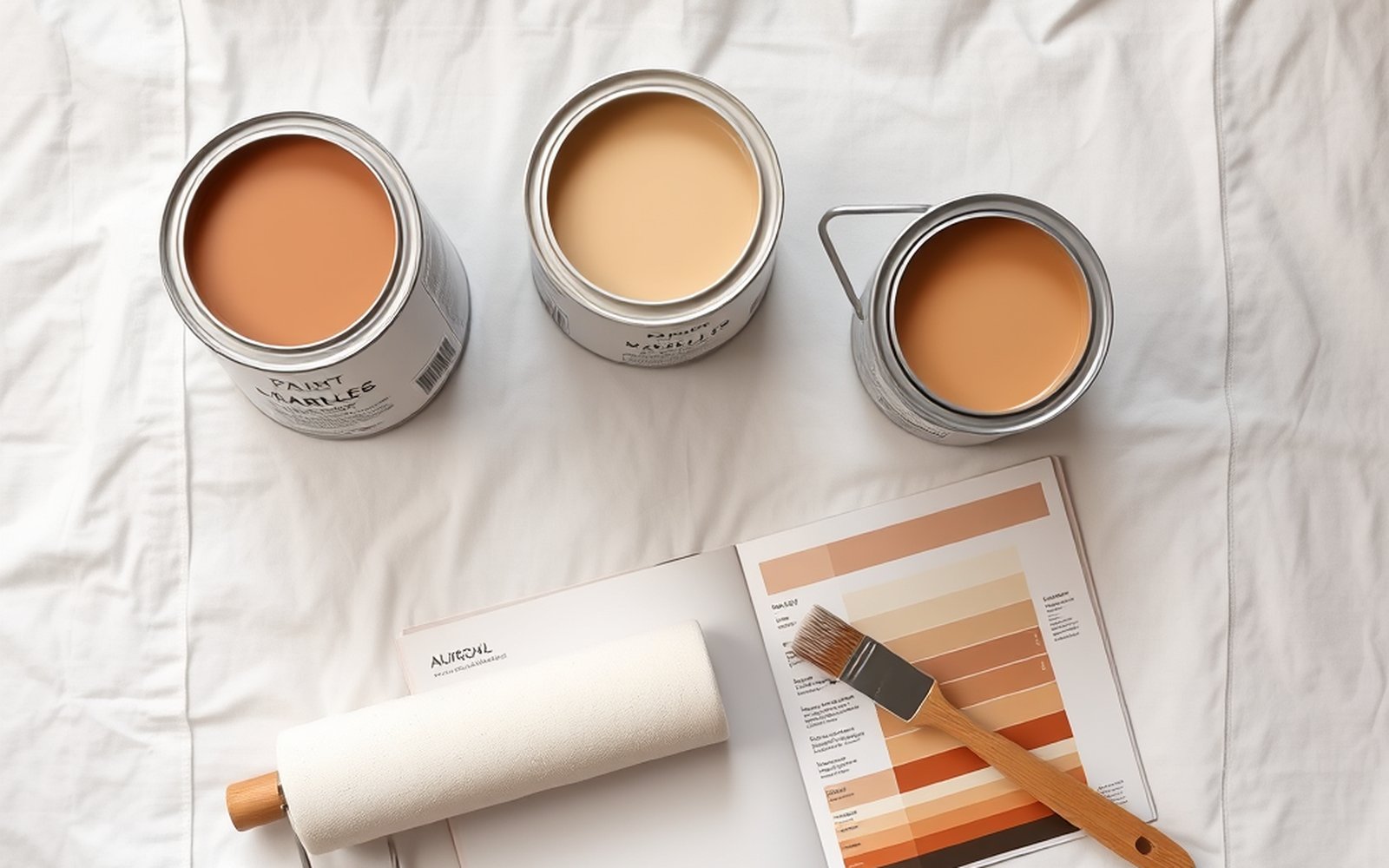
The table below gives realistic ranges for common stucco repaints in 2026. Paint figures assume two coats at stucco’s reduced spread rate. Primer or fill is listed separately because it is applied only where needed, not across the whole wall on every job.
| House size | Wall area (approx) | Paint (2 coats) | Primer/filler |
|---|---|---|---|
| Small single-story | 1,000 to 1,300 sq ft | 6 to 8 gallons | 1 to 2 gallons masonry primer |
| Average single-story | 1,400 to 1,800 sq ft | 8 to 11 gallons | 2 gallons primer or fill coat |
| Average two-story | 2,000 to 2,600 sq ft | 11 to 14 gallons | 2 to 3 gallons primer or fill coat |
| Large or elastomeric job | 3,000+ sq ft | 16 to 24 gallons | 3 to 5 gallons, plus heavy fill |
Those ranges are wide on purpose. Two homes with identical square footage can need very different gallon counts depending on how deep the texture is, whether the stucco has ever been sealed, and whether you are switching to a thick elastomeric coating. The math below shows how to land on a number for your specific wall.
The coverage math
The formula for any surface is the same: total area divided by the spread rate, multiplied by the number of coats. Spread rate is the square feet a single gallon covers in one coat, and it is the variable that makes stucco different from every smooth surface.
On flat drywall or smooth siding, a gallon of quality exterior paint covers around 350 to 400 square feet per coat. On stucco, that same gallon covers only about 150 to 250 square feet per coat because the texture has far more actual surface area than its footprint suggests. Every peak, valley, and pore has to be coated, so the paint disappears faster. Heavy or deep-dash stucco lands at the low end near 150, while a lightly textured or previously sealed wall might reach 250.
So for a 2,000 square foot wall at a working spread rate of 200 square feet per gallon, one coat needs 2,000 divided by 200, which is 10 gallons, and two coats need 20 gallons before any discount for a sealed first coat. In practice the second coat goes a little further because the pores are already filled, so a realistic two-coat total often lands closer to 12 to 14 gallons. Our guide to how much does a gallon of paint cover walks through spread rates for every surface and explains why texture is the single biggest coverage variable.
It helps to think of spread rate as a range rather than a single number, because stucco never behaves like the tidy figure on the can. The label might promise 350 square feet per gallon, but that number was measured on a smooth test panel under ideal conditions. On a real textured wall, the honest planning figure is roughly half of that, which is exactly why so many homeowners run short when they trust the label instead of the surface. Build your estimate on the lower, real-world rate, and treat any leftover paint as cheap insurance rather than a sign you overbought. The cost of one extra gallon is trivial next to the cost of a visible lap line where one batch of paint stopped and a fresh delivery picked back up.
The same logic applies when you compare quotes from painters. A contractor who quotes far fewer gallons than your own math suggests is either planning to thin the paint, skimp on the second coat, or has not accounted for the texture, and any of those shows up as a streaky, short-lived finish within a year or two. Use your gallon count as a sanity check on the bid, not just on your own shopping list.
How to measure stucco
You cannot buy the right amount of paint until you know your wall area. Here is how to measure it without overthinking the math:
- Measure each wall: Take the length of every exterior wall and multiply by the wall height. Add the four wall areas together for the base total.
- Add gable triangles: For each gable end under a pitched roof, multiply the width by the height to the peak and divide by two, then add that triangle to your total.
- Subtract large openings: Remove big openings like garage doors and picture windows, but leave standard windows and doors in. Their area roughly offsets the extra paint texture eats around edges.
- Apply the stucco spread rate: Divide your total area by 200 square feet per gallon as a safe working number, then multiply by two for two coats.
- Round up to whole gallons: Paint sells in gallons and fives. Always round up so you finish the wall without a second trip.
For the full exterior workflow, our guide on how to estimate exterior painting shows how to walk a house and capture every wall, and how much paint for a house exterior gives whole-house gallon benchmarks you can sanity-check your number against.
What changes how much you need
Texture depth is the biggest driver. A smooth or sand-finish stucco might cover at 250 square feet per gallon, while a heavy lace, dash, or knockdown finish can fall to 150. That difference alone can swing a two-story home by four or five gallons. Always lean toward the lower spread rate when the texture is deep, because running short mid-wall is far worse than having a spare gallon.
Whether the stucco has ever been sealed matters. Bare, never-painted stucco is the thirstiest surface of all because its open pores pull the first coat deep into the wall. A previously painted and sealed wall has those pores filled, so the new paint sits on top and covers much closer to a normal rate. New stucco can easily need 1.5 to 2 times the paint of a repaint on the same square footage.
Elastomeric coatings change the math entirely. Many stucco homes get a high-build elastomeric coating that bridges hairline cracks and waterproofs the wall. That product goes on far thicker than ordinary house paint, so its spread rate can be as low as 50 to 100 square feet per gallon. If you are spec’ing elastomeric, throw out the normal coverage numbers and follow the manufacturer’s mil-thickness chart instead, because you may need double the gallons.
Do not forget primer
Stucco almost always needs some priming, even on a repaint. Bare patches, repaired cracks, and any never-painted stucco should get a masonry primer or sealer first, both to lock down chalky surfaces and to keep the topcoat from soaking in unevenly. On a full bare-stucco job, plan to prime the entire wall, which adds another gallon for every 200 to 300 square feet.
On a typical repaint you are usually spot-priming, so 1 to 3 gallons of masonry primer covers the patched and bare areas of most homes. New stucco is the exception: it needs a full prime coat, and it may also need to cure for weeks so its high alkalinity does not attack the paint. Our guide to how much primer do I need gives primer coverage rates and shows when a fill coat replaces a true primer on textured walls.
There is also a difference between a true primer and a fill or sealer coat, and it changes how much product you buy. A masonry primer is a thin bonding layer meant to grip a chalky or porous surface, and it covers at roughly the same rate as paint. A fill coat, sometimes called a block filler on rougher stucco, is much thicker and is designed to bridge fine cracks and level out the texture, so it covers far less, sometimes only 100 to 150 square feet per gallon. If your stucco is rough enough to need a fill coat across the whole wall, budget for noticeably more product than a simple primer would require, and treat that fill coat as one of your two coats in the overall plan rather than an extra.
A worked example
Take an average two-story stucco home with about 2,400 square feet of wall area, a medium lace texture, previously painted, with some hairline cracking. Here is the full material count:
- Area and spread rate: 2,400 square feet at a working rate of 200 square feet per gallon for textured stucco.
- First coat: 2,400 divided by 200 equals 12 gallons.
- Second coat: The sealed first coat lets the topcoat go further, so figure about 250 square feet per gallon, or roughly 10 gallons.
- Paint total: 12 plus 10 equals 22 gallons, which you round to a clean count and stock as needed.
- Primer: Spot-prime the patched cracks and any bare repairs, about 2 gallons of masonry primer.
Always round up to whole gallons and keep a spare. A 22-gallon job is realistically bought as 23 or 24 so you finish without a supply run and keep a sealed gallon for future touch-ups. Compare that material count against the labor and price side in our guide to the cost to paint stucco, and check the schedule in how long it takes to paint stucco so paint, time, and budget all agree.
Buy a little extra
Plan to add roughly 10 percent on top of your calculated gallons. Here is why the math is never exactly the math:
- Texture waste: Stucco grabs overspray and back-roll splatter, so real-world transfer to the wall is lower than the can’s stated coverage.
- Spread-rate uncertainty: If your texture is deeper than you estimated, the wall simply drinks more paint than the formula predicted.
- Second-coat reality: The second coat sometimes needs a heavier pass to hide an old color or even out a porous spot, eating into your buffer.
- Touch-ups and future repairs: A sealed leftover gallon in the exact batch color saves you from a no-match patch after the next storm or stucco crack.
For texture-heavy stucco, leaning to 15 percent extra is reasonable rather than reckless. When you are ready to turn your wall measurement into a real number, run it through our painting estimate calculator or get a free painting estimate. For the cost and time twins, see the cost to paint stucco and how long it takes to paint stucco, and for related quantity guides compare how much paint for a brick house and how much paint for wood siding.
Frequently asked questions
How many gallons of paint do I need for stucco?
For a typical single-story to two-story stucco home, plan on 6 to 14 gallons for two coats, plus 1 to 3 gallons of primer for bare or patched spots. Large homes or elastomeric jobs can need 16 to 24 gallons. Measure your wall area, divide by 200 square feet per gallon, then multiply by two coats.
Why does stucco use more paint than siding?
Stucco is textured and porous, so its real surface area is far greater than its flat footprint suggests. Paint has to fill every peak, valley, and pore, which drops the spread rate from 350 to 400 square feet per gallon on smooth siding down to 150 to 250 on stucco. That is roughly 1.5 times the paint for the same square footage.
Do I need primer on stucco?
Almost always, at least on bare or patched areas. Never-painted stucco needs a full masonry primer or sealer coat so the topcoat does not soak in unevenly, and repaired cracks should be spot-primed. A previously painted wall in good shape may only need primer on bare repairs, using 1 to 3 gallons total.
How much does elastomeric coating change the amount?
A lot. Elastomeric goes on as a thick, high-build film, so its spread rate can drop to 50 to 100 square feet per gallon, roughly half of normal stucco paint or less. If you choose elastomeric, ignore standard coverage numbers and follow the manufacturer’s mil-thickness chart. You may need close to double the gallons of an ordinary acrylic system.
What spread rate should I use to estimate stucco paint?
Use 200 square feet per gallon as a safe working number for the first coat on medium-textured stucco. Drop to 150 for heavy lace or dash finishes and bare walls, and you can stretch to 250 on the second coat or a lightly sealed surface. When unsure, use the lower number so you never run short mid-wall.