In this article
About the cost figures on this page
Any cost ranges shown here are illustrative estimates, not a quote. What you actually pay varies widely with your location and local labour rates, the size and condition of the surfaces, access and setup, the products specified, how much prep the job needs, and the time of year. Use these numbers to sanity check a quote you have been given and to understand what drives the total, then get written quotes from local contractors before you budget. You can also build an estimate around your own project with the free calculator.
Quick answer: Painting stucco costs about $1.40 to $4.00 per square foot in 2026, which works out to roughly $4,000 to $14,000 for a typical whole-house repaint. The wide range reflects how much the textured surface soaks up, how many cracks need patching, the height of the walls, and whether you use a standard masonry acrylic or a pricier elastomeric coating. Prices vary by region and the condition of the existing stucco.
This guide is for homeowners trying to budget a stucco repaint and understand where the money goes. Stucco is one of the more paint-hungry surfaces a painter deals with, so the numbers behave differently than they do on smooth siding. To turn your own wall measurements into a real figure, run them through the painting estimate calculator or request a free painting estimate once you know the scope.
How much it costs to paint stucco
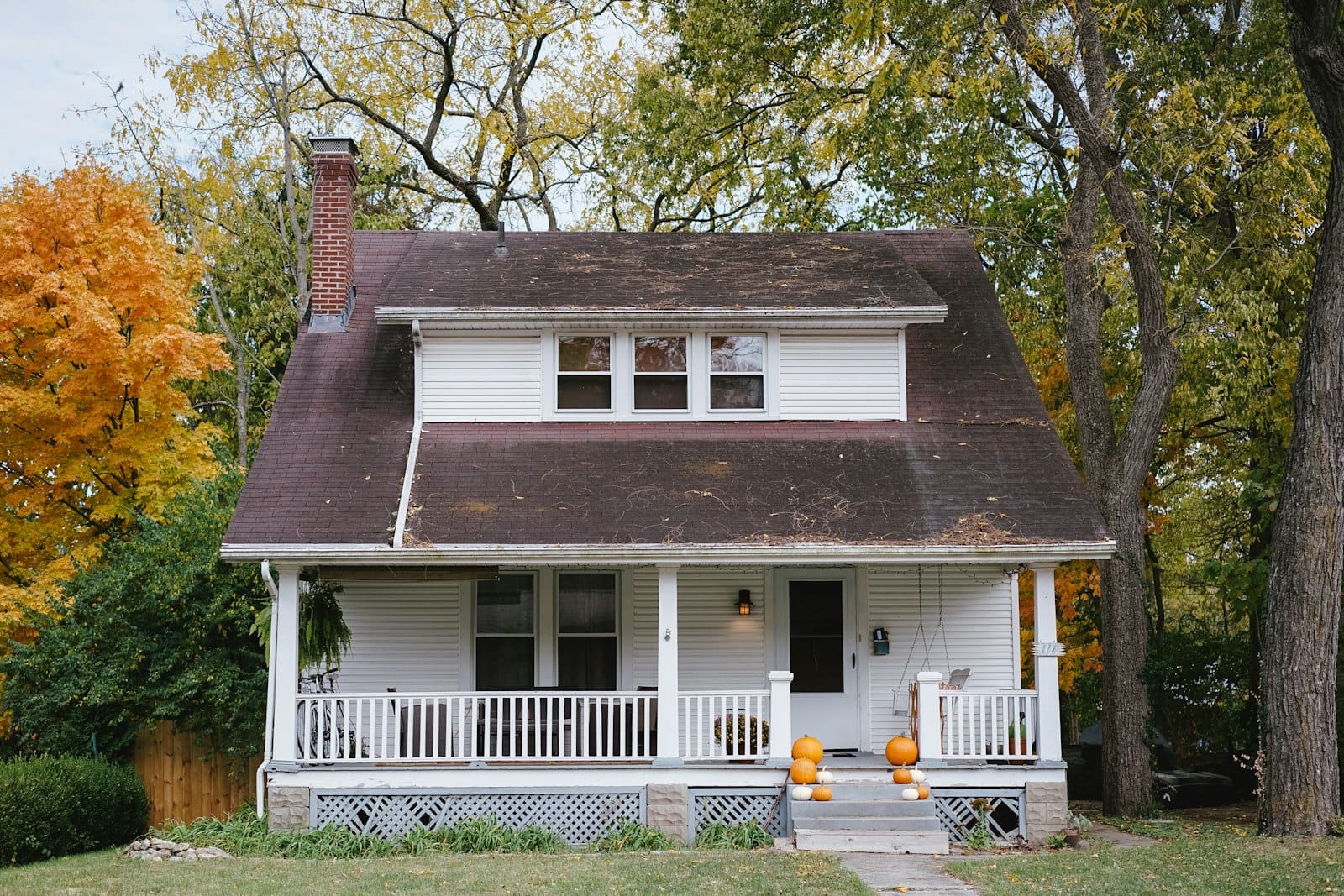
Stucco is almost always priced per square foot of wall area, then adjusted for texture depth, condition, and access. Here is how the cost breaks down by project scope. The per-square-foot figures include labor and materials for two coats on sound stucco in average condition.
| Scope | Low | Average | High | Notes |
|---|---|---|---|---|
| Per square foot (wall area) | $1.40 | $2.50 | $4.00 | Higher with deep texture or elastomeric |
| Single-story small home | $3,000 | $5,500 | $8,000 | Easy ground-level access |
| Average two-story home | $5,000 | $8,500 | $14,000 | Ladder and scaffold work |
| Large or detailed home | $9,000 | $13,000 | $18,000+ | Heavy crack repair, elastomeric coat |
| Accent wall or small section | $400 | $900 | $1,500 | Garage face or single elevation |
The per-square-foot number is the one to anchor on, because stucco homes vary so much in size. A compact single-story ranch and a sprawling two-story both get priced off their actual wall area, then the rate climbs with texture and height. For the bigger picture on whole-house exterior budgets, see the cost to paint a house guide, and compare against other masonry surfaces in the cost to paint a brick house breakdown.
What drives the cost of a stucco paint job
Two stucco homes of the same size can land hundreds or thousands of dollars apart. These are the factors that move the price.
- Prep and condition. Hairline cracks, spalling, and old chalky paint all need attention before a drop of color goes on. Patching cracks, power washing, and sealing can add a meaningful chunk to the bid. Sound, clean stucco is cheap to coat. Cracked, stained, or previously failing stucco is not.
- Paint type. A quality masonry acrylic is the standard and the more affordable choice. Elastomeric coatings, which bridge hairline cracks and waterproof the wall, cost more per gallon and go on thick, raising both material and labor cost. Choosing elastomeric can push a job toward the high end of the range.
- Texture depth. This is the stucco-specific multiplier. Deeply textured or dash-finish stucco has far more surface area than its flat footprint suggests, so it drinks 10 to 20 percent more paint than smooth siding of the same dimensions.
- Access and height. Single-story walls a painter can reach from the ground are quick. Two-story walls, gables, and tight side yards mean ladders, scaffolding, and slower, more careful work, which raises the labor line.
- Number of coats. A color change or a previously unpainted or failing surface usually needs two full coats, sometimes a masonry primer first. A simple refresh in a similar color may get by with less.
- Labor versus DIY. Labor is the majority of any stucco bid. A multi-story stucco repaint is genuinely hard DIY work because of the height and the volume of paint, so most homeowners hire it out and pay for the labor.
Labor versus materials: where the money goes
On a stucco repaint, labor typically accounts for 65 to 80 percent of the total, with materials making up the rest. Stucco bumps the material share a little higher than smooth siding because the texture soaks up more paint and elastomeric coatings are expensive, but labor still dominates.
Consider an average two-story stucco home priced around $8,500. Roughly $6,000 to $6,800 of that is labor: power washing, masking windows and trim, patching every crack, and the careful spray-and-backroll work across two stories. The remaining $1,700 to $2,500 is paint, primer or sealer, masking materials, and sundries. Because deep texture can add 10 to 20 percent to the paint volume, the material line on a heavily textured home runs higher than you would guess from the wall dimensions alone. If you want to estimate how many gallons your walls will actually need, the how much paint for a house exterior guide walks through the math.
Why stucco costs more per square foot than smooth siding
Stucco is a special case among exterior surfaces, and the reasons it costs what it does are worth understanding before you compare bids.
The headline issue is texture. A dash or heavy lace finish has dramatically more surface area than a flat wall of the same dimensions, so it absorbs noticeably more paint, commonly 10 to 20 percent more than smooth siding. That extra volume shows up directly in the materials line and in the labor, because rolling or spraying into every dimple takes longer. This is also why painters almost never brush stucco. They spray it for speed and even coverage, then backroll, which means pushing the paint into the texture with a thick-nap roller so it actually coats the valleys instead of bridging across them. The spray-and-backroll method is standard, and it is part of what you are paying for.
Stucco also demands real crack management. Hairline cracks are normal in stucco and they let water in if left open, so a proper job seals them before painting. On walls with widespread cracking, an elastomeric coating is often recommended because it flexes and bridges hairlines, effectively waterproofing the wall, but it costs more in both product and application. There is a tradeoff to weigh, though: stucco needs to breathe, and a heavy elastomeric film can trap moisture if the wall has a vapor problem, so a quality breathable masonry acrylic is the right call on many homes. A good painter will look at your wall and recommend the coating that matches its condition rather than defaulting to the most expensive option.
Finally, stucco often comes on Southwestern and Mediterranean-style homes with two stories, parapets, and decorative details, which adds access cost. Put those factors together, texture, crack work, the spray-and-backroll process, and height, and you can see why stucco lands at a higher per-square-foot rate than the simpler surfaces in the cost to paint vinyl siding guide. Done right, though, a quality coating helps the finish last, and the how long exterior paint lasts guide explains how the right product on stucco can hold up for many years.
DIY versus hiring a pro
Stucco is one of the surfaces where the DIY-versus-pro decision leans hard toward hiring out, mostly because of height and paint volume. Here is the honest comparison.
| Factor | DIY | Hiring a pro |
|---|---|---|
| Typical cost | Materials $600 to $1,800 | $4,000 to $14,000 all in |
| Equipment needed | Sprayer, scaffold, thick-nap rollers | Crew brings everything |
| Crack and prep work | Must learn to patch and seal | Handled as part of the bid |
| Time | Several weekends | 2 to 5 days |
| Safety | Real risk on two-story walls | Crew is set up for height |
The honest verdict: a single-story stucco wall in good condition, like a garage face or a low ranch, is a reasonable DIY project if you can rent a sprayer and you are comfortable patching cracks. But a two-story stucco home is not a casual weekend job. The paint volume, the spray-and-backroll technique, and the scaffolding required make it slow and genuinely risky for an untrained homeowner. Most people who try it underestimate how much paint a textured two-story wall drinks and how long the height work takes. For multi-story stucco, the labor you are paying a pro for is exactly the part that makes the job hard.
A worked cost example
Say you have an average 1,900 square foot two-story stucco home with roughly 2,400 square feet of wall area, moderate texture, and the usual scattering of hairline cracks. You want a color change in a quality breathable masonry acrylic, two coats.
A painter prices the wall area at about $3.00 per square foot given the two-story access and the texture, landing the base at roughly $7,200. Crack patching and sealing across the elevations adds about $600. Power washing and masking the windows, doors, and trim adds another $500. That puts the bid near $8,300, which fits squarely in the average two-story range. Swap the breathable acrylic for an elastomeric coating on a more cracked wall and the same home could push past $11,000, because the product costs more and goes on thicker. Drop to a single-story home with ground-level access and the same square footage might come in closer to $5,500. The variables are texture, height, crack work, and coating, in that order.
How painters price a stucco job
Most exterior painters price stucco on a per-square-foot basis, then adjust for the factors above. They measure the wall area, set a base rate that already accounts for texture and the spray-and-backroll process, then add line items for crack repair, elastomeric upgrade if needed, and height. The full method behind square-foot pricing is laid out in the how to price painting jobs per square foot guide.
From the contractor side, the rate has to cover more paint than smooth siding would need, the time to push that paint into the texture, and the prep that stucco specifically requires. If you want to understand how a painter builds a whole-house exterior number from the ground up, including how they fold in prep and access, the how much to charge to paint a house exterior guide breaks it down. Timing matters too, since masonry coatings want dry, mild weather to cure properly, so see the best time of year to paint a house exterior before you schedule.
Ready to put a number on your own walls? Size the job in two minutes with the painting estimate calculator, or get a no-pressure free painting estimate from a painter who can look at your texture and crack situation in person. Stucco rewards a careful bid, so it pays to understand the drivers before you compare quotes.
Frequently asked questions
How much does it cost to paint stucco per square foot?
Painting stucco typically costs about $1.40 to $4.00 per square foot of wall area in 2026, including labor and two coats. The rate climbs with deeper texture, two-story access, heavy crack repair, and premium coatings like elastomeric. Smooth, single-story stucco in good condition sits at the low end, while a heavily textured two-story home with crack work lands at the top.
Why does stucco cost more to paint than siding?
Stucco has far more surface area than its flat dimensions suggest because of the texture, so it absorbs 10 to 20 percent more paint than smooth siding. Painters also spray and backroll it to push paint into the texture, and they seal cracks first. The extra paint, the application method, and the prep all raise the per-square-foot cost compared with siding.
Do I need special paint for stucco?
Yes, stucco needs a masonry-rated coating. A quality breathable acrylic masonry paint is the standard choice and lets the wall release moisture. Elastomeric coatings cost more but bridge hairline cracks and waterproof the surface, which suits walls with widespread cracking. Avoid sealing a moisture-prone wall under a heavy film, since stucco needs to breathe to avoid trapping water behind the paint.
Can I paint stucco myself?
A single-story stucco wall in good condition is a reasonable DIY project if you rent a sprayer, use a thick-nap roller to backroll, and patch cracks first. A two-story stucco home is much harder because of the paint volume, the scaffolding, and the height risk. Most homeowners hire out multi-story stucco and only DIY low, accessible walls like a garage face.
How often does stucco need to be repainted?
A quality coating on stucco can last anywhere from 7 to 15 years depending on the product, the climate, and how well the wall was prepped. Elastomeric coatings often last longest because they flex with the wall. Repaint sooner if you see chalking, fading, or new cracks letting water in, since sealing cracks promptly protects the stucco underneath.
Are you the contractor pricing it? See how much to charge to paint stucco.
Planning the schedule too? See how long it takes to paint stucco.
Buying the paint yourself? See how much paint you need for stucco.
Choosing a product first? See the best paint for stucco and why breathability matters on masonry.
Taking it on yourself? See how to paint stucco for crack filling and the spray-and-backroll that pushes paint into the texture.