In this article
About the cost figures on this page
Any cost ranges shown here are illustrative estimates, not a quote. What you actually pay varies widely with your location and local labour rates, the size and condition of the surfaces, access and setup, the products specified, how much prep the job needs, and the time of year. Use these numbers to sanity check a quote you have been given and to understand what drives the total, then get written quotes from local contractors before you budget. You can also build an estimate around your own project with the free calculator.
Quick answer: Painting vinyl siding costs about $1.25 to $3.50 per square foot in 2026, which works out to roughly $3,000 to $11,000 for a typical whole-house repaint. The exact number depends on house size, siding condition, how many coats you need, and whether you hire a pro or do it yourself. Prices vary by region and condition.
This guide is for homeowners pricing out a vinyl siding repaint, not for spec-ing the job. Painting vinyl is one of the most cost-effective ways to refresh a tired exterior without the expense of full replacement, but it has one strict rule the other siding types do not: you must use vinyl-safe paint. To turn the ranges below into a number for your own home, run it through the painting estimate calculator or request a free painting estimate.
How much it costs to paint vinyl siding
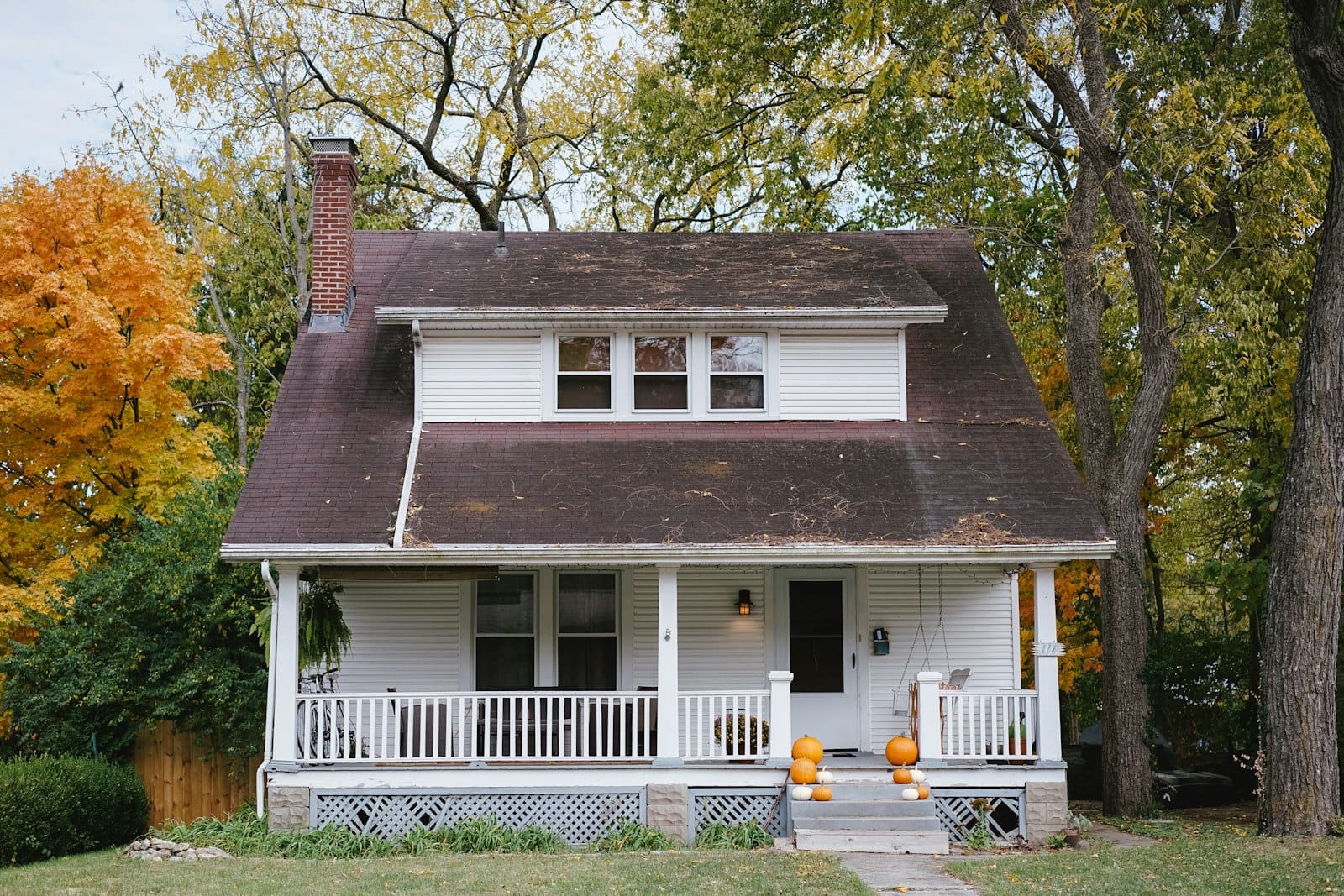
Vinyl siding cost is driven mostly by the total wall area, which scales with house size and number of stories. Here is how the price breaks down by home size, from a budget low to a high-end full-prep job.
| House size | Low | Average | High | Notes |
|---|---|---|---|---|
| Small (1,000 to 1,500 sq ft) | $3,000 | $4,500 | $6,000 | Single story, sound siding |
| Average (1,500 to 2,500 sq ft) | $4,500 | $7,000 | $9,000 | Two stories, moderate prep |
| Large (2,500 to 3,500 sq ft) | $7,000 | $9,000 | $11,000 | High walls, full prep |
On a per-square-foot basis, plan on about $1.25 to $3.50 per square foot of wall area for a professional job. The low end covers a clean, single-story home with sound siding and one coat over a similar color. The high end reflects two-story walls, heavy washing, a color change requiring two coats, and a quality vinyl-safe product. To check how that compares with other surfaces, see the main cost to paint a house hub.
What drives the cost
Two vinyl homes of the same size can quote very differently. These are the factors that move the price.
- Prep and condition. Vinyl must be pressure-washed to remove dirt, mildew, and chalk before paint. Sound, clean siding is cheap to prep. Cracked panels, heavy mildew, or chalky old vinyl that needs scrubbing and spot-repair add hours and cost.
- Paint type. Vinyl-safe paint is non-negotiable and costs more than standard exterior paint. A quality 100 percent acrylic or specialty vinyl-safe latex runs more per gallon, but it is the only product that will not warp your siding.
- Surface height and access. A single-story ranch is fast and ladder-light. A two or three-story home needs scaffolding or extension ladders, which slows the crew and raises the labor figure significantly.
- Number of coats. One coat refreshing a similar color is the cheapest path. A color change, especially going lighter, often needs two coats for even coverage, which adds paint and labor.
- Labor versus materials. On a vinyl repaint, labor is the bigger share. Expect roughly 70 to 80 percent labor and 20 to 30 percent materials.
- Regional rates. Painter labor rates vary widely by metro area, so the same house can cost noticeably more in a high-cost-of-living region than in a rural one.
Cost breakdown: labor versus materials
On a vinyl siding repaint, labor dominates because the washing, masking, and careful application take far more time than the paint costs in dollars. A typical split is about 70 to 80 percent labor and 20 to 30 percent materials.
In per-square-foot terms, materials usually run about $0.30 to $0.70 per square foot for quality vinyl-safe paint plus primer, masking, and sundries. Labor makes up the rest, roughly $0.95 to $2.80 per square foot depending on height, prep, and regional rates. On a $7,000 average job, that means roughly $1,500 to $2,000 in materials and $5,000 to $5,500 in labor. Knowing how much paint you actually need helps you sanity-check the materials line, so see how much paint for a house exterior.
Why vinyl needs special paint
This is the section that makes vinyl different from every other siding. Vinyl expands and contracts with temperature far more than wood or masonry, and it absorbs heat from sunlight. Paint that is not formulated for vinyl can crack, peel, or, worse, cause the panel itself to warp and buckle as it heats up.
- Use vinyl-safe paint only. Look for 100 percent acrylic exterior paint or a specialty latex labeled vinyl-safe. These flex with the siding instead of cracking, and they reflect enough heat to avoid warping.
- Never go darker than the original. Dark colors absorb more heat, which makes vinyl expand more than it was engineered for. The rule is to paint vinyl the same shade or lighter than its original color. Manufacturers publish vinyl-safe color collections for exactly this reason. A dark navy over light beige vinyl is how panels warp.
- A bonding primer helps adhesion. Vinyl is slick, so a bonding primer or self-priming vinyl-safe paint gives the topcoat something to grip. Skipping this on chalky or weathered siding leads to early peeling.
- Wash first, always. Vinyl-safe paint will not bond to dirt, mildew, or chalk. A thorough pressure-wash and full dry is mandatory before the first coat.
Because the color rule limits you to lighter shades, many homeowners painting vinyl are refreshing a faded color rather than making a dramatic change. If you want a deep dramatic color, vinyl is the one siding where you may be better off replacing the panels. For comparison, aluminum and wood have no such heat-warping limit, so see the cost to paint aluminum siding and cost to paint wood siding guides if you are weighing materials.
DIY vs hiring a pro
Vinyl is one of the more DIY-friendly siding types because it needs less prep than wood, but the height is the catch. Painting two-story walls from a ladder is slow and genuinely risky for a non-pro.
| Approach | Typical cost (average home) | What you get |
|---|---|---|
| DIY, materials only | $600 to $1,500 | Paint, primer, sprayer or rollers, masking, washer rental |
| Pro, all-in | $4,500 to $9,000 | Wash, prep, two coats, labor, cleanup, warranty |
For a single-story home with sound siding, DIY vinyl painting is realistic for a confident homeowner and saves thousands. For a two or three-story house, the ladder and scaffolding work pushes most people toward hiring out, both for safety and for an even finish on high walls. Be honest about the height before you commit: a fall from a second-story ladder costs far more than the labor you would save.
A worked cost example
Picture an average two-story home with about 2,000 square feet of paintable vinyl wall area. The siding is sound but faded, and the owner is refreshing it with a similar lighter color, so one coat plus spot-priming will do.
At a mid-range $2.50 per square foot, the math is 2,000 times $2.50, or about $5,000 for a professional job. Of that, materials (vinyl-safe acrylic, primer, masking) run around $1,200, and labor for the wash, prep, and application makes up the remaining $3,800. If the owner instead wanted a lighter color requiring two full coats, add roughly 25 to 35 percent, pushing the job toward $6,500 to $7,000. A DIY version of the same house would cost about $900 to $1,300 in materials and a couple of weekends of ladder work.
How painters estimate the cost
Most exterior painters price vinyl by the square foot of wall area, then adjust for height, prep, and number of coats. They measure the walls, subtract windows and doors, apply a per-square-foot rate, and add line items for washing and any repairs. The method is the same one explained in how to price painting jobs per square foot.
That is the homeowner’s side of the estimate, what you should expect to pay. If you are a painter or contractor working out what to quote, the companion piece is how much to charge to paint a house exterior, which walks through building the number from production rates and overhead. It also helps to know that a fresh vinyl repaint, done right, should last a good while before the next one, as covered in how long exterior paint lasts.
How to keep the cost down without cutting corners
Vinyl is forgiving enough that a few smart choices noticeably lower the bill, and none of them mean a worse result. The trick is spending where it matters (paint quality and washing) and saving where it does not (color choices and timing).
- Stay at or near the original color. A similar lighter shade often covers in a single coat, while a dramatic lighter color forces two full coats. Since vinyl already limits you to lighter shades, leaning into a close color is the cheapest path to a fresh look.
- Do the washing yourself. Even if you hire out the painting, you can rent a pressure washer and clean the siding ahead of time. A thorough wash is grunt work, not skilled labor, and doing it yourself trims hours off the crew’s invoice.
- Repair before you paint, not after. Cracked or loose panels found mid-job become a change order. Walk the walls first, replace obviously broken panels, and you avoid surprise upcharges once the crew is on site.
- Bundle the trim and shutters. If the soffits, fascia, or shutters also need attention, doing them in the same visit is cheaper than calling a crew back later. Mobilization and setup are a fixed cost you only want to pay once.
- Get three quotes and check the prep line. The cheapest bid often skips the wash or uses non-vinyl-safe paint. Compare what each quote includes for washing, priming, and product, not just the bottom number, so you are comparing real apples to apples.
The one place never to economize is the paint itself. Vinyl-safe acrylic costs more than bargain exterior paint, but the wrong product warps your siding and that is not a cost you can paint over. Save on color and labor logistics, spend on the product and the wash, and you get a long-lasting job at the low end of the range. For timing the work when conditions help the paint cure, see the best time of year to paint a house exterior.
Ready to put a real number on your home? Size the job in two minutes with the painting estimate calculator, or get a fast, no-pressure free painting estimate. Knowing the range before you call a contractor keeps you from overpaying on a job that is, at heart, a straightforward refresh.
Frequently asked questions
Can you paint vinyl siding instead of replacing it?
Yes, and it is far cheaper than replacement. A quality vinyl-safe paint job costs a fraction of new siding and can refresh a faded exterior for years. The one limit is color: you can only paint vinyl the same shade or lighter than the original, because dark colors absorb heat and can warp the panels.
How much does it cost to paint vinyl siding per square foot?
Plan on about $1.25 to $3.50 per square foot of wall area for a professional job in 2026. The low end covers a clean single-story home with one coat, while the high end reflects two-story walls, heavy prep, and a two-coat color change. Materials are a small share, so most of the cost is labor.
What kind of paint do you use on vinyl siding?
Use a vinyl-safe paint, which is typically a 100 percent acrylic exterior paint or a specialty latex labeled for vinyl. These products flex with the siding and reflect heat so the panels do not warp. A bonding primer helps adhesion on slick or chalky surfaces, and you should never use ordinary oil-based paint.
Why can’t you paint vinyl siding a dark color?
Dark colors absorb more heat from sunlight, which makes vinyl expand more than it was engineered to handle. That extra expansion can warp and buckle the panels permanently. The safe rule is to paint vinyl the same shade or lighter than its original color, and manufacturers publish vinyl-safe color collections to make this easy.
How long does paint last on vinyl siding?
A quality vinyl-safe paint job applied over clean, well-prepped siding typically lasts around 8 to 12 years before it needs refreshing. Lifespan depends on sun exposure, the quality of the paint, and how thorough the prep and washing were. Cutting corners on the pressure-wash or using non-vinyl-safe paint shortens that lifespan considerably.
Are you the painter quoting the job? See how much to charge to paint vinyl siding.
Planning the schedule too? See how long it takes to paint vinyl siding.
Buying the paint yourself? See how much paint you need for vinyl siding.
Picking a color? See how to choose exterior paint colors.
Choosing a vinyl-safe paint? See the best paint for vinyl siding.
Thinking of doing it yourself? See how to paint vinyl siding for the wash, the no-dark-colors rule, and spraying a whole house.