In this article
Quick answer: To paint vinyl siding you wash off every trace of dirt, chalk, and mildew, let it dry completely, prime only the spots that need a bonding primer, and roll on two thin coats of an exterior paint formulated for vinyl in a color no darker than the original panel. The dark color rule is not a style suggestion, it is physics, because a darker color absorbs more heat and vinyl warps when it gets too hot. Before you buy anything, price the whole project in the painting cost calculator so you know what a house of your size actually takes.
Painting vinyl siding is one of the biggest jumps in scale a homeowner can attempt. If you have painted a bedroom or a set of cabinets, you have painted something the size of a closet door. A house is hundreds of times that area, exposed to sun, wind, and weather, and it has to look consistent from the street. That gap in scale is exactly why so many DIY vinyl jobs look great on the first wall and streaky by the last. The work is not hard, but it rewards planning, honest prep, and patience with the weather.
This is the hub guide for the whole exterior painting cluster on this site. Whatever surface you are tackling, the discipline is the same: clean, assess, prime what needs it, and apply thin even coats inside the manufacturer’s temperature window. Everything below assumes you are the homeowner doing the work yourself, not a contractor. Any numbers are round example ranges, because coverage, dry time, and longevity vary by product and climate, so follow the product’s own specs every time.
Can You Even Paint Vinyl Siding?
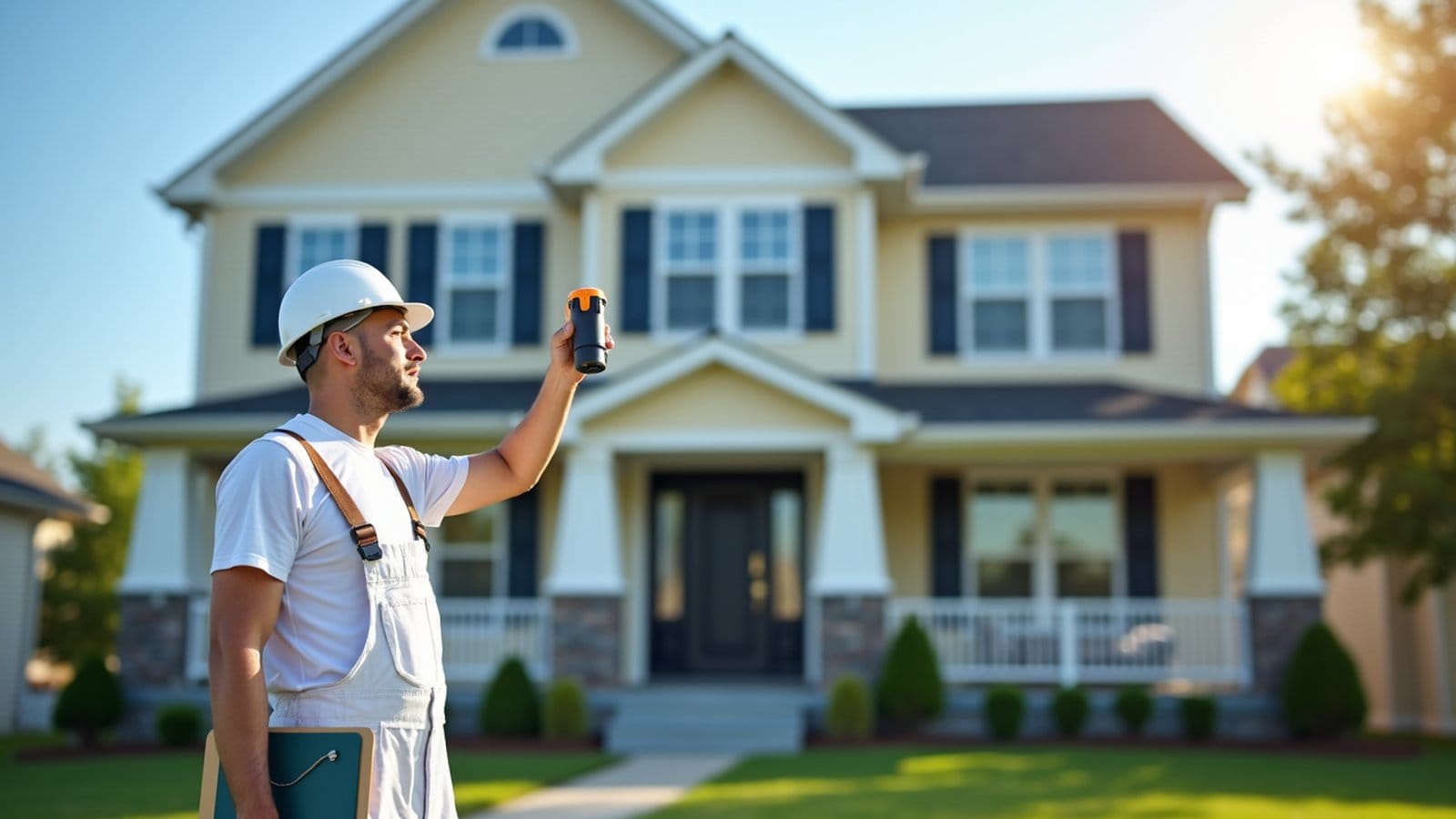
Yes, and it is a legitimate way to refresh a house for far less than replacement. Faded, dated, or simply unloved vinyl takes paint well when it is clean and sound. What you cannot do is paint over vinyl that is cracked, brittle, buckled, or actively failing, because paint does not repair a substrate, it only coats it. If large sections are damaged, price out replacement before you spend a weekend painting something that needs to come off the wall.
The one hard rule that separates a lasting job from a warped mess is color. You must not paint vinyl a color darker than the original panel unless you use a coating specifically engineered to reflect heat on vinyl. Vinyl was manufactured to expand and contract a known amount at the color it came in. A darker color absorbs more solar heat, the panel gets hotter than it was designed for, and it can warp, buckle, or pull loose from the nailing strip. Some paint lines now sell vinyl safe colors with heat reflective pigments that let you go a shade or two darker safely. If a dark house is the goal, buy into that system deliberately and follow its rules, do not just pick a dark can off the shelf.
Choosing a lighter or equal tone is the safe default, and picking the tone itself is its own decision covered in how to choose exterior paint colors. For the product category, an exterior 100 percent acrylic latex made for vinyl is the workhorse, and the deeper comparison lives in the best paint for vinyl siding.
Cleaning Is Ninety Percent of the Job
Paint does not stick to dirt, and vinyl siding collects an invisible film of dust, pollen, exhaust, and mildew that will cause peeling if you paint over it. Cleaning is not the boring part you rush through, it is the part that decides whether your paint lasts two years or ten.
Work the whole house methodically:
- Mildew wash first. The green and black speckling on shaded walls is mildew, and it grows back through fresh paint if you only rinse it. Treat it with a cleaning solution intended to kill mildew, following that product’s dilution and dwell instructions, and scrub the shaded and north facing walls where it concentrates.
- Wash top to bottom, rinse bottom to top. Washing downward keeps dirty runoff off cleaned areas, while rinsing upward stops streaks from drying into the surface.
- Use a soft brush on the chalky and gritty zones. A garden pump sprayer, a soft bristle brush on a pole, and a hose reach most of a single story house safely.
- Be careful with a pressure washer. High pressure can drive water up behind the panels and take days to dry, and it can gouge softer vinyl. If you use one, keep it low pressure, hold the wand at a downward angle, and never blast upward under the laps.
The general principles of getting a surface paint ready are in how to clean walls before painting and how to prep walls for painting. The vinyl specific point is the mildew and the drying: give the walls a full day or more to dry, longer if you pressure washed, because trapped moisture behind the siding will blister paint later. Do not paint a wall that is still damp in the shadows.
Do You Need Primer on Vinyl?
Not always, and this is where people waste money in both directions. On clean, sound, non chalky vinyl, a quality exterior acrylic made for the surface often bonds directly with no separate primer, so check the label of the paint you chose because many self prime on vinyl. Priming everything anyway is not wrong, just sometimes unnecessary.
You do need a bonding primer in these cases:
- The surface still chalks slightly after washing, leaving powder on your hand.
- You are painting glossy or previously painted vinyl that is slick to the touch, which is the situation covered in how to paint over glossy paint.
- You have bare, weathered, or repaired spots that need a uniform base.
When in doubt, prime the questionable areas rather than the whole house, or do a small adhesion test: paint a hidden section, let it fully cure, and try to peel it with tape after a few days. The broader logic of when a primer earns its place is in do I need primer before painting. Use a primer rated for exterior use and compatible with both vinyl and your topcoat, and always follow that primer’s own recoat window.
Spraying Versus Brushing a Whole House
On a single room you would brush and roll without a second thought. On a whole house the decision matters, because it changes the timeline, the finish, and the amount of masking.
| Method | Best for | The catch |
|---|---|---|
| Brush and roll | Small homes, detail areas, low wind days, first timers | Slow over a full house, and roller texture can show on flat panels |
| Spray (then back roll or back brush) | Large homes, deep panel profiles, even coverage | Heavy masking, overspray drift in wind, and a learning curve |
Most homeowners get the best result with a hybrid: spray a section to lay paint on fast and evenly, then immediately back roll or back brush it to push the coating into the surface and even out the film. Spraying alone lays paint on top, back rolling works it in, and the combination bonds better and looks more uniform. If you have never sprayed, practice on a scrap or an inconspicuous wall first, and read up on tool choice in how to choose a paint brush so your hand tools match the work.
Whichever method you pick, plan on two thin coats rather than one thick one. Thin coats level out, dry evenly, and resist sagging on vertical panels. The number of coats you should budget for by situation is covered in how many coats of paint you need.
Temperature, Sun, and Timing
Exterior coatings have a stated temperature and humidity window, and vinyl adds a wrinkle because the panels themselves get hot. Paint applied to a scorching, sun baked wall dries too fast, will not level, and can flash or lap. Paint applied when it is too cold or too humid will not cure properly.
Practical timing habits that save a job:
- Chase the shade. Follow the sun around the house so you are always painting a wall that is not in direct sun. Start on the west side in the morning and the east side in the afternoon.
- Respect the label window. Read the manufacturer’s minimum and maximum application temperatures and their humidity limit, and treat them as hard limits, not suggestions. Check the forecast for the hours after you paint too, not just the moment you start.
- Watch the dew point. A cool, damp evening can leave moisture on a wall you painted at 4pm. Stop early enough that the surface can set before the air turns.
- Give real dry time between coats. The recoat window on the can assumes decent conditions and stretches in cold or humid weather. Rushing the second coat is a classic cause of a soft, marking finish.
None of these numbers are universal, which is exactly why the honest instruction is to read your product’s data sheet and paint to it rather than to a figure from a blog. How long a full house takes across all of this, weather included, is broken down in how long it takes to paint vinyl siding.
Lead Paint on Older Homes
If your house was built before 1978 and has ever been painted, assume the old coating may contain lead until proven otherwise. Vinyl siding itself is newer, but many homes have painted trim, older substrates behind or beside the vinyl, or previous paint layers. Any scraping or sanding that disturbs suspect paint can release lead dust, which is a real hazard, especially around children.
This is not legal advice, but the responsible path is to look up the EPA Renovation, Repair and Painting rule, use lead safe work practices, and for anything beyond a tiny area consider a certified professional. Do not dry sand or scrape old paint of unknown age without understanding what you are disturbing.
Order of Operations for the Whole House
Pulling it together, here is the sequence that keeps a big job from turning into a mess:
- Measure and buy enough paint up front, using how to measure a house for exterior paint so you are not chasing a second batch mid job. Quantity guidance for this surface is in how much paint for vinyl siding.
- Repair or replace any cracked or loose panels before you paint, because paint will not fix them.
- Wash the entire house, mildew wash the shaded walls, and let it dry fully.
- Mask windows, doors, lights, meters, and landscaping. On a house this is a real chunk of the day, not an afterthought.
- Prime the spots that need it and let the primer cure per its label.
- Paint two thin coats, chasing the shade, back rolling if you spray.
- Pull masking while the paint is still slightly soft to get clean edges, and inspect each wall under good light.
If at any point the scope feels bigger than a weekend or two, that is normal for a whole house, and it is worth comparing your time against a quote. What the job costs when a pro does it is in the cost to paint vinyl siding, and if you are weighing doing it yourself against hiring out, the broader estimating frame is in how to estimate exterior painting.
How This Connects to the Rest of Your Exterior
A house is rarely just siding. The same weekend usually involves doors, trim, and sometimes other cladding, and each has its own quirks. Aluminum siding looks similar but behaves differently and is covered in how to paint aluminum siding. Your entry deserves its own attention in how to paint a front door, and the biggest single element on many facades gets its own method in how to paint a garage door.
If your exterior includes other materials, the cluster covers those too: how to paint stucco, how to paint brick exterior, how to paint shutters, how to paint a porch, how to paint a deck, and how to paint a fence. Painting them in a sensible order, big surfaces first and detail last, keeps overspray and drips off finished work. Whatever the mix, the vinyl guide’s core lesson holds everywhere: the finish is only as good as the cleaning and the weather window underneath it.
Frequently asked questions
Can you paint vinyl siding a darker color?
Only with caution. A darker color absorbs more heat than the vinyl was manufactured to handle and can warp or buckle the panels. Stay at or lighter than the original tone unless you use a coating specifically formulated as vinyl safe with heat reflective pigments, and then follow that system’s exact color limits and instructions.
Do you have to prime vinyl siding before painting?
Not always. Clean, sound, non chalky vinyl often takes an exterior acrylic made for vinyl with no separate primer, so check whether your paint self primes on the label. You do need a bonding primer if the surface still chalks after washing, is glossy or slick, or has bare and repaired spots. When unsure, prime just those areas and follow the primer’s own specs.
How do you clean vinyl siding before painting?
Wash the whole house top to bottom and rinse bottom to top, treat the shaded and north walls with a mildew killing cleaner following its dwell time, and scrub off any chalk with a soft brush. Use a pressure washer only at low pressure and a downward angle so water does not get driven up behind the panels, then let everything dry fully before painting.
Is it better to spray or brush vinyl siding?
For a whole house, spraying and then immediately back rolling or back brushing gives the fastest, most even, best bonded result. Brushing and rolling alone works fine on small homes and detail areas but is slow over a full house. Whichever you choose, apply two thin coats rather than one thick one, and practice spraying on scrap first.
What temperature should you paint vinyl siding in?
Within the temperature and humidity window printed on your product’s data sheet, treated as a hard limit. Avoid painting a wall in direct sun because the hot surface makes paint dry too fast and lap. Chase the shade around the house, watch the evening dew point, and give full recoat time between coats, which stretches in cold or humid weather.
How long does painted vinyl siding last?
It varies widely by product, prep quality, sun exposure, and climate, so treat any single figure with suspicion and follow the manufacturer’s stated expectations. A properly cleaned, correctly primed, two coat job with a quality exterior acrylic lasts many years, while a job painted over dirt or mildew can start peeling in a season or two. The prep is what decides it.
Painters quoting vinyl should price the wash as its own item rather than a vague part of prep. See how to price pressure washing before painting for the methods and the risks to cover.