In this article
- Understand What You Are Committing To
- The Moisture and Breathability Problem
- Deal With Efflorescence and Moisture First
- Clean the Brick and Let It Dry Fully
- Repair the Mortar Joints
- Prime With a Masonry Primer
- Apply the Masonry Paint
- Estimating Brick: Expect It to Drink Paint
- Choosing the Right Brick Paint
- The Honest Bottom Line
- Frequently asked questions
Quick answer: To paint exterior brick, first understand that it is a near permanent, largely irreversible commitment that can trap moisture and damage the wall if done wrong. If you proceed, clean the brick thoroughly, let it dry completely, repair any failing mortar joints, address the source of any efflorescence or moisture, prime with a masonry primer, and coat with a breathable masonry paint that lets water vapor escape rather than a standard film that seals it in. Never paint damp, salt stained, or deteriorating brick without fixing the cause first. Weigh the cost and quantity with the paint calculator, and seriously consider whether a breathable limewash or leaving the brick bare is the better call before you commit.
Painting brick is the one exterior project on this site that comes with a genuine warning label. Most surfaces can be repainted, stripped, or redone without much drama. Brick is different. Once you put a film of paint on it, getting back to bare brick is extremely difficult, expensive, and often impossible without damaging the masonry, and paint on brick that cannot breathe can trap moisture inside the wall and cause real harm over time. So the most important part of this guide is the part before you pick up a brush.
Understand What You Are Committing To
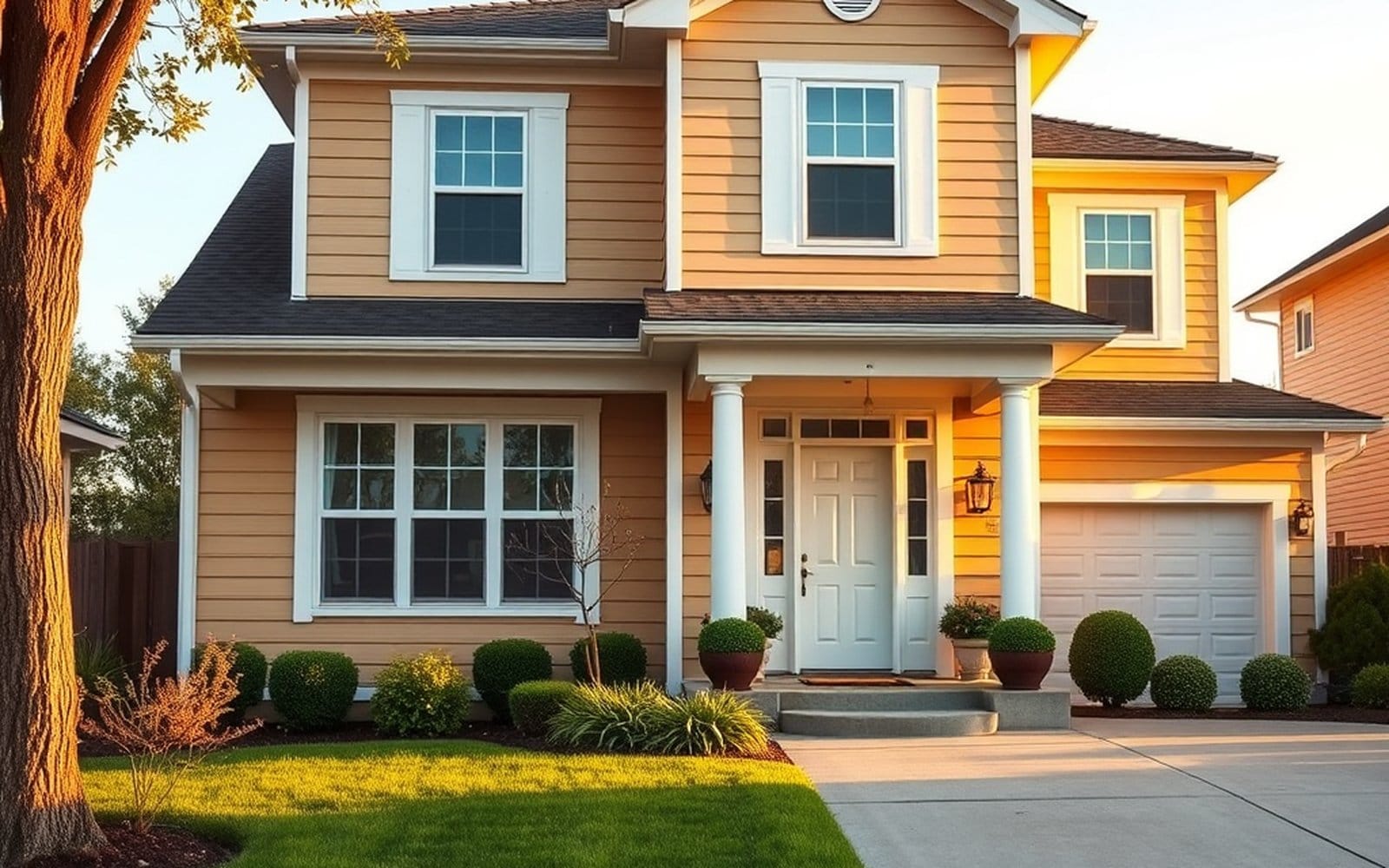
Painted brick is close to permanent. Brick is porous and it grips paint deep into its surface, so removing that paint later means aggressive chemical strippers, media blasting, or grinding, all of which risk eroding the face of the brick and the mortar. Many people who paint brick and later regret it find that the honest options are to repaint it forever or to undertake a difficult, costly removal. Our guide on how to remove paint from brick exists precisely because this is such a hard road, and reading it before you paint is one of the best ways to be sure.
There is also a maintenance reality. Once brick is painted, it joins the cycle of surfaces that need repainting periodically, whereas bare brick needs almost none. You are trading a low maintenance wall for a maintained one, permanently.
Because of all this, consider the alternatives honestly before committing:
- Limewash. A mineral wash that bonds to the brick, is breathable, gives a softer, more weathered look, and is far less of a permanent film than paint. Our guide on how to limewash brick covers this route, which many people prefer precisely because it is more forgiving and lets the wall breathe.
- Leaving it bare. Cleaning, repointing, and maybe sealing brick keeps its natural durability and reversibility. Sometimes the best thing you can do to brick is nothing but maintain it.
- Painting. The right call when you genuinely want a solid, uniform color, the brick is sound and dry, and you accept the permanence and maintenance.
If, after weighing that, you still want to paint, the rest of this guide is how to do it as safely as brick allows. The theme throughout is moisture and breathability, because those are what make or break a painted brick wall.
The Moisture and Breathability Problem
Brick and mortar are designed to manage water. They absorb some moisture and then let it evaporate back out, and the wall stays healthy as long as that cycle works. The danger with painting brick is that the wrong coating stops the wall from breathing. If you seal the outside face with a non breathable film, moisture that gets into the wall from the ground, from the inside, or from any leak has nowhere to go. It gets trapped behind the paint, and over freeze thaw cycles it can push the paint off, spall the face of the brick, and degrade the masonry.
This is why the product choice on brick is not a preference, it is a technical requirement. You want a breathable masonry paint, sometimes called a mineral or vapor permeable masonry coating, that lets water vapor pass through while still giving color and shedding bulk water. A standard exterior film that is not vapor permeable can do the opposite and is a poor choice on masonry. Confirm on the product data sheet that the paint is intended for exterior masonry and is vapor permeable, and follow that sheet over any general advice.
Because moisture is the core risk, this is also the point where a professional or a masonry specialist is worth consulting if anything about your wall is uncertain. A wall with a damp problem, rising damp, or a history of water issues should not be painted until the cause is diagnosed and fixed. Trapping an active moisture problem behind paint makes it worse and hides it, and none of this article is a substitute for a specialist looking at a wall that is behaving oddly.
Deal With Efflorescence and Moisture First
Efflorescence is the white, powdery, salty deposit you sometimes see on brick. It is salts carried to the surface by moisture moving through the masonry, and it is a signal, not just a stain. It tells you water is moving through the wall. If you paint over efflorescence, two things happen: the paint will not bond well to the powdery salt, and you have painted over a moisture message instead of addressing it.
So before any painting, remove efflorescence by brushing it off dry, following the guidance for masonry cleaning, and more importantly work out where the moisture is coming from and address it. That might be grading, gutters, downspouts, flashing, or a leak. If efflorescence keeps returning, the wall has an ongoing moisture source that must be solved before paint goes anywhere near it. Painting a wall that is actively pushing salts to the surface is painting over a problem that will keep working against the coating.
Clean the Brick and Let It Dry Fully
Brick has to be genuinely clean and genuinely dry before it is primed. Clean off dirt, mildew, dust, old loose coating, and any efflorescence using methods suited to masonry, and rinse. Then let it dry, and on brick that means longer than you expect, because masonry holds water deep inside. Coating brick that is still damp inside traps that moisture immediately, which is the exact failure you are trying to avoid.
Give the wall a stretch of dry weather to dry out after cleaning or rain, and coat only when the masonry is dry and conditions are within the product’s stated temperature and humidity range. There is no honest universal drying time, because it depends on your climate, the wall, and how wet it got, so judge the wall and follow the surface condition guidance on your primer and paint. Our general guide on cleaning surfaces before painting covers the cleaning principle, though masonry has its own considerations layered on top.
Repair the Mortar Joints
Do not paint over failing mortar. The mortar joints are part of the wall’s structure and its water management, and if they are cracked, crumbling, or missing chunks, that is where water gets in. Painting over bad joints seals a problem in place and wastes the coating.
Inspect every joint. Where mortar is deteriorating, it needs repointing, which is raking out the failed mortar and packing in fresh, before painting. Repointing is a skill of its own, and on a large or load bearing wall it is reasonable to bring in a mason. Let any new mortar cure fully before you paint over it, following the mortar product’s cure guidance, because fresh mortar is both wet and highly alkaline and both of those interfere with paint.
The alkalinity point matters generally with masonry. New or freshly repaired masonry can be too alkaline for some coatings for a while, so respect the cure and any curing time your paint system specifies for new masonry.
Prime With a Masonry Primer
Bare and repaired brick generally needs a masonry primer suited to the surface before the topcoat. Primer seals the porous brick, helps the topcoat bond and cover evenly, and can help manage the alkalinity of the masonry. Choose a primer designed for exterior masonry and, ideally, one compatible with a breathable topcoat system, so you do not solve breathability at the paint layer and undo it at the primer layer. Our overview of whether you need primer before painting explains the general logic, and on porous, alkaline brick a proper masonry primer is usually the right move. Follow the primer’s coverage and recoat window.
Apply the Masonry Paint
With clean, dry, sound, primed brick, apply the breathable masonry paint. Brick is textured and porous, so plan for it to use more paint than a smooth wall and for the first coat to soak in.
- Work in a suitable window. Dry weather, temperature and humidity within the product’s range, no rain during application and cure, and out of harsh direct sun that flashes the coating.
- Cut in the edges, corners, and around openings with a brush.
- Work the paint into the texture and the mortar joints. Brick has deep texture and recessed joints that a roller alone will bridge over, leaving voids. Back brushing, or using a brush and a masonry roller together, pushes paint into the pores and the joints so there are no gaps for water to sit.
- Apply the number of coats the product specifies, commonly two, letting each dry to recoat first. Brick’s porosity and texture make full, even coverage take more effort than a flat surface.
Our guide on how many coats of paint you need covers why two proper coats beat one heavy one, which holds on masonry too. After the final coat, let it cure per the product before judging it or exposing it to weather stress.
Estimating Brick: Expect It to Drink Paint
Brick’s texture and porosity make it one of the thirstier surfaces to coat, so estimate generously. Measure the wall area, subtract large openings, and remember that the rough, absorbent surface and the recessed mortar joints push real coverage below what a smooth wall would give. Our guides on the cost to paint a brick house and how much paint you need for a brick house break down the math, and the paint calculator turns your measurements into a planning estimate. Treat the label coverage as an upper bound and follow the actual product’s stated figures for masonry, which are usually lower than for siding.
Choosing the Right Brick Paint
The single most important product decision on brick is breathability. Use a masonry paint that is vapor permeable so the wall can still let moisture out, paired with a compatible masonry primer. Some situations call for an elastomeric masonry coating, which bridges hairline cracks, but elastomerics vary in vapor permeability, so if you consider one, verify it is appropriate for your wall and does not seal in moisture. We do not rank brands here, because the right product depends on your climate, your wall, and its condition. Our guide to the best paint for brick walks through the masonry coating categories to compare, and the data sheet on the can you choose, plus a specialist’s input for any problem wall, should override any general advice.
The Honest Bottom Line
Painting brick can look fantastic and it can also cause expensive problems if the moisture and breathability rules are ignored. Before you commit, be sure you want a permanent, maintained finish rather than the reversible, low maintenance alternatives like limewash or leaving the brick bare. If you proceed, treat clean, dry, sound masonry, repaired joints, an addressed moisture source, a masonry primer, and a breathable topcoat as non negotiable. And if your wall shows signs of a damp problem, spalling, persistent efflorescence, or you are unsure about any of it, get a masonry professional to look before you paint, because the cost of getting brick wrong is far higher than the cost of the advice.
Frequently asked questions
Is painting exterior brick a good idea?
It can be, but it is a near permanent, largely irreversible decision, so it deserves real thought first. Paint gives brick a solid, uniform color, but once brick is painted it is very hard to return to bare, it must be repainted periodically thereafter, and the wrong coating can trap moisture and damage the masonry. If you want a reversible, breathable, low maintenance change, limewash or simply cleaning and maintaining bare brick are often better options. Painting makes sense when you genuinely want the painted look, the brick is sound and dry, and you accept the commitment.
What kind of paint should I use on exterior brick?
Use a breathable masonry paint, meaning a vapor permeable coating made for exterior masonry, paired with a compatible masonry primer. Breathability matters because brick needs to let absorbed moisture evaporate, and a non breathable film traps water in the wall, leading to peeling and spalling. Some walls call for an elastomeric masonry coating to bridge fine cracks, but verify its vapor permeability first. Confirm on the data sheet that the product is intended for exterior masonry and lets vapor pass, and follow that sheet.
Why can painting brick trap moisture?
Brick and mortar naturally absorb and then release moisture, keeping the wall healthy as long as that cycle works. A non breathable paint film seals the outer face, so moisture entering from the ground, the interior, or a leak has no way to evaporate out. Trapped water then works behind the paint, and through freeze thaw cycles it can push the coating off and spall the brick face. That is why breathable masonry coatings, dry masonry before painting, and fixing any moisture source first are essential on brick.
What is efflorescence and can I paint over it?
Efflorescence is the white, powdery salt deposit that appears on brick when moisture carries salts to the surface. Do not paint over it. It signals that water is moving through the wall, and paint will not bond to the powdery salt. Brush the efflorescence off and, more importantly, find and fix the moisture source, whether that is grading, gutters, downspouts, flashing, or a leak. If efflorescence keeps returning, the wall has an ongoing moisture problem that must be solved before any paint goes on.
Do I need to repair the mortar before painting brick?
Yes. Failing mortar joints let water into the wall, and painting over cracked or crumbling mortar seals a problem in place. Inspect every joint and repoint any that are deteriorating, which means raking out the bad mortar and packing in fresh, before painting. Let new mortar cure fully before coating, since fresh mortar is wet and highly alkaline, both of which interfere with paint. Repointing is a real skill, so consider a mason for a large or structural wall.
Can I remove paint from brick later if I change my mind?
It is very difficult, which is the main reason to be sure before painting. Brick is porous and grips paint deep into its surface, so removal typically requires aggressive chemical strippers, media blasting, or grinding, all of which can erode the brick face and mortar. Many people find the realistic choices after painting are to keep repainting or to undertake a costly, damaging removal. Because of that, read our guide on removing paint from brick before you commit, and strongly consider a breathable limewash or leaving the brick bare instead.
Painting an interior brick fireplace instead? See how to paint a brick fireplace for the soot cleaning, the heat-zone limits, and the honest note that painting brick is hard to undo.
Thick flexible coatings come up on masonry for the same reason they come up on stucco, and they carry the same warning. See elastomeric coating for why a wall that needs to dry outward is the wrong place for a heavy film.