In this article
- How long does it take to paint vinyl siding
- Working time vs calendar time
- What drives the timeline
- What makes vinyl siding different on the clock
- A realistic timeline example
- Where the hidden time hides on vinyl
- DIY vs hiring a pro: the timeline difference
- Factors that change the timeline
- Frequently asked questions
Quick answer: A pro crew paints most vinyl siding in 2 to 4 working days of hands-on labor, which spreads to roughly 4 to 7 days start to finish once you add wash time, drying, and a second coat. A small ranch can be a one-coat, two-day job. A big two-story with a color change pushes toward the upper end.
That spread matters whether you are a homeowner trying to book a crew around a weekend party or a painter trying to slot the job into a packed summer calendar. The hands-on days are not the same as the calendar days, and missing that gap is how schedules slip. Below we break the timeline down by house size, walk one real project day by day, and show what speeds it up or drags it out. If you want a number for your own house before you read further, run the painting estimate calculator or grab a free painting estimate and use the timeline here to sanity check the schedule a contractor quotes you.
How long does it take to paint vinyl siding
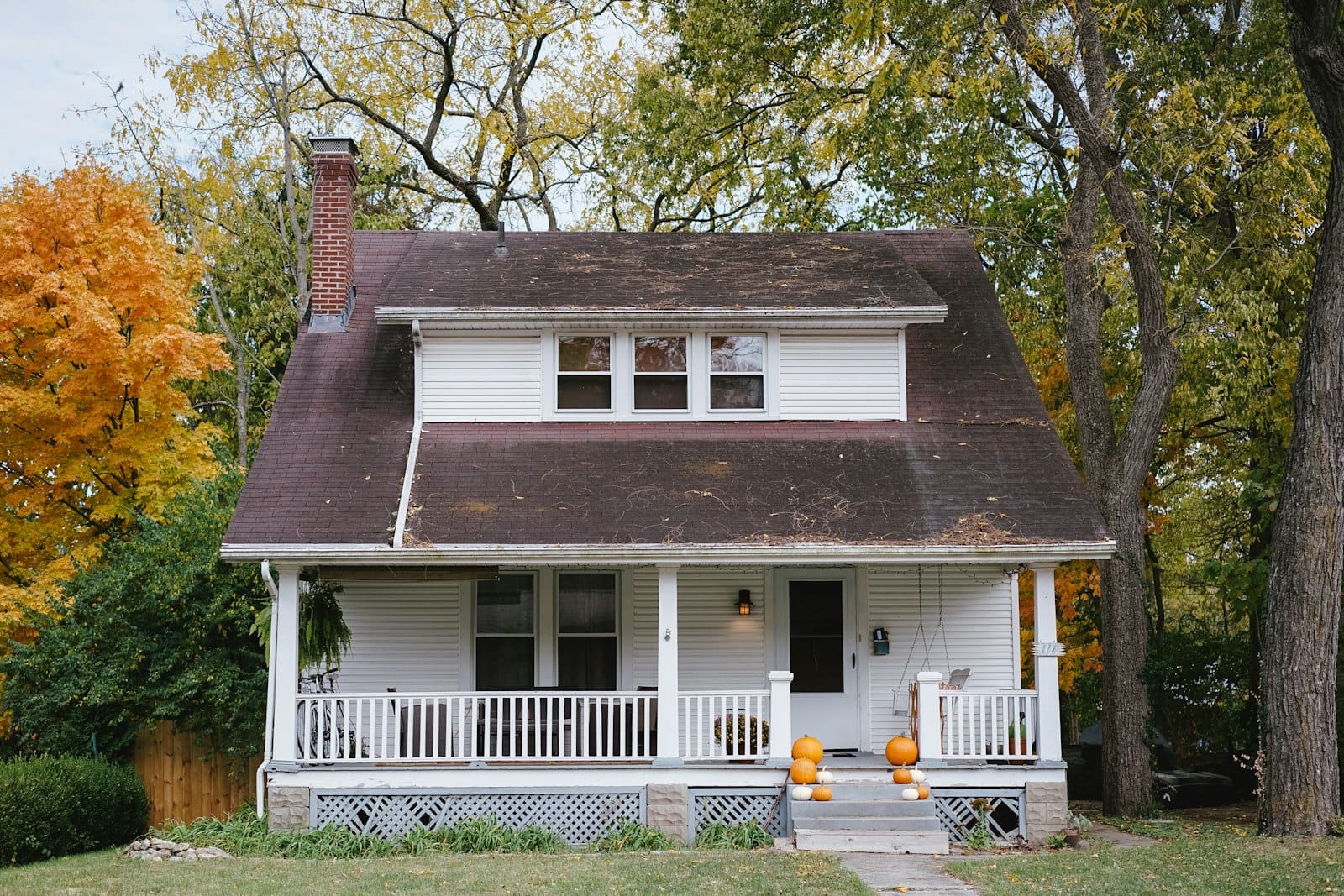
Vinyl is the fastest exterior surface to paint. It is smooth, it rarely needs scraping or sanding, and it sprays and back-rolls cleanly. The table below gives realistic ranges for a typical repaint in 2026, assuming decent weather and a two to three person crew.
| House size | Working time | Total calendar time | Notes |
|---|---|---|---|
| Small ranch (1,000 to 1,400 sq ft) | 2 working days | 3 to 4 days | One coat possible if staying same color family. |
| Average two-story (1,800 to 2,400 sq ft) | 3 working days | 4 to 6 days | Two coats, normal trim work. |
| Large two-story (2,800 to 3,500 sq ft) | 3 to 4 working days | 5 to 7 days | More setup, more cut-in around windows. |
| Dark color change (any size) | add half a day to a full day | add 1 to 2 days | Primer pass plus a slower-hiding topcoat. |
Working time vs calendar time
This is the distinction that trips up almost everyone. Working time is the number of days a crew is physically on your house with brushes and sprayers in hand. Calendar time is the total elapsed time from the day they pressure wash to the day they pack up, including the hours and overnight stretches when nobody is touching the house but the paint and the siding still need to do their thing.
Vinyl adds three unavoidable waits to the calendar. First, the siding has to dry fully after washing, which is usually several hours but can stretch to a full day in humid weather. Painting over damp vinyl traps moisture and ruins adhesion. Second, the first coat has to dry before the second goes on, typically 2 to 4 hours in good conditions. Third, the finished surface needs time to cure and harden before it shrugs off rain or scuffs. So a crew can finish their hands-on work in two or three days while the calendar quietly stretches to four, five, or more. When a contractor says three days, ask whether that is working days or door to door.
What drives the timeline
Painters do not pull timelines out of thin air. They estimate each phase from known production rates, then add the fixed drying waits. The job breaks into these phases:
- Wash and dry: A low-pressure wash to strip dirt, chalk, and mildew, then several hours to a full day of drying. Half a day of labor, but the dry time is calendar only.
- Prep and protect: Masking windows, doors, and landscaping, caulking gaps, and scraping the rare loose spot. On vinyl this is light, often half a day.
- Prime where needed: Bare patches or a dark color change get a bonding primer pass. Same-color refreshes often skip this.
- First coat: Spray and back-roll the field, brush the cut-in. Usually a full day for an average house.
- Dry between coats: A fixed wait governed by product and weather, not crew effort.
- Second coat: Faster than the first because the crew already knows the house. Often a half to full day.
- Cure: The slow final hardening that happens after the crew leaves.
Crews quote labor from painting production rates, the square-feet-per-hour numbers that turn wall area into days. The drying waits come straight from the product data sheet, and you can read more on that in our guide to how long paint should dry between coats. Add the two and you have a defensible schedule.
What makes vinyl siding different on the clock
The prep is genuinely light. Vinyl does not rot, it rarely cracks, and it almost never needs scraping or sanding. That removes the single biggest time sink that haunts wood jobs. On most vinyl repaints the crew goes from a clean, dry wall straight to spraying, which is why a small house can wrap in two days.
It sprays and back-rolls fast. The flat, repeating profile of vinyl is made for a sprayer. A crew can lay down a coat on a full elevation in a couple of hours, then back-roll to work the paint into the texture. That production rate is what keeps the working-day count low even on bigger homes.
Dark colors are the one slowdown. Going darker on vinyl means a bonding primer pass and a topcoat that hides more slowly, plus you must use a vinyl-safe formula so the siding does not warp from heat absorption. That extra primer pass and the slower coverage can add a half day to a full day of work and a day or two to the calendar.
A realistic timeline example
Picture an average 2,000 square foot two-story vinyl home, light blue going to a soft gray, three-person crew, good June weather:
- Day 1, morning: Low-pressure wash the whole house. Afternoon, masking and a quick caulk check while the siding starts to dry.
- Day 2: Siding is dry. Finish prep, spot prime the few bare areas, then spray and back-roll the first full coat across all elevations.
- Day 3, morning: First coat has cured overnight. Apply the second coat and cut in the trim by hand.
- Day 3, afternoon: Pull masking, touch up, walk the house with the homeowner, pack out.
That is 3 working days of crew labor across about 4 to 5 calendar days once you count the overnight dry. The paint keeps curing for days after, so hold off on leaning a ladder against it. For the estimating logic behind a schedule like this, see how we approach how to estimate exterior painting.
Where the hidden time hides on vinyl
Even on the fastest exterior surface, a few quiet steps eat hours that homeowners never see on the schedule and that inexperienced bidders forget to price. Knowing where they hide helps you read a quote and helps a painter avoid promising a date they cannot hit.
The first hidden cost is the wash dry. A crew can pressure wash a whole house in a morning, but if the afternoon is humid the siding may not be dry enough to coat until the next day, turning a planned two-day job into three calendar days with no extra labor. Smart crews wash the day before they intend to start coating for exactly this reason. The second is the cut-in. Vinyl sprays in minutes, but every window, door, light fixture, hose bib, and dryer vent has to be masked and then hand-brushed at the edges, and a house with a lot of windows can add half a day of slow detail work that the open-field spray rate hides. The third is access. A simple ranch on a flat lot moves fast, but a two-story on a sloped lot means more ladder setups, plank repositioning, and careful footing, all of which slow the same square footage. The fourth is touch-up. Pulling masking always reveals a few spots that need a brush, and a thorough crew budgets the final hour for it rather than skipping it. None of these are huge on their own, but together they are why an honest vinyl quote lands at three or four calendar days rather than the one day the spray speed alone might suggest. If you want to keep a fresh vinyl finish looking good for the full life of exterior paint, that careful cut-in and touch-up time is exactly what you are paying for.
DIY vs hiring a pro: the timeline difference
- A pro crew: Two to four people working full days with a sprayer finish an average house in 2 to 4 working days. Setup, spraying, and cleanup are routine, so calendar time stays tight.
- A DIY homeowner: Working alone, usually on weekends, with a roller and brush instead of a sprayer, the same house realistically takes three to five weekends. Washing eats one session, prep and the first coat another one or two, the second coat another, and weather steals a weekend or two.
- The honest gap: What a crew compresses into a few weekdays often stretches across a month for a solo homeowner. DIY saves labor cost but costs a large chunk of your calendar, and ladder time on a two-story is slow and risky.
Factors that change the timeline
- Weather and humidity: Cool, damp, or rainy stretches lengthen every dry window. High humidity alone can double the time the siding needs to dry after washing.
- Crew size: A two-person crew might take four days where a four-person crew finishes the same house in two. More hands shrink working time directly.
- Surface condition: Heavy chalking, mildew, or faded brittle vinyl means a more thorough wash and more spot priming, adding hours.
- Access and height: Steep lots, tall gables, and tight side yards slow setup and force more ladder repositioning.
- Color change and number of coats: A dramatic color shift forces a primer pass and sometimes a third coat, each adding to both working and calendar days.
One more practical note for planning around the calendar. Vinyl is forgiving enough that a crew can often start the wash on a Thursday, prep and coat Friday, and finish the second coat early the next week, working around a weekend without much penalty. That flexibility is unique to vinyl among exterior surfaces, and it is worth asking a contractor to schedule the wash and the first coat on back-to-back dry days so the siding never sits damp. If a heat wave is forecast and you are going dark, push the job a week. Dark vinyl absorbs heat, and coating it in the hottest part of a summer afternoon invites lap marks and slow drying that can quietly cost you an extra pass.
Ready to put a real number and schedule on your project? Run the painting estimate calculator or request a free painting estimate to see the price beside the timeline. While you plan, it helps to know the cost to paint vinyl siding and, if you are the one bidding the work, how much to charge to paint vinyl siding. Comparing surfaces? See how the clock runs on aluminum siding, wood siding, and a brick house, or step back to the full house exterior painting timeline.
Frequently asked questions
How long does it take to paint vinyl siding on an average house?
Plan on 2 to 4 working days of hands-on crew labor and about 4 to 7 calendar days door to door. An average 2,000 square foot two-story usually lands at 3 working days. The calendar stretches because the siding has to dry after washing and the first coat has to dry before the second goes on.
Why does a dark color take longer on vinyl?
Dark colors need a bonding primer pass first, and the topcoat hides more slowly so it often needs an extra pass. You also must use a vinyl-safe dark formula so the siding does not warp from heat. Together that adds roughly a half day to a full day of work and a day or two to the calendar.
Can vinyl siding be painted in a day?
A small single-story house staying in the same color family can be washed and given one coat in a single long working day. Most jobs cannot, because a proper repaint needs two coats with dry time between them, plus the siding must be fully dry after washing before any paint goes on.
How long before I can touch or wash the painted siding?
The surface is dry to the touch within a few hours, but it keeps curing for days. Avoid leaning ladders, hanging decorations, or pressure washing for at least two weeks so the finish can harden fully. Light rain after the paint is dry to the touch is usually fine, but a soft hand wash should wait a month.
Does washing the siding really add a whole day?
Often yes, in calendar terms. The wash itself is just a few hours of labor, but the siding has to dry completely before any paint touches it. In humid or cool weather that dry window can stretch to a full day, which is why crews wash on day one and start coating on day two.
Picking up materials first? See how much paint vinyl siding needs.