In this article
About the cost figures on this page
Any cost ranges shown here are illustrative estimates, not a quote. What you actually pay varies widely with your location and local labour rates, the size and condition of the surfaces, access and setup, the products specified, how much prep the job needs, and the time of year. Use these numbers to sanity check a quote you have been given and to understand what drives the total, then get written quotes from local contractors before you budget. You can also build an estimate around your own project with the free calculator.
Quick answer: In 2026, most US painters charge $1.50 to $4.00 per square foot of siding to paint vinyl, which lands a typical single-story to two-story house in the $3,500 to $12,000 range. The spread is wide because vinyl-safe paint, careful low-pressure washing, and house access all move the number. Price the material upgrade and the prep honestly and you protect your margin instead of winning a job you lose money on.
This guide is for the contractor setting the quote, not the homeowner reading their bill. If you want to turn a measured house into a number fast, run it through the painting estimate calculator or build a clean free painting estimate to hand the customer. Below is how the price actually comes together, surface by surface, so your vinyl quotes stay competitive and profitable.
How much to charge to paint vinyl siding
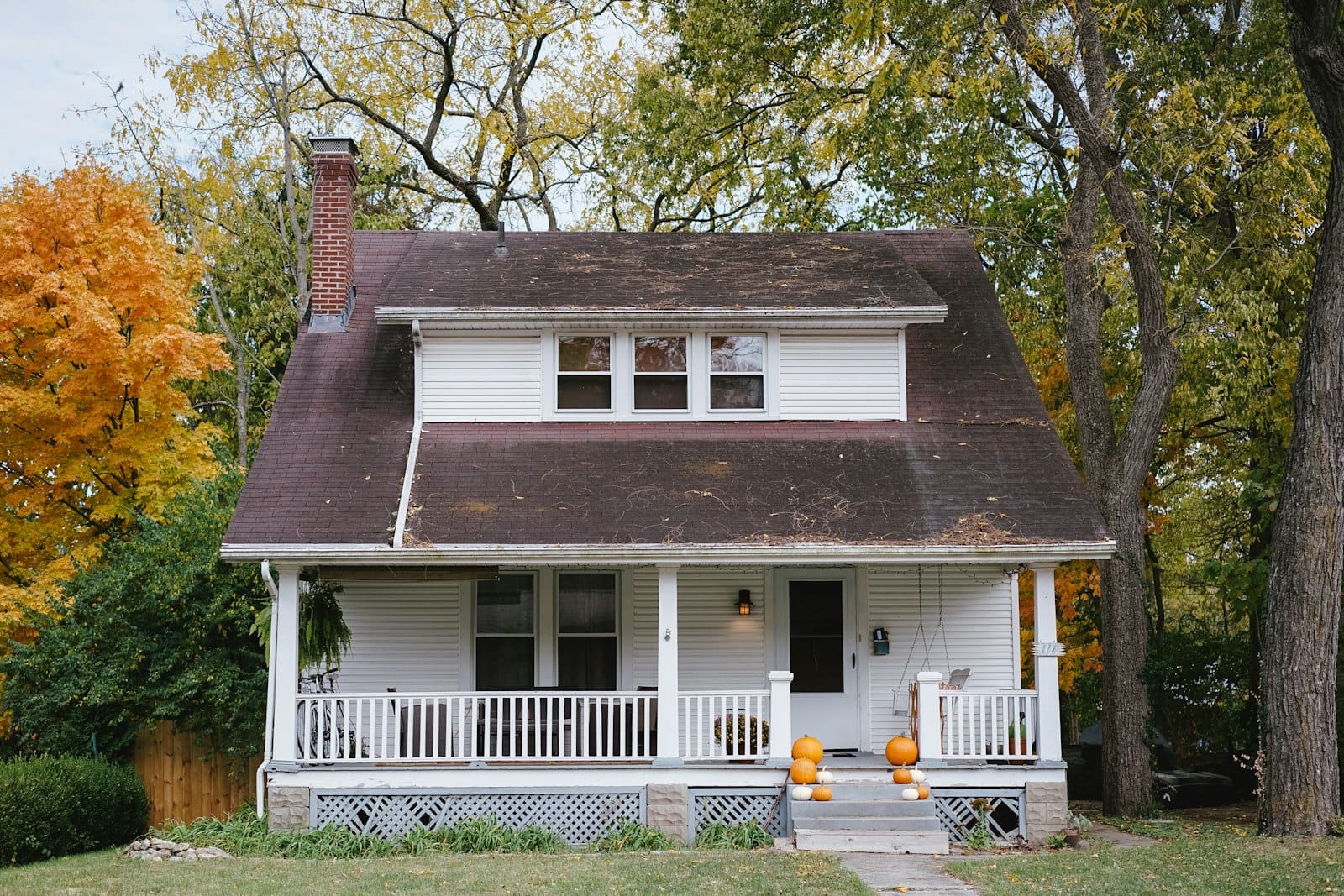
Vinyl is one of the friendlier exterior surfaces to quote because the prep is usually light and the surface is consistent. The main cost driver is the surface area of the walls, followed by the vinyl-safe paint and bonding primer you have to spec. Here is a realistic 2026 pricing grid.
| House size | Per sq ft (low to high) | Typical job total | Notes |
|---|---|---|---|
| Small single-story (1,000 to 1,400 sq ft) | $1.50 to $2.75 | $3,500 to $6,000 | Light wash, one color |
| Average two-story (1,500 to 2,200 sq ft) | $2.00 to $3.25 | $5,500 to $9,500 | Some ladder work |
| Large two-story (2,500 sq ft and up) | $2.50 to $4.00 | $8,500 to $12,000 | High walls, more access |
| Color change or faded vinyl | $2.75 to $4.00 | Add 10 to 20 percent | Primer plus two coats |
Note that per square foot here means per square foot of siding surface, not floor area. Measure the wall planes, subtract big openings, and bill the area you actually coat. For the method behind that, see how to price by the foot in how to price painting jobs per square foot. For context on what your customer is comparing your bid against, cost to paint vinyl siding shows what homeowners expect to pay, so you can position your quote inside that window rather than blowing past it.
Three ways to price it
There are three defensible ways to price a vinyl siding job, and the right one depends on how confident you are in the scope.
- Per square foot. The cleanest method for vinyl, because the surface is uniform and predictable. Measure the wall area, pick your rate from the grid above, and multiply. This works best on straightforward houses where the prep is light and known.
- Per hour. Useful when the prep is uncertain: cracked panels to replace, heavy mildew, or a tricky color change. Quote a labor rate of $40 to $75 per painter-hour plus materials, and protect yourself when you cannot see the full scope until you start washing.
- Flat rate. What you hand the customer. You calculate per foot or per hour internally, then present one clean number for the whole job. Homeowners want a flat price they can sign, so do your math privately and quote a single figure with the scope spelled out.
Most pros price vinyl per square foot internally, then deliver a flat rate. The hourly method is your safety net for the messy jobs. Whichever you use, the goal is the same defensible bottom-up number underneath.
The bottom-up formula
A quote that wins and still profits is built from the bottom up, not pulled from thin air. Here is the formula every vinyl job should pass through:
Quote = (labor hours x crew rate) + materials + materials markup + overhead + profit margin
- Labor hours. Estimate from production rates: how many square feet your crew preps and coats per hour. Wash, prime where needed, and two coats on vinyl.
- Crew rate. Your loaded hourly cost per painter, including taxes, insurance, and workers comp, not just take-home pay.
- Materials. Vinyl-safe paint, bonding primer, masking, and washing supplies. Vinyl-safe paint costs more than standard exterior paint, so price the real product.
- Materials markup. Mark up paint and supplies 15 to 30 percent. You carry, store, and warranty those materials, so they are not a pass-through. See painting contractor markup percentage for where to set it.
- Overhead. Your truck, insurance, software, and office time spread across every job.
- Profit margin. The number left after everything else, and the reason you are in business. Build a target margin into your painting business profit margin, do not hope it survives.
Run every vinyl quote through this and you will never accidentally bid a job at break-even. The per-square-foot rate is just shorthand for this formula on a typical house.
What makes vinyl siding different to quote
Vinyl is not generic exterior. Three specifics change how you price it, and getting them wrong is how painters lose money or take a callback.
You must spec vinyl-safe paint and bonding primer. Vinyl expands and contracts with temperature, and ordinary exterior paint can crack or peel on it. You need a 100 percent acrylic vinyl-safe formula, often over a bonding primer, especially on faded or chalky panels. That material is pricier than standard exterior paint, so build the upgrade into your materials line. Quoting standard paint to look cheaper is how you end up redoing the job under warranty.
The prep is light but the wash matters. Vinyl usually needs only a careful low-pressure wash to strip dirt, mildew, and chalk, not heavy scraping and sanding. That keeps your labor hours down, which is good for your bid. But it has to be low pressure: blast vinyl with a high-pressure washer and you drive water behind the panels, where it causes problems you will get blamed for. Price an hour or two of careful washing, and never skip it, because paint will not bond to a chalky panel.
Warn the customer about dark colors. This is the big one. Painting vinyl a darker shade than the original absorbs more heat, and vinyl can warp, buckle, or void its own warranty if it gets too hot. Some manufacturers and vinyl-safe paint lines publish a maximum light reflectance value. If a customer wants to go dark, quote only heat-reflective vinyl-safe paint rated for it, and put the warp risk in writing. Otherwise you are signing up for a warp callback that comes out of your pocket. This single conversation protects your margin more than any other on a vinyl job.
A worked quote example
Walk through a real number on an average two-story house with roughly 2,400 square feet of vinyl wall area, light prep, one color, repainting the same shade.
- Labor. At a production rate of about 200 square feet coated per painter-hour over two coats, plus washing and masking, call it 36 crew-hours. At a loaded crew rate of $55 per hour, that is $1,980.
- Materials. Roughly 16 gallons of vinyl-safe paint and bonding primer, plus masking and wash supplies, at about $750.
- Materials markup. 20 percent on $750 is $150.
- Overhead. Allocate $400 of fixed overhead to this job.
- Subtotal so far. $1,980 + $750 + $150 + $400 = $3,280.
- Profit margin. Add a 25 percent margin on top: $3,280 divided by 0.75 is about $4,375.
So you quote roughly $4,375, which on 2,400 square feet works out to about $1.82 per square foot. That sits comfortably in the competitive band for an easy vinyl job, and every dollar of cost is accounted for. If the customer wanted a dark color change, you would add the heat-reflective paint upgrade and a primer coat, pushing the number toward $5,500. For the full estimating workflow on exteriors, see how to estimate exterior painting.
Do not underbid
Vinyl looks easy, and that is exactly the trap. Here is where painters quietly lose money on it.
- Speccing the wrong paint to look cheap. Standard exterior paint on vinyl is a callback waiting to happen. Quote the vinyl-safe product and defend the price. A redo erases your whole margin and your reputation.
- Skipping or rushing the wash. Paint over chalk or mildew and it fails within a season. The wash is cheap insurance, so price it and do it.
- Not pricing the dark-color risk. If you let a customer go dark on ordinary vinyl-safe paint and the panels warp, that is your liability. Quote the right product or decline the color in writing.
- Forgetting access and height. Tall walls, steep grades, and tight setbacks slow the crew. Two-story access is real labor, so it belongs in your hours, not absorbed into a flat low bid.
- Pricing against the cheapest bidder. There is always someone quoting standard paint and skipping the wash. Let them. Your customer comparing against cost to paint vinyl siding already expects a real range, so sell the durable job.
The margin-killer on vinyl is almost never the labor. It is the material shortcut and the dark-color warp risk. Price both correctly and vinyl is one of the most profitable exteriors you can take.
Regional and access factors that move your rate
The grid above is a starting point, not a fixed price. The same vinyl house can carry very different quotes depending on where it sits and how easy it is to reach. Factor these in before you commit.
- Region and local labor cost. Your loaded crew rate sets the floor on the price, and that rate swings by market. A vinyl house might quote $1.75 per square foot in a low-cost area and $3.25 in a major metro. Price to your own wages, insurance, and overhead, not to a national figure that does not reflect your costs.
- Two-story access. Vinyl on a second story means ladder time and a slower, more careful pace at height. That is real labor, so it belongs in your hours rather than getting absorbed into a flat single-story rate.
- Grade, landscaping, and obstacles. Steep yards, tight setbacks, decks, and dense shrubs slow ladder placement and add masking. A house you can walk around freely paints faster than one boxed in by fences and a hillside.
- Cracked or loose panels. Vinyl that needs a few panels replaced or refastened before painting adds material and labor. Spot these on the walk-around and price the repair, do not discover it mid-coat.
- Color and coverage. A same-color refresh is straightforward. A lighter color over a faded dark panel, or a color change, can need a primer coat and sometimes two finish coats. Price the coverage you can see being required.
The reliable way to handle all of this is to quote from a walk-around, not a phone description. Measure the walls, check the panels and access on every elevation, then apply your rate. That small discipline keeps a clean vinyl job profitable. For the structured version, see how to estimate exterior painting.
Ready to price your next vinyl job? Size it in two minutes with the painting estimate calculator, or build a clean free painting estimate to hand the customer. For how this fits a whole-exterior bid, see how much to charge to paint a house exterior, and compare your siding rates against aluminum siding, wood siding, and a brick house.
Stop rebuilding this quote from scratch every time.
PaintPricing turns the numbers you just worked out into a clean, branded quote in minutes, so you can send it before your competitor calls back. Free for your first 3 quotes, no card required.
Frequently asked questions
How much should I charge per square foot to paint vinyl siding?
Most painters charge $1.50 to $4.00 per square foot of siding surface to paint vinyl in 2026. Light-prep, single-color repaints on accessible houses sit at the low end, while color changes, faded panels needing primer, and tall two-story walls push toward the high end. Always price per square foot of wall area, not floor area, and build your number up from labor, materials, and margin.
What is a typical total to paint a vinyl-sided house?
A typical vinyl repaint runs $3,500 to $12,000 depending on house size and prep. A small single-story falls near $3,500 to $6,000, an average two-story lands around $5,500 to $9,500, and a large or color-change job can reach $12,000. The biggest swing factors are wall area, whether a bonding primer coat is needed, and house access.
Do I need special paint for vinyl siding, and should I charge more for it?
Yes. Vinyl flexes with temperature, so you need a 100 percent acrylic vinyl-safe paint, often over a bonding primer. It costs more than standard exterior paint, so build that into your materials line and mark it up. Quoting cheaper standard paint to win the bid invites cracking and peeling that you redo under warranty at your own expense.
Can I paint vinyl siding a dark color?
Only with heat-reflective vinyl-safe paint rated for darker shades. Dark colors absorb heat, and vinyl can warp or buckle if it gets too hot, which can void its warranty. If a customer wants to go dark, quote the correct product and put the warp risk in writing. Otherwise you take on a callback liability that erases your profit on the job.
Why is washing so important when pricing a vinyl job?
Vinyl collects chalk, dirt, and mildew, and paint will not bond to a dirty panel. A careful low-pressure wash is mandatory, so price an hour or two for it. It must be low pressure, because high-pressure washing forces water behind the panels. Skipping the wash to shave the bid leads to early paint failure that costs far more to fix than the wash would have.
Scheduling the crew? See how long it takes to paint vinyl siding.
Tired of quoting by hand? See painting estimate software options.