In this article
About the cost figures on this page
Any cost ranges shown here are illustrative estimates, not a quote. What you actually pay varies widely with your location and local labour rates, the size and condition of the surfaces, access and setup, the products specified, how much prep the job needs, and the time of year. Use these numbers to sanity check a quote you have been given and to understand what drives the total, then get written quotes from local contractors before you budget. You can also build an estimate around your own project with the free calculator.
Quick answer: Charge $1.50 to $4 per square foot of wall area to paint a house exterior, which puts a typical single-story home at $3,000 to $7,000 and a two-story home at $5,000 to $12,000 or more. Price by measured wall area, then add separate lines for prep and for trim, soffits, and fascia.
This is a contractor-side number, not a homeowner budget. Your job is to quote a price that wins the work and still clears profit after labor, paint, overhead, and the heavy prep exterior siding demands. Run your real numbers through the painting calculator and build the line items with the free estimate tool so nothing gets buried in a single lump sum.
What to charge to paint a house exterior
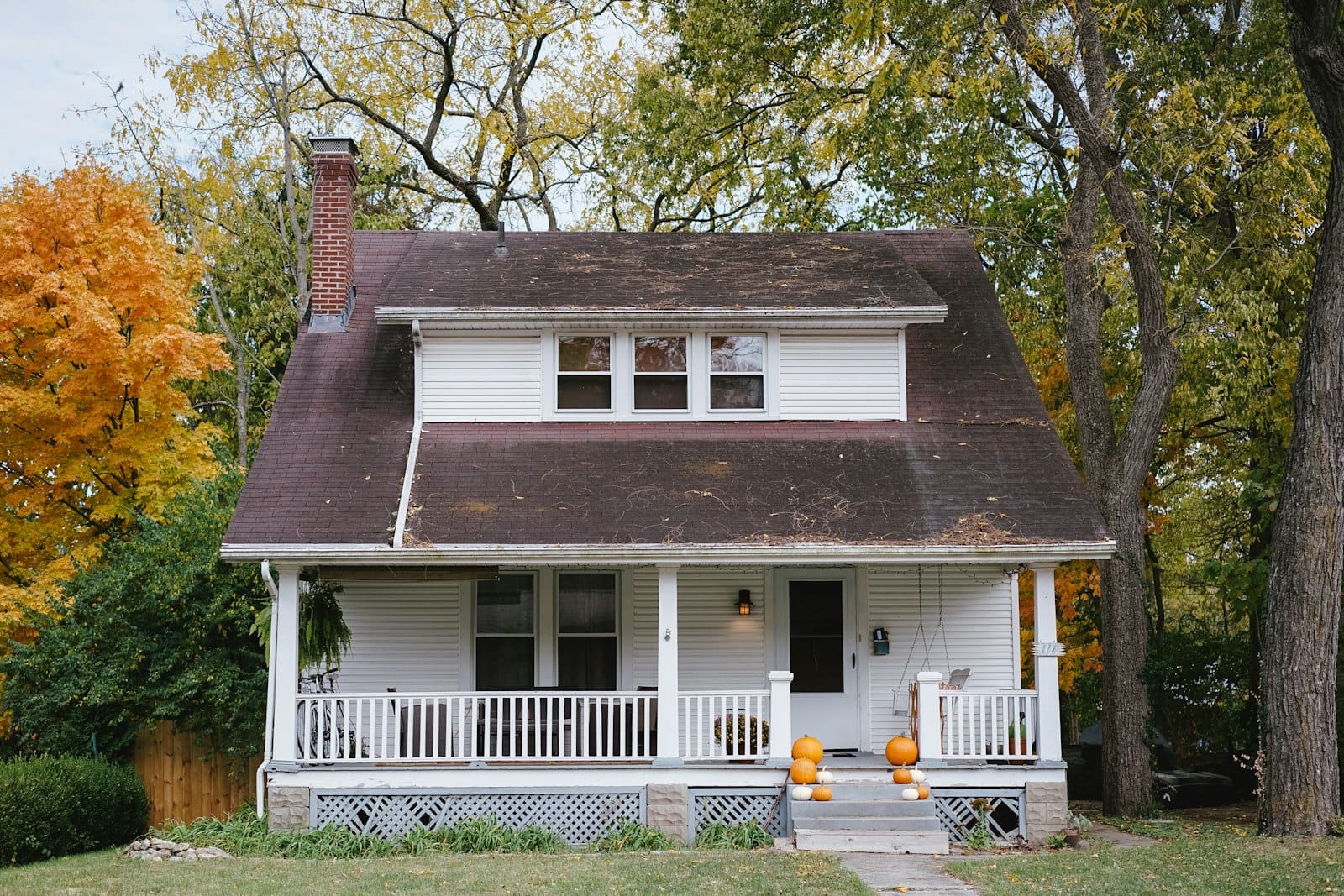
Exterior pricing swings on three things: measured wall area, siding type, and prep condition. A clean, recently painted vinyl box prices nothing like a 1920s wood home with peeling paint and rotted fascia. Use the ranges below as your starting quote, then adjust up for stories, access, and prep.
| Home size | Wall area (approx) | Typical quote | Per sq ft (wall) |
|---|---|---|---|
| Small single-story (1,000 sq ft floor) | 1,300 to 1,600 sq ft | $3,000 to $5,000 | $1.80 to $3.20 |
| Mid single-story (1,500 sq ft floor) | 1,800 to 2,200 sq ft | $4,000 to $7,000 | $2.00 to $3.40 |
| Two-story (2,000 sq ft floor) | 2,600 to 3,200 sq ft | $5,000 to $9,000 | $2.20 to $3.60 |
| Large two-story (2,800+ sq ft floor) | 3,400 to 4,500 sq ft | $8,000 to $12,000+ | $2.60 to $4.00 |
Siding type moves the per-foot rate hard. Quick rules of thumb on top of the base wall-area rate:
- Vinyl and aluminum: lowest labor if sound, sprays fast, light prep. Stay near the bottom of the range.
- Wood lap and shingle: the most labor. Scraping, sanding, and spot-priming bare wood pushes you toward the top.
- Stucco: heavy texture eats paint and needs back-rolling. Add 15 to 25 percent over a smooth-siding quote on material and labor.
- Brick (painting it): masonry primer plus a soaking first coat. Price high and warn the homeowner it is permanent.
- Fiber cement (Hardie): stable and paint-friendly, mid-range labor.
Always quote prep and trim as their own lines. Burying $1,500 of scraping inside a per-foot field rate is how painters lose money when the wash exposes more peeling than the walk-through showed.
Stories matter as much as floor area. A 1,500 sq ft single-story ranch and a 1,500 sq ft two-story townhouse have wildly different wall areas and access. The two-story carries taller walls, more ladder time, and a real safety cost, which is why the per-foot rate creeps up as you climb. When you quote a tall home, you are pricing the risk and the slow careful work, not just the extra square footage. Account for it or the job will run long.
Condition grading helps you bid consistently. Before you write a number, slot the house into one of three buckets so your prep line is not a guess:
| Condition | What you see | Prep load | Rate impact |
|---|---|---|---|
| Good | Sound paint, minor chalking, no peeling | Wash, spot-caulk, light spot-prime | Bottom of range |
| Fair | Some peeling, faded, isolated bare wood | Wash, scrape, sand, spot-prime, caulk | Middle of range |
| Poor | Widespread peeling, rot, failed caulk | Heavy scrape, full prime, carpentry repairs | Top of range plus allowances |
How to price exterior house painting
Three methods, and most painters blend them. Per square foot of wall area is the cleanest for bidding and the easiest to defend to a customer. Read the full method in the per square foot pricing guide, then layer your exterior judgment on top with the exterior estimating workflow.
- Per square foot of wall area: measure perimeter times wall height, deduct big openings loosely. Multiply by your rate. Fast and consistent across bids.
- By the day: good for ugly prep jobs where area lies to you. Price your crew-day cost, estimate days honestly, and add a weather-day cushion.
- Per linear foot of trim: price fascia, soffit, and trim runs separately at $1 to $3 per linear foot since they carry slow, detailed labor that field walls do not.
Prep is the variable that decides whether a quote is fat or thin. Two homes with identical wall area can be 40 percent apart in price because one needs a full scrape-and-prime and the other needs a wash and go. Walk the house, photograph every failing section, and price the prep you actually see, not the prep you hope for.
Measure the house properly so your area is not a guess. Walk the perimeter with a wheel and multiply by average wall height, then add gables. A simple field method that holds up:
- Perimeter: measure all the way around at ground level.
- Wall height: use 9 to 10 ft per story as a working average.
- Gables: add roughly half the gable base times its height for each end.
- Deductions: subtract large garage doors and big window banks loosely, then leave the small windows in as your cutting-in time.
That gives you a defensible wall-area number to multiply by your rate, and it keeps your bids consistent from house to house instead of eyeballed. Consistency is what lets you look back at finished jobs and trust your rate.
Build the price: labor, materials, markup, profit
Do not pull a number out of the air. Build it. The formula stacks four pieces:
Quote = Labor + Materials + Markup (overhead) + Profit margin
- Labor: crew hours times burdened hourly cost. Use real production rates for exterior work, which run slower than interior because of ladders, weather, and prep.
- Materials: paint, primer, caulk, masking, sandpaper, sprayer tips. Mark materials up 15 to 30 percent. The contractor markup guide covers how to set the number.
- Overhead and markup: truck, insurance, fuel, phone, software, the part of your week that is not on a ladder. This is the markup that keeps the doors open.
- Profit: what is left after everything. Target a healthy net profit margin, not the leftover crumbs.
If you skip the markup and profit lines and just price labor plus paint, you are running a hobby. Exterior jobs have enough hidden labor that a thin quote turns into a loss the first time it rains for three days.
Worked quote example
Mid single-story wood home, 2,000 sq ft of wall area, paint in fair condition with moderate scraping needed.
- Field walls: 2,000 sq ft at $1.40 labor-and-paint base = $2,800
- Prep (wash, scrape, sand, spot-prime): 18 crew hours at $55 = $990
- Trim, soffit, fascia: 320 linear feet at $2.00 = $640
- Materials beyond field (caulk, masking, primer, sundries): $260
- Subtotal cost basis: $4,690
- Overhead and profit (35 percent): $1,640
- Quote to customer: $6,330
That lands inside the mid single-story range and protects you on prep. Adjust the 35 percent loading to whatever your target margin requires once overhead is covered.
What painters underestimate on exterior jobs
The field walls are the easy part. These are the lines that quietly eat the day:
- Power washing: a full day on a big house, plus dry time before you can paint. Bill it.
- Scraping and sanding: the single biggest unknown. Peeling paint always covers more area than the walk-through suggested.
- Carpentry repairs: rotted fascia, soft trim, failed glazing. Quote these as allowances or change orders, never absorb them.
- Masking and protection: windows, doors, lights, plants, AC units, walkways. Hours of taping before a drop of paint flies.
- Weather days: rain, heat, dew, wind. Exterior schedules slip. Pad your day count.
- Ladders, scaffolding, and access: second and third stories, steep grade, tight setbacks. Slow, careful, and a safety cost.
- Two coats on a color change: covering dark with light, or bare wood, can mean a third hit in spots.
Underprice any two of these and the profit on a $6,000 exterior is gone. Price them as visible lines so the customer sees the value and so you have a paper trail when the scope grows.
Set your prep allowances in writing. The smartest exterior bids carry a stated carpentry and prep allowance, for example “up to 8 hours of carpentry repair included, additional billed at $65 per hour with prior approval.” That single line protects your margin and removes the awkward conversation when the wash uncovers soft fascia you could not see from the ground. Customers respect a clear allowance far more than a surprise bill, and it keeps you from eating scope you never quoted.
Pad for access honestly. A house on a steep lot, a home boxed in by mature landscaping, or a third story over a hardscape patio all slow the crew and raise the safety cost. None of that shows up in wall area. Add a line or bump the rate, and never assume a ladder reaches what it does not. A single scaffolding setup can add a day, and a day is real money against your profit.
Two more numbers move exterior margin and rarely make it into a green painter’s bid. First, two coats on a color change. Going from a dark body to a light one, or covering bare wood, often needs a primer plus two finish coats instead of one, and that is 50 percent more field labor on the walls. Confirm the color change at the walk-through and price the coats you will actually apply. Second, the spray-and-back-roll reality on stucco and rough siding. You spray to get material on, then back-roll or back-brush to work it into the texture, which is effectively a double pass. Texture also drinks paint, so your material line climbs along with the labor.
Price the small stuff as a bundle so it does not vanish. Gutters left in place that need cutting around, exterior light fixtures, house numbers, hose bibs, dryer vents, and downspouts all force the crew to detail and mask. None of it is a big line by itself, but together it is an afternoon. A simple “details and fixtures” allowance keeps that labor visible and keeps your day count honest.
If a homeowner pushes back on your number, it helps to point them to the buyer-side picture: the cost to paint a house guide shows what jobs like theirs run. For ordering, the exterior paint quantity guide tells you how many gallons to buy so your material line is accurate, not guessed.
Ready to quote? Build clean, itemized exterior estimates with the free estimate tool and confirm your labor and material math in the calculator before you hand over a number. For related siding work, see how to charge for an interior repaint or a fence.
Stop rebuilding this quote from scratch every time.
PaintPricing turns the numbers you just worked out into a clean, branded quote in minutes, so you can send it before your competitor calls back. Free for your first 3 quotes, no card required.
Frequently asked questions
Should I quote exterior by square foot or by the day?
Quote by square foot of wall area when the surface is sound and predictable, because it is fast and easy to defend. Switch to by-the-day pricing when prep is heavy and the area count understates the labor. Many painters bid the walls per foot and add prep as a day-rate or allowance line.
How much should I add for prep on an exterior repaint?
It depends entirely on condition. A wash-and-go vinyl home needs almost nothing, while a peeling wood home can carry 20 to 40 percent of the total in scraping, sanding, and priming. Walk the house, photograph the failures, and price the prep you actually see as its own line.
What per-square-foot rate should I charge for exterior painting?
$1.50 to $4 per square foot of wall area is the working range in 2026. Vinyl in good shape sits near the bottom, while textured stucco, bare wood, and multi-story access push you toward the top. The rate should already include your overhead and target profit, not just labor and paint.
Do I charge separately for trim, soffits, and fascia?
Yes. Trim, soffit, and fascia carry slow, detailed labor that field walls do not, so price them per linear foot at $1 to $3 or as their own labor line. Folding them into the field rate underprices the most time-consuming part of an exterior job.
How do I protect my margin if rain delays the job?
Build weather days into your day count and your schedule so a three-day rain stretch does not eat your profit. Keep your quote loaded with overhead and profit rather than priced at bare cost, and use change orders for any scope the wash uncovers once you are on site.
Quoting individual surfaces? See the homeowner cost to paint a brick house, wood siding, and gutters.
Quoting one surface at a time? See how much to charge to paint vinyl siding, a brick house, and stucco.
Still estimating in a spreadsheet? Compare estimating software built for painters.
Homeowners price exteriors by height. See the cost to paint a one story and two story house exterior to match their expectations.
By home height: see how much to charge to paint a one story versus a two story house exterior.