In this article
- Mudroom painting price overview
- What drives your price on a mudroom
- Three ways painters price a mudroom
- Build the price from the bottom up
- A worked quote example
- Do not underbid the mudroom
- Price the built ins and the finish, not the floor
- Frequently asked questions
- How much should I charge to paint a mudroom?
- Why does a small mudroom cost more than its square footage suggests?
- What finish should I quote for a mudroom?
- Should I charge separately to paint the built in bench and cubbies?
- Is a mudroom worth taking as a standalone job?
- How do I handle the extra trim and doors in a mudroom?
About the cost figures on this page
Any cost ranges shown here are illustrative estimates, not a quote. What you actually pay varies widely with your location and local labour rates, the size and condition of the surfaces, access and setup, the products specified, how much prep the job needs, and the time of year. Use these numbers to sanity check a quote you have been given and to understand what drives the total, then get written quotes from local contractors before you budget. You can also build an estimate around your own project with the free calculator.
Quick answer: Most painters should charge $275 to $650 to paint a mudroom, and the price is driven by the durable scrubbable finish it needs, the built ins you have to cut around, and your job minimum. A mudroom is a small entry and utility space, but it is high traffic and full of benches, cubbies, hooks, and built in storage, so the cut in time and the better paint do the work, not the square footage.
Because a mudroom mixes a small footprint with heavy cut in work, quote it through your painting estimate calculator so labor, the upgraded finish, and your minimum are all accounted for. If you want to pressure test the number, generate a free painting estimate and confirm it covers the durable paint and the built in detailing, not just the open walls.
Mudroom painting price overview
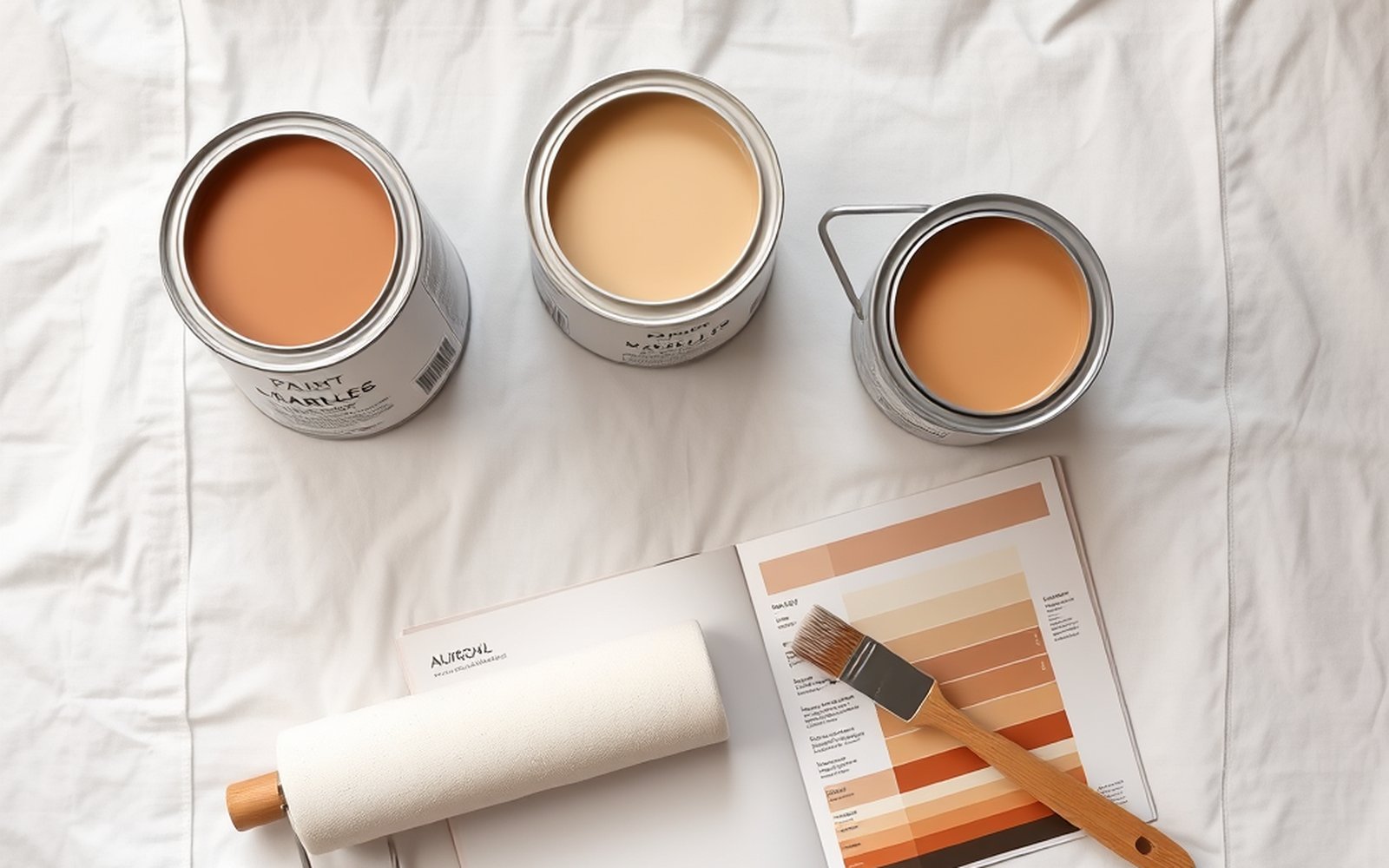
A mudroom is typically 40 to 90 square feet, sitting between the garage or back door and the rest of the house. It absorbs dirt, moisture, and daily abuse, so it almost always calls for a durable, scrubbable finish rather than a flat wall paint. It is also dense with built ins, a bench, cubbies, hooks, lockers, and shelving, all of which slow your cut in. The table below scopes the charge by how much detailing and durability the job demands.
| Scope of work | What is included | Typical charge |
|---|---|---|
| Walls only refresh | One to two coats of a scrubbable finish, cut around existing built ins | $275 to $400 |
| Walls and ceiling | Walls plus ceiling, durable paint, mask the bench and cubbies | $375 to $500 |
| Walls, ceiling, and trim | Add trim, door, and casing, detailed cut in around hooks and shelving | $450 to $625 |
| Full repaint with built ins | Everything above plus painting the bench, cubbies, or locker faces | $575 to $1,000 |
On the charge ladder, a mudroom sits near a hallway paint job, because both are transitional, high traffic spaces that need a tougher finish than a bedroom. A homeowner who balks at the number can review the cost to paint a mudroom from their side, which frames your durable finish and built in detailing as standard, not as upsell.
What drives your price on a mudroom
Durable scrubbable finish. A mudroom takes daily abuse from shoes, bags, and weather. You should be quoting a washable satin or semi gloss, sometimes an enamel on the lower walls, which costs more per gallon than a flat. Put that upgrade in your materials line with markup.
Built ins and the cut in. The bench, cubbies, hooks, lockers, and shelving are the heart of a mudroom and the heart of your labor. Every divider and bracket means slow, careful brushwork. The built in cut in is where the hours hide, so price for it.
High traffic prep. Mudroom walls are scuffed, scraped, and grimy. Expect to clean walls, patch impact damage near the door, and sometimes spot prime. That prep is non negotiable for a finish that will last, and it is billable.
Moisture and entry abuse. Wet boots, snow, and rain track in. Lower walls and trim near the door take the worst of it, which is why a durable finish and solid prep matter more here than in a typical room.
Trim and door volume. Mudrooms often have an exterior door, a door to the garage, and a door to the house, plus their casings. That is a lot of trim for a small room, and trim is slow detailed work. Quote it as its own consideration.
Combined scope. Mudrooms are frequently painted alongside the adjacent laundry or hallway. Whether you are pricing the mudroom solo or as part of a combined job changes how much of the fixed setup it has to carry.
Three ways painters price a mudroom
Per square foot. A per square foot rate undercounts a mudroom badly, because the built ins, trim volume, and durable finish are not reflected in wall area alone. If you price this way, add a loading factor for the built in cut in and the upgraded paint, or the number will fall short of your real cost.
Flat per room rate. A flat charge is the cleaner way to quote a mudroom. Set a number, commonly $275 to $500 for walls and ceiling, that already carries setup, masking, the durable finish, and the built in detailing. The homeowner gets one figure and you stay protected from the small room trap.
Per hour. When the built in scope is undecided, for example the homeowner has not chosen whether to paint the bench and lockers, bill per hour at your loaded rate. For detailed cut in work, hourly often protects your margin better than a fixed bid you had to guess on.
Build the price from the bottom up
Begin with labor hours using honest production rates, then add time for the built in cut in and the trim volume, because a mudroom paints slower than its square footage suggests. A walls and ceiling mudroom with existing built ins to cut around might be five to seven labor hours for one painter. Multiply by your loaded labor rate, the rate that already carries payroll and overhead, so the modest total still pays.
Then materials. Two to three gallons of a durable scrubbable finish, primer for the scuffed entry walls, plus tape, plastic, caulk, and sandpaper. Add your materials markup of 20 to 50 percent, because the upgraded paint is part of the value you deliver. Apply your profit margin to the full job, including the built in work, not just the open walls.
The estimating method is the same one in this guide on how to bid a painting job: labor hours times loaded rate, plus materials with markup, plus overhead, plus profit. A mudroom simply pushes more of the total into the durable finish and the slow built in cut in, which is why you charge for both deliberately instead of folding them into a thin square footage number.
A worked quote example
Picture an 70 square foot mudroom off the garage. Walls and ceiling, a built in bench with cubbies to cut around, two doors plus casings, and the usual scuffs near the entry. You estimate six labor hours including cleaning the walls, masking the bench, detailed cut in, and two coats of a scrubbable satin. At a loaded rate of $55 per hour that is $330 of labor. Materials run about $95 for three gallons of durable finish plus primer, tape, and caulk, and with a 35 percent markup that line bills near $128.
Labor of $330 plus materials of $128 gives $458 of direct cost. Add overhead and profit and you land around $550 to $600 for the mudroom. That is healthy for 70 square feet because the durable paint and the built in cut in, not the floor size, set the number.
Move one variable. The homeowner decides to paint the bench, cubbies, and locker faces a contrasting enamel. Now you are degreasing, sanding, priming, and brushing detailed built in surfaces. Hours climb from six to roughly ten or more, materials rise, and the quote moves from the high $500s into the $800 to $1,000 band. The built in scope, not the room size, is what moved the price.
Do not underbid the mudroom
The mudroom tempts you to underbid in two ways. First, the small footprint makes it look cheap. Second, homeowners often treat it as an afterthought tacked onto a bigger job. Neither changes your fixed costs. Your setup, the durable paint, the prep on abused walls, and the slow built in cut in all cost real time and money. Hold a firm job minimum, commonly $275 or higher for a mudroom given the finish and detailing, and do not discount the built in work.
The efficient move is to combine the mudroom with the jobs it naturally pairs with. Bundle it with the adjacent laundry room or the connecting hallway so the setup cost is shared and you bill the durable finish across more square footage. When the mudroom rides along with a larger repaint, your margin on it is excellent. When it stands alone, charge the minimum and charge fully for the built ins. Packaging and the durable finish, not a thin price, are where your profit lives.
Price the built ins and the finish, not the floor
The mudroom is the small room where the easiest money is left on the table, because painters look at 70 square feet of floor and quote like it is an empty box. It is not. The bench, the cubbies, the hooks, the lockers, and the trim around three doors are the real job, and they are slow detailed work that a square footage rate will never capture. When you quote a mudroom, your number should reflect two things the homeowner cannot see at a glance: the upgraded durable finish and the hours buried in the built in cut in. Charge for both on purpose and the mudroom becomes one of your better small room paydays.
Think about how the finish alone changes your cost. A flat builder grade will not survive wet boots and daily bag scuffs, so you are quoting a washable satin, semi gloss, or enamel that costs more per gallon and goes on slower. That upgrade belongs in your materials line with full markup, not absorbed to win the job. Pair it with the built in detailing and you can see why a mudroom prices closer to a full room than its modest footprint suggests. The room is small, but the work inside it is not.
The last piece is positioning. A mudroom almost always connects to the laundry room, the garage entry, or a hallway, so you should rarely sell it alone. Bundle it, share the setup, and bill the durable finish across the combined square footage. When it must stand alone, hold a firm minimum and never discount the built ins to seem reasonable. Painters who price the finish and the built ins deliberately, instead of guessing off the floor size, keep their margin intact on every mudroom they touch.
Stop rebuilding this quote from scratch every time.
PaintPricing turns the numbers you just worked out into a clean, branded quote in minutes, so you can send it before your competitor calls back. Free for your first 3 quotes, no card required.
Frequently asked questions
How much should I charge to paint a mudroom?
Charge $275 to $650 for most mudrooms. A walls only refresh sits at the low end, while a full repaint that includes the bench, cubbies, or lockers can reach $1,000. The durable finish and the built in cut in set the number, not the floor size.
Why does a small mudroom cost more than its square footage suggests?
Because your fixed setup costs do not shrink with the room, and a mudroom adds two cost drivers a bedroom does not: a durable scrubbable finish and slow cut in around built ins. Together they push your effective dollars per square foot well above a standard room.
What finish should I quote for a mudroom?
Quote a durable, scrubbable satin or semi gloss, and consider an enamel on the lower walls and trim that take entry abuse. The upgraded paint costs more per gallon, so put it in your materials line with markup rather than absorbing it.
Should I charge separately to paint the built in bench and cubbies?
Yes. Built ins need degreasing, sanding, priming, and detailed brushwork, which can add four or more labor hours. Price them as their own scope so a full mudroom repaint with built ins lands in the $575 to $1,000 range.
Is a mudroom worth taking as a standalone job?
It can be at a firm minimum, but it is most profitable bundled with the adjacent laundry room or hallway. Combining the jobs shares your setup cost and lets you bill the durable finish across more square footage.
How do I handle the extra trim and doors in a mudroom?
Count them deliberately in your labor hours. Mudrooms often have an exterior door, a garage door, and a house door plus all their casings, and trim is slow detailed work, so quote it as a real part of the job rather than an afterthought.
Locker units and benches are really built ins, with far more painted surface than their front face suggests. How painters count and price them is covered in how to price painting built ins and bookcases.
Estimating the labor hours? See how long it takes to paint a mudroom.
Pricing materials? See how much paint for a mudroom.