In this article
About the cost figures on this page
Any cost ranges shown here are illustrative estimates, not a quote. What you actually pay varies widely with your location and local labour rates, the size and condition of the surfaces, access and setup, the products specified, how much prep the job needs, and the time of year. Use these numbers to sanity check a quote you have been given and to understand what drives the total, then get written quotes from local contractors before you budget. You can also build an estimate around your own project with the free calculator.
Quick answer: Painting a mudroom typically costs $250 to $650, including labor and two coats of a durable, scrubbable finish. Most homeowners land around $375 to $500 for a standard mudroom with some trim and a few hooks. Built-in benches, cubbies, and lockers push it toward the high end because each one adds slow cut-in work. Like every small room, a mudroom costs more per square foot than a big open space, since the setup and the painter’s minimum charge do not shrink with the room.
That range assumes a pro using a tougher finish than a bedroom would get. For a number matched to your mudroom and local rates, run it through our painting cost calculator or request a free painting estimate before you book. Below we break down exactly how those numbers come together and why a hard-wearing finish is worth the small premium here.
Mudroom painting cost overview
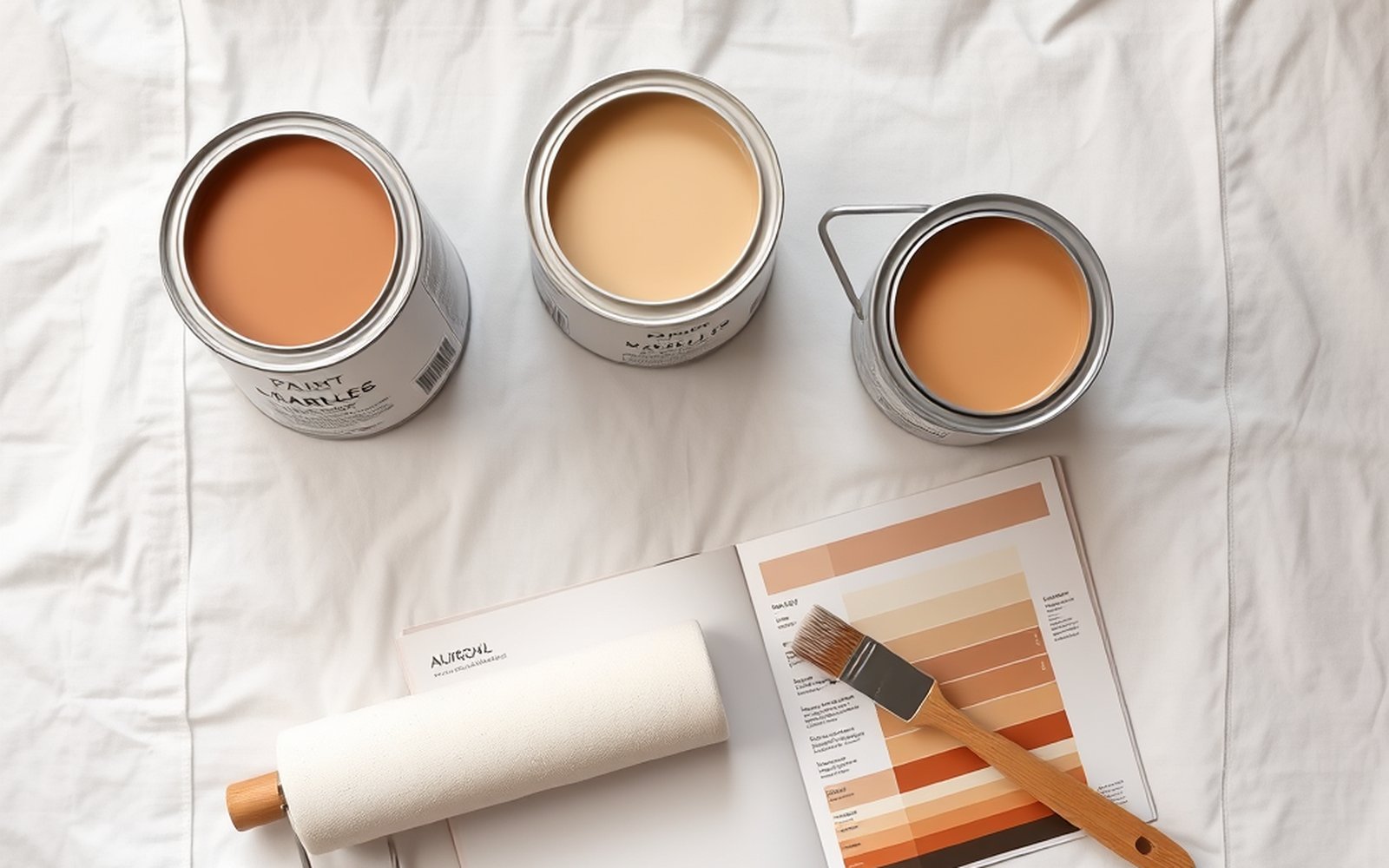
Mudrooms range from a narrow drop zone off the garage to a full room with built-in lockers and a bench. Here is what each tends to cost when a pro paints it with a durable satin or semi-gloss.
| Mudroom type | Wall area | Walls only | Walls + trim and built-ins |
|---|---|---|---|
| Narrow drop zone (3 ft x 6 ft) | 140 to 180 sq ft | $200 to $350 | $275 to $450 |
| Small mudroom (5 ft x 7 ft) | 200 to 260 sq ft | $275 to $450 | $375 to $575 |
| Standard mudroom (6 ft x 9 ft) | 260 to 340 sq ft | $350 to $550 | $475 to $700 |
| Large with built-in lockers | 340 to 450 sq ft | $450 to $650 | $600 to $900 |
The built-ins column is where the real money is. A bare-wall mudroom is quick, but bench seats, cubbies, hooks, and locker faces each need careful brushwork, and that is where the hours go.
What drives the cost of painting a mudroom
A mudroom is a small high-traffic entry that takes daily abuse from wet boots, backpacks, and pets. The cost reflects both the durability the finish needs and the detail work the built-ins demand.
- A durable scrubbable finish. This is the defining feature of a mudroom job. Walls here get scuffed, splashed, and wiped down constantly, so a washable satin or semi-gloss in a stain-resistant formula is the right product. It costs a few dollars more per gallon than flat paint and is worth every cent.
- Built-in benches, cubbies, and lockers. Each built-in face, edge, and inside corner is hand-cut. A wall of lockers can double the labor of the same room with bare walls.
- Hooks, rails, and trim. Coat hooks and rails get cut around or removed, and mudrooms often have more trim per square foot than other rooms.
- Wall condition. High-traffic walls collect scuffs, dents, and anchor holes that all need patching before paint goes on.
- Ceiling and coats. Adding the ceiling raises the total, and covering a dark or marked-up wall with a clean color often takes two coats or a primer.
- Access and layout. Mudrooms are often narrow pass-throughs, so the painter works in a tight lane around the bench and door.
- Minimum job charge. As a small standalone room, a mudroom frequently hits the painter’s $250 to $400 minimum, which is why so many are painted alongside an adjacent hallway or laundry room.
Labor vs materials in a mudroom
As with any interior repaint, labor is roughly 70 to 85 percent of the bill, and the durable-finish built-in work in a mudroom keeps it near the top of that band. The paint itself is modest, usually one to two gallons of washable satin for $50 to $100, even at the slightly higher price the tougher formula commands. The rest is time: patching scuffed walls, masking the bench and cubbies, cutting around hooks and trim, and rolling two coats.
In a room this small, the minimum job charge again does the heavy lifting on price. A $400 quote on a mudroom with $80 of paint means you are paying about $320 for a few hours of careful, durable-finish work. That is reasonable for a surface that has to survive years of boots and backpacks. Our overview of the cost to paint a house shows how that same labor-heavy ratio scales across every room when you take on a whole interior.
How painters price a mudroom
The standard methods all converge on the same range, then a floor is applied.
- Per square foot. Walls run $1.50 to $3 per square foot, with the durable finish and built-ins pushing toward the top. See how to price painting jobs per square foot for the underlying rates.
- Flat per room. Many painters quote a mudroom as a flat $300 to $600 because the built-ins make surface-by-surface estimating tedious.
- Per hour. At $50 to $90 per hour, a mudroom with cubbies and a bench is often most of a day for one painter once prep and two coats are counted.
- Minimum job charge. The deciding factor for a small room. Expect a $250 to $400 floor as a standalone. The smart play, exactly as with a laundry room or closet, is to bundle the mudroom with the adjacent hallway or laundry room so one trip and one minimum cover both.
Worked example: a standard mudroom
Picture a 6 ft by 9 ft mudroom with 8 ft ceilings, a built-in bench with cubbies on one wall, a row of hooks, and a door to the garage.
Perimeter is (6 + 9) x 2 = 30 linear feet. Times 8 ft that is 240 square feet of gross wall. Subtract about 45 square feet for two doors, the bench wall, and the cubby openings and you have roughly 195 square feet of paintable wall.
At $2.25 per square foot for durable-finish walls with built-ins, the math is 195 x $2.25 = $439. Paint is two gallons of washable satin at about $90. A painter quoting by the room might say $450 to $500, while the built-in cubbies and hooks nudge it up. Add a ceiling at $120 and you are near $575 all in. That sits squarely in the $375 to $700 walls-plus-built-ins range and shows why the built-ins, not the floor area, set the price.
DIY vs hiring a pro
A bare-wall mudroom is a genuine DIY win. The walls are short, the area is small, and a gallon of washable satin plus a weekend gets it done for $60 to $120 in supplies, with no minimum charge to pay. If your mudroom is essentially a drop zone with a few hooks, doing it yourself makes a lot of sense.
The honest catch is the built-ins. Brushing a clean, durable finish onto a bench, cubbies, and locker faces is real work, and it shows if it is rushed or if you skimp on the scrubbable paint and use cheap flat instead. If your mudroom has significant millwork, or the walls are badly scuffed and need heavy patching, a pro delivers a tougher, cleaner result that holds up to the abuse the room takes. The deciding question is how much built-in surface there is: more cubbies and lockers tilt the math toward hiring out.
If you do tackle it yourself, treat the prep seriously, because a mudroom shows wear faster than any other room. Wash the walls first to cut the grime that boots and bags leave behind, since paint will not bond well over a filmy surface. Patch dents and dings, sand them flush, and spot prime the repairs. On the built-ins, a quick scuff sand with fine paper gives the durable finish something to grip. Use a small foam or microfiber roller on the flat bench and locker faces for a smooth result, and an angled brush for the inside corners of the cubbies. Two coats of a scrubbable satin is the standard that will actually survive years of daily use.
Ways to lower your mudroom painting cost
A mudroom gives you two cost levers most rooms do not: the built-ins you can prep around, and the adjacent spaces you can bundle with it.
- Bundle with the hallway, laundry, or entry. A mudroom is almost always next to another paintable space. Painting them together means one trip covers one minimum charge, so the mudroom costs only its added labor rather than a standalone $250 to $400 floor.
- Decide on the built-ins up front. The bench, cubbies, and lockers drive most of the labor. If they are in good shape, leaving them unpainted and refreshing only the walls can cut the quote noticeably. If they need paint, expect the high end of the range.
- Patch the high-traffic damage yourself. Mudroom walls collect dents and scuffs. Filling and sanding the worst spots before the painter arrives trims prep time.
- Do not skimp on the finish. This is the one place to spend a little more. A scrubbable satin or semi-gloss survives boots, bags, and wet dogs for years, while a cheap flat finish will look beaten up within months and have you repainting sooner.
- Remove the hooks and rails. Taking down coat hooks and rails lets the painter roll a clean wall and reinstall in minutes, which is faster than cutting around each one.
The biggest single saving is still bundling. Because a mudroom is rarely an isolated room, there is almost always an adjacent space to combine it with, and doing so is how you avoid paying a full minimum for a room that only takes a few hours.
How a mudroom compares to other small rooms
A mudroom sits at the demanding end of the small-room spectrum. It shares the core economics of every compact space, costing more per square foot than a large room because setup and the minimum charge do not shrink, but it layers on two extra cost factors: the toughest finish requirement in the house and the most built-in millwork to cut around.
Set it beside its neighbors and the difference is clear. A closet needs no special finish and is dominated entirely by the minimum charge. A laundry room needs a moisture-resistant finish and is dominated by appliances and plumbing. A mudroom needs the most durable scrubbable finish of all and is dominated by built-in benches, cubbies, and lockers that each demand slow brushwork. That combination is why a mudroom with significant millwork can land at the top of its range while a bare-wall drop zone stays cheap. Identify how much built-in surface yours has, because that, far more than the floor area, is what sets the price. Painting a whole entry sequence at once also spreads the durable-finish labor efficiently, the same logic that governs any full interior repaint.
Whichever route fits, start with a real estimate. Run your mudroom through our painting cost calculator or grab a free painting estimate so you can judge any quote. Doing the surrounding spaces too? See our guides on the cost to paint a laundry room, the cost to paint a hallway, and the cost to paint a garage, since painting them on one trip is the best way to beat the minimum charge.
Frequently asked questions
How much does it cost to paint a mudroom?
A mudroom typically costs $250 to $650 with a durable scrubbable finish, including labor and two coats. Most standard mudrooms land around $375 to $500, with built-in benches, cubbies, and lockers pushing toward the high end. Adding the ceiling raises the total, and a small standalone mudroom often hits the painter’s minimum job charge.
What paint finish is best for a mudroom?
A washable satin or semi-gloss in a stain-resistant formula is the best choice. A mudroom is a high-traffic entry that takes constant scuffs, splashes, and wipe-downs, so a finish you can scrub holds up far better than flat paint. The slightly higher gallon price is worth it for a surface that has to survive years of boots and bags.
Why does a small mudroom cost more per square foot than a bedroom?
Because the fixed costs do not shrink with the room. Setup, masking, patching, the durable paint, and the painter’s minimum charge are all roughly the same whether the room is large or tiny. Spread that effort over a small mudroom, especially one with built-ins to cut around, and the per square foot rate runs higher than an open bedroom.
Should I paint the mudroom and an adjacent room together?
Yes, that is the smartest way to save. A standalone mudroom often triggers a $250 to $400 minimum job charge. Painting it alongside an adjoining hallway, laundry room, or entry means one trip and one minimum cover both spaces, so the mudroom effectively costs only the extra labor instead of a fresh minimum.
Can I paint a mudroom myself?
A bare-wall mudroom is a good DIY project, needing about a gallon of washable satin and a weekend for $60 to $120 in supplies, with no minimum charge. The harder part is built-in benches, cubbies, and lockers, which take careful brushwork. If your mudroom is mostly walls and hooks, DIY makes sense, but heavy millwork tilts toward hiring a pro.
Pricing the room as a painter? See how much to charge to paint a mudroom.
Planning the schedule? See how long it takes to paint a mudroom.
A mudroom needs a tough finish, so see the best paint for high traffic areas.
Buying your own paint? See how much paint for a mudroom.