In this article
Quick answer: The best paint for high traffic areas, hallways, stairwells, mudrooms, and entryways, is a highly scrubbable, scuff resistant paint in a satin finish, or a tougher acrylic enamel where the abuse is heavy. These surfaces take hands, bags, shoes, and pets every day, so the property that matters most is durability, specifically the ability to scrub off marks without wearing through the finish. A satin sheen wipes clean and resists scuffs far better than a flat, which is exactly why flat fails in a hallway.
Once you know what to buy, price the project with the paint cost calculator, or get a quick free painting estimate if you would rather hand off the high wear zones to a pro.
What to look for in high traffic area paint
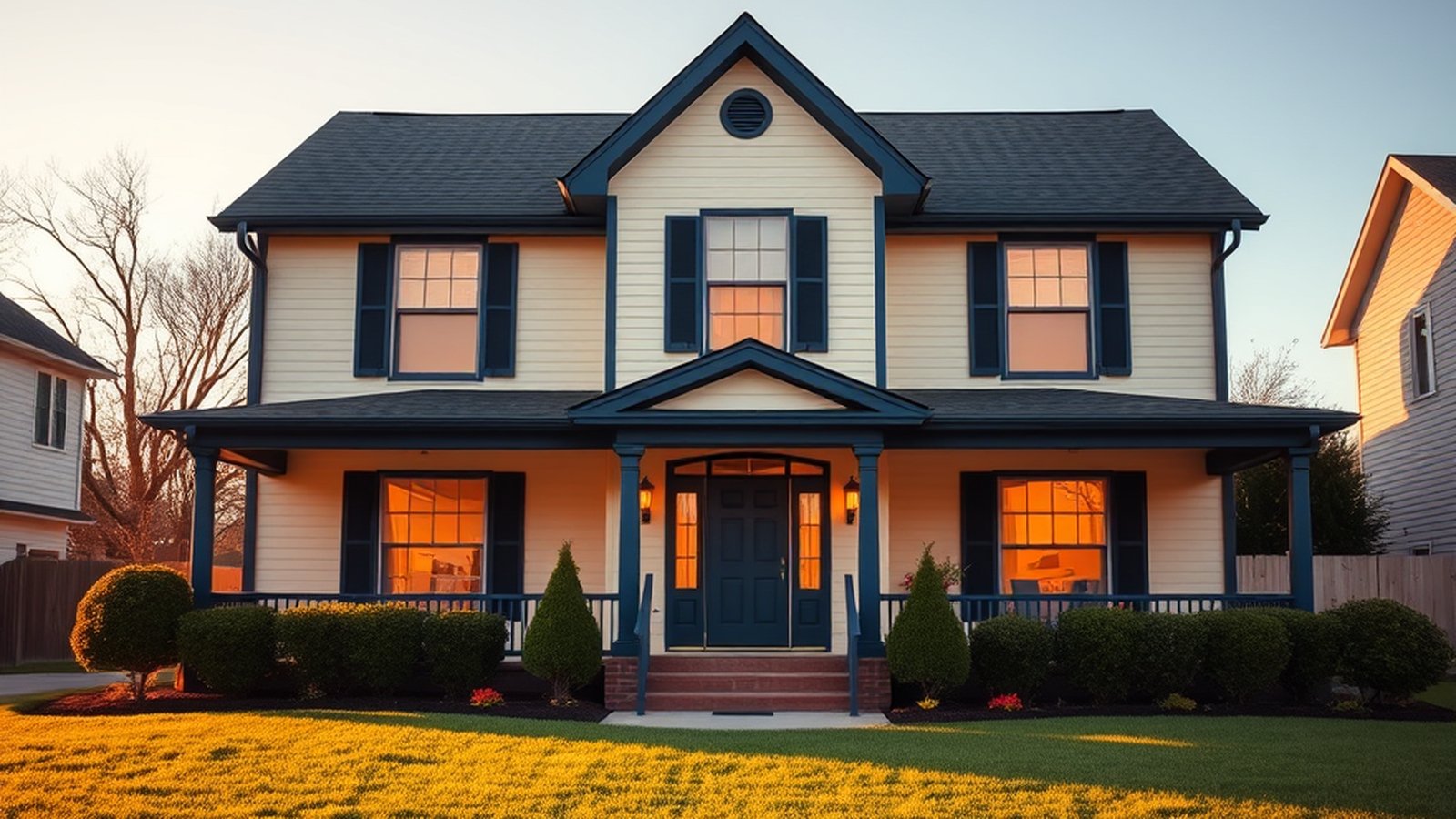
High traffic areas are the hardest working surfaces in a home. A hallway gets brushed by shoulders and bags, a stairwell gets grabbed and scuffed, a mudroom catches wet shoes and dripping coats, and an entryway sees every person and pet coming and going. The paint here has to survive constant contact and frequent cleaning. These are the properties to prioritize.
High scrubbability. This is the headline feature. Scrubbability measures how many times you can scrub a surface with a cleaning pad before the finish wears through. A high scrub paint lets you erase scuffs, fingerprints, and dirt repeatedly without polishing a dull spot or rubbing down to the primer. In a hallway, this is the difference between a wall that stays fresh for years and one that needs repainting every season.
Scuff and mark resistance. Some premium interior paints are specifically engineered to resist scuffing, the black streaks shoes, furniture, and bags leave behind. A scuff resistant formula shrugs off contact that would mark an ordinary paint, which is ideal for stairwells and tight hallways.
Stain release and washability. Beyond scuffs, high traffic walls collect handprints, food, mud, and pet marks. A paint with good stain release lets dirt wipe off with a damp cloth instead of soaking in. This is critical in mudrooms and entryways where the mess is constant.
Durability and a tough film. The cured paint film itself needs to be hard and abrasion resistant so daily contact does not wear it thin. Premium acrylic and acrylic enamel paints form a tougher film than budget paints, and they hold their finish under repeated cleaning.
Moisture and mildew resistance where needed. Mudrooms, entryways, and the bottom of stairwells near exterior doors deal with damp shoes, wet coats, and seasonal humidity. A moisture and mildew resistant formula keeps those lower walls from staining or growing mold.
Good hide for touch ups. High traffic walls get spot repaired often. A paint with strong hide and consistent sheen touches up cleanly without leaving a visible patch, so you are not forced to repaint the whole wall every time.
Best sheen for a high traffic area
Satin is the sweet spot for most high traffic walls, with semi-gloss reserved for the hardest hit trim, doors, and stair rails. Satin has enough sheen to wipe clean and resist scuffs while still looking like a wall finish rather than a shiny enamel. Our full paint sheen guide compares the finishes in detail, and the rule of thumb is simple, the more abuse a surface takes, the higher the sheen you want.
Why does flat fail in a hallway? Flat paint has almost no protective sheen, so dirt and scuffs grind into the porous surface and refuse to come off. When you do try to scrub a flat wall, you burnish it, creating a shiny worn patch that looks worse than the original mark. Flat belongs on low traffic ceilings and adult bedrooms, not on a corridor that a family walks through fifty times a day. If your hallway is currently flat and looks grimy and unwipeable, the sheen is the reason.
Semi-gloss steps up the durability further and is the right call for stair railings, handrails, door casings, and the doors themselves in these zones, the surfaces hands actually grab. The tradeoff is that semi-gloss highlights wall flaws, so save it for trim and woodwork and keep satin on the broad walls. Eggshell can work in a lighter traffic hallway, but if the area sees real wear, step up to satin for the extra scrub life.
Paint type and features
Use a premium water based acrylic latex for high traffic walls, and consider a waterborne acrylic enamel for the trim and doors that take direct contact. Modern premium acrylics deliver the scrub and scuff resistance these areas demand while cleaning up with water and staying low odor. Waterborne enamels give a harder, more durable film on woodwork without the yellowing and slow dry of traditional oil, see our latex versus oil based paint guide for where oil still has an edge, but for most high traffic surfaces a top tier acrylic wins.
As real product categories, every major manufacturer offers a premium interior line marketed on scrubbability and scuff resistance, these are the lines aimed at hallways, kids spaces, and commercial grade durability. There are also dedicated scuff resistant paints engineered specifically to resist marking. For mudrooms and entryways, look for formulas that add moisture and mildew resistance. And for the trim, doors, and rails, a waterborne acrylic enamel in satin or semi-gloss gives the hardest wearing finish. We are pointing you to categories and features, not ranking specific cans or quoting test scores, the move is to buy the premium durable tier rather than the cheapest contractor grade for these zones.
It is genuinely worth spending up here. A budget paint in a hallway will look tired within a year because it cannot survive cleaning, while a premium scrubbable paint keeps wiping clean for years. The extra cost per gallon is small against the labor of repainting a stairwell sooner than you needed to.
How many coats and prep
Plan on two coats in high traffic areas, and treat that as firm rather than optional. Two coats build a thicker, tougher film that stands up to scrubbing better than one thin coat, and they ensure even sheen so touch ups blend later. Over a color change or new drywall, two coats is essential. Our how many coats of paint you need guide covers the rare cases where one coat suffices, which mostly do not apply to walls that take daily abuse.
Prime where the surface needs it. New drywall and patched repairs want a sealing primer so the durable topcoat lays down evenly. Glossy old trim that you are recoating needs a bonding primer, or at least a scuff sand, so the new enamel grips. Stains from shoes, hands, or water near an entry door want a stain blocking primer so they do not bleed through. Use our guide to whether you need primer before painting to decide for each surface.
Prep is even more important in these zones because the surface is often already dirty and marked. Wash hallway and stairwell walls to remove the oily film that hands leave, or your new paint will not bond well. Fill and sand dings and dents, scrape any loose paint, and wipe everything clean before you start. Our how to prep walls for painting guide walks the full routine. Clean, sound prep is what lets a durable paint actually deliver its scrub life.
Matching paint to each high traffic zone
Not every high traffic area takes the same kind of abuse, so it helps to tune the paint to the zone. A hallway mostly deals with shoulder rubs, bag scuffs, and handprints near switches, so a scrubbable satin on the walls with semi-gloss on the trim and doors covers it well. The walls are broad and unbroken, which means even sheen and easy touch up matter most.
A stairwell adds two challenges, height and handrails. The upper walls are hard to reach and rarely touched, while the lower walls and the rail get grabbed constantly. Use a durable satin on all the walls so the whole shaft cleans the same, and put a tough semi-gloss acrylic enamel on the handrail, balusters, and any trim, since those are the surfaces hands actually wear down. Plan for safe access to the high walls, this is where many people call in help.
A mudroom or entryway is the wettest and dirtiest of the group. Damp shoes, dripping coats, road salt, and pet traffic all land here, so moisture and mildew resistance climb the priority list alongside scrubbability. A satin that advertises both scuff resistance and moisture resistance is ideal on the walls, with a hard enamel on the bench, cubbies, door, and trim that take direct contact. Lower walls near the floor get the worst of it, so some people run a wipeable semi-gloss wainscot height band for extra protection.
Across all three, the through line is the same, match the sheen and durability to where the wear actually happens, and never let a flat finish anywhere it will get touched.
What it costs and how much you need
High traffic areas vary a lot in size and shape, a hallway is a small footprint with a lot of wall, a stairwell adds height and awkward access, and a mudroom packs trim, doors, and built ins into a small space. For real numbers, see the cost to paint a hallway, a stairwell, and a mudroom, each broken out by size, condition, and labor. Stairwells in particular can cost more than their square footage suggests because of the ladders and scaffolding needed to reach high walls safely.
On quantity, a single hallway or mudroom usually needs one to two gallons for two coats, plus a smaller amount of enamel for the trim, doors, and rails. Buy the premium tier even though it costs more per gallon, the durability is the whole point. If your high traffic zone connects to a kitchen or bath, match those rooms with their own purpose built paints covered in our best paint for a kitchen and best paint for a bathroom guides.
Frequently asked questions
What is the best paint finish for a hallway?
Satin is the best finish for most hallways. It has enough sheen to wipe clean and resist scuffs while still looking like a wall finish. Use semi-gloss on the trim, doors, and any handrails, and avoid flat, which cannot be scrubbed without burnishing.
Why does flat paint look so bad in high traffic areas?
Flat paint has almost no protective sheen, so dirt and scuffs grind into the porous surface and will not wipe off. When you scrub it, you create a shiny worn spot that looks worse than the mark. High traffic walls need satin so they can be cleaned repeatedly.
What paint holds up best to scrubbing?
A premium interior acrylic marketed on scrubbability and scuff resistance, in a satin sheen, holds up best. These formulas are engineered to survive many cleaning cycles without wearing through. For trim and doors, a waterborne acrylic enamel in satin or semi-gloss is even tougher.
What is the best paint for a mudroom?
A scrubbable, moisture and mildew resistant satin paint for the walls, with a durable acrylic enamel on the trim, doors, and any built in bench or cubbies. Mudrooms deal with wet shoes and coats, so the moisture resistance and easy wipe down matter as much as scrub life.
Should I use semi-gloss in a stairwell?
Use satin on the stairwell walls and reserve semi-gloss for the handrail, balusters, trim, and any doors, the surfaces hands actually grab. Semi-gloss is the most durable and wipeable, but it highlights wall flaws, so keeping it to the woodwork gives you durability where you need it without spotlighting every ripple.
Is it worth buying premium paint for high traffic areas?
Yes, this is the place to spend up. A budget paint in a hallway looks tired within a year because it cannot survive cleaning, while a premium scrubbable paint keeps wiping clean for years. The small extra cost per gallon easily beats repainting a high wear area sooner than you should have to.
Durability and cleanability are not the same requirement. See hygienic wall coatings for the case where a surface has to survive repeated cleaning with strong chemicals rather than survive being knocked.
Specifying across a portfolio rather than one room? See best paint for rental properties for why touch-up friendliness and years-long colour availability matter as much as durability.