In this article
- Why vinyl siding is a special surface
- What type of paint to use on vinyl
- The rule that protects your siding: do not go darker
- Prep: wash first, and wash well
- Primer: usually no, sometimes yes
- Application: mild day, thin coats
- A note on warranties
- DIY or hire out, and what it costs
- Frequently asked questions
Quick answer: The best paint for vinyl siding is a 100 percent acrylic exterior latex formulated to be vinyl-safe, so it flexes with the siding and resists heat buckling. The rule that matters most: never paint vinyl a color darker than the original unless the paint is specifically rated vinyl-safe for darker shades, because dark colors absorb heat and warp the siding.
Painting vinyl siding is one of the highest-return exterior projects a homeowner can take on, a fraction of the cost of replacement for a whole new look. But it is also one of the easiest to get badly wrong, because vinyl behaves unlike wood, brick, or stucco. It expands and contracts with temperature all day long, and it has hard limits on how dark you can go. Choose the best paint for vinyl siding by matching the paint TYPE to how vinyl moves, then follow the one color rule that protects your siding from warping. This guide covers the paint category, the signature dark-color rule, prep, primer, and coats, so the finish looks good and lasts. It pairs with our companion guides on the cost to paint vinyl siding and how much paint for vinyl siding for the money and quantity sides.
Why vinyl siding is a special surface
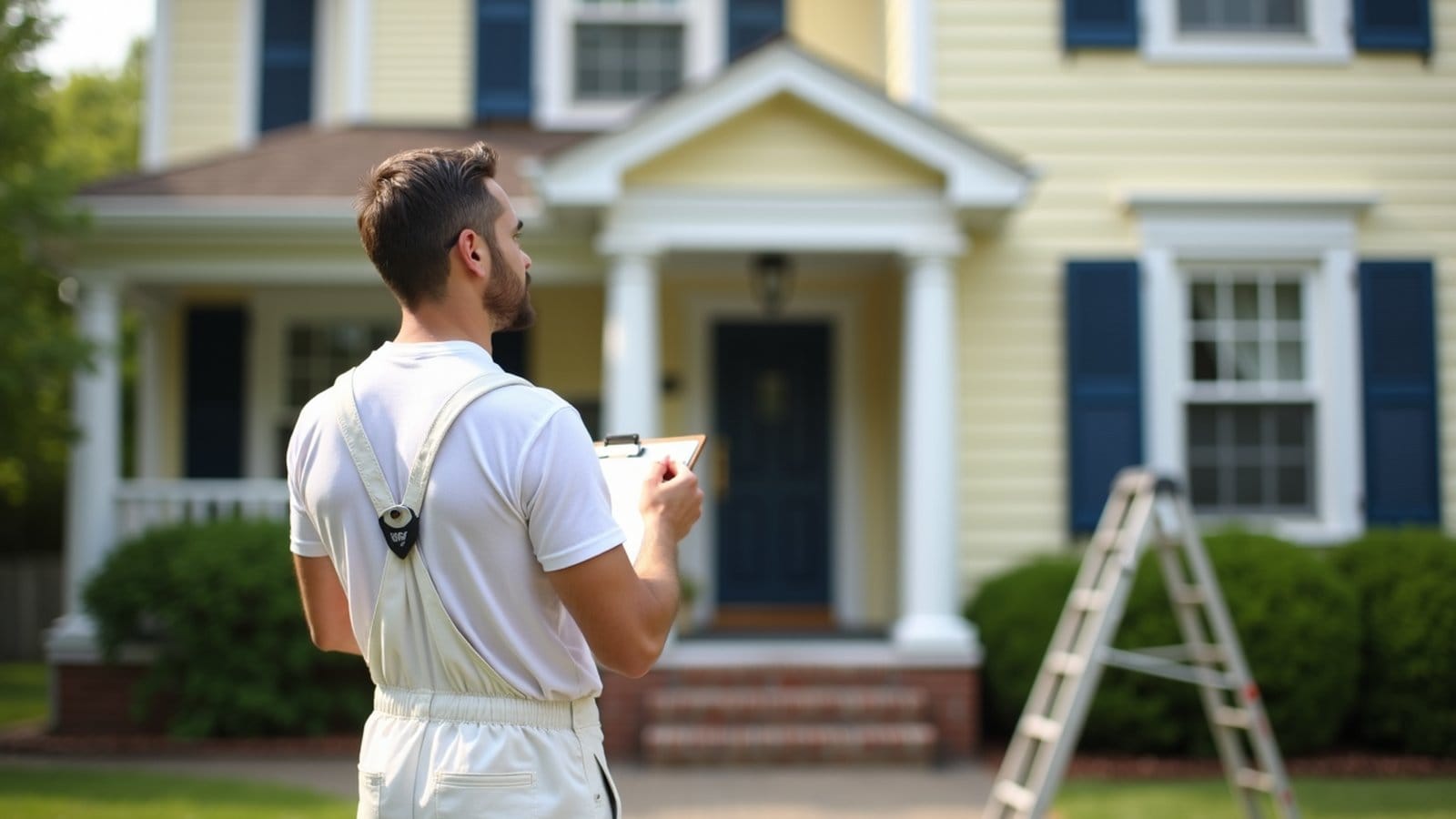
Vinyl expands and contracts significantly as temperatures swing between a cold night and a hot afternoon in direct sun. That constant movement is the reason your paint has to do two things ordinary house paint does not. First, it has to flex. A brittle coating cracks and peels as the siding moves under it, so you need a paint engineered to stay flexible across that range. Second, and this is the big one, the paint must not make the siding absorb more heat than it was designed to handle. Vinyl is manufactured in colors chosen partly so the panel stays within a safe temperature. Coat it in a darker color and you change that equation, sometimes with ugly consequences. Understanding these two behaviors, flex and heat, explains every recommendation that follows.
What type of paint to use on vinyl
Use a 100 percent acrylic exterior latex paint that is specifically formulated to be vinyl-safe. Regular exterior paint may look fine at first, but the acrylic-plus-vinyl-safe combination is what makes it last on this particular surface.
The acrylic resin gives you the flexibility and adhesion vinyl demands. Acrylic paint stretches and contracts with the panel instead of cracking, and it bonds well to properly cleaned vinyl. Many manufacturers now sell a dedicated vinyl-safe or vinyl renewal line, engineered both to flex with the siding and, within a defined vinyl-safe color range, to resist the heat buckling that dooms darker jobs. Treat any specific named line as an example of the category, not the single best product. The property to look for is the vinyl-safe formulation, which several brands offer. What you want to avoid is a stiff, low-grade exterior paint or, worse, any oil-based coating, which lacks the flexibility vinyl needs and will fail as the siding moves.
The rule that protects your siding: do not go darker
This is the single most important rule in the entire guide, so it stands on its own. Do not paint vinyl siding a color darker than the original unless you use a paint that is specifically rated vinyl-safe for darker colors.
Here is why. Darker colors absorb more of the sun’s heat. Because vinyl already expands and contracts with temperature, adding heat by going darker can push the panel past what it was engineered to tolerate, and the siding can warp, buckle, ripple, or distort. That damage is often permanent, and it can void the very warranty the siding came with. Staying at or lighter than the original color keeps the panel’s heat absorption in the safe zone it was designed for.
The important exception is that some vinyl-safe paint lines use special heat-reflective pigment technology that lets you go somewhat darker safely by reflecting more infrared heat, keeping the panel cooler than an ordinary paint of the same shade would. If your heart is set on a deeper color, that is the category to seek out, and you should confirm the specific product is rated for darker colors on vinyl before you commit. When in doubt, go lighter. A color at or above the original in lightness is always the safe path. For picking a shade that both suits your home and stays in the safe range, our how to choose exterior paint colors guide helps, and the general how to choose paint colors guide covers the color-versus-product split.
Prep: wash first, and wash well
Vinyl siding accumulates chalk, dirt, pollen, and mildew, and paint will not bond to any of it. Prep is mostly cleaning, and it is the step that most determines whether your paint lasts.
Wash the siding thoroughly to strip off the chalky oxidized film, ground-in dirt, and any mildew or algae. A cleaner with a mildewcide kills and removes mold and mildew so it does not grow back through your fresh paint. Work from the bottom up to avoid streaks, then rinse from the top down and let everything dry completely before you paint. If you use a pressure washer, keep it at low pressure and spray at a downward angle so you do not drive water up behind the panels. This wash step is common to most exterior surfaces, so the discipline in our how to prep walls for painting guide carries over, adapted for the outdoors.
- Kill mildew, do not just wet it. Use a mildewcide wash so mold does not bleed back through the new paint within a season.
- Rinse and dry fully. Paint traps whatever is under it. Trapped moisture or soap film causes peeling.
- Check for damage first. Replace cracked or loose panels and re-secure anything flapping before you paint, because paint does not fix broken siding.
Primer: usually no, sometimes yes
Sound, clean, well-adhered vinyl usually needs no primer. A quality vinyl-safe acrylic is designed to bond directly to properly washed siding, so on siding that is simply faded but intact you can go straight to your finish coats. Primer becomes worth it in specific cases: bare or heavily weathered vinyl, spots where the original finish has degraded, or chalky areas that stay powdery even after washing. In those situations a bonding exterior primer gives the topcoat a reliable surface to grip. For the general rule on when primer earns its place, see do I need primer before painting. When you do prime, use a primer compatible with vinyl and with your acrylic topcoat.
Application: mild day, thin coats
Timing and technique matter as much as product on an exterior job. Paint on a mild, dry day, and keep off siding that is in direct hot sun, both because the surface is hot and because paint that dries too fast will not adhere or level well. Aim for moderate temperatures and low humidity so the acrylic cures properly, and follow the sun around the house so you are always working on a shaded or recently shaded side.
Apply two thin coats rather than one heavy one. Thin coats level better, cure more evenly, and give a longer-lasting film than a thick coat that skins over before it can bond. You can brush and roll or spray, though spraying vinyl’s grooved profile evenly is easier with some experience and calls for back-brushing to work paint into the texture. Two thin, even coats of a vinyl-safe acrylic is the finish that lasts.
A note on warranties
Be aware that painting vinyl siding can affect some manufacturers’ warranties, and going darker than the rated range in particular may void coverage against warping. If your siding is still under warranty, it is worth checking the terms before you paint. This is not a reason to avoid painting, millions of homes are painted successfully, but it is a reason to stay within the vinyl-safe color range and to keep documentation of the products you used.
DIY or hire out, and what it costs
Painting vinyl siding is doable for a confident DIYer, especially on a single-story home where ladder work is limited. The prep wash is the sweaty part, and the painting itself is straightforward with a vinyl-safe acrylic. Where homeowners hire out is on two-story or multi-gable homes where ladder safety and reach become real issues, or when they want the even, fast finish a pro sprayer delivers. Either way, price it before you start. Run your home through our painting cost calculator for a realistic number, or request a free painting estimate to compare against doing it yourself. For the full money and quantity picture on this exact surface, our cost to paint vinyl siding and how much paint for vinyl siding guides run the details, and if you are pricing a whole exterior, see how to estimate exterior painting.
Frequently asked questions
What kind of paint should I use on vinyl siding?
Use a 100 percent acrylic exterior latex paint that is specifically formulated to be vinyl-safe. The acrylic resin flexes and contracts with the siding instead of cracking, and a vinyl-safe formulation is engineered to resist the heat buckling that ruins ordinary paint jobs on vinyl. Avoid stiff low-grade exterior paints and any oil-based coating, which lack the flexibility vinyl needs and will fail as the panels move.
Can I paint vinyl siding a darker color?
Only with caution. Do not go darker than the original color unless the paint is specifically rated vinyl-safe for darker shades. Darker colors absorb more heat, and because vinyl expands with temperature, that extra heat can warp, buckle, or distort the panels. Some vinyl-safe lines use heat-reflective pigments that allow going somewhat darker safely, so confirm the product is rated for it before committing.
Do I need to prime vinyl siding before painting?
Usually not. Sound, clean, well-adhered vinyl takes a quality vinyl-safe acrylic directly, so faded but intact siding can go straight to finish coats after washing. Prime only the problem areas: bare, heavily weathered, or chalky spots that stay powdery after cleaning. In those cases a bonding exterior primer compatible with vinyl gives the topcoat a reliable surface to grip.
How do I prep vinyl siding for paint?
Wash it thoroughly to remove chalk, dirt, pollen, and mildew, using a cleaner with a mildewcide so mold does not grow back through the paint. Work bottom to top to avoid streaks, rinse top down, and let everything dry fully. If you pressure wash, use low pressure at a downward angle so water does not get behind the panels. Replace any damaged siding before painting.
How many coats of paint does vinyl siding need?
Two thin coats. Thin coats of a vinyl-safe acrylic level better, cure more evenly, and last longer than a single heavy coat that skins over before it bonds. Paint on a mild, dry day and avoid siding in direct hot sun, since a too-hot surface makes paint dry too fast to adhere well. Follow the shade around the house as you work.
Will painting vinyl siding void my warranty?
It can. Some manufacturers’ warranties are affected by painting, and going darker than the vinyl-safe range in particular may void coverage against warping. If your siding is still under warranty, check the terms first. Millions of homes are painted successfully, so this is not a reason to avoid it, just a reason to stay in the vinyl-safe color range and keep a record of the products you used.
The best paint for vinyl siding is a vinyl-safe 100 percent acrylic exterior latex, applied in two thin coats over clean, dry siding, and kept at or lighter than the original color unless the product is rated to go darker. Follow that and you get a durable, warp-free refresh for far less than replacement. Ready to plan it? Check the cost to paint vinyl siding and how much paint you will need, then run your home through the painting cost calculator or request a free painting estimate.
Different siding material? See the best paint for aluminum siding or the best paint for wood siding.