In this article
- Why the roller you pick changes the whole finish
- Nap length: match the pile to your surface
- Nap material: match the fiber to your paint
- Roller width: 9 inch, mini, and 18 inch
- Frame and cage quality: do not cheap out here
- Mini rollers for cabinets, doors, and detail
- Quick roller buying checklist
- Frequently asked questions
Quick answer: To choose a paint roller, match three things: nap length to your surface (1/4 inch for smooth, 3/8 inch for light texture, 1/2 to 3/4 inch for rough walls, 1 inch or more for masonry), nap material to your paint (synthetic or microfiber for latex and water based, natural fibers for oil based), and roller width to the job (9 inch for walls, 4 to 6 inch mini for cabinets and doors, 18 inch for big open walls). Pair the cover with a sturdy frame and a thicker cover for a smoother result.
The right roller only matters once you know how much paint to load it with, so size the job first. Our paint calculator tells you how many gallons and coats your room needs, and you can put together an estimate if you are pricing the work for someone.
Why the roller you pick changes the whole finish
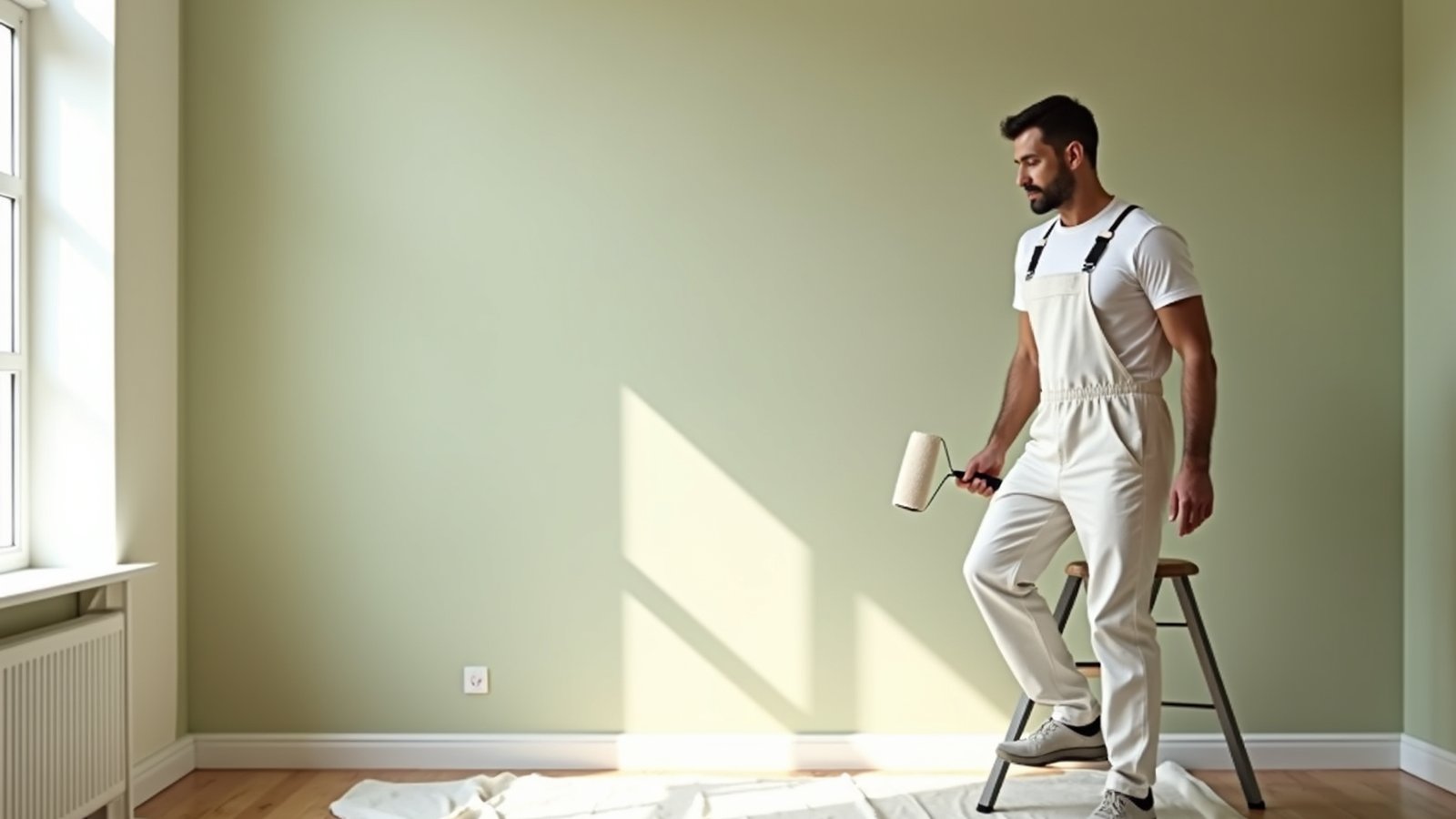
The roller cover is the single biggest factor in how your walls turn out. People agonize over paint brands and ignore the roller, but the cover decides how much paint goes on, how even the texture is, and whether you get a smooth wall or an orange peel stipple. The wrong nap on the right paint still gives a poor finish. Choosing the cover deliberately is the cheapest upgrade to your result.
Three properties define every roller cover. When you stand in the aisle, you are really choosing among nap length (how long the fibers are), nap material (what the fibers are made of), and roller width (how wide the cover is). Get those three right for your surface and paint, and almost any decent cover performs well. This guide takes them one at a time.
This is about which roller to buy, not how to roll. Picking the cover is half the battle. The other half is technique: loading evenly, keeping a wet edge, and avoiding lap marks. For that side, see how to use a paint roller and our tips on how to avoid roller marks. Here we focus purely on selection.
Nap length: match the pile to your surface
Nap length is the most important choice and it is set by surface texture. Nap, also called pile, is how long the fibers stick out from the roller. Shorter nap holds less paint and lays it down smoother, which suits flat surfaces. Longer nap holds more paint and reaches into texture, which suits rough surfaces. Match the pile to how rough the surface is and you are most of the way to a good finish.
- 1/4 inch nap (smooth): for very smooth surfaces like new doors, cabinets, metal, trim, and glass smooth walls. It lays the thinnest, most even film.
- 3/8 inch nap (light texture): the all rounder for most interior drywall and lightly textured walls and ceilings. If in doubt for a normal room, this is the safe pick.
- 1/2 to 3/4 inch nap (rough): for textured walls, knockdown or popcorn ceilings, light stucco, and rougher surfaces that need paint pushed into the valleys.
- 1 inch nap and longer (masonry): for heavy texture, brick, block, concrete, and stucco, where a deep pile is the only way to coat the deep pits and crevices.
When unsure, go slightly shorter for smoothness or slightly longer for coverage. A nap that is too long on a smooth wall leaves a heavy stipple. A nap that is too short on a rough wall skips over the low spots and leaves holidays. If you are between two surfaces, pick the shorter nap for a smoother look or the longer one if full coverage in the texture matters more.
Nap material: match the fiber to your paint
The fiber the cover is made of should match the paint chemistry. This is where many people slip up. A natural fiber cover in latex paint can mat and go soggy, while certain materials shed or do not hold modern paints well. The general rule is simple: synthetics for water based, natural for oil based.
- Synthetic covers (polyester, nylon, or blends): the right choice for latex and water based paints, which is most interior wall paint today. They hold their shape, resist matting in water based paint, and are durable.
- Microfiber covers: a synthetic option prized for a very smooth, low stipple finish with water based paints, popular for walls and trim where smoothness matters.
- Natural fiber covers (such as mohair or wool blends): best reserved for oil based and alkyd paints, varnishes, and stains, where they hold solvent based products well. Avoid them in water based latex.
- Foam covers: useful for ultra smooth surfaces and gloss paints on doors and cabinets, giving a near brush free look, though they hold little paint and wear quickly.
For most interior repaints, a synthetic or microfiber cover is correct. Since the vast majority of interior wall paint is water based today, a quality synthetic or microfiber cover in the right nap is the default. Save natural fibers for the specific case of oil based products. For the chemistry behind which paint you are using, manufacturers publish product data sheets, and a general overview of paint types is available from sources like the EPA at epa.gov.
Roller width: 9 inch, mini, and 18 inch
Width is about how much wall you cover per pass and how tight the space is. The standard 9 inch roller is the right tool for the great majority of rooms, but smaller and larger widths exist for specific jobs. Match width to the size and tightness of what you are painting.
- 9 inch (standard): the default for walls and ceilings. It balances coverage speed against control and fits the most common frames, trays, and grids.
- 4 to 6 inch mini rollers: for cabinets, doors, trim, narrow walls between windows, behind toilets, and other tight or detailed areas. A mini roller in a smooth nap or foam leaves a fine finish on cabinet doors and panels.
- 18 inch (extra wide): for large open walls, ceilings, and commercial sized rooms where speed matters. It covers ground fast but is heavy, needs its own frame, and is overkill for an average bedroom.
Most home painters want a 9 inch for walls and a mini for the details. A 9 inch roller plus a 4 to 6 inch mini roller covers nearly every interior job. The mini is especially handy for painting kitchen cabinets and doors, where its smaller width and smooth nap give a tighter, more controlled finish than a full size roller.
Frame and cage quality: do not cheap out here
The frame holds the cover, and a flimsy frame ruins a good cover. The frame, or cage, is the wire structure the roller cover slides onto. A quality frame has a sturdy cage that spins freely and grips the cover so it does not slide or wobble. A cheap frame lets the cover slip, spin unevenly, or pop off, which shows up as uneven pressure and marks on the wall.
- Look for a strong, smooth spinning cage that holds the cover snugly without it sliding side to side.
- A threaded handle end lets you screw in an extension pole, which is essential for reaching the top of walls and ceilings without a ladder.
- A comfortable grip matters over a long day of rolling. A cushioned or ergonomic handle reduces hand fatigue.
- A heavier duty frame is worth it if you paint often, since a good frame outlasts dozens of covers.
Buy one good frame and swap cheap covers onto it. The smart approach is to invest in a sturdy frame and extension pole once, then buy the appropriate cover for each job. The cover is the consumable. The frame is the tool you keep, so spend there.
Mini rollers for cabinets, doors, and detail
Mini rollers solve the jobs a 9 inch roller cannot. Cabinet doors, interior doors, narrow wall sections, stair risers, and trim faces are too small or detailed for a full roller but too large or visible to brush without leaving strokes. A mini roller bridges that gap, laying a smooth thin film over a small area.
Match the mini roller nap and material to the surface too. The same rules apply at small scale. For cabinets and doors, a smooth 1/4 inch nap or a foam mini gives the closest to a sprayed look without spraying. For a slightly textured small wall, a 3/8 inch mini works. Keep a couple of mini covers on hand alongside your wall covers.
A mini roller plus a brush is the cabinet and door combo. Brush the recessed panels and edges, then roll the flat faces with the mini for a smooth, low stipple finish. For the full method, see how to paint trim and baseboards and the cabinet guide. If you are still deciding whether to roll, brush, or spray those surfaces, our comparison of sprayer vs roller vs brush lays out the tradeoffs.
Quick roller buying checklist
Run through these five questions and you will pick the right roller every time. Selection feels complicated in the aisle, but it comes down to a short sequence. Answer them in order.
- How rough is the surface? That sets your nap length, from 1/4 inch smooth to 1 inch plus for masonry.
- Is the paint water based or oil based? Water based wants synthetic or microfiber. Oil based wants natural fiber.
- How big and how tight is the area? That sets width, 9 inch for walls, a mini for details, 18 inch only for large open spans.
- Do you want maximum smoothness? Lean to a shorter nap and a microfiber or foam cover.
- Do you have a solid frame and pole? If not, buy one good frame with a threaded end once and reuse it.
When in doubt, a 3/8 inch synthetic 9 inch cover on a good frame is the safe default. For a normal interior room with latex paint, that single setup handles the walls and ceiling well. Add a mini roller for doors and cabinets and you are equipped for almost any interior job. Then check our full room painting tool checklist to make sure you have the brushes, trays, and prep gear to go with it.
Frequently asked questions
What nap roller is best for interior walls?
For most smooth to lightly textured interior drywall, a 3/8 inch nap roller is the best all around choice. Use 1/4 inch on very smooth surfaces like doors and cabinets, and step up to 1/2 inch or longer for textured walls and ceilings. Matching the nap to the surface texture is the key decision.
Should I use a synthetic or natural roller cover?
Use a synthetic or microfiber cover for latex and water based paints, which covers most interior wall paint today. Reserve natural fiber covers for oil based and alkyd paints, varnishes, and stains. Putting a natural fiber cover in water based paint causes matting and a poor finish.
What size roller should I buy for painting a room?
A 9 inch roller is the standard size for walls and ceilings and the right choice for most rooms. Add a 4 to 6 inch mini roller for cabinets, doors, and tight spots. An 18 inch roller only makes sense for large open walls and big spaces where speed outweighs the extra weight and bulk.
Does the roller frame quality really matter?
Yes. A flimsy frame lets the cover slip, wobble, or spin unevenly, which leaves marks on the wall and makes rolling harder. A sturdy frame with a smooth spinning cage and a threaded end for an extension pole holds the cover snug and lasts for years. Buy one good frame and reuse it with different covers.
What roller gives the smoothest finish?
For the smoothest, lowest stipple finish with water based paint, a microfiber cover in a short nap, or a foam roller on doors and cabinets, lays down the finest film. A shorter nap always stipples less than a longer one, so use the shortest nap that still covers your surface texture.
Can one roller cover do a whole room?
A single 9 inch cover in the right nap can do the walls and ceiling of a normal room, though you will also want a mini roller for tight spots and a brush for cutting in. If the cover starts shedding or matting, replace it, and always pair the right cover with a sturdy frame for the best result.
Reaching high walls or ceilings? See how to choose a ladder for painting.
On heavily textured walls, the roller choice is one of the biggest factors in speed. Painters pricing that work can see how to price painting textured walls.