In this article
About the cost figures on this page
Any cost ranges shown here are illustrative estimates, not a quote. What you actually pay varies widely with your location and local labour rates, the size and condition of the surfaces, access and setup, the products specified, how much prep the job needs, and the time of year. Use these numbers to sanity check a quote you have been given and to understand what drives the total, then get written quotes from local contractors before you budget. You can also build an estimate around your own project with the free calculator.
Quick answer: Painting a porch costs about $400 to $2,000 or more, depending on which components you paint: the floor, ceiling, railings, columns, and steps. A small front-porch refresh runs roughly $400 to $900, while a large wraparound porch with detailed railings and columns reaches the upper end. The floor is the most demanding part because it needs a durable porch-and-floor enamel that stands up to foot traffic.
A porch is the first thing visitors see and the spot you actually live on in good weather, so a tired, peeling porch is worth fixing. Because a porch is really several different surfaces, the cost depends heavily on how much you take on. This guide breaks the price down by component, explains the special products each part needs, and covers DIY. To price your porch, use the painting estimate calculator or request a free painting estimate.
How much it costs to paint a porch
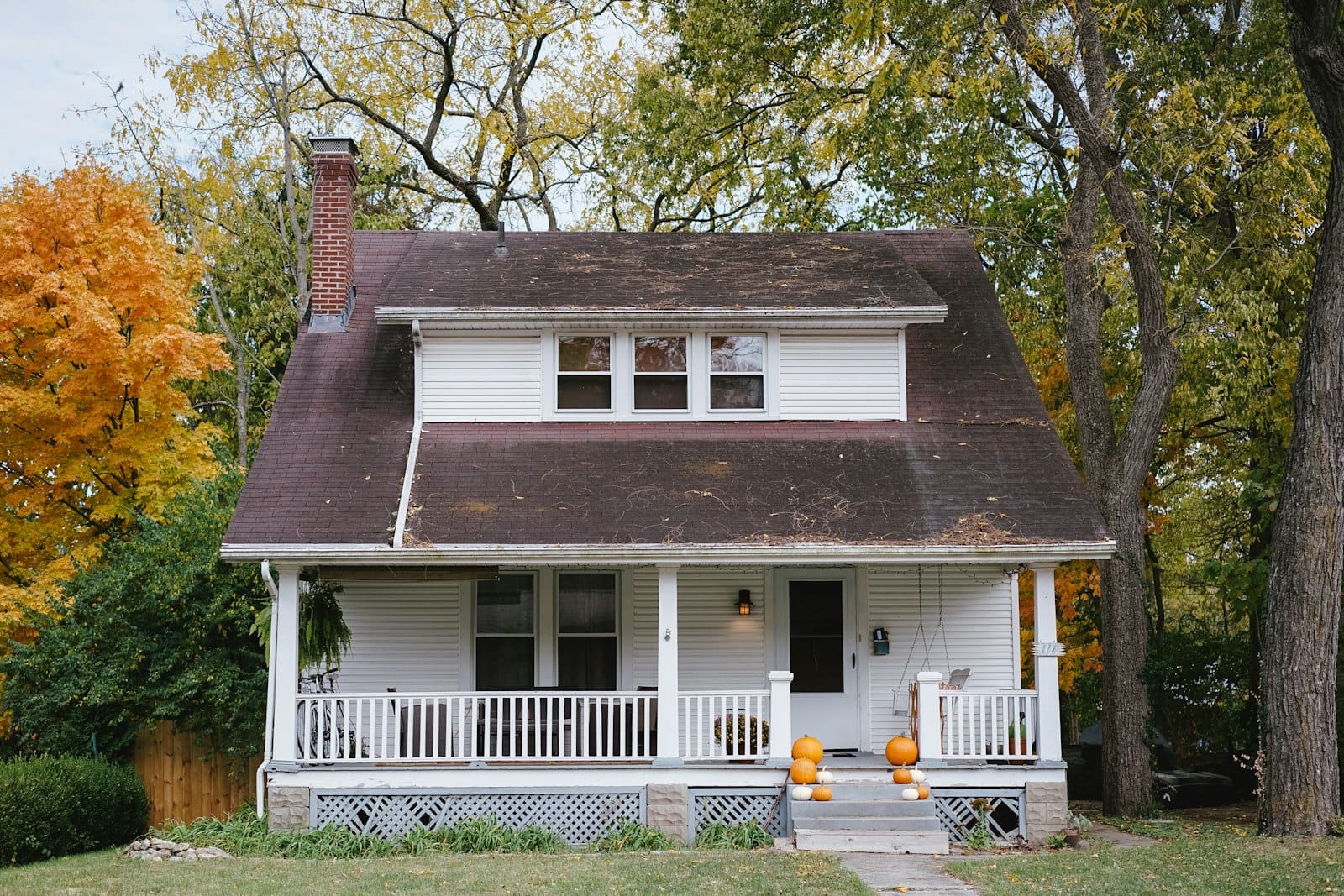
Unlike a flat wall, a porch is priced by its components, because each one is a different surface with different prep and paint. The floor takes a tough enamel, the ceiling takes a standard exterior paint, and the railings and columns are detailed brushwork. Here is how the cost breaks down by component and by overall scope.
| Component / scope | Low | Average | High | Notes |
|---|---|---|---|---|
| Porch floor / decking only | $200 | $400 | $700 | Porch-and-floor enamel, durable |
| Porch ceiling only | $150 | $300 | $500 | Often classic haint blue |
| Railings and spindles | $200 | $450 | $800 | Slow, detailed brushwork |
| Columns and posts | $100 | $250 | $500 | Per column count and height |
| Small front porch (refresh) | $400 | $650 | $900 | Floor plus rails, light prep |
| Large or wraparound (full) | $1,200 | $1,600 | $2,000+ | All components, heavy prep |
The reason the range is so wide is that a porch can mean a tiny covered stoop or a full wraparound with dozens of spindles and six columns. Adding components stacks the cost: a floor-only refresh is modest, while doing the floor, ceiling, every railing, and the columns is a multi-day job. A covered porch is more involved than an open one because there is a ceiling to paint. This page is about the porch itself. If you have an open deck rather than a roofed porch, that related but distinct surface is covered in the cost to paint a deck guide.
What drives the cost
Several factors decide where your porch lands in that wide range.
- Which components you paint. This is the biggest driver. Floor only is cheap. Floor plus ceiling plus railings plus columns is several times the cost because each is a separate surface with its own prep and product.
- Porch size and layout. A small front stoop versus a wraparound porch changes the square footage dramatically. Wraparounds also have more corners, more spindles, and more columns.
- Railing and spindle detail. Plain railings paint fast. Turned spindles, balusters, and decorative millwork are slow, fiddly brushwork that drives up labor.
- Covered vs open. A covered porch has a ceiling to paint, which adds a surface. An open porch has no ceiling but more sun exposure on the floor, which affects paint choice.
- Floor condition. A porch floor takes abuse from foot traffic, furniture, and weather. Peeling, worn, or previously failed floor paint needs scraping, sanding, and priming before a durable enamel goes down.
- Number and height of columns. More columns mean more labor, and tall two-story columns on a grand porch need ladder work that adds time.
Labor vs materials breakdown
Like most exterior projects, a porch is mostly labor, but the floor is the one place where materials matter more, because porch-and-floor enamel and the prep it requires are not cheap. On a $650 small-porch refresh, expect roughly $480 to $520 in labor and prep, with $130 to $170 in materials across the different products each component needs.
The materials are more varied than a single-surface job. You may need a porch-and-floor enamel for the deck, a standard exterior paint or the traditional pale blue for the ceiling, and an exterior trim enamel for railings and columns, plus the right primers. That mix of products, rather than one big bucket of wall paint, is why porch material costs run a bit higher per square foot than a plain wall.
Labor still dominates because of the detail. Scraping and sanding a worn floor, cutting in around dozens of spindles, and working the columns by hand all take time. The floor prep in particular, getting a sound surface for the enamel to bond to, is often the most labor-intensive single step on the whole porch.
Painting a porch by component: floor, ceiling, railings, and columns
A porch is really four jobs in one, and each component wants a different product and approach. Treating them all the same is how a porch floor peels in a season. Here is what each part needs.
- Porch floor or decking. This is the hardest-working surface on the porch and takes the most abuse from foot traffic, furniture, rain, and sun. It needs a dedicated porch-and-floor enamel, which is formulated to resist scuffing, peeling, and weather. Prep is critical: scrape and sand any failing old paint, clean thoroughly, prime bare or patched wood, then apply two coats of the enamel. Skimping on floor prep is the number one porch-painting regret.
- Porch ceiling. A covered porch ceiling is a relatively easy surface, painted with a standard exterior paint. The classic choice is a pale “haint blue,” a soft sky blue traditionally used on Southern porch ceilings. It looks fresh, extends the daylight feel, and is a popular request. Any clean exterior paint works, but the blue is the heritage look.
- Railings and spindles. The slowest, most detailed part. Each spindle, baluster, and rail edge needs cutting in by brush with an exterior trim enamel that resists handling and weather. A porch with turned spindles or decorative millwork can take longer to paint than the entire floor, simply because of the surface area and detail.
- Columns and posts. Columns are painted with an exterior trim or floor-grade enamel depending on whether they get touched and rained on. Prep means scraping any peeling areas, sanding, and priming bare spots. Tall columns add ladder work. The number of columns drives this line item.
The general rule across the porch: match the product to how hard the surface works. Floors get the toughest enamel, railings and columns get a durable trim enamel that handles hands and weather, and the protected ceiling can take a standard exterior paint. Prime bare wood everywhere, and never put a regular wall paint on a porch floor, because it will not survive the traffic.
DIY vs hiring a pro
A porch is a mixed bag for DIY. The railings, columns, and ceiling are friendly, ground-level work that a homeowner can absolutely handle. The floor is more demanding because of the prep and the durable enamel, but it is still doable. The detail and the multi-day scope of a big porch are what push people toward a pro.
| Factor | DIY | Hire a pro |
|---|---|---|
| Small-porch cost | $130 to $250 materials | $400 to $900 |
| Time | One to three weekends | 1 to 3 days |
| DIY-friendly parts | Railings, ceiling, columns | All of it |
| Hardest part | Floor prep and enamel | Done for you |
Honest verdict: railings, spindles, and the ceiling are genuinely DIY-friendly, since the work is at a comfortable height and forgiving. A small front-porch refresh is a satisfying weekend project that saves real money on labor. Lean toward a pro when you have a large wraparound with heavy floor prep, lots of detailed millwork, or tall columns that need serious ladder work, because those turn a weekend into a multi-week slog. Many homeowners split the difference: DIY the railings and ceiling, and hire out the floor if it needs major scraping. While you are refreshing the front of the house, the cost to paint a front door guide covers the natural companion project, and if your porch wraps a stucco home, see the cost to paint stucco guide for the adjacent walls.
A worked cost example
Picture a covered front porch, about 8 by 12 feet, with a worn floor, a ceiling you want painted the classic haint blue, four turned-spindle railing sections, and two columns. Here is how a pro quote comes together.
- Floor prep and enamel. Scrape and sand the failing old floor paint, clean, prime bare areas, and apply two coats of porch-and-floor enamel. The most labor-intensive step.
- Ceiling. Clean and apply two coats of pale blue exterior paint to the protected ceiling. Quick and easy.
- Railings and columns. Cut in by brush around four spindle sections and two columns with an exterior trim enamel, after spot-priming bare wood.
- Materials. Porch-and-floor enamel, exterior ceiling paint, trim enamel, primer, and supplies, roughly $140 to $180.
This full small-porch job lands around $700 to $850, in the upper part of the small-porch range because it covers all four components and the floor needed real prep. If you painted the ceiling and railings yourself and only hired out the floor, you would cut that bill substantially while still getting a pro-grade floor that survives the traffic. That split is a smart way to balance cost and durability on a porch.
How painters price it
Painters price a porch by adding up its components rather than using one flat number, because the floor, ceiling, railings, and columns each carry different rates. The floor is priced by square footage and the toughness of the prep, the ceiling by area, and the railings and columns largely by the detail and count. For the square-foot surfaces like the floor and ceiling, the math follows the how to price painting per square foot guide, while the railings are priced more by time given the fiddly brushwork.
Condition and detail are the swing factors. A sound porch needing a light refresh prices low. A weathered porch with peeling floor paint, intricate spindles, and tall columns needs hours of prep and slow detail work that a painter has to build into the quote. To see how prep and access shape an exterior price in general, the how much to charge to paint a house exterior guide covers the contractor’s side, and for the full-house context see the cost to paint a house.
Ready to price your porch? Add up the components you want done and run them through the painting estimate calculator, or get a no-pressure free painting estimate. A freshly painted porch is one of the most welcoming upgrades you can make to the front of your home.
Frequently asked questions
How much does it cost to paint a porch?
Painting a porch costs about $400 to $2,000 or more, depending on which components you paint. A small front-porch refresh of the floor and railings runs $400 to $900, while a large wraparound with the floor, ceiling, detailed railings, and columns reaches the upper end. The floor is the costliest part because it needs a durable porch-and-floor enamel and careful prep.
What kind of paint do you use on a porch floor?
A porch floor needs a dedicated porch-and-floor enamel, which is formulated to resist scuffing, peeling, and weather from foot traffic and furniture. Regular wall or even standard exterior paint will not survive the traffic and will peel quickly. Prep is just as important: scrape failing paint, sand, clean, and prime bare wood before applying two coats of the enamel.
Why are porch ceilings painted blue?
The pale blue porch ceiling, often called “haint blue,” is a Southern tradition. It gives a soft, sky-like look that brightens the porch and extends the feel of daylight overhead. Any clean exterior paint works for a porch ceiling, but the heritage blue remains the most popular request because it looks fresh and welcoming on a covered porch.
Can you paint a porch yourself?
Yes, much of a porch is DIY-friendly. The railings, spindles, columns, and ceiling are comfortable ground-level work, and a small front-porch refresh is a doable weekend project. The floor is the most demanding part because of the prep and the durable enamel. Many homeowners DIY the railings and ceiling and hire out the floor if it needs heavy scraping.
How long does porch paint last?
It depends on the component. A properly prepped porch floor with quality enamel typically lasts 3 to 5 years before the high-traffic areas need a refresh, since the floor takes the most abuse. Ceilings, railings, and columns hold up longer, often 7 to 10 years, because they see less wear. Good prep and a tough floor enamel are what stretch the life of the finish.
Bidding a porch? See how much to charge to paint a porch.
Planning the schedule too? See how long it takes to paint a porch.
Buying the paint yourself? See how much paint you need for a porch.
Every porch surface wants a different paint. See the best paint for a porch floor, ceiling, and railings.
Doing it yourself? See how to paint a porch for treating the floor, ceiling, and rails as three different jobs.