In this article
About the cost figures on this page
Any cost ranges shown here are illustrative estimates, not a quote. What you actually pay varies widely with your location and local labour rates, the size and condition of the surfaces, access and setup, the products specified, how much prep the job needs, and the time of year. Use these numbers to sanity check a quote you have been given and to understand what drives the total, then get written quotes from local contractors before you budget. You can also build an estimate around your own project with the free calculator.
Quick answer: In 2026 most painters charge $500 to $2,500 to paint a porch, depending on size, components, and condition, with a small front porch refresh landing in the $500 to $1,200 range. The figure varies by region, prep, and access. The smart way to price a porch is by component, because the floor needs durable porch-and-floor enamel and is the costly part, while railings and spindles are slow detail labor.
This is a pricing guide for painters. To see what the customer is reading first, send them to what homeowners expect to pay to paint a porch. When you have the scope, run it through the painting estimate calculator or generate a free painting estimate that breaks the porch out by component.
How much to charge to paint a porch
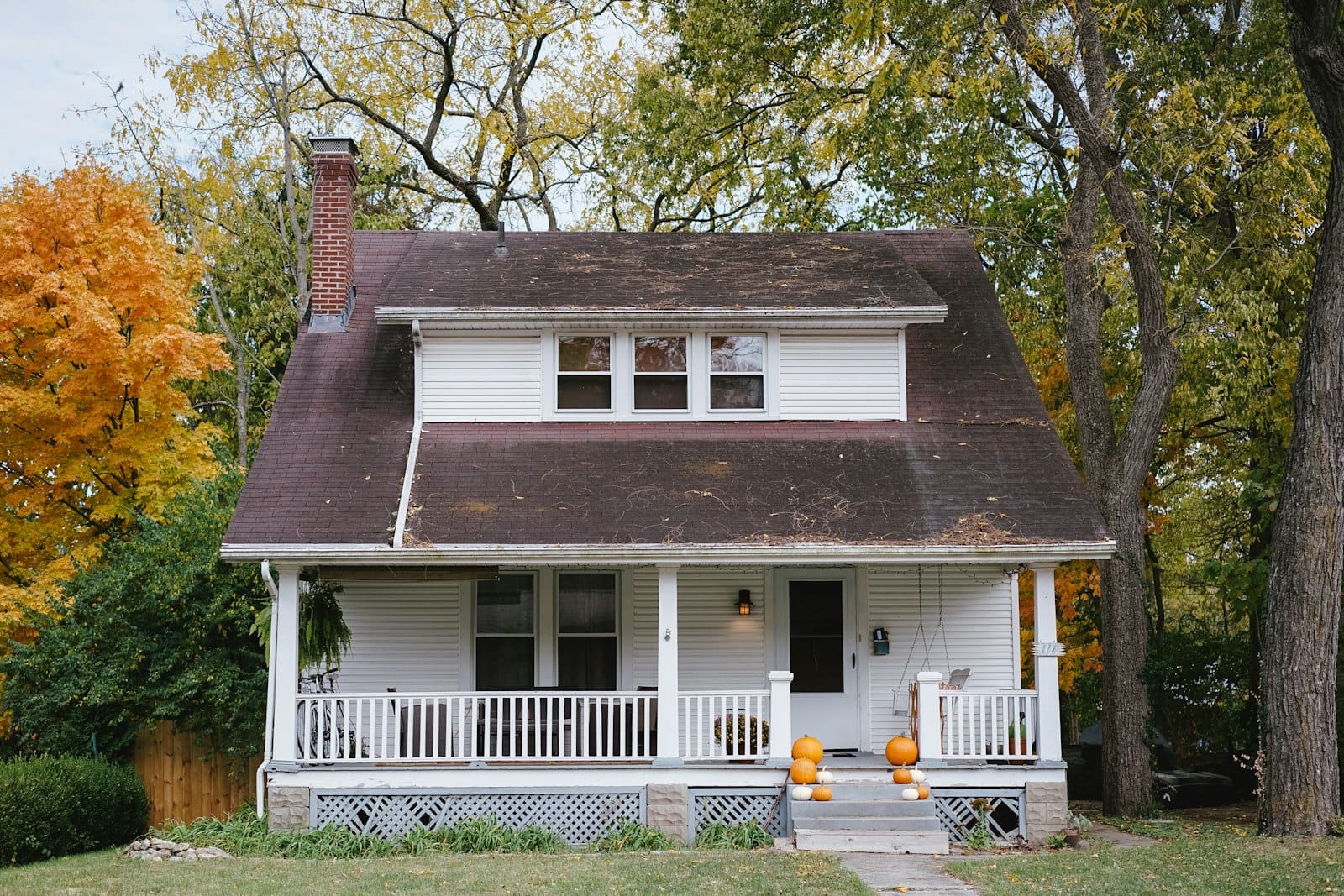
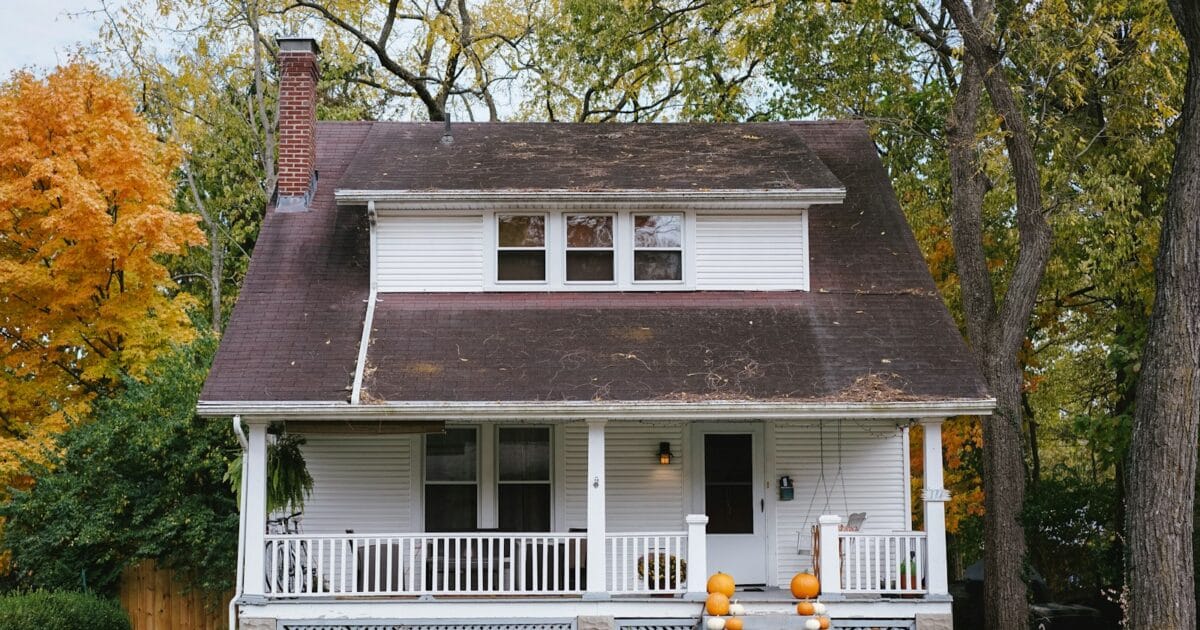
A porch is not one surface, it is five: the floor or decking, the ceiling, the railings and spindles, the columns, and the steps. Each prices differently, which is why a single flat rate underbids the detailed parts and overbids the simple ones. Price by component and the number is both fair and defensible. Here is a realistic 2026 grid.
| Porch component | Typical charge | Notes |
|---|---|---|
| Floor or decking | $2.00 to $4.50 per sq ft | Porch-and-floor enamel, the costly part |
| Ceiling | $1.50 to $3.00 per sq ft | Overhead work, often beadboard |
| Railings and spindles | $8 to $20 per linear ft | Slow detail labor |
| Columns or posts | $40 to $120 each | Depends on size and detail |
| Steps | $15 to $40 per step | Durable tread enamel, high wear |
| Small front porch refresh | $500 to $1,200 | Floor, rails, a few posts |
The floor is where the money and the durability live. A porch floor takes foot traffic, weather, and furniture, so it needs a real porch-and-floor enamel and proper prep, and it is the line most likely to fail if you cheap out. Railings eat hours because of all the spindle faces. Build the quote from these components and the total falls out naturally. For the broader exterior, see how much to charge to paint a house exterior.
Three ways to price it
A porch can be priced three ways, and the best bids actually combine them, using per square foot for the broad surfaces and per unit for the detailed ones.
- Per square foot (for floor and ceiling). The floor and ceiling are broad, flat surfaces that price cleanly by area. Measure the square footage, apply the rate for porch-and-floor enamel on the deck and a ceiling rate overhead, and you have those two lines.
- Per unit or per linear foot (for the detail). Railings price per linear foot, columns price each, and steps price per step. These are detail surfaces where area pricing fails, so you count units. This is the part flat-rate bidders consistently underprice.
- Flat-rate job price. The single number the customer wants. You build it from the component math above, then present one figure. This is the right way to deliver the quote, but only after you have priced each component underneath so the floor and the railings are both covered.
The mistake to avoid is pricing the whole porch per square foot as if it were a deck. The floor is deck-like, but the railings, posts, and steps are detail work that a flat area rate badly underprices. Use the per-square-foot logic from how to price painting jobs per square foot for the floor and ceiling only.
The bottom-up formula
Build each component from cost, then sum them. The formula is the standard one, applied per surface so nothing slips through.
Labor + materials + markup + overhead + profit = price.
- Labor. The floor is prep-heavy: cleaning, sanding or scuffing, spot-priming bare wood, then two coats of porch enamel with cure time between. Railings and spindles are slow because every face and edge needs a brush. Estimate hours per component, not for the porch as a lump, and multiply by your loaded crew rate.
- Materials. Porch-and-floor enamel for the deck and steps, exterior paint for the ceiling and columns, primer for bare wood, plus brushes, rollers, tape, and rags. The floor enamel is the priciest product on the job, and high-wear steps deserve the same durable coating.
- Markup. Apply your standard markup over total cost so the porch pays its share of running the business. See painting contractor markup percentage.
- Overhead. Truck, insurance, and your fixed costs ride along on every job. A porch carries its slice like any other.
- Profit. Set margin deliberately and hold it, especially on the railing hours that are easy to underestimate. The painting business profit margin guide shows how.
Run the formula per component once and you will have a rate card for porch floors, ceilings, railings, columns, and steps that you can assemble into a fast, accurate bid on any porch you walk up to.
Porch pricing drivers that change the number
Two porches of the same square footage can price very differently depending on what they are made of and how much detail they carry. These are the swing factors.
- The floor is the costly part. Porch floors take foot traffic, weather, and furniture, so they need a durable porch-and-floor enamel and thorough prep. A peeling or bare-wood floor needs sanding and spot-priming before two coats. This is the line that most affects both your price and how long the finish lasts, so never shortcut it.
- Railings and spindles are labor-heavy. Every spindle has four faces and two ends, and a run of railing has dozens of spindles. This is the slowest detail work on the porch and the part flat-rate bidders underprice most. Price it per linear foot at a rate that respects the brushwork.
- Columns and steps add up. Columns price each and vary with size and detail, from a plain post to a fluted classical column. Steps price per step and need the same durable enamel as the floor because they take the most wear of anything on the porch.
- Covered versus open. A covered porch has a ceiling to paint, which is overhead work and adds a component. An open porch skips the ceiling but exposes the floor and rails to more weather, which can mean more prep. Inspect which type you are quoting.
- Condition and exposure. A weathered, peeling porch needs far more prep than a sound one, and a sun-and-rain-exposed porch floor may need an extra coat for durability. The condition of the floor in particular tells you how many prep hours to bid.
If the customer is doing the porch, they may also be eyeing the deck out back or the front door, and those share crew time and setup. Point them to how much to charge to paint a deck and how much to charge to paint a front door so they can see the bundle.
A worked quote example
Take a small covered front porch: a 10 by 12 floor (120 square feet), a matching 120 square foot beadboard ceiling, 24 linear feet of railing with spindles, two columns, and four steps. The floor is sound but faded.
- Floor. 120 sq ft at $3.00 per foot for porch enamel and prep is $360.
- Ceiling. 120 sq ft at $2.00 per foot overhead is $240.
- Railings. 24 linear ft at $12 per foot for the spindle detail is $288.
- Columns. Two at $70 each is $140.
- Steps. Four at $25 each is $100.
- Component subtotal. $360 plus $240 plus $288 plus $140 plus $100 equals $1,128.
Those component figures already carry your labor, materials, markup, and margin because you built each rate bottom-up. So you quote this porch at roughly $1,100, which lands right in the small-porch-refresh band. Notice that the railings, at $288, cost nearly as much as the floor despite being a fraction of the area. That is the detail labor flat-rate bidders miss, and pricing by component is what catches it.
Scale this same logic up for a larger wraparound porch and the value of the component method only grows. Double the floor area and the railing run, add four more columns and a second flight of steps, and a flat per-square-foot bid would wildly underprice the railings and posts while overpricing the open floor. Build each line from its own rate and the total climbs honestly toward the upper end of the $500 to $2,500 band, with the railings and steps carrying far more of the number than their square footage suggests. Present it as one figure to the customer, but keep the component breakdown in your own notes so that if they trim the scope, say they drop the ceiling or skip the columns, you can adjust the price in seconds instead of re-quoting the whole porch from scratch.
Do not underbid
Porches punish flat-rate bidders because the detailed components hide hours. Protect your margin on these points.
- Do not price a porch like a deck. The floor is deck-like, but railings, spindles, columns, and steps are detail work a flat area rate badly underprices. Always break the porch into components and price each one.
- Bid the railing hours honestly. Spindles are the slowest surface on the porch, with four faces each and dozens per run. Price railings per linear foot at a rate that pays for the brushwork, not a token number.
- Use real porch enamel on the floor and steps. These surfaces take the most wear, and a wall paint will fail fast. Bid the durable porch-and-floor enamel and the prep it needs, and charge for both. Cutting this is how you earn a callback.
- Price the dead time. Porch floors need cure time between coats and before the customer walks on them. You cannot rush it and you cannot bill that downtime elsewhere, so the price has to absorb it.
- Protect against callbacks. A porch floor that peels under foot traffic because the prep was thin is a free return trip on a high-visibility surface. Bid the floor prep that makes it last.
The rule: a square foot of porch floor and a linear foot of railing are not worth the same, and a porch quoted as one flat area always shorts the detail. Build the bid by component and the number is fair to you and to the customer. Lock down the scope with the painting estimate calculator, or hand the customer a clean free painting estimate that already breaks the porch into floor, ceiling, railings, columns, and steps.
Stop rebuilding this quote from scratch every time.
PaintPricing turns the numbers you just worked out into a clean, branded quote in minutes, so you can send it before your competitor calls back. Free for your first 3 quotes, no card required.
Frequently asked questions
How much should I charge to paint a porch?
Most painters charge $500 to $2,500 in 2026, with a small front porch refresh landing in the $500 to $1,200 range. The figure varies by size, components, and condition. The accurate way to price it is by component: per square foot for the floor and ceiling, per linear foot for railings, per column, and per step. Summing those gives a fair, defensible total.
Why is the porch floor the most expensive part?
The floor takes foot traffic, weather, and furniture, so it needs a durable porch-and-floor enamel and thorough prep, including sanding and spot-priming any bare or peeling wood before two coats. It is the priciest material on the job and the line most likely to fail if you shortcut it. That combination of durable product and heavy prep makes the floor the costly component.
How do I price porch railings and spindles?
Price railings and spindles per linear foot, commonly $8 to $20 per foot, because they are slow detail work. Every spindle has four faces and two ends, and a run holds dozens of them, so a short railing can take nearly as many hours as a much larger flat surface. Pricing per foot at a rate that respects the brushwork keeps you from underbidding the detail.
Should I charge differently for a covered versus open porch?
Yes. A covered porch has a ceiling to paint, which is overhead work and an extra component on your bid. An open porch skips the ceiling but exposes the floor and railings to more weather, which can mean additional prep. Inspect which type you are quoting and price the components that are actually present, rather than assuming every porch is the same.
Can I just price a porch per square foot?
Only for the floor and ceiling. Those are broad flat surfaces that price cleanly by area. The railings, columns, and steps are detail surfaces where square-foot pricing badly underprices the labor. Price the floor and ceiling per square foot, then add the railings per linear foot, the columns each, and the steps per step, and combine them into one flat-rate figure for the customer.
Scheduling the crew? See how long it takes to paint a porch.
Looking for a faster way to price jobs? See painting estimate apps compared.