In this article
- Why A Porch Splits Into Different Surfaces
- The Porch Floor And Steps: The Hardest Part
- Concrete Porch Floors Versus Wood Porch Floors
- The Porch Ceiling: Standard Exterior Acrylic
- Railings, Posts, And Beadboard Walls
- Sheen And Color Across The Porch
- Primer And Prep: The Gate Everything Passes Through
- How Much Paint And What It Costs
- DIY Versus Hiring Out
- Frequently asked questions
Quick answer: A porch is not one surface, so it is not one paint. The floor and steps need a porch-and-floor enamel or acrylic floor paint, the ceiling and walls take standard exterior acrylic, and railings and posts want an exterior trim enamel. The one make-or-break factor is the floor, because horizontal foot traffic peels the fastest if you prime or moisture-test it wrong.
The reason there is no single best paint for a porch is that a porch is really three or four different jobs wearing one name. The floor is a horizontal, foot-trafficked, weather-soaked surface. The ceiling is a sheltered overhead. The railings and posts are trim that gets touched, gripped, and rained on. Each of those wants a different product, and using the wrong one in the wrong place is why porches look tired a year after they were painted. This guide walks each surface, tells you the paint category that belongs there, and points you to the numbers so you can size the job. To scope the whole project before you buy, run it through our painting cost calculator.
Why A Porch Splits Into Different Surfaces
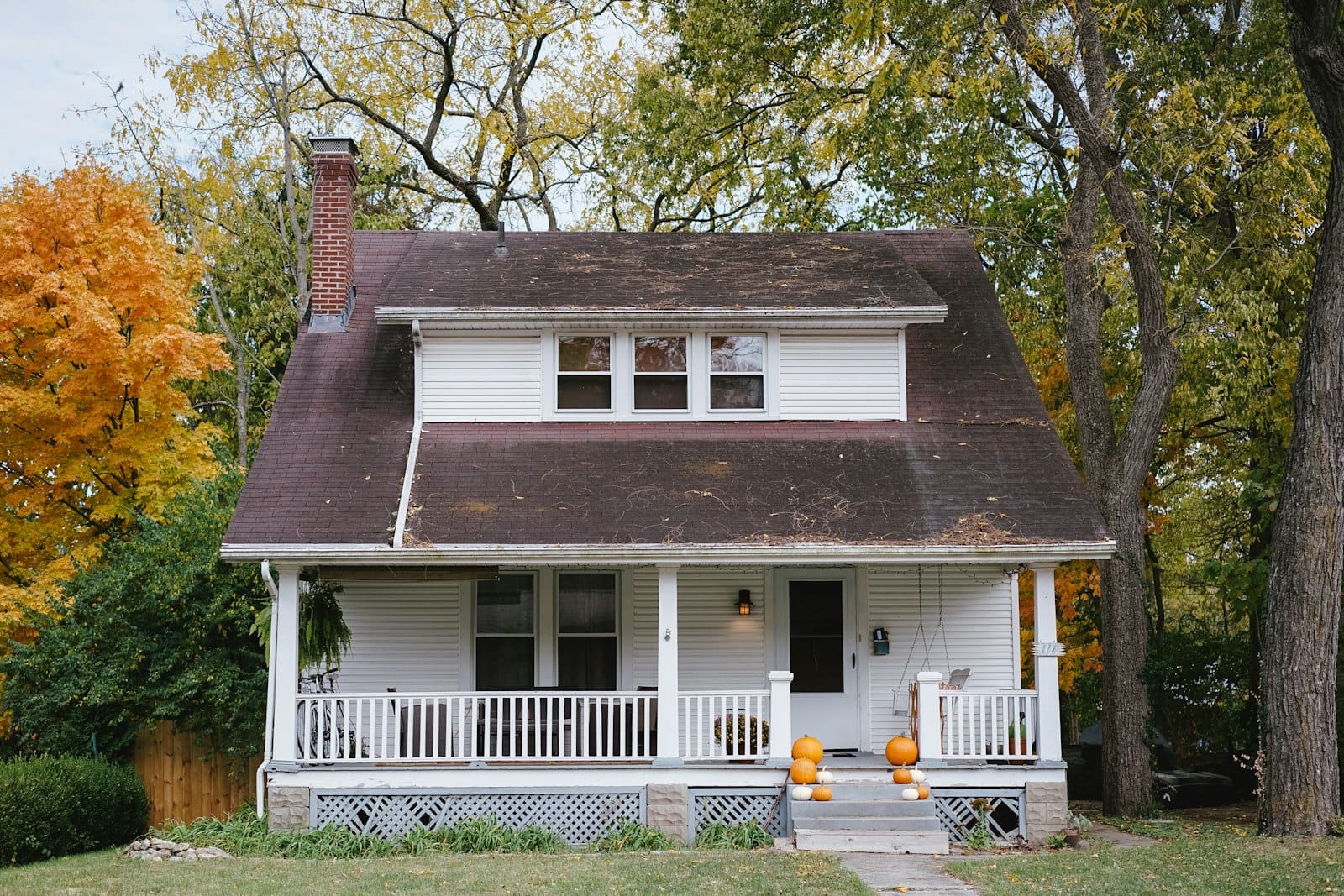
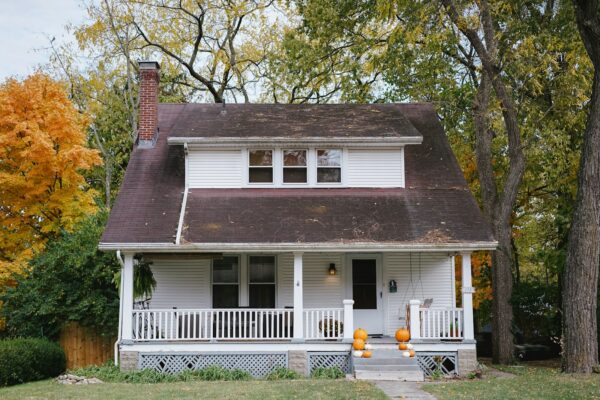
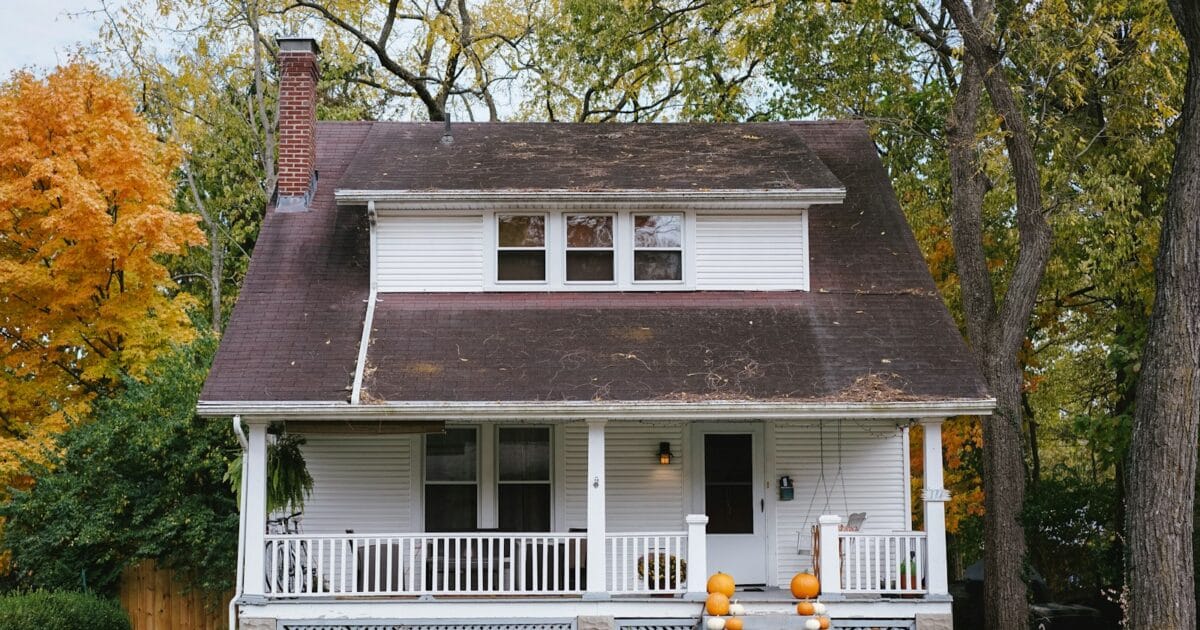
Think about what each part of a porch actually endures. The floor takes the full weight of everyone who walks across it, plus dragged furniture, wet shoes, dropped plant pots, sun, and standing water after a storm. That is the harshest job on the whole structure, and it is horizontal, so water and grit sit on it instead of running off. The ceiling, by contrast, is protected under the roof and barely touched. The railings and posts get hand contact and weather but not foot traffic. The walls or beadboard behind the porch behave like ordinary exterior siding.
Because the stresses are so different, the paint that survives on one part will fail on another. A wall paint on the floor scuffs off in a season. A floor enamel on the ceiling is overkill and can look plasticky. The smart move is to treat a porch as a small collection of surfaces and match a product category to each one. That is the whole story, and once you see it that way the choices get simple.
The Porch Floor And Steps: The Hardest Part
The floor is where porch paint jobs live or die, so start your thinking here. You want a product built for horizontal, walked-on surfaces: a porch-and-floor enamel or an acrylic floor paint. These are formulated to resist abrasion, scuffing, and the constant flexing that foot traffic causes, which ordinary wall or trim paint simply is not. Water-based acrylic floor enamels are the common modern choice because they hold color, resist fading, and clean up easily, while some oil and alkyd porch enamels are prized for a hard, slick finish. Whichever category you pick, it must say it is for floors and porches on the label.
Slip resistance matters on a floor that gets wet, so many people add a fine anti-slip additive to the topcoat or choose a lightly textured product, especially on steps where a fall is dangerous. The single biggest cause of floor-paint failure, though, is moisture and prep, not the paint itself. A concrete porch floor and a wood porch floor are different animals here, and each has its own primer and moisture rule, which the next two sections cover. Get that part right and a floor coat lasts. Get it wrong and it peels no matter how good the paint was.
Concrete Porch Floors Versus Wood Porch Floors
A concrete or masonry porch floor needs a masonry-appropriate approach. Bare concrete is alkaline and often damp from below, so it usually wants etching or profiling and a masonry or concrete primer before the floor coat, and you should moisture-test the slab first because a slab that wicks water will push any coating off. This is the same logic we cover in our guide to the best paint for concrete, and it applies directly to a concrete porch. Do not skip the moisture check just because the surface looks dry on top.
A wood porch floor is a different job. Tongue-and-groove or plank wood flexes, and it takes on and sheds moisture with the weather, so it wants an exterior wood primer and a flexible porch-and-floor enamel that can move with the boards. Seal the boards, prime bare and weathered wood, and pay attention to the seams and end grain where water gets in. If your porch floor is really an open deck surface, the product logic overlaps heavily with our guide to the best paint for a deck, which digs into the paint-versus-stain question for exposed horizontal wood. On a covered porch you have more latitude because the roof shelters the boards, but the prep discipline is the same.
The Porch Ceiling: Standard Exterior Acrylic
The porch ceiling is the easy one. It is sheltered, rarely touched, and not walked on, so a standard 100% acrylic exterior paint is exactly right. You do not need a floor product up there, and you do not want the sheen or hardness of one. A satin or low-lustre exterior acrylic reads clean and holds up fine under the roof. Prime any bare wood or new beadboard first so the finish bonds evenly.
There is a well-loved tradition worth mentioning here purely as a style note, not a performance claim: many porch ceilings are painted a soft blue, often called haint blue, and people choose it for its calm, sky-like look and its long regional history. Whether it does anything beyond looking pleasant is folklore rather than fact, so treat it as a color preference. If you want help settling on a ceiling and trim palette that works with your house, our guide on how to choose exterior paint colors is a good starting point.
Railings, Posts, And Beadboard Walls
Railings and posts are trim, so they want an exterior trim enamel that dries to a harder, more scuff-resistant, easy-to-wipe finish than flat wall paint. A 100% acrylic exterior trim enamel is the versatile default, while an alkyd or oil-modified trim enamel gives an even harder, glassier finish that some people prefer on handrails that get gripped constantly. Wood railings and metal railings differ: bare or rusty metal needs a rust-inhibitive primer or a direct-to-metal product first, the same idea we cover in our guide to the best paint for metal, while wood railings want an exterior wood primer on bare spots.
The walls behind the porch, or beadboard wainscot, behave like ordinary siding and take a standard exterior acrylic in the sheen you like. If your porch has a front door in the mix and you want it to be a focal point, our guide to the best paint for a front door covers the harder, self-leveling enamels that make a door look sharp. Group your surfaces this way and you will end up buying maybe three products for the whole porch, each doing the job it is actually built for.
Sheen And Color Across The Porch
Sheen should follow function, not just taste. Floors usually take a satin to low-gloss porch enamel because a little sheen wears better and cleans easier, but avoid a high gloss on a wet floor since it can feel slick. Ceilings look right in flat to satin. Railings and trim go up a step to satin or semi-gloss because the harder sheen resists hand grime and sheds water. If you want a deeper primer on the trade-offs, our paint sheen guide lays out where each sheen belongs.
Color has one honest caution outdoors: very dark colors absorb more heat, and on a sun-baked floor or railing that heat can stress the coating and be unpleasant underfoot. It is not a reason to avoid dark colors, just a reason to be deliberate about them on the most sun-exposed, most-touched parts of the porch.
Primer And Prep: The Gate Everything Passes Through
Every part of a porch shares one rule: prep and primer decide whether the paint lasts. Wash off dirt, mildew, and chalk, scrape and sand any failing old paint, and let everything dry fully. Prime bare wood, bare metal, and bare concrete with the primer that matches the substrate, because a topcoat over an unprimed, unsealed surface is the classic setup for peeling. Our guide on whether you need primer before painting walks through when a separate primer is non-negotiable, and the answer on bare porch surfaces is almost always yes.
Two more prep notes. First, if your home was built before 1978, assume old paint layers may contain lead and do not dry-sand or grind them without following safe practices; the EPA lead program explains the rules. Second, exterior work needs a dry, mild weather window so the coats cure properly, especially on the floor, so check our guide to the best weather conditions for exterior painting before you start and never paint a porch floor that rain will hit within a day.
How Much Paint And What It Costs
Because a porch is several surfaces, the paint quantity is really a few smaller numbers added together: the floor area, the ceiling area, and the linear feet of railing and posts. Coverage varies with the porous, thirsty nature of bare wood and concrete, which drink the first coat, so plan for primer plus two topcoats on most surfaces. Rather than guess, run your measurements through our cost calculator to size the products, or get a free painting estimate if you would rather compare against a pro. For the labor and budget side specifically, our companion breakdowns on the cost to paint a porch and, if you do this for a living, how much to charge to paint a porch give you real-world ranges, while how long it takes to paint a porch helps you plan the weekend.
DIY Versus Hiring Out
A porch is one of the more approachable exterior projects for a DIYer because the surfaces are reachable and the areas are modest, but the floor is the part that punishes shortcuts. If you are comfortable moisture-testing concrete or prepping and priming wood, and you can give the floor coat a dry stretch to cure, the whole porch is a realistic weekend or two. Hiring out makes the most sense when the floor has moisture problems, the porch is high off the ground, or there is a lot of failing old paint and possible lead to deal with. To decide, weigh a quote against your own time using the calculator or a free estimate above, and remember that the money you save is only real if the floor coat actually lasts.
Frequently asked questions
Can I use the same paint on my porch floor and ceiling?
No, and you should not. The floor needs a porch-and-floor enamel built for foot traffic and abrasion, while the ceiling only needs a standard exterior acrylic. A wall or ceiling paint on the floor scuffs off quickly, and a floor enamel on the ceiling is overkill. Match each surface to its own product category.
What is the best paint for a concrete porch floor?
A masonry-friendly acrylic or porch-and-floor enamel over a concrete or masonry primer, after you etch or profile the slab and moisture-test it. Bare concrete is alkaline and often damp from below, so a coating pushed off by moisture is the usual failure. Confirm the slab is dry before you commit to a floor coat.
Do I need to prime a wood porch before painting?
Yes, prime bare and weathered wood with an exterior wood primer before the floor enamel or trim paint. Wood flexes and takes on moisture with the weather, so an unprimed board sheds paint fast, especially at seams and end grain. Priming is the step that lets a flexible porch enamel bond and last.
What paint should I use on porch railings and posts?
An exterior trim enamel, acrylic for easy cleanup or alkyd for a harder, glassier finish, in a satin or semi-gloss sheen that resists hand grime. Prime bare wood with a wood primer and bare or rusty metal with a rust-inhibitive or direct-to-metal primer first, since railings get gripped and weathered constantly.
Is haint blue actually functional on a porch ceiling?
Treat it as a style tradition, not a proven function. Soft blue porch ceilings have a long regional history and a calm, sky-like look many people love, but claims that the color repels insects are folklore rather than established fact. Choose it because you like it, and use a standard exterior acrylic in that color.
What sheen is best for a porch floor?
A satin to low-gloss porch-and-floor enamel is the usual pick, because a little sheen wears and cleans better than flat while avoiding the slick feel of a high gloss on a wet surface. On steps, consider an anti-slip additive or a lightly textured product so the surface stays safe underfoot when it rains.