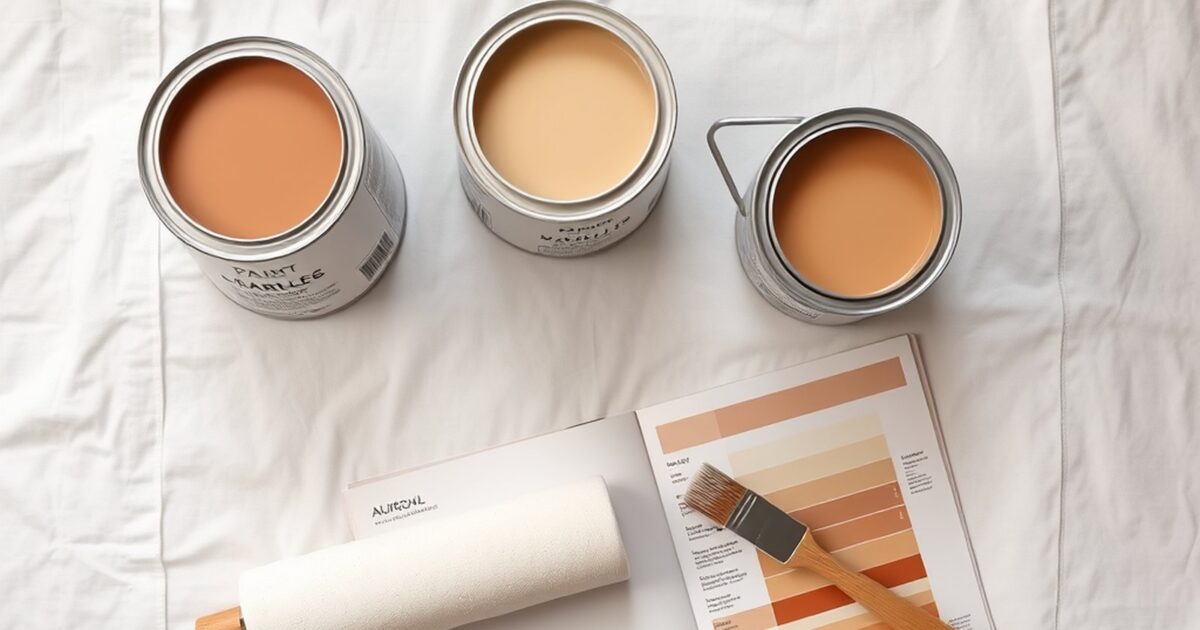
In this article
Quick answer: The best paint for concrete is a concrete or masonry floor paint or 1-part epoxy for light-duty floors, a 2-part epoxy for high-wear floors, and an elastomeric or acrylic masonry paint for walls. Choose a low sheen and a masonry primer. Moisture control is the one factor that decides whether any coating lasts.
Concrete looks tough, but it is a demanding surface to coat, and the best paint for concrete depends entirely on whether you are painting a floor or a wall and how much wear it will take. Above every product choice sits one make or break issue: moisture. Concrete wicks water from the ground and pushes it outward as vapor, and that vapor drive can lift even a premium coating off the slab. This guide covers the paint types by use, the moisture test you should run first, and the etching and prep that let paint actually stick.
Why concrete is a hard surface to paint
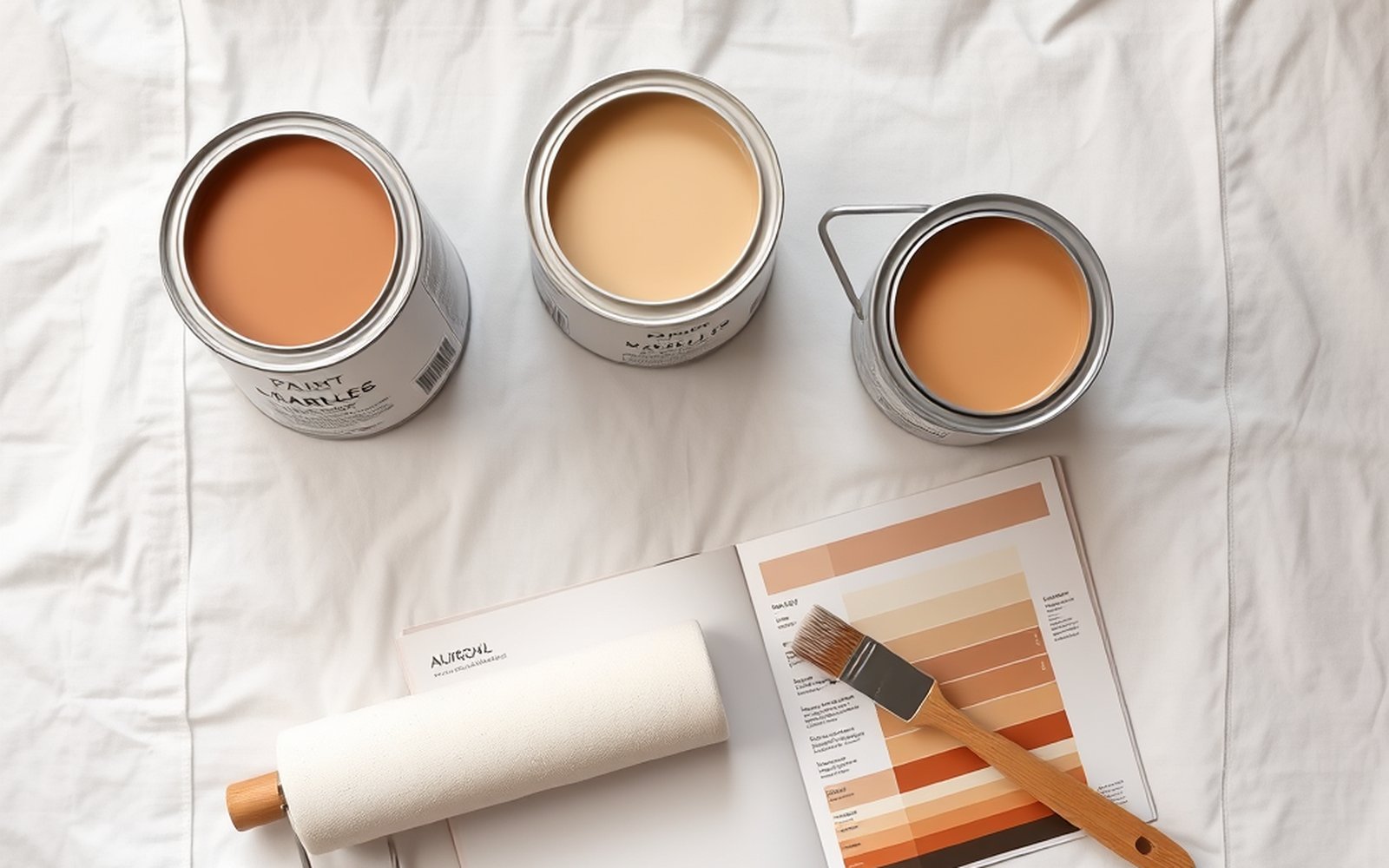
Three things make concrete tricky. The first is moisture. A slab sitting on the ground pulls water up through itself and releases it as vapor at the surface, a process called vapor drive. If that vapor has nowhere to go because a coating is sealing the top, it builds pressure and delaminates the paint. This is why a moisture test comes before any product decision on concrete, especially below grade.
The second problem is a slick surface. A troweled, power floated, or previously sealed slab is glassy smooth and gives paint nothing to grab, so coatings peel unless the surface is opened up first by etching or grinding. The third is efflorescence and alkalinity, the same white salt bloom and high pH that plague brick, which must be removed and neutralized or they will push a coating off from underneath. Solve moisture, profile, and efflorescence, and concrete takes paint well. Ignore any one and the job fails. Our how to remove paint from concrete guide shows how hard removing a failed coating can be.
Best paint for concrete floors
Floors are chosen by how much abuse they take. For a light-duty floor, a basement, a covered porch, a low traffic patio, a dedicated concrete or masonry floor paint or a 1-part epoxy gives a solid, washable finish that is straightforward to apply. These are the easiest DIY options and refresh a tired slab nicely.
For a high-wear floor, a garage, a workshop, a driveway, a 2-part epoxy is the durable choice. Two part epoxies cure to a hard, chemical and abrasion resistant film that stands up to hot tires, oil, and foot and vehicle traffic far better than a single part coating. They demand more careful prep and have a limited working time once mixed, but they last. Garage floors are their own detailed topic, covered in our best paint for a garage floor guide, and basements in our best paint for a basement guide, both of which build on the principles here. On any walked surface, add an anti-slip additive to the topcoat, because painted concrete gets slick when wet.
Best paint for concrete walls
Concrete and block walls, foundation walls, basement walls, retaining walls, call for a different product than floors. An elastomeric masonry coating is a strong choice because it forms a thick, flexible film that bridges hairline cracks and resists water. For below grade or damp walls, a breathable acrylic masonry paint or a purpose made masonry waterproofing coating lets vapor escape while still resisting liquid water, which matters when moisture is driving from the soil side.
The breathable versus sealing tradeoff mirrors brick: on walls that see moisture from behind, you want a coating that can let vapor pass rather than trapping it, or you get blistering. Acrylic masonry paints strike that balance for most above grade block and foundation walls. For interior basement walls specifically, our best paint for a basement guide goes deeper on moisture management and finish choice.
Concrete paint types compared
| Use | Best paint type | Why |
|---|---|---|
| Light-duty floor | Concrete floor paint or 1-part epoxy | Easy to apply, washable, good for low traffic |
| High-wear floor | 2-part epoxy | Hard, abrasion and chemical resistant, handles hot tires |
| Above grade walls | Acrylic masonry paint | Breathable, weather resistant, bridges fine cracks |
| Crack-prone or exterior walls | Elastomeric masonry coating | Thick, flexible, bridges hairline cracks |
| Below grade or damp walls | Breathable masonry or waterproofing coating | Lets vapor escape while resisting liquid water |
Run a moisture test first
Before you buy a drop of paint for concrete, test for moisture, because it is the single biggest cause of coating failure on a slab. The simplest check is the plastic-sheet test: tape a square of plastic sheeting tightly to the concrete, sealing all edges, and leave it for 24 to 48 hours. Lift it and look. Condensation under the plastic or a darkened patch on the concrete means moisture is moving through the slab, and vapor drive will threaten any coating you apply.
If the test shows moisture, address the source, drainage, grading, a vapor barrier, or a dedicated moisture tolerant system, before painting. Painting a wet slab is throwing money at a coating that will bubble and peel. Only once the concrete tests reasonably dry should you move to product selection and prep. This step is non negotiable on below grade floors and walls, where moisture pressure is highest.
Sheen, primer, and profiling the surface
Concrete generally looks best in a low sheen. Flat and satin hide the natural unevenness of a slab or block wall and avoid the plastic glare a gloss gives a rough surface, though epoxy floor systems often cure to a natural satin or gloss of their own. On floors, the priority is the coating system and anti-slip additive more than the exact sheen. Our paint sheen guide covers how sheen behaves on different surfaces.
Primer matters on concrete. A masonry or concrete primer, sometimes a block filler on rough block, seals the porous surface, neutralizes alkalinity, and improves topcoat adhesion. Just as important is the surface profile. A slick, troweled, or previously sealed slab must be etched with a concrete etching solution or mechanically ground to open the pores so paint can key in. Skip profiling on a glassy slab and even the best coating peels. Our do I need primer before painting guide reinforces why sealing and profiling drive adhesion on masonry.
Prep essentials and coats
Concrete prep is thorough work, and it is where most failures are prevented. Follow these steps.
- Test for moisture. Run the plastic-sheet test and resolve any moisture source before painting.
- Degrease and clean. Remove oil, grease, dust, and any old flaking coating so the paint bonds to sound concrete.
- Remove efflorescence. Brush and wash off the white salt deposits, and address why they are forming.
- Patch and repair. Fill cracks and spalls with a concrete patch and let it cure.
- Profile the surface. Etch or grind a slick or sealed slab to give the coating tooth.
- Prime. Apply a masonry or concrete primer suited to your topcoat.
For general surface cleaning and repair fundamentals that carry over, our how to prep walls for painting guide is a useful reference. On coats, plan for two coats on most concrete, because the porous surface drinks the first pass and even coverage needs the second. Two part epoxy floors follow the manufacturer sequence closely, often primer, base, and topcoat with tight recoat windows. Always let concrete coatings cure fully before returning traffic, foot traffic and especially vehicle traffic, or you will mar an uncured film. Garage owners can size the job with our cost to paint a garage guide.
DIY versus pro and budgeting
Light-duty floor paints, 1-part epoxies, and masonry wall paints are within reach for a prepared DIYer who is willing to do the moisture test, etching, and cleaning properly. High-wear 2-part epoxy floors are less forgiving, the mixing, working time, and prep are demanding, and a botched batch is costly, so many owners hire that out or choose a simpler system. Large exterior concrete or a slab with a known moisture problem is another good reason to bring in a pro.
Whatever route you take, price it before you start. Run your numbers through the painting cost calculator, request a free painting estimate, and use our cost to paint a garage guide for that common concrete floor job. Because concrete coatings are labor heavy in prep, understanding the full cost up front helps you decide between DIY and hiring out. Remember that much of the expense on a concrete job is time and materials for cleaning, etching, and patching, not the paint itself, so a quote that skimps on prep is a quote to be wary of.
Common mistakes to avoid
The biggest concrete mistake is skipping the moisture test and painting a slab that is pushing vapor, which peels the coating no matter how good it is. The second is failing to etch or grind a slick, sealed slab, so the paint has nothing to grip. The third is painting over efflorescence instead of removing it. The fourth is using a floor coating on a wall or a wall paint on a high-wear floor, mismatching the product to the use. And the fifth is walking or driving on the coating before it has fully cured. Test, profile, prep, and cure patiently, and painted concrete holds up for years.
Frequently asked questions
What is the best paint for concrete?
The best paint for concrete depends on the surface. Use a concrete floor paint or 1-part epoxy for light-duty floors, a 2-part epoxy for high-wear floors like garages, and an elastomeric or acrylic masonry paint for walls. Choose a low sheen, prime with a masonry primer, and above all test for moisture first, since vapor drive is the main cause of failure.
How do I test concrete for moisture before painting?
Run the plastic-sheet test. Tape a square of plastic sheeting tightly to the concrete, sealing all edges, and leave it 24 to 48 hours. If you find condensation under the plastic or a darkened patch on the slab, moisture is moving through the concrete and will threaten any coating. Fix the source before painting.
Do I need to etch concrete before painting?
Usually yes, if the slab is troweled smooth, power floated, or previously sealed. A glassy surface gives paint nothing to grip, so you etch it with a concrete etching solution or grind it mechanically to open the pores. Etching creates the profile a coating needs to bond. A rough, bare slab may need only thorough cleaning.
What paint is best for a concrete floor?
For light-duty floors, a concrete or masonry floor paint or a 1-part epoxy works well and is DIY friendly. For high-wear floors like garages and workshops, a 2-part epoxy gives a hard, abrasion and chemical resistant finish that handles hot tires and traffic. Add an anti-slip additive on any walked surface, since painted concrete gets slick when wet.
Can I paint below grade or basement concrete?
Yes, but choose a breathable masonry paint or a dedicated masonry waterproofing coating so vapor can escape rather than blistering the film, and always test for moisture first. Below grade walls and floors face the highest vapor pressure, so moisture control and the right coating matter most there. Our basement paint guide covers this case in detail.
How many coats does concrete need?
Plan on two coats for most concrete, because the porous surface drinks the first pass and even coverage needs a second. Two part epoxy floor systems follow the manufacturer sequence, often a primer, base, and topcoat with specific recoat windows. Let the coating cure fully before returning foot or vehicle traffic.
Concrete rewards patience: test for moisture, profile a slick slab, remove efflorescence, prime, then match the coating to the use, epoxy for hard wear floors, masonry or elastomeric paint for walls. When you are ready to budget, run the numbers in the painting cost calculator, request a free painting estimate, and see our best paint for a garage floor, best paint for a basement, and cost to paint a garage guides for related concrete projects.
Water changes the requirement completely. See pool paint for the system types, why they cannot be mixed or overcoated freely, why identifying what is already on the shell comes before any quote, and the shutdown window the work has to fit into.
For painters, concrete block walls in gyms, warehouses and schools are priced by condition band, with filler, access and patching as separate lines. See how to price painting CMU block walls.
Staining the concrete instead? See the cost to stain concrete.
Coating a garage slab? See how to apply an epoxy garage floor.
Coating a garage or porch instead? See the best paint for garage walls or the best paint for a porch.