In this article
About the cost figures on this page
Any cost ranges shown here are illustrative estimates, not a quote. What you actually pay varies widely with your location and local labour rates, the size and condition of the surfaces, access and setup, the products specified, how much prep the job needs, and the time of year. Use these numbers to sanity check a quote you have been given and to understand what drives the total, then get written quotes from local contractors before you budget. You can also build an estimate around your own project with the free calculator.
Quick answer: Painting a front door costs about $100 to $500 when you hire a pro in 2026, while a DIY homeowner spends just $30 to $80 on materials. It is a small job, so the price is driven almost entirely by prep, the door material, whether both the interior and exterior faces are painted, and whether the door is removed for a smooth sprayed finish. A simple refresh is cheap. A weathered door that needs sanding and priming costs more. Prices vary by region and condition.
This guide is for homeowners who want to refresh their front door and understand what a fair price looks like, whether they hire it out or do it themselves. A front door is the single highest-impact small paint project on a house, and it is very DIY-friendly. To turn your specifics into a real number, use the painting estimate calculator or get a free painting estimate.
How much it costs to paint a front door
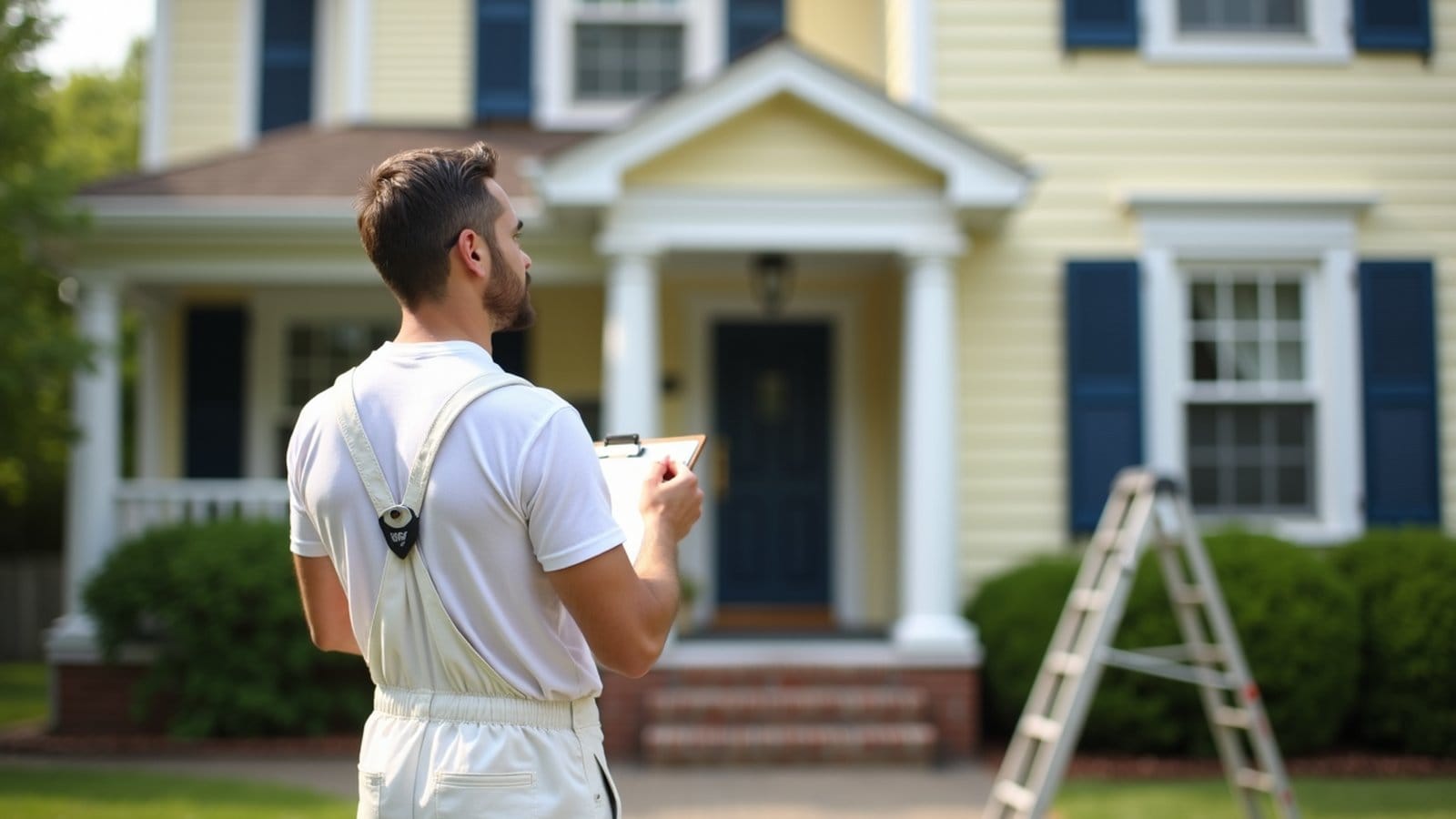
A front door is priced as a flat range rather than per square foot, because the labor is mostly prep and careful brushing regardless of the door’s exact size. Here is how the cost breaks down by scope. The pro figures include prep, primer where needed, and two coats of durable enamel.
| Scope | Low | Average | High | Notes |
|---|---|---|---|---|
| Exterior face only (pro) | $100 | $200 | $300 | Light prep, painted in place |
| Both faces (pro) | $175 | $300 | $450 | Interior and exterior coated |
| Removed and sprayed (pro) | $250 | $400 | $500 | Factory-smooth finish, both faces |
| Heavy prep or restoration (pro) | $300 | $425 | $500+ | Sanding, stripping, primer |
| DIY materials only | $30 | $55 | $80 | Quart of enamel, brush, primer |
The spread between $100 and $500 looks wide for one door, but it tracks directly to prep and scope. An exterior face that just needs a clean and two coats sits at the bottom. A weathered door that needs sanding, priming, and both faces done, then removed and sprayed for a flawless finish, sits at the top. A front door is often refreshed alongside other entry features, so you may also be weighing the cost to paint shutters and the cost to paint a garage door as part of a curb-appeal refresh.
What drives the cost of painting a front door
Because the door is small, these factors matter more here than raw size ever does.
- Prep and condition. This is the biggest cost driver on a small job. A clean, sound door needs only a wipe-down and light scuff-sand. A peeling, faded, or sun-baked door needs scraping, sanding, and spot-priming, which can double the labor.
- Door material. Wood, fiberglass, and steel each take paint differently. Wood is forgiving but may need more prep. Fiberglass and steel need a good bonding primer so the enamel grips the smooth surface. Each material shapes the prep and product choice.
- One face or both. Painting just the exterior face is the cheapest option. Doing the interior face too, which often gets a different color, roughly adds another round of prep and coating and pushes the price up.
- Removed versus painted in place. Painting in place is fast but leaves brush marks and means working around the hinges and hardware. Removing the door to spray it horizontally gives a glass-smooth, factory-style finish but adds labor to take it down, lay it flat, and rehang it.
- Paint type. A front door takes abuse from hands, weather, and sun, so it needs a durable exterior or door-and-trim enamel, not flat wall paint. These tougher, often self-leveling enamels cost more per quart but resist scuffs and hold a gloss.
- Hardware and glass. Removing the handle, knocker, and kick plate, and masking sidelights or glass inserts, adds a little time. Detailed doors with panels and glass take longer to cut in than a flat slab.
Labor versus materials: where the money goes
A front door is the clearest labor-versus-materials story in all of exterior painting: the paint costs almost nothing, and you are paying for prep and a careful hand. On a pro job, labor is typically 85 to 90 percent of the total.
Take a both-faces pro job priced at $300. Materials, a quart of quality door enamel, a small can of primer, sandpaper, and tape, run maybe $40 to $60. Everything else is labor: removing hardware, sanding and cleaning both faces, priming bare or slick spots, and brushing two smooth coats while keeping a wet edge so the finish self-levels without lap marks. This labor-heavy math is exactly why DIY is so attractive on a front door. The materials are $30 to $80, and if you are willing to do the careful prep and brushing yourself, you capture nearly the entire cost of the job. A single quart covers a front door with paint to spare.
A small job where the door material and prep drive everything
A front door is a special little project, and understanding what makes it tick will help you decide between DIY and a pro, and avoid the mistakes that ruin an otherwise easy job.
Start with the material, because it dictates the prep. Wood doors are the most forgiving and the most common to repaint. They take primer and enamel well, though an older wood door may need scraping where the finish has failed and a light sand to smooth it. Fiberglass and steel doors are increasingly common on newer homes, and they have very smooth, slick surfaces that ordinary paint can struggle to grip. The fix is a quality bonding primer made for those surfaces, after which a durable enamel sticks and lasts. Skipping the primer on fiberglass or steel is the classic mistake that leads to peeling, so the prep is not optional even though the surface looks ready to paint.
Then there is the finish itself. A front door is touched by hands all day, baked by afternoon sun, and rained on, so it demands a tough, washable enamel rather than flat wall paint. A good exterior door-and-trim enamel self-levels as it dries, meaning brush marks flow out into a smooth surface, which is why a patient hand can get a near-sprayed look with just a brush. For the absolute smoothest finish, especially on a paneled door in a dark dramatic color, removing the door and spraying it flat is the pro move, but a careful brush job on a self-leveling enamel is more than good enough for most homes. One note for homeowners: a front door is interior on one side and exterior on the other, so if you change the color, decide whether you are doing one face or both, since that choice is the difference between a $200 job and a $300-plus job.
One important distinction: this guide covers your exterior entry door, the one that faces the street and takes the weather. If you are pricing the plain hollow-core or panel doors inside your home, bedrooms, bathrooms, closets, those are a different job with a different cost structure, and the cost to paint interior doors guide covers them specifically. The front door is its own thing because of the durable exterior enamel, the two-face decision, and the curb-appeal stakes.
DIY versus hiring a pro
A front door is arguably the most DIY-friendly paint project on the entire house, so the cost comparison is lopsided toward doing it yourself, with a few honest exceptions. Here is the breakdown.
| Factor | DIY | Hiring a pro |
|---|---|---|
| Typical cost | $30 to $80 materials | $100 to $500 |
| Time | Half a day plus drying | 2 to 4 hours of labor |
| Skill needed | Patient brushing, basic prep | Crew handles it |
| Finish | Very good with self-leveling enamel | Factory-smooth if sprayed |
| Best for | Sound door, single color change | Heavy restoration, sprayed finish |
The honest verdict: if your front door is in sound shape and you just want a fresh color, this is a weekend DIY win. A quart of good door enamel, a little primer, an angled brush, and some patience get you a great-looking door for under $80. Where the pro earns the higher price is on a badly weathered door that needs real restoration, a fiberglass or steel door where bonding primer and technique matter, or when you want a perfectly smooth sprayed finish on a dark dramatic color where every brush mark would show. For the typical sound wood door getting a color refresh, DIY captures almost the entire cost of the job. The catch is patience: rushing the prep or recoating before the first coat is dry is what separates an amateur result from a clean one.
A worked cost example
Say you have a 20-year-old wood front door, faded and a little chalky on the exterior face, and you want a bold new color on the outside while keeping the interior face as-is. You are deciding between DIY and a pro.
The DIY path: a quart of premium exterior door enamel runs about $35, a small can of bonding primer for the chalky spots is $15, and sandpaper, tape, and a quality angled brush add $20. Call it $70 in materials. You spend a Saturday morning removing the hardware, sanding, spot-priming, and laying down the first coat, then a second coat after it dries, and you have a striking front door for the price of lunch out. The pro path: a painter quotes about $200 for the exterior face, including the scuff-sand, spot-prime, and two coats of enamel, painted in place. Ask them to also do the interior face in a coordinating color and the bid rises to around $300. Ask them to remove the door and spray both faces for a flawless finish and you approach $400 to $450. Same door, four very different numbers, driven entirely by scope and finish quality rather than the door’s size.
How painters price a front door
Painters price a front door as a small flat job, not by square foot, because the labor is dominated by prep and careful brushing that does not change much with the door’s exact dimensions. They set a base for the exterior face, add for the interior face, add for heavy prep or restoration, and add again if you want it removed and sprayed. The general framework painters use to price small features is covered in the how to price painting jobs per square foot guide, though a door specifically gets a flat-rate treatment.
From the contractor side, a front door is almost pure labor, so the painter is pricing time and finish quality: time to prep the surface properly for its material, and the technique to lay a smooth, durable coat. When a front door is bundled into a larger exterior repaint, painters often fold it into the whole-house number, and the how much to charge to paint a house exterior guide shows how those small features get rolled in. Because the door is a focal point, painters also pay attention to drying and curing so the high-traffic finish hardens fully, which the drying time between coats guide explains.
Ready to refresh your entry? Size the job in two minutes with the painting estimate calculator, or get a quick free painting estimate if you would rather hand it off. For the biggest curb-appeal return per dollar on the whole house, few projects beat a freshly painted front door, and it is one of the easiest to budget and to DIY.
Frequently asked questions
How much does it cost to paint a front door?
Hiring a pro to paint a front door costs about $100 to $500 in 2026, depending on prep, the door material, whether both faces are done, and whether it is removed and sprayed. Doing it yourself costs only $30 to $80 in materials, since a single quart of door enamel covers a front door. The price is driven by prep and scope, not the door’s size.
Is it cheaper to paint a front door myself?
Yes, by a wide margin. A front door is one of the most DIY-friendly paint projects, and the materials run just $30 to $80, mostly a quart of durable door enamel and a little primer. Since a pro job is 85 to 90 percent labor, doing the careful prep and brushing yourself captures almost the entire cost. A sound door getting a color refresh is a half-day weekend project.
What kind of paint should I use on a front door?
Use a durable exterior or door-and-trim enamel, not flat wall paint, because a front door takes abuse from hands, sun, and weather. A self-leveling enamel flows brush marks out for a near-sprayed look. On fiberglass or steel doors, prime first with a bonding primer so the enamel grips the slick surface, since skipping that step is the main cause of peeling.
Should I take the front door off to paint it?
Removing the door and spraying it flat gives the smoothest, factory-style finish and is worth it for a paneled door in a dramatic color. Painting in place is faster and fine for most homes, especially with a self-leveling enamel and a patient hand. Removing the door adds labor to take it down and rehang it, which is part of why a sprayed pro job costs more.
How is a front door different from interior doors to paint?
A front door faces the weather and high traffic, so it needs a tough exterior enamel and often has two faces in different colors, which makes it a pricier, more careful job than a plain interior door. Interior doors like bedroom and closet doors are a separate project with their own cost structure, covered in our cost to paint interior doors guide. The front door is a curb-appeal focal point, so finish quality matters more.
Pricing it as a pro? See how much to charge to paint a front door.
Planning the schedule too? See how long it takes to paint a front door.
Buying the paint yourself? See how much paint you need for a front door.
Choosing a bold door color? See how to choose exterior paint colors.
Choosing the paint yourself? See the best paint for a front door.
Painting it yourself? See how to paint a front door for the panel sequence and the overnight weather window.