In this article
- Two services that share a wall and little else
- Why removal is priced blind
- The test patch before the number
- Pricing removal three ways
- After the paper comes off
- When the customer asks to paint over it
- Hanging paper is its own trade
- Measuring for installation
- Pricing installation
- Customer supplied paper
- Bathrooms, damp rooms and mold
- Writing the scope so the wall is not a surprise
- Steam, water and the tools in the room
- When to refer the work
- Frequently asked questions
Wallpaper jobs arrive in two directions. A customer wants old paper off so the room can be painted, or a customer wants new paper hung on a wall the painter has just prepared. Both land on painting businesses because painters are already in the room, and both are regularly priced as if they were painting.
They are not. Removal is priced against a wall nobody can see yet, and installation is a craft with its own waste, its own measuring and its own ways to go wrong. This guide treats them as the two services they are.
Two services that share a wall and little else
Removal is demolition with a delicate finish. The goal is a clean, sound wall ready for primer, and the hours depend almost entirely on how the paper was put up and what is underneath it.
Installation is finish work. The goal is seams that disappear, patterns that match and edges that stay down, and the hours depend on the paper, the pattern and the room.
Quote them separately, even when the same crew does both on the same job. A single wallpaper line hides which part went wrong when the hours run over, and it makes it impossible to learn anything from the job afterward.
Why removal is priced blind
From the doorway, every papered wall looks roughly the same. Behind the paper, the range is enormous.
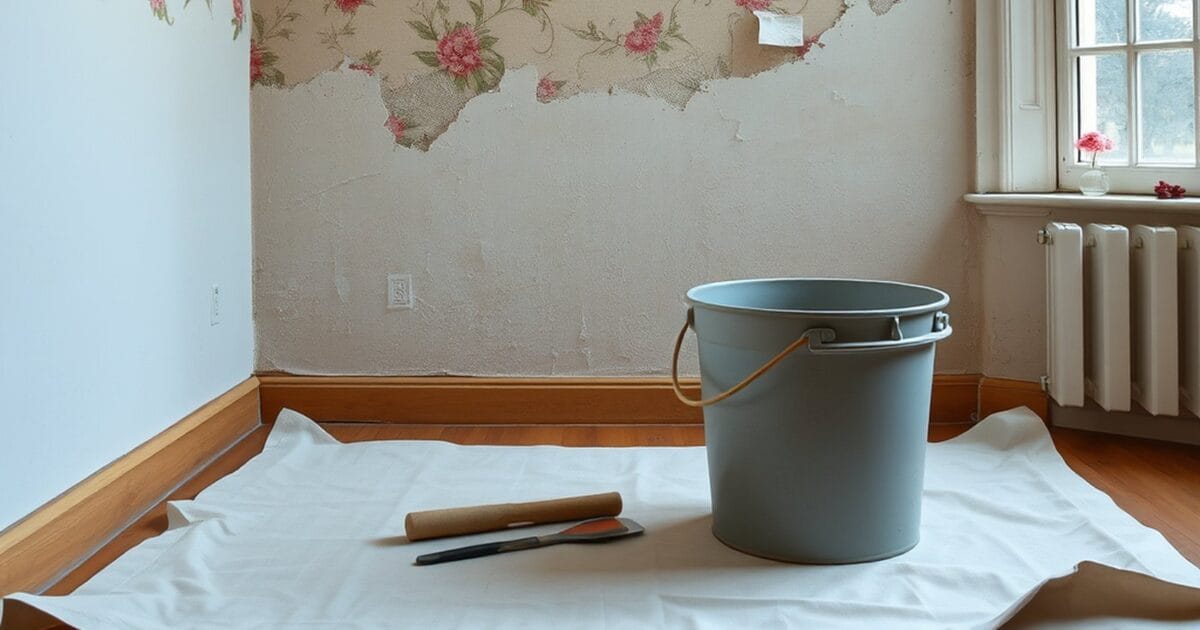
Strippable paper can come away in whole sheets. Other papers leave a backing layer that has to be soaked and scraped. Vinyl faces resist water until they are scored or peeled. Some rooms have several layers, sometimes with paint between them. And paper hung directly on drywall that was never primed can take the paper face of the drywall with it, which turns a removal job into a repair job.
None of that is visible at the walkthrough. That is the central problem of pricing removal, and it is why the general advice on prep in how to account for prep time in a painting estimate applies with extra force here.
The test patch before the number
The most useful thing a painter can do before pricing removal is to try it. With the agreement of the customer, lift a corner in an inconspicuous place, behind a door or where furniture will sit.
A small test answers the important questions quickly. Does the face peel dry? Does a backing layer remain? Is there another layer underneath? Does the wall surface come away with the paper? How does it respond to water?
If a test is not possible, say so in the estimate and price the uncertainty rather than ignoring it. The practical steps of removal are described in how to remove wallpaper, and reading them with a stopwatch in mind is a good way to see where the hours go.
Pricing removal three ways
By wall area with condition bands. Measure the papered area and apply a rate chosen from a small set of bands: strips cleanly, needs soaking and scraping, multiple layers or difficult. This is the most common method and fits with how painting is already measured.
By the hour with a stated range. Useful when the test was inconclusive or impossible. Give an expected range, commit to telling the customer before the top of it is reached, and record the actual hours.
By the room. Simple for small, typical rooms such as a powder room or a bedroom accent wall. It becomes risky on large or unusual rooms, where the room price hides a wide range of areas.
Whatever the method, keep the wall repair after removal as a separate line. It is the part most likely to change, and keeping it separate means the removal price can stay firm.
After the paper comes off
A stripped wall is rarely ready to paint. Adhesive residue has to be washed off, because paint over paste can crack and peel. Torn drywall paper has to be sealed before any patching, or the repair will bubble. Gouges from scrapers need filling, and on badly damaged walls the only good answer is a skim coat over the whole surface.
Price these as a conditional line with a clear trigger: if the wall surface is damaged during removal, repair is charged at a stated rate. That is fairer than loading every job with repair it may not need. For the larger case, how to price skim coating covers the finish work in detail, and the painting change order template shows how to document the change when damage appears.
Primer is not optional after removal. A primer made for the purpose seals the surface and any residue, and it belongs in the materials line.
When the customer asks to paint over it
Some customers would rather skip removal altogether. Sometimes that is a reasonable choice, and sometimes it is a failure waiting to happen. Well bonded paper with tight seams can sometimes be painted with the right primer. Loose seams, vinyl faces and papers in damp rooms usually cannot.
The comparison is set out in how to paint over wallpaper. If the customer chooses to paint over, write down that they chose it against removal, note the condition of the paper, and limit any warranty on the finish accordingly. A paint failure caused by the paper underneath should not become a free repaint.
Hanging paper is its own trade
Installation looks simple and is not. The surface has to be smooth, primed with a suitable product and sound. The first strip has to be plumb, because every strip after it follows. Patterns have to match across every seam and around every corner, window and door. Seams have to be tight without overlapping. Edges have to stay down.
A painter who has not hung paper regularly will be slow and may waste material. That is not a reason to avoid the work, but it is a reason to price the first few jobs with care and track the hours closely.
The rooms that take longest are not always the largest. Stairwells, bathrooms with fixtures, rooms with many openings and walls that are far out of plumb all take more time per strip.
Measuring for installation
Wallpaper is sold in rolls, and the roll size, usable area and pattern repeat are printed on the label or the product listing. Those figures vary between products and between markets, so always work from the product in hand rather than a remembered rule.
The pattern repeat matters most. A large repeat means more paper is cut away to line up each strip, so the same wall needs more rolls. Random match and straight match papers waste less than drop match papers. Tall walls and many openings add waste too.
Order enough for the whole job from the same production run. Papers from different runs can differ slightly in color, and a mismatch halfway along a wall is very visible. The same discipline applies to the whole material order, as set out in the painting estimate rate card approach of standard allowances.
Pricing installation
Installation is usually priced one of three ways: per roll hung, per strip, or per square foot of wall. Per roll is common and easy to quote once the roll count is known. Per strip reflects the work more closely on tall or complex walls. Per square foot fits neatly with painting estimates.
Add separate lines for surface preparation, primer, and difficult areas such as ceilings, stairwells and rooms with many cuts. Paper on a ceiling is much slower than paper on a wall and deserves its own rate.
Specialty papers deserve their own rates too. Grasscloth, fabric backed and hand printed papers take more care, show every mistake and cannot be cleaned easily.
Customer supplied paper
Customers often buy their own paper. That is fine, but it moves several risks onto the job.
The quantity may be short. The rolls may come from different runs. The paper may have a printing defect that only shows once hung. Agree in writing that the customer is responsible for the quantity and quality of supplied paper, that the installer checks run numbers before starting, and that defects found after hanging are a product problem, not a labor warranty problem.
The same principles apply when the customer buys the paint, which is covered in customer supplied paint on painting jobs.
Bathrooms, damp rooms and mold
Paper in bathrooms and laundry rooms can hide moisture problems. When it comes off, the wall behind may be stained, soft or growing mold.
Mold is a moisture problem first. The EPA brief guide to mold, moisture and your home explains why the moisture source has to be fixed before cleanup is worthwhile. Painting or papering over it does not solve it. How to remove mold before painting explains what is reasonable for a painter to take on and when to refer it.
Price the possibility. A conditional line for damp damage found under paper is better than an argument when the wall turns out to be soft.
Writing the scope so the wall is not a surprise
Most wallpaper disputes come from assumptions. The customer assumed the wall would be ready to paint after removal. The painter assumed it would need little repair. Neither wrote it down.
The scope should say which walls are included, whether removal includes adhesive cleanup, what happens if the wall surface is damaged, whether primer is included, who supplies new paper, how pattern placement is decided, and what happens to leftover rolls. The painting scope of work template is a good base for this.
Steam, water and the tools in the room
Removal usually involves a lot of water, and often a steamer. Both bring hazards that belong in the plan and the price.
Water runs down walls into outlets and switches. Turning off the circuits for the room, covering devices and running temporary lighting from another circuit takes time, and it is time well spent. The OSHA electrical safety overview explains why water and live circuits are a dangerous combination on any job site.
Steamers are hot and heavy, and scalds are a real risk when working overhead. Floors get wet and slippery. Scoring tools and scrapers can cut the wall and the person using them. None of this is a reason to avoid the work, but it is a reason to price it at the pace a careful crew actually works rather than the pace of a video demonstration.
Floor protection matters more than on a painting job. Wet paper and paste stick to shoes and travel through the house. Plan for heavier protection and for daily cleanup, and include both in the preparation line.
Older homes add one more question. Paper is sometimes hung over old paint, and removal can disturb that paint. The EPA page on reducing the risk of lead exposure at home explains why disturbed old paint matters, particularly where children live.
When to refer the work
Not every wallpaper job is worth taking. Very high value papers, murals, and walls that need significant plaster repair may be better handled by a specialist. A painter who refers them keeps the customer relationship and avoids a job that could damage it.
The same judgment applies to removal in older buildings. Old paper can sit over old paint, and scraping can disturb it. If the house is old enough for lead paint to be a possibility, test first and follow lead safe practices where they apply.
Every extra service deserves its own line.
PaintPricing builds itemised estimates from your own rates, so washing, repairs, coatings and consultations sit on the quote as separate lines instead of disappearing into the paint price. Free for your first 3 quotes, no card required.
Frequently asked questions
How should painters price wallpaper removal?
Measure the papered wall area and apply a rate from a small set of condition bands, based on a test patch where possible. Keep repair to the wall after removal as a separate conditional line, since it is the part most likely to change.
Why does wallpaper removal cost more than painting the same wall?
Because the time depends on how the paper was hung and what is under it, which cannot be seen in advance. Multiple layers, vinyl faces and unprimed drywall can each multiply the hours.
Is repairing the wall included in wallpaper removal?
It should be stated either way. Adhesive cleanup and primer are usually part of a proper removal. Repairing torn drywall paper or gouges is better priced as a conditional line with a clear trigger.
How do I price hanging wallpaper?
Per roll, per strip or per square foot, plus separate lines for preparation, primer and difficult areas such as ceilings and stairwells. Specialty papers such as grasscloth deserve their own rate.
Who is responsible if customer supplied wallpaper runs short?
Agree in writing that the customer is responsible for the quantity and quality of paper they supply. Check run numbers before starting, and treat defects that show after hanging as a product issue rather than a labor warranty claim.
Can I just paint over wallpaper instead?
Sometimes, if the paper is well bonded and the right primer is used. Loose seams, vinyl paper and damp rooms usually make it a poor choice. If the customer chooses it anyway, record that choice and limit the finish warranty.