In this article
- Why floor area is not paintable area
- The coverage math
- Gallons for a 3000 square foot interior
- A worked example
- What changes how much you need
- Turning gallons into a budget
- Frequently asked questions
- How many gallons of paint for a 3000 square foot house interior?
- Why does a 3000 square foot house need so much more than 3000 square feet of paint?
- How do I calculate the gallons myself?
- Does texture really change how much paint I need?
- Should I count primer in the gallon estimate?
- How much extra paint should I buy?
Quick answer: Painting the interior of a 3000 square foot house usually takes somewhere around 26 to 38 gallons total for two coats, split roughly into 18 to 27 gallons for the walls, 6 to 9 gallons for the ceilings, and 3 to 4 gallons for the trim. That is a planning range, not a guaranteed number. The real figure swings with your wall texture, how porous the surfaces are, how big a color change you are making, and how much of the home you actually paint. Measure the real rooms, do the coverage math below, and buy about 10 percent extra so you are not chasing a half gallon on the last wall.
The single biggest mistake people make when buying paint for a 3000 square foot home is treating the floor area as if it were the paintable area. It is not. You do not paint the floor. You paint the walls, the ceilings, and the trim, and that surface adds up to far more than 3000 square feet. This guide shows you why, walks the coverage math, gives you a gallons table you can plan from, and works a full example. For the dollars side of the same job, see our companion guide on the cost to paint a 3000 square foot house, and for the whole-home framework at any size, start with our hub on how much paint for a house interior. To turn gallons and hours into a real number, run your rooms through the painting cost calculator or grab a free painting estimate.
Why floor area is not paintable area
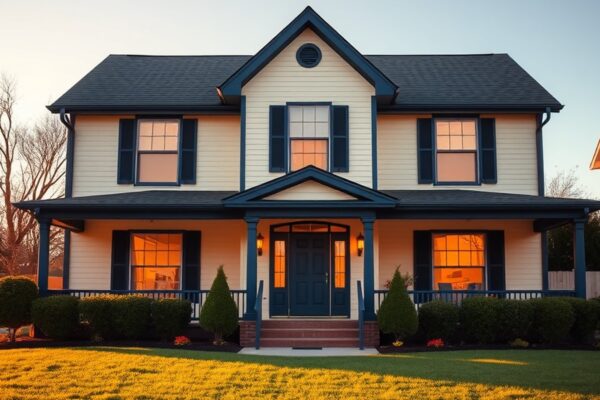
A 3000 square foot house has 3000 square feet of floor. The paintable surface, the part you actually roll and brush, is much larger. As a rough rule, interior paintable wall and ceiling area runs about 2.5 to 4 times the floor area, depending on ceiling height, how the home is divided into rooms, and how much trim it carries. A wide open floor plan with tall ceilings has a lot of wall per square foot of floor. A home chopped into many small rooms has even more wall, because every partition is two more surfaces to paint.
So a 3000 square foot home does not need enough paint for 3000 square feet. It needs enough for something closer to 7500 to 12000 square feet of surface once you count both sides of interior walls, the ceilings overhead, and the miles of trim. That is the number that decides how many gallons you buy. Get the surface area right and the gallon count almost falls out on its own. Get it wrong, and you either run short mid-project or end up with a shelf full of leftover cans. The coverage cornerstone that underpins all of this is our guide on how much a gallon of paint covers, which is worth reading before you buy anything.
The coverage math
Every gallon estimate comes from one simple formula: paintable area, divided by the coverage rate, multiplied by the number of coats. The coverage rate is the part people get wrong. A gallon of quality interior paint covers roughly 350 square feet per coat on a smooth, sealed, previously painted wall. That is the best case. On textured drywall, knockdown, or orange peel, the same gallon covers less, often 250 to 300 square feet, because the texture eats paint. On porous surfaces like fresh drywall, patched repairs, or bare joint compound, coverage drops further still until the surface is sealed.
Then there is the coat count. Most interior repaints are two coats. One coat looks acceptable in the can and blotchy on the wall, especially on any color change. Going from a dark color to a light one, or covering a bold accent wall, can even need a primer plus two finish coats. Our guide on how many coats of paint you need walks through when one coat is genuinely enough and when it is wishful thinking. And if you are covering bare drywall or heavy stains, factor in primer separately using our guide on how much primer you need, since primer is its own coat with its own coverage rate.
Put it together for a 3000 square foot home. If the walls total around 4500 square feet of surface and you are doing two coats at 350 square feet per gallon, that is 4500 divided by 350, times 2, which lands near 26 gallons for walls alone on a smooth surface. Drop the coverage rate for texture and the number climbs. That is exactly why the table below shows ranges, not a single figure.
Gallons for a 3000 square foot interior
The table below breaks the whole interior into the three surfaces you buy paint for. Walls are figured at two coats, ceilings at one coat since ceiling white over ceiling white usually covers in one pass, and trim as its own smaller bucket of enamel. These are typical planning ranges for two coats. Your real numbers depend on texture, porosity, and how big a color change you are making.
| Surface (3000 sq ft interior) | Coats | Typical gallons |
|---|---|---|
| Walls | 2 coats | 18 to 27 gallons |
| Ceilings | 1 coat | 6 to 9 gallons |
| Trim, doors, and baseboards | 2 coats | 3 to 4 gallons |
| Whole interior total | Mixed | 26 to 38 gallons |
Read the total as a band, not a target. A smooth, light refresh over an existing similar color lands near the bottom of the range. A textured home going through a real color change, with ceilings getting a second coat, pushes toward the top. If you want to see how this scales down, compare our sibling guide on how much paint for a 2500 square foot house, which runs the same math on a smaller footprint.
A worked example
Walk through a realistic 3000 square foot single-story home with 9 foot ceilings. Suppose the wall takeoff, measuring room by room and counting both sides of interior partitions, comes to about 4700 square feet of wall surface. The ceilings add roughly 3000 square feet overhead. The trim, doors, and baseboards are a separate, slower job.
For the walls at two coats on a lightly textured surface, use 300 square feet per gallon to stay honest about the texture. That is 4700 divided by 300, times 2, which is about 31 gallons. On a smoother wall at 350 square feet per gallon you would land closer to 27 gallons. For the ceilings at one coat of flat ceiling white, 3000 divided by 350 is roughly 9 gallons, and you might get away with 8 if the old ceiling is clean and light. For the trim, a 3000 square foot home carries a lot of doors and baseboard, so budget 3 to 4 gallons of enamel across two coats.
Add it up and this home lands near 31 plus 9 plus 4, or about 44 gallons at the textured, full-coverage end, and closer to 27 plus 8 plus 3, about 38 gallons, on the smoother, lighter end. Notice the real example can run a little above the tidy table total, which is exactly why you measure the actual home instead of trusting a chart. Then add about 10 percent for touch-ups and the inevitable spill, and round up to full cans since you cannot buy a third of a gallon.
The example also shows why the single biggest variable is texture. Flip that same 4700 square feet of wall from lightly textured to a heavy knockdown finish and your per-gallon coverage might slip from 300 to 250 square feet, which alone pushes the wall figure from 31 gallons to roughly 38. That is a swing of seven gallons on the body from a single property of the surface, before you touch the color or the coat count. It is the clearest illustration of why two homes both listed at 3000 square feet can carry very different paint orders, and why measuring and identifying your actual surface beats copying a number off a chart.
What changes how much you need
- Texture and porosity. Smooth, sealed walls sip paint at 350 square feet per gallon. Knockdown, orange peel, and fresh drywall drink it at 250 to 300 or less. Texture is the single biggest reason two identical floor plans need different gallon counts.
- Color change and coats. A subtle refresh may cover in two coats or even touch-ups. Going dark to light, or covering a saturated accent wall, can need a primer plus two finish coats, which multiplies the gallons. See how many coats you need to judge honestly.
- Primer. Bare drywall, patched repairs, and stained areas need primer first, and primer is its own coat with its own coverage. Our guide on how much primer you need helps you size it.
- Scope. Walls only is a very different order than a full interior with ceilings, trim, doors, and closets. Decide your scope before you count gallons.
- Ceiling height. Nine and ten foot ceilings add wall surface fast. A tall 3000 square foot home has meaningfully more wall than a standard 8 foot one.
Turning gallons into a budget
Once you know the gallon count, the budget follows. Multiply gallons by your paint price per can, then remember that on most interior jobs paint is a minority of the total cost. Labor is the larger share, and it is driven by the same surface area and prep that drove your gallon count. Always buy about 10 percent extra paint so you have matching touch-up stock for later, and keep the exact product and color written down. To turn surface area and gallons into a real price, run the numbers through the painting cost calculator or start from a free painting estimate. For the full dollars-and-cents breakdown of this exact size, our companion guide on the cost to paint a 3000 square foot house shows where the money goes, and our walkthrough on how to estimate interior painting jobs ties the gallons, the hours, and the price together.
Frequently asked questions
How many gallons of paint for a 3000 square foot house interior?
Most 3000 square foot interiors take about 26 to 38 gallons total for two coats, with roughly 18 to 27 gallons for walls, 6 to 9 for ceilings, and 3 to 4 for trim. That is a planning range. Textured or porous surfaces and big color changes push it higher, so measure the real rooms and buy about 10 percent extra.
Why does a 3000 square foot house need so much more than 3000 square feet of paint?
Because you paint walls, ceilings, and trim, not the floor. Interior paintable surface runs roughly 2.5 to 4 times the floor area, so a 3000 square foot home has closer to 7500 to 12000 square feet of surface to cover. That surface, divided by the coverage rate and multiplied by coats, is what sets the gallon count.
How do I calculate the gallons myself?
Measure the paintable area, divide by the coverage rate, and multiply by the number of coats. Use about 350 square feet per gallon on smooth walls, 250 to 300 on texture, and most repaints are two coats. Our guide on how much a gallon of paint covers walks the full method with examples.
Does texture really change how much paint I need?
Yes, and it is the biggest single driver after coat count. A smooth, sealed wall covers at about 350 square feet per gallon, while knockdown, orange peel, or fresh drywall can drop coverage to 250 to 300 or less. Two homes with the same floor plan can need several extra gallons purely because of texture.
Should I count primer in the gallon estimate?
Count it separately. Primer is its own coat with its own coverage rate, and you only need it where the surface demands it: bare drywall, patched repairs, stains, or a heavy color change. Sealed, previously painted walls in good condition usually do not need a full prime. See our primer guide to size the amount.
How much extra paint should I buy?
Buy about 10 percent more than the math says. It covers spills, an extra pass on a thin spot, and, most importantly, gives you matching touch-up stock later so you are not trying to color match a wall two years on. Keep the leftover sealed and label it with the room and product name.
Sizing the paint for a 3000 square foot house comes down to measuring the real surface, doing the coverage math, and buying a little extra. When you are ready to price the job, run it through the painting cost calculator or start a free painting estimate, compare the dollars in our cost to paint a 3000 square foot house guide, and step down a size with how much paint for a 2500 square foot house.