In this article
About the cost figures on this page
Any cost ranges shown here are illustrative estimates, not a quote. What you actually pay varies widely with your location and local labour rates, the size and condition of the surfaces, access and setup, the products specified, how much prep the job needs, and the time of year. Use these numbers to sanity check a quote you have been given and to understand what drives the total, then get written quotes from local contractors before you budget. You can also build an estimate around your own project with the free calculator.
Quick answer: Most painters should charge between $450 and $1,500 to paint a foyer, with a typical two story entryway landing around $700 to $1,100. The reason the range is so wide is height. A small single story foyer is a quick job, but a two story foyer with tall walls over the door and a connection to the stairwell carries an access premium that can double the price. The three biggest cost drivers are the ceiling height and the ladder or scaffold work it forces, the high cut-in along the top of those tall walls, and the finish quality a first impression space demands.
Before you quote, look up. The wall height and how you will safely reach it decide most of the number. Size the surfaces with the painting cost calculator, then send a clear free painting estimate the client can approve. This guide explains why a foyer prices on access, what drives your number, and a worked example you can copy.
Foyer painting price overview
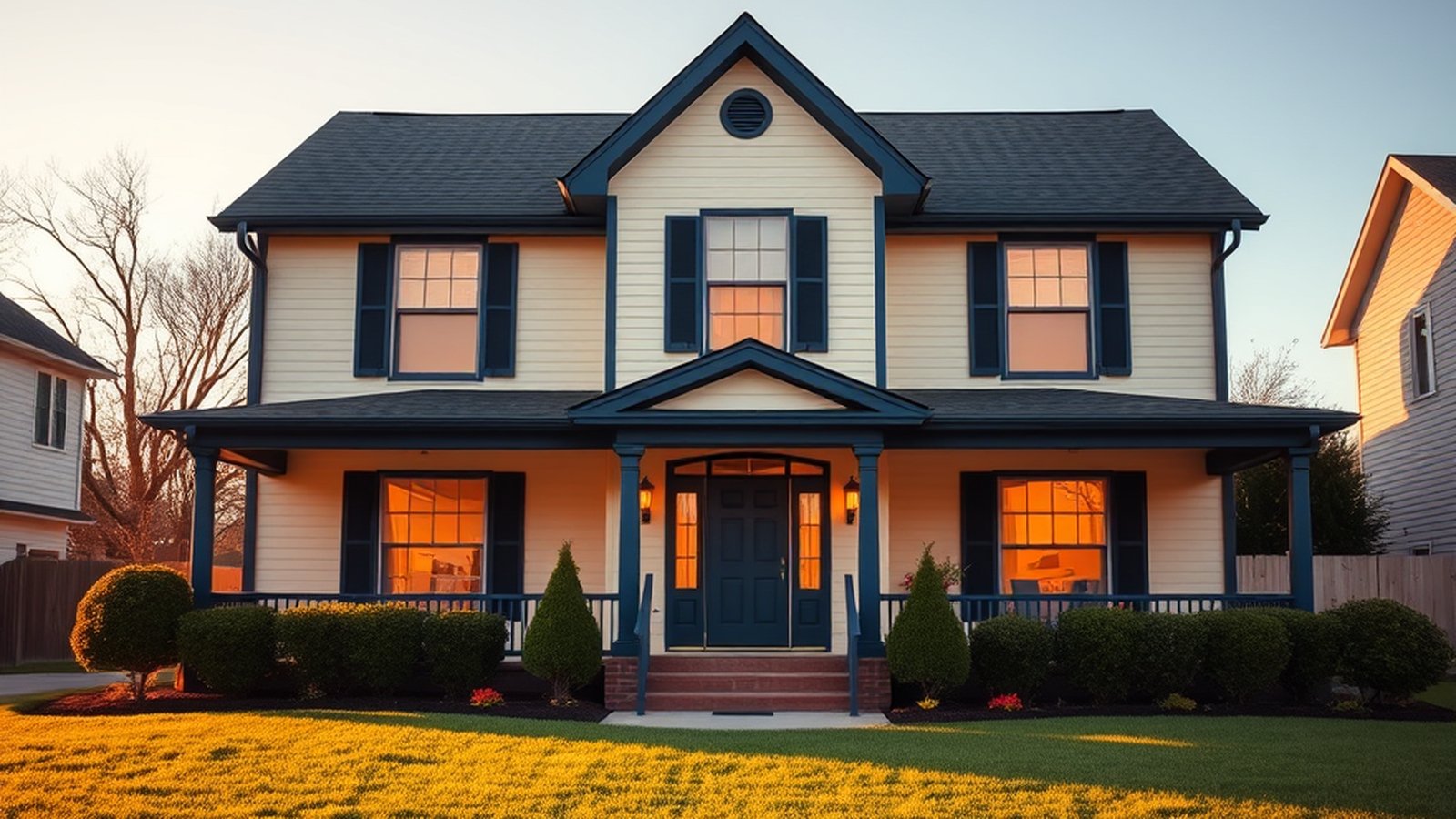
A foyer is priced on reach, not floor space. The footprint is often tiny, but a two story entry can have walls 18 to 20 feet tall, frequently joined to the stairwell, which means ladders, scaffolding, or planks to work safely. That access work, plus the long high cut-in lines, is what you are really charging for. The table below shows typical charges by scope.
| Scope of work | What is included | Typical charge |
|---|---|---|
| Single story foyer, walls only | Two coats, standard ladder work, cut in at ceiling and trim, protect floor | $450 to $700 |
| Two story foyer, walls only | Tall walls reached with extension ladders or scaffold, high cut-in, extra setup | $700 to $1,050 |
| Two story walls plus ceiling and trim | Everything above plus the high ceiling, door, and casings in a trim finish | $950 to $1,350 |
| Plus stairwell wall reach and scaffold | Foyer joined to the stairwell with angled walls reached by plank and scaffold setup | $1,150 to $1,500 |
On the charge ladder, a two story foyer prices like a stairwell because they share the same enemy, which is height and access. A single story foyer prices closer to a hallway. The moment the ceiling goes two stories, treat the quote like a stairwell, not a small room.
What drives your price on a foyer
Ceiling height and access. This is the dominant driver. A 9 foot foyer is a step stool job. An 18 to 20 foot two story foyer requires extension ladders, scaffold, or a plank between the ladder and the stairs. Setting up, moving, and working safely from that equipment is slow and adds real hours. The taller the wall over the door, the higher the quote.
The signature difficulty: high cut-in. Tall foyer walls have long cut-in lines where wall meets ceiling, often 16 to 20 feet in the air. Cutting a clean line at that height from a ladder or plank is careful, slow work, and it is the part that separates an entryway from a normal room. Budget extra time for every foot of high cut-in.
Prep and repairs. Foyers take abuse near the door, scuffs from furniture and bags, and sometimes settling cracks on those tall walls. The hard part is that repairs up high need the same ladder setup as the painting, so a patch at 16 feet costs far more in time than the same patch at chest height.
Coats and color. A first impression space often gets a fresh, sometimes bold color, which can mean two coats plus cutting that color cleanly at height. Tall walls also show roller lap marks badly under the entry light, so you may need to work more carefully than in a hidden room.
Connection to the stairwell. Many foyers open directly into the stairwell, sharing tall angled walls. If the quote includes those shared walls, you inherit all the stairwell access challenges. Decide clearly where the foyer ends and the stairwell begins so the scope and the scaffold time are priced correctly.
Minimum job charge and finish quality. Because a foyer is the first thing a guest sees, the finish has to be clean, which means you cannot rush the high work. Apply your job minimum, and price for the careful, visible quality the space demands rather than treating it as a small quick room.
Three ways painters price a foyer
Per square foot. A square foot rate captures the wall and ceiling area, but a pure square foot number badly underprices a tall foyer because it ignores the access premium. If you quote off the method in our guide on how to price painting jobs per square foot, add a height surcharge for any wall above standard ceiling height so the ladder and scaffold time is paid for.
Flat per-room rate. A banded flat rate works well if you split foyers into single story and two story tiers. Set a base for a standard height entry and a clearly higher base for a two story one, then add fixed amounts for the ceiling, trim, and any shared stairwell walls. The banding keeps quoting fast while respecting the height jump.
Per hour. For tall, awkward, or scaffold heavy foyers, per hour is the safest method. Estimate the setup, the high cut-in, and the careful finish time, multiply by your loaded rate, and add materials. The access work is exactly the slow, equipment dependent labor that an hourly quote protects you on.
Build the price from the bottom up
Build the foyer quote on hours, and load those hours with setup and high work. Estimate the time to rig ladders or scaffold, cut in the tall lines, roll the high walls, and finish the trim using realistic painting production rates, then multiply by your loaded labor rate. A single story foyer might be 6 to 9 hours. A two story foyer joined to the stairwell can run 14 to 20 once you count the setup and reset time.
Add materials next. Paint quantity for a foyer is often modest because the footprint is small, but you may need sturdier ladders, planks, or a rented scaffold, and that equipment is a real cost. Apply your markup on materials and fold the equipment, whether owned or rented, into your pricing so the access gear is covered.
Then add overhead and a strong margin. Height work carries more risk and more setup, so this is not the room to thin your profit. Our guide on painting business profit margin helps you set a floor, and the full walkthrough on how to bid a painting job shows how to combine labor, equipment, materials, and markup into one defensible foyer number.
A worked quote example
Take a two story foyer with walls 18 feet tall over the door, a footprint of about 8 by 10, and a connection to the stairwell on one side. The paintable area is not huge, maybe 380 square feet of wall, but reaching it is the whole challenge. You estimate 15 hours including scaffold setup, high cut-in along the tall lines, two coats on the walls, and a careful finish. At $45 an hour that is $675 in labor.
Materials are modest for paint, around $80, but you allocate $120 for the scaffold and plank time and wear. With markup the materials and equipment line lands near $230. Add overhead and a healthy margin and you reach about $1,050 for the two story walls, which sits right in the table’s two story walls only band.
Now change one variable. Suppose the client also wants the high ceiling and all the trim done, plus the shared stairwell wall. That adds the angled stairwell access and roughly 5 to 7 more hours of equipment heavy work. Your quote moves from about $1,050 to around $1,400, landing in the stairwell reach and scaffold band. Showing the client that the extra height, not the extra paint, drives the jump makes the access premium easy to justify.
It is also worth modeling the opposite direction so you can see how much the height alone is worth. If that same 8 by 10 footprint had a flat 9 foot ceiling instead of an 18 foot one, the entire scaffold setup disappears, the cut-in happens from a step ladder, and the labor drops from 15 hours to perhaps 7. The quote would fall from around $1,050 to roughly $550, closer to a hallway than a stairwell. Seeing those two numbers side by side makes the point clearly. The paint and the floor area barely changed, but the height nearly doubled the price. That is the access premium in one comparison, and it is the single most important thing to get right when you quote any entryway.
Do not underbid the foyer
The foyer is one of the most underbid rooms because the floor is small and a painter quotes it like a normal room. The footprint lies. A two story foyer is an access job, and the hours live in setting up scaffold, climbing, cutting clean lines 16 feet up, and doing it all safely. Quote it like a small room and you will give away every hour spent rigging and reaching.
Protect your margin by pricing on height first. Walk in and look up before you think about square footage. Decide how you will reach the top of those walls, how long the setup and high cut-in will take, and whether the stairwell is in scope. Then apply your job minimum and price the access premium openly. A foyer is the first thing every guest sees, so the clean, careful finish you deliver up high is exactly what justifies charging like a stairwell rather than a hallway.
There is a safety angle here too, and it belongs in your pricing. Working from scaffold or a plank spanning a stair landing is slower on purpose, because rushing height work is how painters get hurt. Build that deliberate pace into your hours rather than treating it as lost time. A client who balks at a two story foyer quote is usually comparing it to a small room they painted themselves at ground level, so explain that the number reflects equipment, reach, and safe high work, not extra paint. When you frame the access premium as the cost of doing the tall walls right and safely, the foyer stops looking overpriced and starts looking like the specialized job it actually is. Pair it with a clean estimate and the client almost always agrees.
Stop rebuilding this quote from scratch every time.
PaintPricing turns the numbers you just worked out into a clean, branded quote in minutes, so you can send it before your competitor calls back. Free for your first 3 quotes, no card required.
Frequently asked questions
Why does a two story foyer cost so much more than a normal room?
Because of access. Tall walls over the door require extension ladders or scaffold, and working safely from that equipment is slow. The high cut-in and the setup time, not the paint, are what drive the price up.
Should I charge extra when the foyer joins the stairwell?
Yes. A foyer connected to the stairwell shares tall angled walls that need plank and scaffold work. Treat those shared walls like a stairwell and add for the harder access, because they carry the same reach challenges.
How do I price the high cut-in on tall foyer walls?
Estimate the linear feet of cut-in above standard height and add time for cutting it cleanly from a ladder or plank. High cut-in is far slower than cut-in at chest height, so price it by the hour rather than assuming the same rate as a normal wall.
Is a single story foyer a cheap job?
Relatively, yes. A standard height entry prices close to a hallway and is mostly a quick walls only repaint. The price only jumps when the ceiling goes two stories and access equipment becomes necessary.
Do I need to rent scaffold for a foyer?
Sometimes. For a true two story foyer or one tied to the stairwell, a plank and ladder setup or rented scaffold is often the only safe way to reach the top. Build the equipment cost, owned or rented, into your materials line.
What does it cost a homeowner to paint a foyer?
If your client wants the buyer side, point them to our companion guide on the cost to paint a foyer. Your charge and their expected cost should line up once your overhead, equipment, and margin are accounted for.
Estimating the labor hours? See how long it takes to paint a foyer.
Pricing the paint? See how much paint for a foyer.