In this article
- Measure the roofline, not the wall
- Inspect for rot before you quote, not after
- Build the price from hours, not from a gut feel
- The access premium is the main pricing lever
- Gutters: make it an explicit scope line
- Minimum charge on standalone work
- Bundling logic: keen inside a repaint, proper on its own
- Materials and overhead
- Build your own numbers from your own jobs
- Quote presentation
- Frequently asked questions
Price soffit and fascia by the linear foot of roofline, load it for access, and never absorb rot repair silently. That is the whole method. The trap on this job is that it looks small, so painters quote it small, and then lose two days to ladder moves and a rotten fascia run they did not inspect.
This page is the contractor side. The homeowner version, useful for understanding what your client has read before they call you, is the guide to the cost to paint soffit and fascia. The method for doing the work is in how to paint soffit and fascia.
Measure the roofline, not the wall
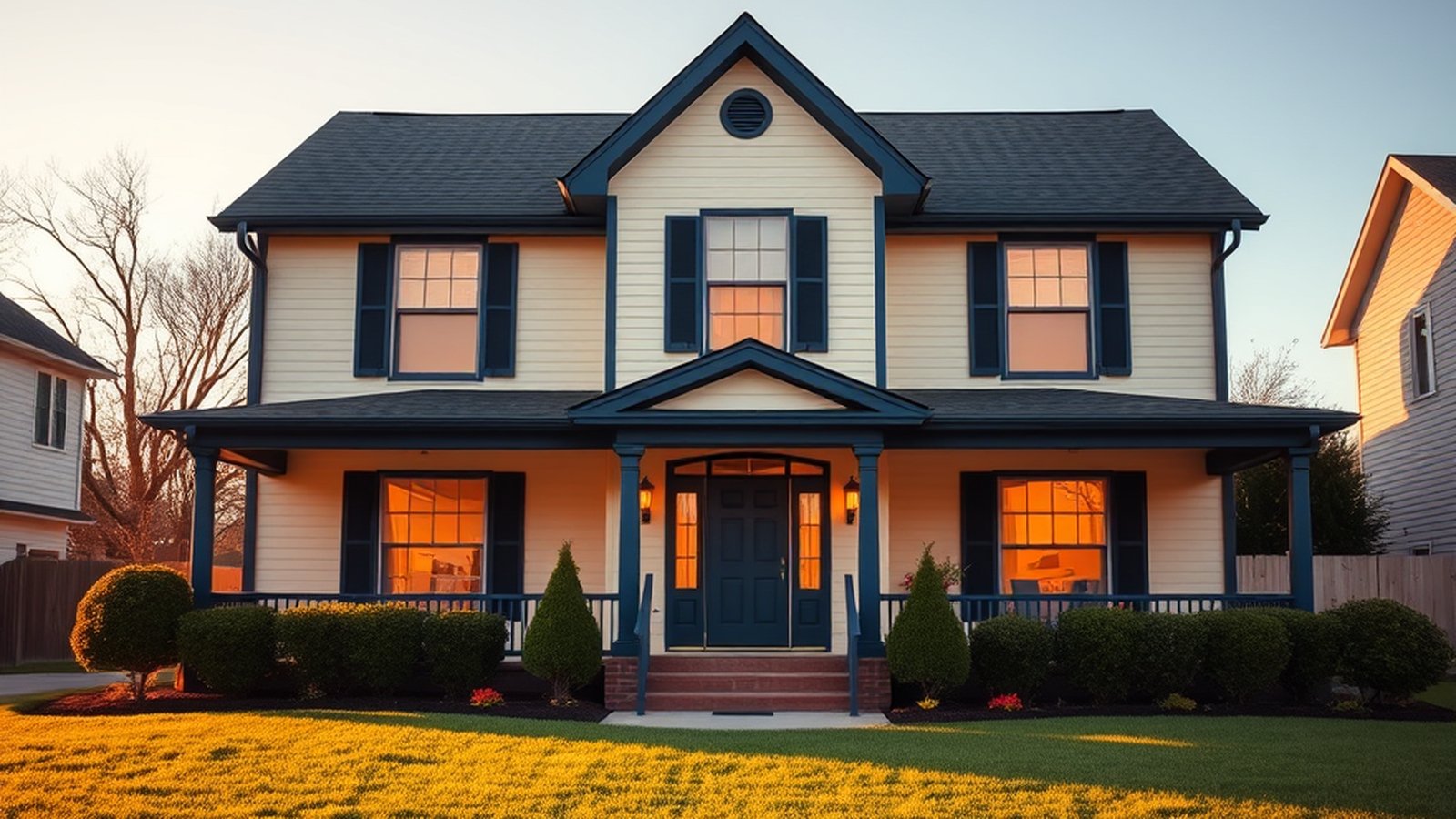
Take the linear footage of every eave run you are being asked to paint, and record it split by elevation and by height. Include the gable rakes if the rakes are in scope, and note them separately, because rake work is slower than a level eave. Note the soffit width as you go: a deep overhang carries more coated area per foot and more brushing time than a shallow one.
Your takeoff should end up looking like a list, not a single number. For example: front elevation, single storey, level eave, wood, sound. Rear elevation, two storey, level eave, wood, visible rot at two gutter joints. Two gable rakes, two storey, aluminium covered. That level of detail is what lets you price the access premium properly and defend the quote later.
Inspect for rot before you quote, not after
This is the rule that separates painters who make money on eaves from painters who do not. Fascia sits under the gutter. Water has been running down the back of it for as long as the gutter has been imperfect. You cannot see this from the ground and you cannot see it from a photo.
Get a ladder up and probe the fascia with a screwdriver or awl at gutter joints, at downpipe outlets, at board ends and at corners. Check the soffit panel edges for staining and bubbling. Look for popped fixings. If you skip this, you will find the rot on day one of the job with the client watching, and every option you have at that point is worse than pricing it up front.
Three legitimate ways to handle rot in the quote
- Stated allowance. Include a defined amount of repair in the price, describe exactly what it covers in linear feet of board replacement, and state your hourly or per-foot rate for anything beyond it. Best for the common case where you can see some damage but cannot see behind the gutter.
- Explicit exclusion. The quote covers painting sound substrate only. Any repair is quoted separately once the gutters come off. Clean and honest, but you must say it out loud at the walkthrough, not bury it in a clause.
- Separate carpentry line. You have inspected, you know what needs replacing, and you have priced it as its own item with its own hours and materials. Best result for you and clearest for the client.
What you must never do is absorb it silently. Carpentry hours you did not charge for come straight out of your margin, and once you have quietly replaced one board the client assumes the rest are included.
Build the price from hours, not from a gut feel
Everything on this job resolves to hours. Work out the hours, apply your labour rate, add materials, add overhead and margin. The guide to painting production rates has the wider discussion, and pricing painting jobs per square foot covers the per-unit logic that underpins this.
The hour buckets
| Bucket | What it covers | Why painters underestimate it |
|---|---|---|
| Mobilisation | Load, travel, unload, site protection, ladder out | Fixed cost that a small job cannot absorb |
| Ladder setup and moves | Placing, levelling, standoff fitting, climbing, repositioning | The real hours on this job. Often more than the brushing |
| Wash and mildew treatment | Soft wash, scrub, rinse, dry time | Soffits are shaded and grow more mildew than siding |
| Scrape, sand, fill, caulk | Prep of the coating and the joints | Overhead scraping is slow and tiring |
| Spot prime | All bare timber and filled areas | Skipped under time pressure, then fails |
| Masking | Roof, gutters, walls, beds, paving | Heavy if you are spraying the soffit |
| Coat one and coat two | Soffit then fascia, twice | Two coats means two full circuits of the house |
| Gutter removal and refit | If in scope | Often assumed by the client, not by the quote |
| Cleanup and demobilise | Unmask, chip collection, touch in, load out | Chip cleanup is mandatory on lead work |
Total your hours per elevation, then sanity check the whole against the linear footage. Once you have run a few of these jobs you will develop your own hours-per-hundred-linear-feet figures for single storey wood, two storey wood, and clean aluminium or vinyl. Those become your estimating baseline. Build them from your own recorded job data rather than borrowing anyone else’s.
The access premium is the main pricing lever
Single storey and two storey are not the same job at the same rate. Price a loading on top of your base linear foot figure for anything above the first storey, and a further loading for the conditions that make a ladder slow or unsafe to place.
What earns a loading
- Second storey and above. Longer ladder, slower setup, longer climb, more caution per move.
- Steep roof pitch and long rakes. Awkward ladder angles and constant repositioning up the slope.
- Obstructed ground. Planting beds, decking, conservatories, air conditioning units, sloped or gravel ground, retaining walls.
- Complex roofline. Dormers, bays, eave returns, multiple gables, exposed rafter tails. More detail cutting, more setups per foot.
- Tower or lift required. Price the hire, the delivery, the setup time and the moving time as their own line. Do not fold it into a per-foot rate.
- Traffic, tight lots or neighbour access. Anything that constrains where you can put the feet of a ladder.
The guide to choosing a ladder for painting covers matching the ladder to the height, and it is worth walking clients through why the access loading exists. Most of them think they are buying paint. They are buying a trained person working at height with the right equipment and the right insurance.
Gutters: make it an explicit scope line
Decide and state one of three positions in writing.
- Gutters masked in place. Fastest. The strip of fascia behind the gutter stays uncoated. Say so.
- Gutters removed and refitted. Full fascia coverage including the top edge. Price the removal and refit hours and flag the risk on brittle older systems, ideally with a clause that damaged sections may need replacing at extra cost.
- Gutters painted as well. A separate line item. You are already at height with the same setup, so it is an easy upsell and genuinely good value for the client. See how much to charge to paint gutters.
Ambiguity here is the most common source of disputes on eave work, because clients assume the fascia will be fully painted and do not picture the gutter being in the way.
Minimum charge on standalone work
A short run of eaves on a single storey bungalow might be a few hours of brushing. It is still a full day of your business: travel, unload, protect, set up, work, clean up, load out, invoice. Standalone eave work must carry a minimum job charge that covers a viable day, or you are subsidising it out of your other jobs.
Set that minimum, publish it internally, and hold it. If a client balks, the honest answer is the useful one: the eaves alone do not fill a day of work, so the setup is the same as for a much larger job. Which leads naturally to the better conversation.
Bundling logic: keen inside a repaint, proper on its own
These are two different prices for the same surface, and both are correct.
Inside a full exterior repaint, price the eaves keenly. Your access, protection, mobilisation and cleanup are already funded by the siding work. Your crew is already on ladders at that height. The marginal cost of adding the eaves is prep and coating time only, so a lower per-foot figure still carries good margin. Offering that number is also a strong close: it visibly rewards the client for doing the whole exterior at once, and it stops a competitor picking up the add-on.
As a standalone job, price it properly. Every fixed cost lands on this one small scope. Charge a higher per-foot figure plus your minimum. If you offer the bundled figure on a standalone job because it feels awkward to quote two different numbers, you lose money on every eave job you ever book.
Say this to the client explicitly. Give them both numbers: the standalone price, and the price if it is done as part of the exterior repaint. It is transparent, it explains the difference before they suspect it, and it frequently converts a small job into a large one. The guide to estimating exterior painting covers the full estimate that the bundled figure sits inside.
Materials and overhead
Material on this job is small: exterior primer, exterior trim enamel, caulk, exterior filler, masking film and tape, cleaner and mildew treatment. Estimate it honestly and mark it up as you do on every job, but do not let it distract you. Your quote is a labour quote with a small material line attached.
Overhead is the part painters forget on small jobs. Vehicle, insurance, ladders and standoffs, tools, phone, admin time, and the unbillable hours of quoting and travel all have to be recovered. On a two hundred foot eave job there is not much revenue to recover them from, which is another reason the minimum charge exists. The guide to painting contractor markup covers setting overhead recovery and margin properly.
Build your own numbers from your own jobs
No published figure will price your work correctly, because your labour rate, your crew speed, your local access conditions and your overhead are yours. What you need is a feedback loop, and eave work is one of the easiest scopes to build one for because the unit is so simple.
On every soffit and fascia job, record four things: total linear feet by storey, actual hours split into prep and coating, actual ladder-move count or time, and any repair hours. After three or four jobs you will have a defensible hours-per-hundred-feet figure for each of your common cases, and after a season you will know exactly how much slower two storey work runs than single storey on your crew.
That data does two jobs. It makes future quotes fast and accurate, and it gives you something to show a client who is questioning why the access loading exists. A painter who can explain the loading with recorded numbers wins the argument. A painter who says the second floor is just harder does not.
Watch the jobs that lost money
Review the ones that went wrong specifically. Almost always it will be one of four things: rot that was not inspected and got absorbed, a standalone job priced at bundled rates, an access condition that was not spotted at the walkthrough, or a weather stoppage that was not allowed for. All four are fixable at quoting stage once you have seen them cost you.
Quote presentation
Write the quote so the scope is impossible to misread.
- Linear feet by elevation and storey.
- Substrate and its condition as you found it.
- Prep specification: wash, mildew treatment, scrape, sand, fill, caulk, spot prime.
- Number of coats and the product category.
- Gutter position: masked, removed and refitted, or also painted.
- Rot position: allowance with a stated extent, exclusion, or priced repair line.
- Access method and any equipment hire.
- Lead-safe practice on pre-1978 homes, with the added containment and cleanup priced in.
- Weather contingency, since eave work stops for rain and high wind.
- Cleanup and protection of beds, paving and driveway.
If you are also quoting the porch on the same visit, the guide to charging for porch painting covers that scope, and the two together often make a much healthier day than either alone.
Stop rebuilding this quote from scratch every time.
PaintPricing turns the numbers you just worked out into a clean, branded quote in minutes, so you can send it before your competitor calls back. Free for your first 3 quotes, no card required.
Frequently asked questions
Should I price soffit and fascia by linear foot or by area?
Linear foot of roofline. The eave is a ribbon of roughly constant width, so the run length predicts labour far better than coated area. Record the soffit depth separately and load deeper overhangs, but keep linear feet as your unit.
How do I handle rot I have not seen behind the gutter?
State an allowance covering a defined extent of board replacement, and publish your rate for anything beyond it. Alternatively exclude repair explicitly and quote it separately once the gutters are off. Both are honest. Absorbing it silently is what destroys margin on this job.
How much extra should two storey work carry?
Enough to cover the real time difference, which you should measure on your own jobs rather than guess. The painting time is identical. The setup, climbing and repositioning time is what grows, so build your loading from recorded ladder-move hours, not from a feeling.
Why do I need a minimum charge for eaves?
Because a short eave run may be only a few hours of brushing but still consumes a full working day once travel, unloading, site protection, setup, cleanup and load-out are counted. Without a minimum, standalone eave jobs are subsidised by your larger work.
Should I quote the same rate inside a full exterior repaint?
No. Inside a repaint your access and setup are already funded, so a lower per-foot figure still earns margin and helps close the larger job. Standalone, every fixed cost lands on that one small scope, so it must carry a higher rate plus your minimum.
Do I include gutter removal by default?
Only if you have priced the hours for it and stated the risk on older systems. Otherwise quote masking as standard and offer removal as an option. Never leave it unstated, because clients assume the full fascia will be coated.