In this article
- What makes a house historic for pricing purposes
- Lead is the starting assumption
- Preparation is the job
- Original materials need different handling
- Design review and approvals
- Repair versus replacement
- Building the estimate
- Setting expectations
- Winning historic work without underpricing it
- Records worth keeping on older houses
- Frequently asked questions
- Why does painting a historic home cost more?
- Do I need lead certification to paint an old house?
- Can I pressure wash or sand a historic house before painting?
- Does a historic district control what color I can paint a house?
- Should I repair or replace old trim on a historic home?
- How should a historic home painting estimate be laid out?
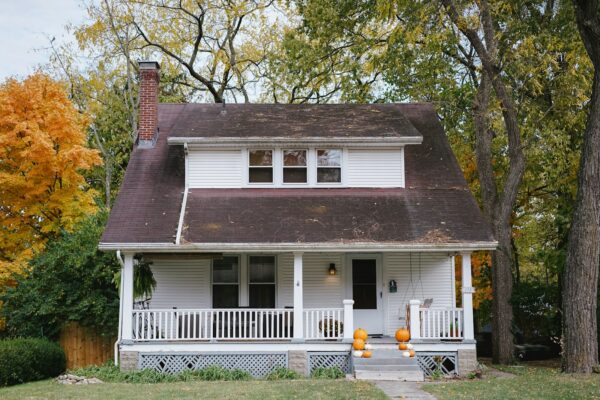
An old house with original wood siding, decorative trim, wavy glass in the windows and a century of paint on every surface is a beautiful thing to work on. It is also a job where most of the time goes into what happens before the first coat, and where the way the work is done may be governed by rules the painter does not set.
Pricing a historic home like a modern house of the same size is one of the most reliable ways for a painting business to lose money on work it is proud of.
What makes a house historic for pricing purposes
For estimating, a house does not need an official designation to be historic. What matters is a combination of three things.
Age. Older houses almost always carry older paint, and older paint in the United States frequently means lead.
Original materials. Old growth wood, hand planed trim, original windows with putty glazing, and lime or gypsum plaster all behave differently from modern materials and have to be treated differently.
Designation. A house in a local historic district, or listed on a historic register, or part of a project using historic tax incentives, may have its materials, methods and sometimes colors subject to review.
Any one of these changes the estimate. Two or three together change it a great deal.
Lead is the starting assumption
On older housing, the safe assumption is that painted surfaces may contain lead until testing shows otherwise. That assumption shapes the method, the equipment, the time and the paperwork.
The Environmental Protection Agency Renovation, Repair and Painting program sets out when paid work that disturbs painted surfaces in pre-1978 housing and child occupied facilities has to be done by certified firms using trained renovators and lead safe work practices. It also requires occupants to receive the Renovate Right information before work starts. Some states run their own programs with their own requirements.
How to test for lead and what the results mean is covered in how to test for lead paint. For pricing, the questions are whether the business is certified to do the work, what the lead safe method adds in containment, protection, cleaning and verification, and how that shows on the estimate.
Worker protection is a separate obligation. The Occupational Safety and Health Administration guidance on lead explains exposure risks and the controls that apply to construction work, and those controls have a cost too.
This is general information for estimating purposes, not legal or safety advice. Lead rules differ between federal, state and local programs and change over time, so confirm the current requirements with the relevant authority before pricing or starting work.
Preparation is the job
On a modern house, preparation is a phase of the painting. On a historic house it is often the majority of the hours.
Method is constrained. Lead safe practices restrict or prohibit some of the fastest removal methods, such as open flame burning, high speed sanding or grinding without proper dust collection, and uncontained power washing. Preparation is typically done by wet scraping, hand sanding and approved dust controlled methods, which are slower.
Containment takes time. Setting up ground protection and containment around each work area, and taking it down cleanly, is a substantial part of every day.
Cleaning is thorough. Cleanup at the end of the day and at completion is more rigorous than on ordinary work, and verification of cleaning is part of the process.
Paint history is thick. Many layers of paint, some failing and some sound, mean that deciding how much to remove is itself a judgement that takes time on every surface.
The general principles of pricing preparation by condition apply, but historic work sits at the far end of every scale. Production rates taken from modern repaints will be wrong, and your own records from similar houses are the only trustworthy source.
Original materials need different handling
Old growth wood. Often denser and more durable than modern lumber, and worth repairing rather than replacing. Consolidation and patching with suitable repair systems is slower than cutting in new trim, and it is frequently what the customer wants.
Windows. Original sash with putty glazing need the glazing checked and often renewed before painting, and the paint must not seal the sash shut. It is detailed, slow work.
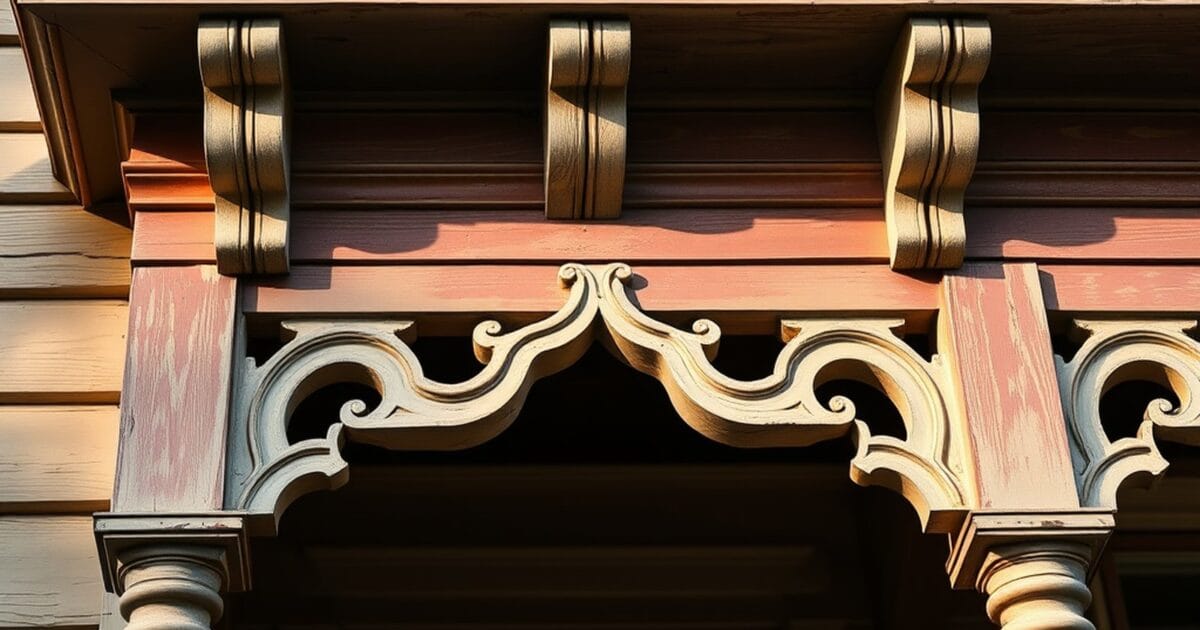
Decorative trim. Brackets, spindles, moldings and carved details multiply the surface area and the brush time far beyond what a square foot measurement suggests.
Plaster. Old plaster walls may have cracks, delamination and past repairs that need attention before paint, and they may need compatible materials rather than modern joint compound.
The National Park Service publishes Preservation Briefs, technical guidance on the repair and maintenance of historic building materials, including painted exterior woodwork and windows. They are a reliable reference for what an appropriate method looks like, and a useful thing to point a careful customer toward. The general exterior preparation and repair sequence for wood cladding is also in how to paint wood siding.
Design review and approvals
Designated properties can bring a layer of review that ordinary jobs never see.
Local historic districts. Many cities have a historic preservation commission or review board, and some require approval for exterior changes. Painting in the same color is often treated differently from changing color or materials, and the rules vary between districts.
Tax incentive projects. Rehabilitation projects using federal historic tax incentives are reviewed against the Secretary of the Interior Standards for Rehabilitation, which favor repair over replacement and appropriate treatment of historic materials.
Associations and easements. Some properties carry preservation easements or association rules with their own approval requirements.
For pricing, the practical points are to ask early whether the property is designated, to make the start date conditional on any required approval, and to allow time for the paperwork, photographs or samples the approval process may ask for.
Repair versus replacement
On historic homes the customer frequently wants original material kept wherever possible, and the approval body may require it. That pushes work from replacement, which is relatively quick and easy to price, toward repair, which is slower and harder to predict.
Price repairs as their own section, using an allowance or unit prices for defined repairs, with a process for anything discovered once preparation starts. The approach is set out in how to price repairs on a painting job, and on a historic house the likelihood of hidden damage under many layers of paint is higher than average.
Be clear about what the business does and what needs a specialist. Window restoration, extensive carpentry and plaster conservation are specialist trades in their own right, and bringing in the right person is often better for the house and for the margin.
Building the estimate
A historic home estimate is easiest to build, and to explain, in separate sections.
Testing and assessment. Lead testing where needed, and the time to assess the condition of each elevation or room.
Lead safe set up and cleanup. Containment, protection, daily cleaning and final cleaning and verification, as their own line.
Preparation. Priced by surface and condition from records of similar work, not from modern production rates.
Repairs. Known repairs listed, with an allowance or unit prices for what may be found.
Painting. Coats, primers and products suited to the substrate.
Access. Often significant on tall older houses with complex rooflines, and priced separately as described in how to price access equipment for painting jobs.
Approvals and conditions. Any design review, and the start date made conditional on it.
Showing the sections separately does two things. It explains why the price is higher than a modern house of similar size, and it lets a customer see what a preservation standard of work involves compared with a quick repaint.
Setting expectations
Old surfaces will not look new, and a customer who expects a finish like new construction on a house with a century of history will be disappointed by excellent work.
Explain before the job that some unevenness from past layers and repairs will remain, that sound old paint is often left in place deliberately rather than stripped, and that the goal is a durable, appropriate finish rather than a flawless one.
Explain the schedule. Historic work is slower, weather windows matter on exteriors, and approvals can delay the start.
Explain the value. A careful repaint that protects original materials extends the life of the house and avoids the far larger cost of replacing what cannot be replaced. That is the argument that justifies the price, and it is true.
Winning historic work without underpricing it
The painter who prices a historic house properly will often not be the cheapest quote the owner receives. That is normal, and the way the estimate is presented determines whether it still wins.
Show the method. An estimate that describes lead safe set up, preparation by hand, repair of original materials and the approvals involved tells the owner that the painter understands the house. A lower quote that does not mention any of it is often a quote that has not accounted for it.
Ask what the owner cares about. Owners of historic homes frequently care about keeping original features, about the right colors for the period, and about the house lasting. Price and scope conversations go better when they start there.
Be clear about what is included and what is an allowance. Historic jobs carry more uncertainty than ordinary ones, and owners generally accept that when it is explained openly and priced in a structured way.
Decide whether this is work to pursue. Historic homes can be some of the most rewarding and profitable work a painting business does, or a steady source of overruns. Looking at the margin on past older house jobs against other types of work, as described in painting profit by job type, shows which it has been.
Records worth keeping on older houses
Historic work rewards good records more than most painting.
Keep lead test results, the lead safe procedures followed, and cleaning verification with the job file. Paid work covered by lead rules generally carries record keeping requirements, and the records are also the best defense if a question arises later.
Photograph conditions before, during and after preparation. Original details, repairs made and the paint layers found are useful to the owner, to any approval body, and to whoever paints the house next time.
Record products and colors on every surface. On a house that may be repainted in part over many years, those records save a great deal of time on the next visit.
The conditions are what make the price.
PaintPricing builds an itemised estimate from your own rates, so travel, access, repairs and extras sit on the quote as lines the customer can see rather than hiding inside one number. Free for your first 3 quotes, no card required.
Frequently asked questions
Why does painting a historic home cost more?
Because most of the time goes into preparation with lead safe methods, containment and cleaning, careful work on original materials, repairs rather than replacement, and sometimes design review. A modern house of the same size needs far less of each.
Do I need lead certification to paint an old house?
Paid work that disturbs painted surfaces in pre-1978 housing is generally covered by the EPA Renovation, Repair and Painting program, which requires certified firms and trained renovators using lead safe practices. Some states run their own programs, so check the rules where you work.
Can I pressure wash or sand a historic house before painting?
Methods that spread lead dust or damage old materials, such as uncontained power washing, open flame burning and high speed sanding without dust collection, are restricted or inappropriate. Wet scraping, hand sanding and dust controlled methods are slower and should be priced accordingly.
Does a historic district control what color I can paint a house?
Some local historic districts review exterior changes, and color changes may be included. Rules vary widely, so ask whether the property is designated and check with the local preservation office before quoting a color change.
Should I repair or replace old trim on a historic home?
Repair is generally preferred where the material is sound enough, and it may be required on designated properties or tax incentive projects. It is slower than replacement, so price it as its own section with an allowance for hidden damage.
How should a historic home painting estimate be laid out?
In sections: testing and assessment, lead safe set up and cleanup, preparation, repairs, painting, access, and approvals. That structure explains the price and keeps each cost from being lost inside a single rate.