In this article
- What a builders exchange is
- How a plan room works for a painting sub
- What membership usually includes
- The relationships that sit around the exchange
- Using the plan room without wasted bids
- What the general contractor needs from a painting price
- Reading a project listing in the plan room
- Is an exchange worth joining
- Frequently asked questions
In most regions there is an organization whose entire purpose is to put local construction projects in front of local contractors, and most residential painters have never heard of it. It is called a builders exchange, and the service at its center is a plan room: a place, now mostly online, where the drawings and specifications for projects out to bid are collected and made available to the trades who might price them.
This guide is for a painting company that wants to start pricing commercial work in its own area and has not yet found a steady source of invitations. It explains what a builders exchange is, how a plan room works for a painting subcontractor, what membership usually includes, and how to use one without spending the estimating week on bids that were never winnable. The national bid platforms and the free public sources are compared in bid sites for painting subcontractors. This post is about the local route.
What a builders exchange is
A builders exchange is a membership organization for the construction trades in a particular region. Some are run as trade associations owned by their members, others as private businesses, but they share the same core purpose: collecting information about construction projects that are out to bid and distributing it to contractors, subcontractors and suppliers. The general idea and its history are summarized in the encyclopedia entry on builders exchanges.
For a painting company, the important feature is locality. A national database covers everything and is therefore easy to drown in. An exchange covers the projects in its own region, posted by the general contractors, owners and architects who work there, which is usually exactly the area a painting crew can realistically travel to. That makes it one of the better fits for a painting company that works a defined patch rather than chasing work across a state.
Exchanges vary a great deal from region to region in size, cost and quality, so the first job is simply finding out which ones operate locally and what each offers. Asking a few established commercial contractors which exchange they use is usually the fastest route.
How a plan room works for a painting sub
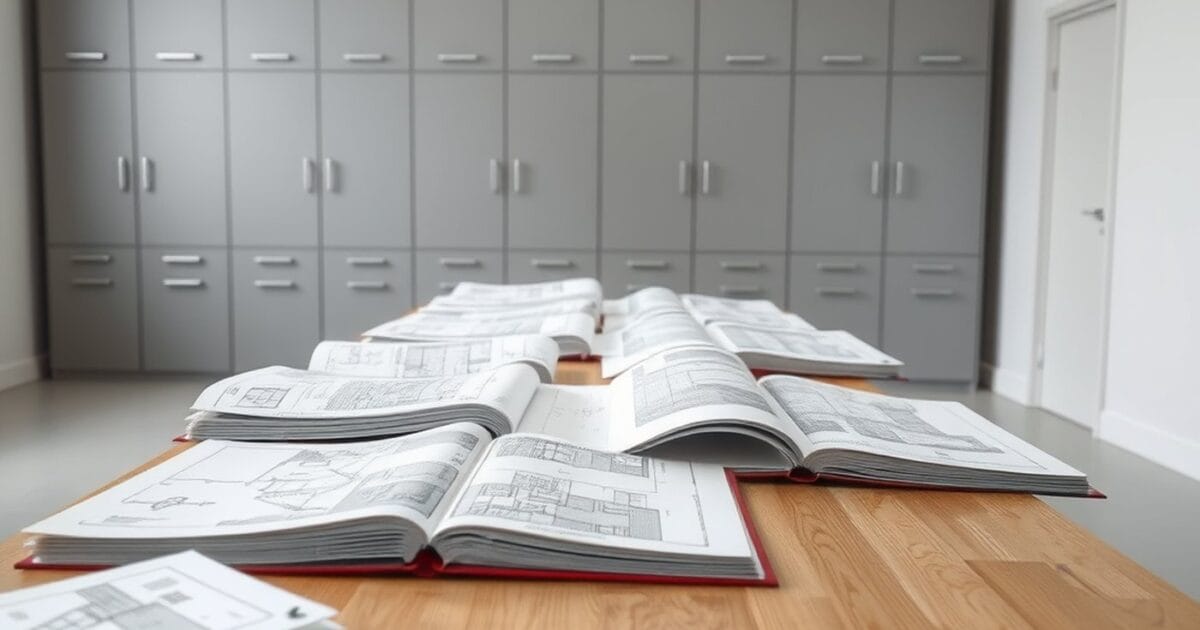
The plan room is where an exchange keeps the documents for each project: the drawings, the specification, the addenda as they are issued, the bid date and the list of contractors bidding. Historically this was a physical room full of plan sets that contractors visited to review and take off. Today almost every exchange runs an online plan room, and the physical room, where it survives, is a supplement.
A painting subcontractor uses the plan room in a predictable sequence. Find the projects with a painting scope in the right area and size. Open the documents and read the painting specification and finish schedule to judge whether the job suits the company. Check which general contractors are bidding. Then price the painting and send that price to those contractors before their deadline, which is usually earlier than the owner bid date because the general contractor needs time to assemble the trade prices.
The documents are the point. Pricing a commercial job properly depends on taking off from the drawings and reading the specification, and a plan room that keeps both current, including every addendum, removes a large source of error. Those two skills are covered in painting takeoff from plans and how to read painting specifications.
What membership usually includes
Exchange memberships are sold at different levels, and the details are set locally, so the only reliable source for what a particular exchange offers and charges is the exchange itself. That said, the offerings tend to fall into a familiar pattern.
The core is plan room access: the ability to search projects, open documents and see who is bidding. Most exchanges add some form of daily or regular notification of new projects, addenda and changed bid dates, filtered by trade and area. Many publish a member directory, which matters because general contractors use it to find trades. Some offer bid hosting, so that a contractor running a bid can post it through the exchange, and some run education and networking events for the local industry.
For a painting company, the directory listing deserves as much attention as the plan room. A painter who is listed under the right trade and keeps their information current will be found by general contractors looking for a painting price, which turns the exchange from a place the painter searches into a place they are found.
The relationships that sit around the exchange
The plan room is the visible service, but the longer value of an exchange is the local industry it gathers in one place. Estimators, project managers, suppliers, sureties and insurers who work the regional market turn up at the same events, and a painting company that attends builds the relationships that eventually produce invitations without any searching at all.
Bonding is a good example. Public and larger private projects often require a bid bond and then performance and payment bonds, and the surety agents who write them tend to be well known in the local construction community. A painting company working toward bonded work meets those people at exchange and association events long before it needs them. Bonding itself is explained in how to get bonded for commercial painting jobs.
Regional chapters of contractor associations play a similar role and often run alongside the exchanges. The Associated General Contractors of America, for example, runs education and training programs through its network, and local events of that kind are where a subcontractor gets known. The wider case for showing up in person is made in home shows and local events for painters.
Using the plan room without wasted bids
A plan room makes it easy to find projects, and that is precisely the danger. A painter who prices everything the notification email offers will be busy and broke, because commercial bids that were never winnable cost real estimating time.
The filter should run before any takeoff begins. Does the building type suit the crew. Is the painting scope a size the company can staff and finance. Does the bid date fit the calendar. Are the bidding general contractors ones the company has a relationship with or wants one with. Is the specification asking for products, systems or qualifications the company can actually deliver. A project that fails any of those is a quick no, and the time saved goes into pricing the projects that pass properly.
The bid or no bid judgement is set out in more detail in how to respond to a painting bid invitation. It matters more in a plan room than anywhere else, because the plan room removes the natural limit that comes from only seeing work someone chose to send.
What the general contractor needs from a painting price
A painting subcontractor pricing from a plan room is usually pricing to several general contractors at once, each assembling a total bid for the owner. What those contractors need is a price they can drop into their bid with confidence, which means a clear scope and clear exclusions.
That favors a written proposal over a single number: what is included, by area or by specification section, what is excluded, which addenda were received, and any assumptions about access, sequencing or working hours. A general contractor comparing several painting prices late on bid day will trust the one that reads clearly over a slightly lower number with a vague scope. The wording of those limits is covered in painting bid exclusions and clarifications, and the paperwork that follows an award, product data and samples among it, in the painting submittal package.
Speed matters too. General contractors close their trade price deadlines ahead of the owner bid, and a painting price that arrives after that point is usually not used, however good it is.
Reading a project listing in the plan room
Every plan room listing carries more information than the project name, and a painting estimator who reads it carefully can make the bid or no bid call in minutes rather than after a full takeoff.
Start with the project type and location, then the delivery method. A project that is publicly bid will usually go to the lowest responsive bidder, and the owner may require a bid bond, published wage rates and specific forms. A privately negotiated project may go to a general contractor the owner already trusts, in which case the trade prices go only to that contractor. The rules that apply to public work, including wage requirements, are covered in prevailing wage painting jobs and government painting contracts.
Next, the bidders list. Most plan rooms show which general contractors have registered as bidders, and some show which subcontractors have too. A long list of painters registered against a job tells the estimator how crowded the price will be. A short list of general contractors the company already knows is a reason to price.
Then the documents themselves. Find the painting specification section and the finish schedule before anything else, because they reveal the scope faster than the drawings. A specification that calls for high performance coatings, special inspections or manufacturer certification the company does not hold settles the question quickly. Scope that sits awkwardly between trades, such as who paints exposed steel or primes doors, is worth flagging early, and the common gaps are listed in painting scope gaps between trades.
Finally, the addenda. Plan rooms post them as they are issued, and a price that ignores an addendum is a price the general contractor cannot use. Acknowledging every addendum by number in the proposal shows the contractor the painter read the current set.
Is an exchange worth joining
For a painting company already pricing commercial work in a defined region, an active local exchange is often one of the cheapest and most relevant sources of invitations available. For a company that has never priced commercial work, it is a reasonable place to learn what local projects look like and who builds them, even before it starts bidding.
It is less useful for a painter whose work is almost entirely residential, or one working across a large area where no single exchange covers enough. And like every source of work, it should be judged on results rather than activity: which jobs priced through the exchange were won, and what they made after they were built. The measures that make that judgement honest are in painting business KPIs, and the profit side in painting profit by job type.
Finding the bid is half the job. Pricing it in time is the other half.
PaintPricing builds itemized estimates from your own rates, so an invitation found this week goes back to the general contractor as a clear, checkable price before trade prices close. Free for your first 3 quotes, no card required.
Frequently asked questions
What is a builders exchange?
A regional membership organization for the construction trades, run either as a trade association or a private business, whose core purpose is to collect information about projects out to bid and share it with local contractors, subcontractors and suppliers through a plan room.
What is a plan room in construction?
A place, now mostly online, where the drawings, specifications, addenda and bid details for projects out to bid are kept so that contractors and subcontractors can review them and prepare prices.
Do painters need to join a builders exchange?
Not to work commercially, but for a painting company pricing commercial work in a defined region it is often one of the most relevant and affordable sources of invitations, and its member directory helps general contractors find the company.
How much does builders exchange membership cost?
It varies by exchange and membership level, and only the exchange itself can say. Compare what each level includes, especially plan room access, notifications and the directory listing, against how much commercial work the company actually prices.
How do I price a job from a plan room?
Filter for fit first, then take off from the drawings, read the painting specification and every addendum, and send a written proposal with a clear scope and exclusions to the bidding general contractors before their trade price deadline.
Is a builders exchange better than a national bid site?
For local work it often is, because it covers the projects a crew can realistically reach. National platforms cover far more ground and suit companies working wider areas or entering new segments. Many commercial painters use both.