In this article
Quick answer: The best paint for a bedroom is a low VOC, low odor water based latex in a calm eggshell or matte finish. Because you sleep in this room, a low or zero VOC formula matters more here than anywhere else in the house, it means far less fume and faster, safer return to the space. Eggshell gives you a soft, restful look on the walls while still being wipeable, and a modern washable matte is a great choice for kids rooms where you want a flat, cozy finish you can still clean.
Once you know what you want on the walls, price the room with the paint cost calculator or get a quick free painting estimate if you would rather not roll it yourself.
What to look for in bedroom paint
A bedroom has different priorities than a kitchen or a hallway. It is a low traffic, low moisture room where comfort, air quality, and a calm look matter more than scrub resistance. The paint you choose should be easy on the lungs and easy on the eyes. Here is what to prioritize.
Low or zero VOC. VOCs, volatile organic compounds, are the chemicals that off gas from drying paint and create that strong fresh paint smell. In a room you sleep in for eight hours a night, you want as little of that as possible. Low VOC and zero VOC latex paints are widely available now and they let you reoccupy the room sooner with far less lingering odor.
Low odor. Closely related to VOC content, a genuinely low odor formula makes the room livable again quickly. This is a real comfort factor if you have to sleep in the house the night you paint, or if anyone in the home is sensitive to smells.
Calm, even color in a soft sheen. Bedrooms reward muted, restful colors and a finish that does not bounce harsh light around. A soft eggshell or matte reads warm and quiet, which is the whole point of the room.
Enough washability for normal wall life. A bedroom wall still gets the occasional scuff, a headboard rub, a hand near a light switch. You do not need the scrub resistance of a hallway, but you do want a finish you can wipe gently without burnishing a shiny spot. Eggshell handles this well, and modern washable mattes do too.
Good hide for color changes. Bedrooms are where people make bold color choices, deep blues, warm terracottas, soft greens. A high hide paint covers the old color in fewer coats and keeps a deep color looking rich rather than streaky.
A finish that suits the sleeper. For an adult bedroom, eggshell or matte on the walls is ideal. For a child’s room, a washable or scrubbable matte earns its keep against crayon, sticky hands, and the general chaos of a kids space while still giving that soft flat look.
It helps to remember what a bedroom is not. It is not a kitchen full of grease and steam, not a bathroom fighting moisture, and not a hallway taking daily knocks. That means you are free to optimize for comfort and air quality rather than maximum toughness. You can choose the softer, lower sheen finish that a busier room could not get away with, and you can prioritize a clean smelling, low fume formula because nothing in the room is going to demand industrial scrub resistance. Understanding that tradeoff is what lets you pick a paint that makes the room feel restful instead of just durable.
Best sheen for a bedroom
Eggshell is the all rounder for an adult bedroom, and a washable matte is the cozy pick, especially for kids rooms. Eggshell sits just above flat in sheen, so it has a gentle, low glare softness while still wiping clean, which is exactly the balance a restful room wants. Our full paint sheen guide compares flat, eggshell, satin, and semi-gloss side by side so you can see how each one behaves under bedroom lighting.
Why lean away from satin and semi-gloss on bedroom walls? Those higher sheens reflect more light, which makes a sleeping space feel busier and reveals every roller mark and wall imperfection. They earn their place on trim, doors, and high moisture rooms, not on the broad walls of a bedroom. If you want trim that pops, a satin or semi-gloss on the baseboards and door casings against eggshell walls is a classic, restful combination, see our guide to the best paint for trim and doors for that side of the room.
Matte and washable matte are the cozy end of the scale. A true matte gives the flattest, softest, most enveloping look, perfect for a bedroom you want to feel calm and dim. The old knock on matte was that it marked easily and could not be cleaned. Washable and scrubbable matte formulas fixed that, which is why they have become a favorite for both adult bedrooms and kids rooms.
Paint type and features
Use a water based acrylic latex for a bedroom. It dries fast, cleans up with water, has low odor options across every brand, and holds color well. There is almost never a reason to use oil based paint on bedroom walls, oil has a stronger smell, slower dry, and a tendency to yellow, all the opposite of what a sleeping room wants. If you are curious where oil still makes sense, our latex versus oil based paint guide lays it out, but for bedroom walls the answer is latex.
As real product categories to look for, every major manufacturer now sells a low VOC or zero VOC interior latex, and many offer a premium washable matte line aimed squarely at bedrooms and living spaces. Some lines add a stain release or scuff resistant feature that is especially nice in a child’s room. A few carry mildew resistance, which is overkill for a dry bedroom but useful if the room has a damp corner or poor ventilation. We are pointing you to categories and features, not ranking specific cans or quoting test scores, choose the low VOC, washable formula that fits your budget.
If allergies or chemical sensitivity are a concern, look specifically for paints labeled zero VOC and low odor, and ventilate well while painting and for a day after even when the can says low VOC. The numbers on the label refer to the base paint, deep tints can add a little VOC back in, so a pale color in a zero VOC line is the cleanest combination you can pick for a room you sleep in.
How many coats and prep
Two coats is the standard for a bedroom, and it is close to mandatory if you are changing color, going darker, or covering a patched wall. Two coats give you even color depth and consistent sheen, while one coat tends to dry uneven. Our how many coats of paint you need guide covers when a single coat can work, usually only a light refresh of the same color.
Prime where it counts. New drywall and skim coated repairs want a primer to seal the surface so the topcoat is even. Big color changes, especially going from dark to light, go faster and look better over a primer or a tinted primer. Patchy stains want a stain blocking primer first. Use our guide to whether you need primer before painting to decide for your walls. A sound, previously painted bedroom wall in a similar color can often skip dedicated primer.
Prep makes the finish. Wash off any grime, fill nail holes and dings, sand the patches flush, and wipe the walls clean of dust before you start. Our how to prep walls for painting guide walks the full routine. In a bedroom this prep pays off twice, the soft eggshell or matte finish you chose will only look smooth if the wall under it is smooth.
Choosing a calm bedroom color and finish
Paint choice in a bedroom is half about the finish and half about the color, because this is the room where the look does the most work. Calm, muted, slightly desaturated colors tend to read most restful, soft greens, warm greiges, muted blues, gentle terracottas. The finish you choose changes how that color feels. A matte or eggshell deepens and softens a color, while a higher sheen can make the same color feel cooler and more reflective, which is usually the opposite of what a sleeping room wants.
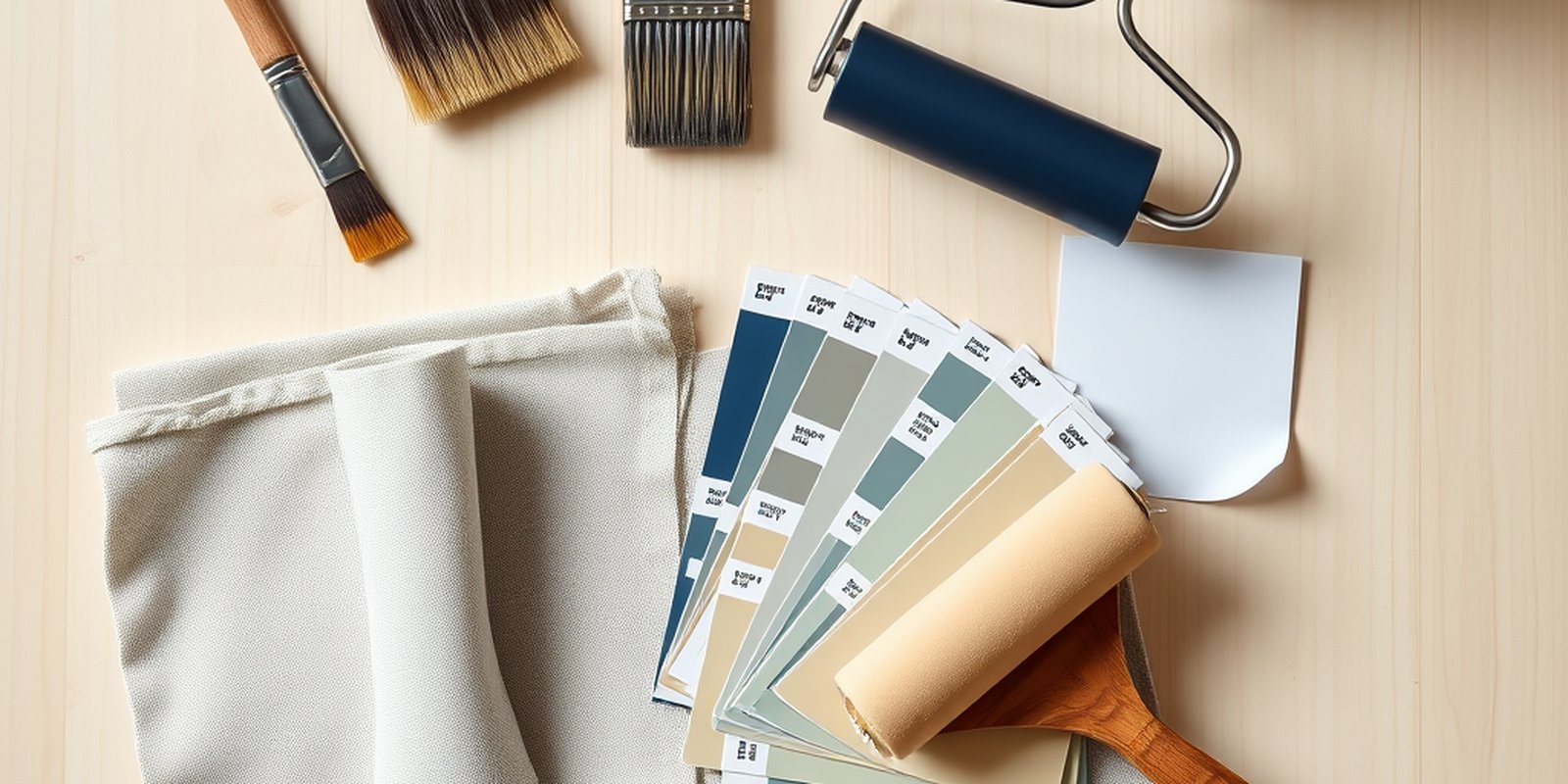
Test your color before you commit. Bedroom light shifts dramatically between morning, afternoon, and lamp lit evening, and a color that looks perfect on the chip can read very differently on the wall. Paint a large sample patch, or use a peel and stick swatch, and live with it through a full day and night cycle before buying gallons. A color that calms you at bedtime is the real goal.
Remember that deep, saturated bedroom colors need good hide and usually a tinted primer to look rich rather than streaky, and that going dark to light is the hardest color change to cover. If you are pairing wall color with trim, a soft white trim in a satin against an eggshell wall is a classic restful look, see the best paint for trim and doors guide for that pairing. The point is to treat color and finish as one decision, not two.
What it costs and how much you need
A bedroom is one of the more affordable rooms to paint because the walls are usually unbroken and the prep is light. For a real number based on your room size and condition, see the full cost to paint a bedroom, which breaks out paint, primer, and labor.
On quantity, an average bedroom needs roughly one to two gallons for two coats of wall color, plus a smaller amount for the ceiling and trim. Our how much paint for a room guide gives you the square footage math so you buy the right amount the first time. If you are doing the ceiling too, pair it with the right flat ceiling paint covered in our best paint for a ceiling guide rather than using your wall color overhead.
Frequently asked questions
What is the best paint sheen for a bedroom?
Eggshell is the best all round choice for an adult bedroom, soft and low glare but still wipeable. A washable matte is the cozy alternative and the top pick for kids rooms, giving a flat, calm look that still cleans up. Skip satin and semi-gloss on bedroom walls.
Is low VOC paint really worth it for a bedroom?
Yes. You spend hours sleeping in the room, so cutting down the fumes and odor from drying paint matters more here than in any other space. Low and zero VOC latex paints let you reoccupy the room sooner with far less smell, and they are now widely available in every finish.
Can I use matte paint in a bedroom?
Absolutely, and a washable matte is one of the best choices for the room. It gives the softest, coziest look. Just choose a modern washable or scrubbable matte rather than an old fashioned flat so you can wipe scuffs without burnishing the surface.
What paint is best for a kids bedroom?
A washable or scrubbable matte in a low VOC latex. It stands up to crayon, sticky hands, and the occasional wall art project while still giving the soft, flat look kids rooms suit. Pick a formula that advertises stain release or scuff resistance.
How many coats does a bedroom need?
Plan on two coats for even color and consistent sheen, and definitely two if you are changing color or going darker. A same color refresh can sometimes get by with one coat, but two is the reliable standard.
Do I need primer to paint a bedroom?
Prime new drywall, patched areas, and big color changes, especially dark to light. A sound, previously painted wall staying a similar color can usually skip dedicated primer and go straight to two coats of a self priming paint.
Picked the paint? Now pick the shade: best paint colors for a bedroom.
Painting a baby room? See the best paint for a nursery.
If low odour matters in a sleeping space, read low VOC versus zero VOC paint first. The tinting step can push a zero VOC base above its claim, which is the part most buyers never hear.