In this article
- Clear sealers are not paint
- When sealing is the wrong answer
- Diagnose the water first
- Cleaning comes first, and is often the bigger job
- Mortar, cracks and whose job they are
- Coverage depends on how thirsty the wall is
- What a sealing estimate lists
- The appearance change nobody expects
- Protecting everything around the wall
- Concrete flatwork is its own category
- Weather windows for sealing
- Reading the product data sheet before quoting
- Painted masonry is a different job
- Recoats and ongoing care
- Frequently asked questions
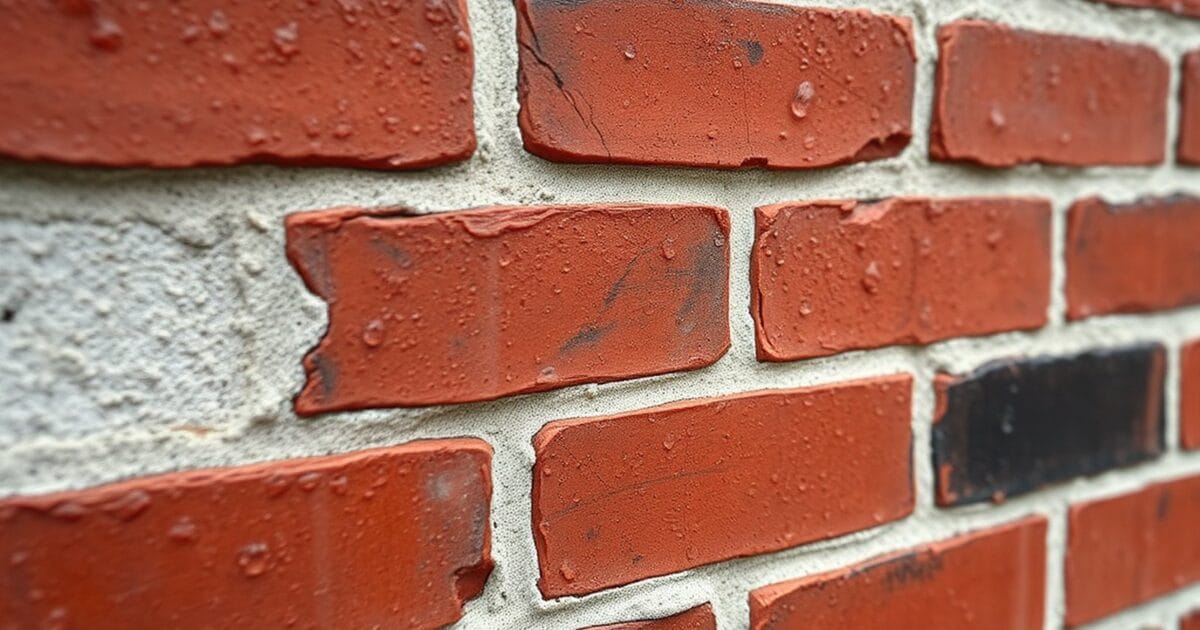
Brick, block, stone and concrete are often sealed rather than painted. Customers ask for it after a wet winter, after efflorescence appears, or because a neighbor had it done. Painters are a natural choice for the work, and it looks straightforward: clean the wall, spray the product, move on.
The difficulty is that a clear sealer can do real harm on the wrong wall, and the price of a sealing job depends on questions that have nothing to do with spraying. This guide covers how to price the work properly, and when not to do it at all.
Clear sealers are not paint
Clear masonry products come in different types. Some penetrate the surface and repel water while leaving the masonry able to release vapor. Others form a film on the surface. Some change the appearance, darkening the masonry or adding a sheen. Each behaves differently, and each suits different materials and conditions.
That matters for pricing because the product decides the preparation, the number of coats, the coverage and the risk. Pricing sealing from a painting rate ignores all of those. It also matters for the customer, who is buying protection they cannot see, and deserves to know what the product will and will not do.
Coatings that form a thicker, flexible film on masonry, such as elastomeric products, are a different category again. They are covered in elastomeric coating.
When sealing is the wrong answer
Masonry walls need to dry. Water gets into them from rain, from the ground, from leaks and from inside the building, and it needs a way out. A product that traps that water can cause spalling, where the face of the brick breaks away, especially where freezing occurs. Soft historic brick and lime mortar are particularly vulnerable.
The National Park Service explains the principles in its guidance on controlling unwanted moisture in historic buildings, and its guidance on cleaning and water repellent treatments for historic masonry is cautious about treating walls that do not have a specific problem. Those documents are written for historic buildings, but the reasoning applies to many ordinary brick houses too.
The practical point is that a sealer should solve a diagnosed problem. It is not a general upgrade, and a painter who sells it that way takes on the risk when the wall starts to fail.
Diagnose the water first
Before pricing, find out why the customer wants the wall sealed. Common reasons include damp patches inside, efflorescence on the face, water soaking into the surface during rain, staining, and moss or algae growth.
Many of these have causes a sealer will not fix. Failed gutters, poor drainage, missing flashing, cracked mortar and rising ground moisture all put water into walls from places a surface product cannot reach. Efflorescence is a symptom of water moving through the wall, and sealing over it can make matters worse.
Check the gutters, the downspouts, the grading, the mortar and the flashing. Where the cause is elsewhere, say so and recommend fixing it first. The EPA brief guide to mold, moisture and your home is a helpful reference for customers who need to understand that moisture has to be controlled at its source.
Cleaning comes first, and is often the bigger job
Sealers need clean, dry masonry. Dirt, efflorescence, biological growth, old coatings and stains all have to come off first, and a sealer applied over them can lock them in.
Cleaning masonry is a job in its own right. Gentle methods are usually best, and aggressive ones can damage the surface permanently. The National Park Service guidance on the dangers of abrasive cleaning explains why high pressure and blasting can ruin brick and stone. The pricing of washing is covered in how to price pressure washing before painting, and the same care applies here.
After cleaning, the wall has to dry, often for longer than a painted surface would need. Price the cleaning as its own line and plan the drying time into the schedule.
Mortar, cracks and whose job they are
Cracked, eroded or missing mortar lets water into a wall far faster than the brick face does. Sealing over failed mortar achieves little.
Repointing is skilled masonry work. Many painting businesses do not take it on, and those that do should price it separately. Using the wrong mortar on older buildings can cause damage, which is why preservation guidance treats it carefully. Where mortar needs attention, refer it or subcontract it, and schedule sealing after the mortar has cured.
Cracks in the masonry itself may indicate movement, which is a structural question rather than a coating one. Note them, and recommend that the customer has them assessed where they look significant.
Coverage depends on how thirsty the wall is
Porous masonry absorbs more product than dense masonry. Coverage figures on product data sheets are usually given as ranges for that reason, and the actual coverage on a particular wall can sit at either end.
That makes a test area valuable. Applying the product to a small, inconspicuous section shows how much it takes, how it looks once dry and whether the water repellency is what the customer expects. It also protects against the appearance surprise covered below.
Charge for the test area as a paid item where it takes meaningful time. It is real work, and it is what makes the rest of the price reliable.
What a sealing estimate lists
A sealing estimate usually includes these lines.
Assessment and test area. Checking the wall, the causes of water and the product performance on a sample.
Cleaning. By area, with bands for light soiling, heavy staining and biological growth.
Protection. Covering windows, doors, plants, paving and anything the product could mark or damage.
Application. By area, based on the expected number of coats and the porosity band.
Access. Ladders, platforms or lifts for tall walls. The pricing of height is covered in how to price access equipment for painting jobs.
Your own records of coverage and hours on each wall type are what make these lines reliable over time. The general case for measuring by area is in how to price painting jobs per square foot.
The appearance change nobody expects
Some sealers darken masonry, deepen its color or leave a slight sheen. Others change nothing visible. Customers who expect no change can be unhappy with a darker wall, and the change cannot easily be undone.
Show the test area to the customer and get their approval before proceeding. Write the approval down. That single step prevents most appearance disputes on sealing jobs.
The choice between sealing, painting and limewashing brick is also partly an appearance decision. Limewash changes the look entirely while allowing the wall to breathe, and it is covered in how to limewash brick. Where the customer is really asking for a new look, compare the options with them.
Protecting everything around the wall
Many sealers can mark glass, damage plants, stain paving and leave residue on painted trim. Overspray travels further than it seems, and wind makes it worse.
Protection takes time and material, and it belongs in the price. Masking windows, covering plants, protecting paving and choosing calm weather all add to the job. So does cleanup if anything is marked. Follow the product label and the safety data sheet, and provide the protective equipment it requires. The OSHA hazard communication overview explains how those documents are meant to be used on site.
Concrete flatwork is its own category
Driveways, patios, pool surrounds and walkways are often sealed too, and they behave differently from walls. They carry foot traffic, vehicles and standing water, and they are exposed to deicing products in cold areas.
Products for horizontal concrete differ from those for walls. Some penetrate, some form a film, and film forming products can become slippery when wet. Slip resistance matters on any surface people walk on, and some products allow an additive for grip. Check the product guidance and discuss it with the customer.
Price flatwork separately from walls. Cleaning is usually heavier, the surface cleaner and the equipment are different, and traffic has to be kept off during cure. A driveway that cannot be used for a period affects the customer more than a wall does, so agree the timing in advance.
Weather windows for sealing
Most masonry sealers need a dry wall, dry weather before and after application and temperatures within a stated range. Rain soon after application can wash product off or leave marks. Wind carries overspray.
That makes sealing a weather dependent job, often more so than painting, because the wall has to dry after cleaning and stay dry through application and cure. Plan for delays in the schedule, and say in the estimate how weather delays are handled. The general approach is in how to handle painting job delays.
Reading the product data sheet before quoting
Every sealing product comes with technical information: the substrates it suits, the conditions it needs, the coverage range, the number of coats, the recoat interval and the precautions. That information is the basis of the estimate, not an afterthought.
Read it before quoting. Check that the product suits the masonry in front of you, that the conditions are achievable, and that the coverage range has been used to size the materials line. If the product is unsuitable, choose another before the customer sees a number, rather than discovering the mismatch on the day.
Keep the data sheet with the job record. If the customer later asks why the wall was treated the way it was, the answer is on file.
Painted masonry is a different job
Clear sealers are for bare masonry. A wall that is already painted needs a different approach, usually a repaint with a coating suited to masonry. The choice of product is covered in best paint for brick.
Customers sometimes ask for a painted wall to be sealed, or a sealed wall to be painted. Both can cause adhesion problems. Check what is on the wall before quoting, and read the product instructions on compatibility.
Recoats and ongoing care
Clear sealers do not last indefinitely. Water repellency fades with exposure, and the product has to be reapplied. The interval depends on the product, the exposure and the wall.
Tell the customer that sealing is maintenance rather than a permanent fix, and give them a way to know when to reapply, such as watching whether water still beads on the surface. Offering to check and reapply as part of an ongoing arrangement can turn one job into a relationship. The approach is covered in painting maintenance contracts.
Every extra service deserves its own line.
PaintPricing builds itemised estimates from your own rates, so washing, repairs, coatings and consultations sit on the quote as separate lines instead of disappearing into the paint price. Free for your first 3 quotes, no card required.
Frequently asked questions
How do painters price masonry sealing?
With separate lines for assessment and a test area, cleaning, protection, application by area with porosity bands, and access. Coverage varies with how porous the masonry is, so test before committing to a materials figure.
Should every brick wall be sealed?
No. Masonry needs to dry, and sealing a wall without a specific problem can trap moisture and cause damage, especially on older or softer brick. A sealer should solve a diagnosed problem.
What should be checked before sealing a masonry wall?
Gutters, downspouts, grading, flashing and mortar. Many water problems come from these sources, and sealing the surface will not fix them. Efflorescence often shows water moving through the wall.
Will a clear sealer change the look of brick?
Some do. Many darken the surface or add a slight sheen. Apply a test area and get the customer to approve the appearance before sealing the whole wall.
Does masonry need cleaning before sealing?
Yes. Dirt, efflorescence and growth should be removed first, using gentle methods, and the wall must dry before application. Cleaning is often a larger job than the sealing itself.
How often does masonry need to be resealed?
It depends on the product and the exposure. Water repellency fades over time. Checking whether water still beads on the surface is a simple way to judge when to reapply.