In this article
- The parts of a window a painter touches
- Counting and banding windows
- True divided lites, simulated grilles and removable grids
- Glass: tape, cut in or scrape
- Keeping windows working
- Hardware, locks and screens
- Stools, sills and worn surfaces
- Lead on older windows
- Vinyl, aluminum and factory finished windows
- Bay windows, transoms and specialty shapes
- Exterior sides and the whole window
- Writing the window line
- Timing windows on real jobs
- Frequently asked questions
Windows are one of the classic places painters lose money. On a walkthrough, a window is one item on a wall. On the job, it is a set of sashes, stops, jambs, a stool, an apron and a casing, sometimes with a grid of muntins dividing the glass into small panes, and every edge meets glass that must stay clean. A room with several divided light windows can take longer than the walls around them.
This guide is for painting contractors pricing the interior side of windows: the sashes, the frame parts and the trim. It covers how to count and band windows, what makes some windows slow, how to handle glass and operation, and how to write a line the customer can check.
What follows is general information and is not legal or safety advice. Lead requirements for older homes differ from place to place and are revised from time to time, which is why each job needs its own check.
The parts of a window a painter touches
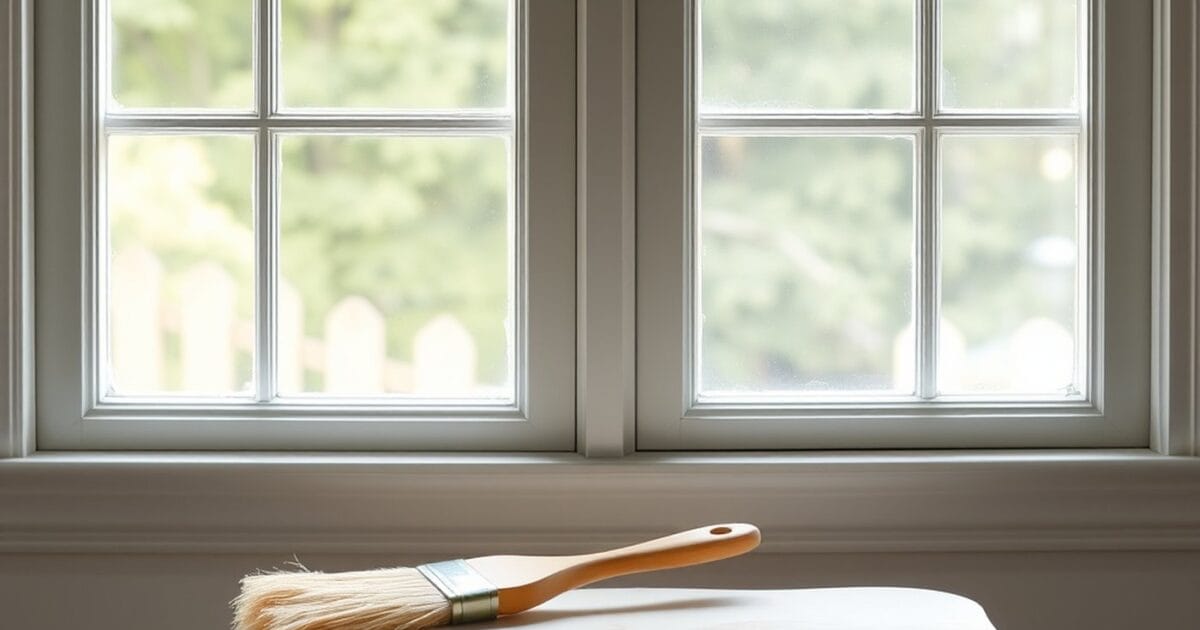
A typical wood window seen from inside has several paintable parts:
- Sashes: the frames holding the glass, one or two on a double hung window, one on a casement.
- Muntins or grilles: the bars dividing the glass into smaller panes.
- Stops: the small moldings that hold the sashes in their tracks.
- Jambs: the inside faces of the frame, sometimes including the tracks the sashes slide in.
- Stool: the interior sill, often the most worn part.
- Apron: the trim below the stool.
- Casing: the trim around the window on the wall.
The casing and apron are ordinary trim and can be priced with the rest of the trim in the room, using the approach in how much to charge to paint trim and baseboards. The sashes, muntins, stops, jambs and stool are the window itself and are the part that needs its own count.
Counting and banding windows
The simplest reliable method is to count windows by type and band them by complexity. A painter might use bands such as single lite casement, double hung with plain sashes, double hung with divided lites, and large or specialty windows. Within each band, windows of similar size take similar time.
The number of lites, the individual panes of glass, is the biggest single factor. A double hung window with one pane per sash has two sashes to paint. The same window with six panes per sash has twelve small frames, each with four inside edges against glass. The difference in time is large, and it has nothing to do with the size of the window.
Count lites on the walkthrough, or photograph each elevation and count later. The window painting calculator estimates material for windows and trim, and it is a useful check on the materials line. Labor comes from timed records for each band.
True divided lites, simulated grilles and removable grids
Not every window with a grid is a true divided lite. In older windows, each pane is a separate piece of glass held by the muntins, and every muntin must be painted on both sides of the glass edge. In many newer windows, the grille is applied to the surface of a single large pane, or sits between two layers of glass, or is a removable grid that snaps in.
Removable grids can be taken out, painted flat or sprayed, and reinstalled, which is much faster than painting muntins in place. Grilles between the glass cannot be painted at all. Applied grilles are painted in place but only have one edge against glass. Identify which type is present on the walkthrough, because the time differs greatly between them.
Glass: tape, cut in or scrape
Every sash edge meets glass. There are three common approaches. Taping every pane gives clean lines but takes a long time on divided lites. Cutting in freehand with a good sash brush is faster for a skilled painter but slower for a less experienced one. Painting slightly onto the glass and scraping the excess off with a razor once dry is another method, and it leaves a thin film of paint sealing the glass to the frame, which some painters consider better practice.
Each method has a cost. Taping is material and time. Cutting in depends on skill and brush quality, which is why the choice of brush matters, as covered in how to choose a paint brush. Scraping takes time after the paint dries and needs care on older glass. The methods for removing paint from glass safely are set out in how to get paint off glass, and scraping is often a separate pass that belongs in the estimate.
Keeping windows working
A painted window must still open and close. Paint in the sash tracks, on the parting beads or between the sash and stop can glue a window shut. Customers notice immediately, and freeing a stuck window after painting takes time and risks damaging the new finish.
Good practice includes moving sashes during drying, keeping paint thin on running surfaces, and leaving the tracks unpainted or waxed where appropriate. Double hung windows need the sashes raised and lowered during the job to paint every surface and to stop them sticking. All of this is time on each window.
Many older windows are already painted shut when the painter arrives. Freeing them is a separate task, often involving a window zipper, careful cutting and sometimes removal of stops. Count painted shut windows on the walkthrough and price freeing them as a line. The pricing of related work on older sashes is covered in how to price window glazing repair.
Hardware, locks and screens
Sash locks, lifts, crank handles and hinges need to be removed or masked. Removing them gives a cleaner finish, but each piece must be labeled and reinstalled, and old screws may be painted in or stripped. Masking is faster but leaves paint lines around the hardware if not done carefully.
Interior screens, storm panels and blinds usually need removing before painting and reinstalling after. Blinds and shades in particular can take a surprising amount of time to take down and put back. Decide who removes them and write it down, in the same way as furniture moving, which is covered in how to charge for moving furniture when painting.
Stools, sills and worn surfaces
The stool is often the most damaged part of a window. Plants, condensation, sun and cats all take their toll. Stools may have peeling paint, bare wood, water damage or soft spots. They need more preparation than the rest of the window: scraping, sanding, filling and priming, and sometimes repair or replacement.
Condensation damage on stools and lower sash rails is common in older homes and cold climates. Where the wood is soft, painting over it will not last. Note the condition, price the preparation, and treat repair or replacement as a separate item. The general approach is in how to price repairs on a painting job.
Lead on older windows
Windows in older homes are one of the most likely places to find lead based paint. Friction surfaces, where the sash slides against the frame, create dust every time the window is opened, and preparation disturbs old layers. Federal requirements for this work sit in the EPA Renovation, Repair and Painting program, and the agency also publishes its Renovate Right pamphlet explains lead hazards to households.
Test before quoting preparation on older windows, using the approach in how to test for lead paint. Lead safe practices add containment, specialized cleanup and careful preparation, and they change the price per window substantially.
Vinyl, aluminum and factory finished windows
Many modern windows are vinyl, aluminum or clad with a factory finish on the interior. These are usually not painted, and painting them can cause problems. Vinyl can warp if painted a dark color, and paint may not bond well to factory finishes without the right primer. Some manufacturers state in their warranty terms that painting may affect coverage.
If a customer asks for vinyl or factory finished windows to be painted, advise them to check the window manufacturer guidance first, and price the work with the preparation and primer the surface needs. Otherwise, note on the estimate that factory finished windows are excluded and only the wood trim around them is painted.
Bay windows, transoms and specialty shapes
Not every window fits a standard band. Bay and bow windows combine several units with angled mullions between them, and often a seat or deep stool below. Transoms above doors and windows are usually high and small, with awkward access. Arched, round and half round windows have curved sashes and casings that slow every stroke. French doors and sidelights have the same divided lite challenges as windows, with more lites and both faces visible.
Price specialty windows as their own band, or count them individually with a note of their shape and lite count. A bay window is not three windows priced as three standard units: the mullions, the seat, the ceiling of the bay and the angled casings all add time. A high transom may need a ladder that a standard window does not.
Window seats deserve a mention of their own. They are often part of a bay, they take daily wear from people sitting and objects resting on them, and they may include a hinged lid or storage below. Treat them as a small built in, with a durable enamel on the seat, and price them with the approach in how to price painting built ins and bookcases.
Where a house has many windows of different kinds, a short schedule listing each window by room, type and lite count makes both the estimate and the job easier to manage. It also helps the crew plan which windows to paint first, so that the ones needed for ventilation are not all drying at once.
Exterior sides and the whole window
This guide covers the interior side. The exterior side of a window is a different job with different access, weather and preparation. The homeowner method is in how to paint exterior window frames. When a customer asks for windows painted, confirm which side, or both, before pricing.
Writing the window line
A clear window line lists the windows by band and count, states which parts are included (sashes, muntins, stops, jambs, stool), and states whether casings and aprons are included here or in the trim line. It names the method for glass, notes hardware and blinds handling, and lists windows to be freed or repaired separately.
That level of detail answers the question customers most often ask about windows: why they cost so much. A line that shows a room with several divided lite windows, each with a count of panes, explains itself. The broader principles are in what should a painting estimate include.
Timing windows on real jobs
Windows vary more by type than by size, so time them by band. Record the count, band, lite count, condition and method on each job, and the hours for preparation, painting and scraping. After a few jobs, the difference between a single lite casement and a divided lite double hung will be clear in the records, and it can go straight onto the painting estimate rate card.
Detail work is where square foot pricing loses money.
PaintPricing builds itemized estimates from your own rates, so balusters, windows, built ins and caulk sit on the quote as counted lines instead of disappearing into the wall price. Free for your first 3 quotes, no card required.
Frequently asked questions
How do painters price interior windows?
Most count windows by type and band them by complexity, with the number of panes as the biggest factor. Each band has a rate taken from timed jobs. Casings and aprons may be priced with the trim.
Why do windows with grids cost more to paint?
Every pane in a true divided lite window adds four edges against glass. A window with many small panes can take several times longer than the same size window with one pane per sash.
Should painters tape window glass?
Some do, some cut in freehand, and some paint slightly onto the glass and scrape it off once dry. Each method has a cost in time, and the estimate should reflect the method used.
Can painted shut windows be freed?
Usually, with careful cutting of the paint seal and sometimes removal of stops. It is a separate task from painting and should be priced as its own item.
Are vinyl windows painted?
Usually not. Vinyl can warp under dark paint and factory finishes need special primers. Customers should check the window manufacturer guidance before asking for them to be painted.
Do old windows contain lead paint?
Often, in older homes, and friction surfaces create lead dust when the window is used. Test before preparing older windows and follow lead safe practices where lead is present or presumed.