In this article
- What glazing work is
- Old putty usually means old paint
- In place or out of the frame
- Condition bands per sash
- Pricing per sash, per pane or per window
- Removing old putty without breaking glass
- Cure time before paint
- Broken glass and when to refer
- Upper floors and storm windows
- Weather and the schedule
- The painting that follows
- Painted shut sashes and the interior side
- Writing the estimate for window work
- Learning your own sash times
- Restoration as a specialty
- Frequently asked questions
Painters working on older houses meet failing window glazing constantly. The putty around the glass has cracked, shrunk or fallen out, water is getting in, and the customer wants the windows painted. Painting over failed glazing does not last, so the painter either quotes the repair or leaves a job that will look worn within a season.
Glazing repair is slow, detailed work, and it is usually priced far below what it takes. This guide covers how to price it properly, how to handle the lead risk that comes with old windows, and when to hand the work to a specialist.
What glazing work is
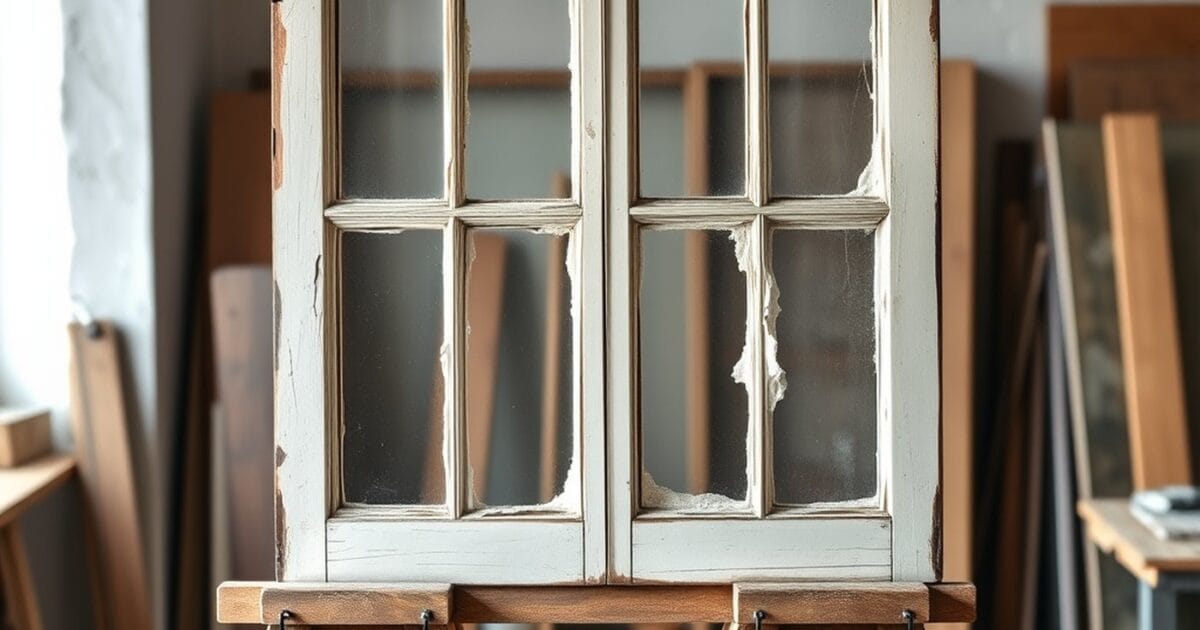
In traditional wood windows, each pane of glass sits in a rebate in the sash, held by small metal points and sealed with glazing putty or compound. The putty forms a sloped bead that sheds water away from the glass. Over time it dries, cracks and loses its grip, and water gets behind it.
Glazing repair means removing failed putty, cleaning the rebate, priming the bare wood, resetting or replacing the points, applying new compound and, once it is ready, painting it. Where the compound is sound, it may only need spot repairs. Where it has failed, the whole sash may need reglazing.
Modern windows with insulated glass units are different. They use gaskets or sealants rather than putty, and failed units are usually replaced by a glass or window specialist rather than reglazed with putty.
Old putty usually means old paint
Windows in older homes have often been painted many times, and some of those layers may contain lead. Old putty can contain it too. Windows are also friction surfaces, where paint wears into dust as sashes move, which is why they are often a major lead hazard in older homes.
The EPA Renovation, Repair and Painting program sets requirements for work that disturbs painted surfaces in many pre-1978 homes and child occupied facilities, including certification, containment, work practices and cleanup. The EPA Renovate Right pamphlet explains what firms must provide to occupants. OSHA covers the worker side on its lead page.
For pricing, this changes the job substantially. Containment, lead safe removal methods, careful cleanup and verification take time and materials. A glazing price that ignores lead in an older home is not a real price. Test or presume, and price accordingly. How to test for lead paint covers the options.
This is general information about how painting businesses approach window glazing, not legal or safety advice. Lead requirements depend on the building, its occupants and where you work, so confirm what applies with the relevant authority before starting.
In place or out of the frame
Glazing can be done with the sash in the window or removed to a work area. The choice changes the price.
In place work avoids removing sashes, which can be difficult on old windows with painted shut sashes and broken cords. It is slower per pane, especially on upper floors, and it is limited by weather.
Removing sashes allows work at a bench, which is faster and often better. It requires the sash to be released and reinstalled, the opening to be secured while the sash is out, and space to work. Where a full restoration is planned, removing the sashes is usually the better approach.
Decide which approach the job needs before quoting, and state it.
Condition bands per sash
The condition of each sash varies, even within a single house. A practical approach is to group sashes into a few bands.
Sound. The putty is intact apart from minor cracks. Spot repair and paint.
Partly failed. Some putty is loose or missing. Remove the failed sections, prime and reglaze those areas.
Failed. Most of the putty is cracked, loose or gone. Remove all of it and reglaze the whole sash.
Damaged. The sash itself has rot, loose joints or broken glass. Glazing is only part of the work, and wood repair or glass replacement is needed as well.
Walk every window and note its band. It takes time at the estimate stage, and it is the only way to produce a reliable number.
Pricing per sash, per pane or per window
Per sash. The most common unit, since the work is organized sash by sash. A rate for each condition band, multiplied by the count, gives a clear estimate.
Per pane. Useful where sashes have many small panes, since work scales with the number of panes more than the size of the sash. A sash with many divided lights takes far longer than a single large pane.
Per window. Simple for customers, but it hides the difference between a window with two large panes and one with many small ones.
Presenting glazing as unit prices also makes it easy to adjust the scope if the customer wants to do only some windows now. The approach is covered in painting bid alternates and unit prices.
Removing old putty without breaking glass
Hard, old putty does not always come away easily. Softening it takes time, and removing it without cracking old glass takes care. Old glass is often thinner and more fragile than modern glass, and in some houses it is valued for its character.
Some tools and methods speed up removal, but they carry their own risks. Heat can crack glass and, on painted surfaces, can release lead fumes at high temperatures. Aggressive scraping can damage the rebate. Choose the method that fits the job and the lead situation, and price at the pace that method allows.
Include a line for occasional glass breakage. Even careful work breaks a pane now and then, and replacing it takes time and material.
Cure time before paint
Glazing compound needs time before it can be painted. Many products need a skin to form first, and the wait varies with the product and the weather. Painting too soon can cause wrinkling or poor adhesion. Waiting too long can leave the compound exposed.
Follow the guidance from the manufacturer of the product in use. For pricing, the cure time often means a return visit to paint, which carries travel and setup costs. On a whole house, the crew can move between windows so that the waiting is spread across the job, but on a small job the return visit is a real cost.
Paint should seal slightly onto the glass, creating a seal that keeps water out of the joint between glass and compound. That detail takes a steady hand and time, and it belongs in the painting rate.
Broken glass and when to refer
Replacing a single pane of ordinary glass in a traditional sash is often within reach for a painter. Cutting and fitting glass is a skill, and some painters prefer to have panes cut by a supplier to measure.
Insulated glass units, laminated or tempered glass, large panes and anything involving safety glazing belong with a glass specialist. So do windows where the sash itself needs significant carpentry. Refer that work and keep the painting.
The line between painting and repair is covered more broadly in how to price repairs on a painting job.
Upper floors and storm windows
Windows on upper floors are slower, and often need ladders or platforms. Removing sashes from upper floors can be easier than working on them in place, but moving them safely takes care. The pricing of height is covered in how to price access equipment for painting jobs, and OSHA explains the principles of fall protection.
Storm windows add another layer. They have to be removed, stored and reinstalled, and they may need their own cleaning and repair. Price them as a separate item.
Weather and the schedule
Glazing compound and exterior paint both need suitable weather. Rain, cold and high humidity can delay the work or damage it. Sashes removed from a house also leave openings that must be secured against weather and intruders.
Plan glazing work for the right season, and state in the estimate how weather delays are handled. Where sashes are removed, include temporary panels or covers in the price.
The painting that follows
Glazing is almost always part of a larger window painting job. The sash, frame, sill and trim all need attention, and the glazing is only as durable as the paint that protects it.
The painting side of window work is covered in how to paint exterior window frames. The sealing of gaps around frames, which is a separate task from glazing, is covered in how to caulk before painting. Keep glazing, caulking and painting as separate lines on the estimate, so each is priced for what it takes.
Painted shut sashes and the interior side
Many old sashes have been painted shut, and many have broken cords, missing weights or worn parting beads. Customers often expect a window job to leave the windows opening again.
Freeing sashes, replacing cords and adjusting stops are carpentry tasks that take time and skill. Some painters include them, some refer them. Either way, write down whether the windows will operate after the work, because an assumption on that point causes more disappointment than almost anything else on a window job.
The interior side of the sash usually needs painting too, which means working inside the home, with the protection and cleanup that come with it.
Writing the estimate for window work
A clear window estimate lists every window, its condition band, the approach for each, and the separate lines for glazing, glass replacement, caulking, painting, storm windows and any carpentry. It states whether lead safe practices apply, whether sashes will be removed, how openings will be secured and whether the windows will operate afterward.
That level of detail takes longer to write, and it pays back quickly. It lets the customer choose which windows to do now, it prevents disputes about what was included, and it shows why a window job costs what it does. The general principles of a complete estimate are covered in what should a painting estimate include.
Learning your own sash times
Glazing speed varies widely between people and between windows. Record the time spent on each sash, its band, the number of panes and whether it was worked in place or on the bench. After a few jobs, the rates on the estimate stop being guesses. The habit of comparing estimated and actual hours is described in how to track painting job costs.
Restoration as a specialty
Some painters find that window restoration becomes a specialty. Owners of older homes often value original windows, and the National Park Service guidance on the repair of historic wooden windows explains why repair is often preferred to replacement in historic buildings.
A painter who builds skill in glazing, sash repair and lead safe practice can serve that market well. It needs training, patience and a workshop, and it should be priced as the skilled craft it is. The broader pricing of older homes is covered in how to price historic home painting.
Every extra service deserves its own line.
PaintPricing builds itemised estimates from your own rates, so washing, repairs, coatings and consultations sit on the quote as separate lines instead of disappearing into the paint price. Free for your first 3 quotes, no card required.
Frequently asked questions
How do painters price window glazing repair?
Usually per sash, with rates for condition bands such as sound, partly failed, failed and damaged. Sashes with many small panes may be priced per pane. Painting, caulking and glass replacement are separate lines.
Is lead paint a concern with window glazing?
Often. Older windows have usually been painted many times, and some layers may contain lead. Old putty can contain it too. Test or presume lead, use lead safe practices where required, and price the extra time and cleanup.
How long does glazing compound need before painting?
It depends on the product and the weather. Many compounds need to form a skin first. Follow the manufacturer, and plan for a return visit to paint where needed.
Should sashes be removed for glazing?
It depends on the job. Removing sashes allows faster, better bench work but requires releasing and reinstalling them and securing the openings. In place work avoids that but is slower per pane.
Can painters replace broken glass?
Single panes of ordinary glass in traditional sashes are often manageable. Insulated units, safety glass and large panes should go to a glass specialist.
Why does glazing take so long?
Removing old putty without breaking glass, preparing the rebate, reglazing, waiting for the compound and painting carefully onto the glass are all detailed tasks. Many panes multiply the time.