In this article
- Types of radiator and heater a painter meets
- Why radiators hide so much surface
- Questions to answer before quoting
- Lead, asbestos and old heating systems
- Preparation for metal heaters
- Choosing a product that tolerates heat
- Reaching between the sections
- Baseboard heaters and covers
- Radiator covers and enclosures
- Radiators in apartments, schools and commercial buildings
- Writing the radiator line
- Timing radiators on real jobs
- Frequently asked questions
Radiators and baseboard heaters turn up in a large share of older homes, apartment buildings and schools, and customers often ask for them to be painted along with the room. They are easy to overlook on the walkthrough and slow on the job. A cast iron radiator hides a remarkable amount of surface between its columns, a baseboard heater cover runs the length of a wall, and both sit on the floor in the place where paint drips, dust and old coatings collect.
This guide is for painting contractors pricing radiators, baseboard heater covers and similar heating elements. It covers the types, how to count and band them, the questions to answer before quoting, the methods, and how to write the line on the estimate.
This is general information, not legal or safety advice. Rules about lead, asbestos and work on heating systems vary by location and change over time, so check the requirements that apply to each job.
Types of radiator and heater a painter meets
The main types are:
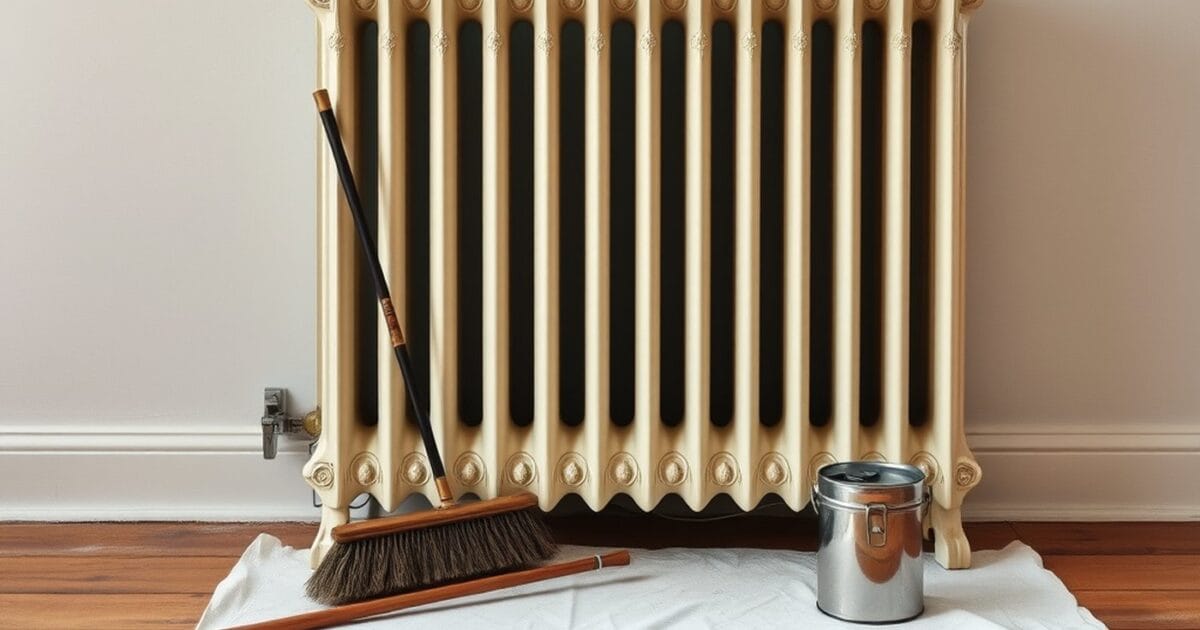
- Cast iron column radiators, with vertical sections joined together, common in older homes and buildings.
- Cast iron radiators with ornate relief patterns on the sections.
- Steel panel radiators, flat or ribbed, common in newer hydronic systems.
- Hydronic baseboard heaters, with a metal cover over a finned pipe.
- Electric baseboard heaters, with a metal housing and internal element.
- Radiator covers or enclosures, usually wood or metal cabinets built over the radiator.
Each is a different job. A steel panel radiator paints much like a flat metal door. A cast iron column radiator paints like a set of pipes packed tightly together. A baseboard cover is closer to a run of metal trim. A wood radiator cover is carpentry and paints like a small built in.
Why radiators hide so much surface
A column radiator is made of many vertical sections, each with several tubes, and the spaces between them are narrow. The visible front and top are a small part of the paintable surface. The sides of every section, the gaps between tubes and the back facing the wall are all surface, and they are hard to reach with a brush.
Ornate radiators add relief patterns that hold dust and old paint and need paint worked into every recess. Radiators that have been painted many times may have thick, uneven layers that need to be cleaned or partly removed before a new coat will look good.
For these reasons, radiators are best priced by count and band rather than by any measure of area. A band might combine the type and size: small, medium and large column radiators, ornate radiators, panel radiators, and so on.
Questions to answer before quoting
Radiators come with questions that ordinary walls do not. The answers change the method and the price, so ask them on the walkthrough.
Is the heating system on, and can it be turned off? Paint applied to a hot radiator dries too quickly, can blister and may smell as it cures. The heating needs to be off and the radiator cool before work starts, and the customer needs to know the room may be cold. In winter, this may mean scheduling radiators separately or in sections.
Can the radiator be moved or removed? Some hydronic radiators can be disconnected and moved away from the wall by a heating contractor, painted and reinstalled. That gives the best finish on the back and the wall behind, but it is work for a qualified trade, not the painter, and it adds cost and time.
What is on the existing surface? Old radiators in older homes may carry layers of lead based paint. Pipes and fittings near old radiators may have insulation that contains asbestos. Both matter before any scraping, sanding or wire brushing.
Lead, asbestos and old heating systems
Radiators in homes built before lead paint was banned for residential use are prime candidates for lead in the existing coating. Scraping, sanding and wire brushing disturb it. The EPA explains its Renovation, Repair and Painting program, which sets out when lead safe work practices and firm certification apply to paid work in older homes. Testing before quoting prep, using the approach in how to test for lead paint, is the sensible first step.
Asbestos is the other concern. Older heating pipes and some boiler and radiator components were insulated with materials that may contain it, often wrapped in white or gray lagging. Painters should not disturb suspect insulation. The EPA overview of asbestos explains where it was used and why it matters. If suspect material is present near the work, exclude it from the scope and recommend the customer have it assessed.
OSHA also summarizes the hazards of lead in the workplace, which apply to the crew doing the preparation as well as to the household. These questions do not usually stop the job, but they change it. Lead safe preparation takes longer and needs containment and cleanup. Working around insulation that cannot be touched limits what can be painted. Both belong in the estimate.
Preparation for metal heaters
Preparation for radiators is mostly cleaning and dealing with rust and loose paint. Radiators collect dust, and dust mixed with old paint makes a poor surface. Cleaning with brushes designed to reach between sections, vacuuming and washing are the first steps. Loose and flaking paint needs removal by methods appropriate to what the coating contains.
Rust spots need to be cleaned and primed with a rust inhibiting primer. Baseboard heater covers often have rust along the bottom edge where mop water and floor cleaners collect. Electric baseboard heaters should have the power turned off at the breaker, and the painter should not open the housing or touch the internals.
The homeowner guide to the method, including cleaning between sections and applying thin coats, is how to paint a radiator. It is a good reference to share with customers who wonder why the radiator takes so long.
Choosing a product that tolerates heat
Radiators and heaters get warm, and some paints discolor, soften or give off odor when heated. Many painters use products that the manufacturer describes as suitable for radiators or heated metal, or a quality alkyd or acrylic enamel that the manufacturer states is suitable for the temperatures involved. The product data sheet is the authority, and it should be read for every product used on a heater.
The general question of coatings for heated surfaces is covered in heat resistant paint. For most household radiators, ordinary high temperature products designed for stoves and engines are more than is needed, but a paint that is not suited to warm metal can yellow or stay soft.
Metallic finishes, which were traditional on old radiators, are sometimes requested for restoration work. They are harder to apply evenly and may need special primers. Price them as their own band.
Reaching between the sections
Column radiators are difficult to brush fully. Painters use long handled radiator brushes, painting mitts that wrap around tubes, small rollers for flat panels, and aerosol or small sprayers for the areas between sections. Spraying in place requires careful masking of walls, floors and pipes, and overspray between tightly packed sections can build up heavily if the painter is not careful.
Where radiators are removed by a heating contractor, they can be sprayed in a shop or outdoors, which gives the best finish. Baseboard covers can often be unclipped and removed, painted flat and reinstalled, which is faster and cleaner than painting in place. Radiator covers made of wood may be lifted off and painted separately.
Whatever method is used, the estimate should name it. A brushed radiator in place and a sprayed radiator off the wall are different finishes at different prices.
Baseboard heaters and covers
Hydronic and electric baseboard heaters are usually measured by run. The cover is a long metal piece with end caps, a damper on some hydronic units and a slot or grille along the top. Painting it in place means masking the floor and wall, working around the fins behind the grille and avoiding paint in the damper mechanism. Removing the cover, where it can be done without disturbing the element, makes the job faster and cleaner.
Covers that are dented, rusted through or missing end caps may be better replaced than painted, and replacement is usually work for the heating trade or the customer. Note the condition on the estimate. The general limits on repairs a painter should take on are set out in how to price repairs on a painting job.
Radiator covers and enclosures
Many older homes have radiators hidden inside covers: wood cabinets with a grille or perforated metal front, built to make the radiator look like furniture. A cover is a separate item from the radiator inside it. It is usually lifted off, painted like a small built in, and set back once the paint has cured. The grille or metal panel may be painted in place, sprayed separately or left as it is.
Covers bring their own conditions. Wood covers over a heat source dry out and crack, and their joints often open. The top shelf collects plants, lamps and water rings. Metal grilles may have rusted where they were wiped. Count covers separately on the walkthrough, note their construction and condition, and price them as their own band. If the radiator inside is not being painted, say so, because customers sometimes assume it is.
Where a cover has to be removed to reach the radiator, the time to lift it off, store it safely and put it back belongs in the radiator line as well.
Radiators in apartments, schools and commercial buildings
In apartment turnovers and institutional buildings, radiators are repetitive items that appear in every unit or room. They can be a steady source of work if priced correctly, and a steady loss if folded into a unit price without being counted. The approach to turnovers in how to price apartment turnover painting works well here: count radiators per unit, band them, and price them as their own line.
In schools and older public buildings, the same lead and asbestos questions apply, often with more documentation. Commercial owners may also have a specification for heater finishes, which should be read before quoting. The logic of reading a specification is in how to read painting specifications.
Writing the radiator line
A clear radiator line lists the number of radiators by band, the run of baseboard covers, whether they are painted in place or removed, the preparation, the primer and the finish product, and any items excluded, such as insulation, valves, gauges and the wall behind. It notes that the heating must be off and cool, and who is responsible for turning it off.
Where lead is present or presumed, the line should say how the work will be done and what that means for the schedule. Where asbestos is suspected, the line should state that the painter will not disturb it. Writing exclusions clearly is covered in painting bid exclusions and clarifications.
Timing radiators on real jobs
Radiator times vary widely with type, size, condition and method. Record the count, band, condition and method on every job that includes them, and the time spent. After a few jobs, the difference between a small panel radiator and a large ornate column radiator will be clear in the records, and the estimate will stop relying on guesses. Put those rates on the painting estimate rate card.
Detail work is where square foot pricing loses money.
PaintPricing builds itemized estimates from your own rates, so balusters, windows, built ins and caulk sit on the quote as counted lines instead of disappearing into the wall price. Free for your first 3 quotes, no card required.
Frequently asked questions
How do painters price radiators?
By count and band. Each radiator is counted and grouped by type and size, such as small column, large column, ornate or panel, and priced from timed records kept for that band. Baseboard covers are priced by run.
Does the heating need to be off to paint a radiator?
Yes. Paint applied to a warm radiator dries too fast and can blister or smell. The heating should be off and the radiator cool before work starts, and it should stay off until the paint has dried as the product data describes.
What paint is used on radiators?
A product that the manufacturer describes as suitable for radiators or heated metal, over a suitable primer on bare or rusty spots. The product data sheet confirms whether it tolerates the temperatures involved.
Can old radiators contain lead paint?
Yes, particularly in older homes and buildings. Test before any scraping or sanding, and follow lead safe work practices where lead is present or presumed.
Should radiators be removed for painting?
It gives the best finish, but disconnecting and reinstalling a radiator is work for a heating contractor. Many radiators are painted in place with brushes, mitts and careful spraying.
Are baseboard heater covers painted in place?
Sometimes, but many covers can be removed without disturbing the element and painted flat. Electric heaters must have the power off at the breaker, and the painter should not open the housing.