Painting Tips
Does Paint Expire? Shelf Life and the Go or No-Go Test
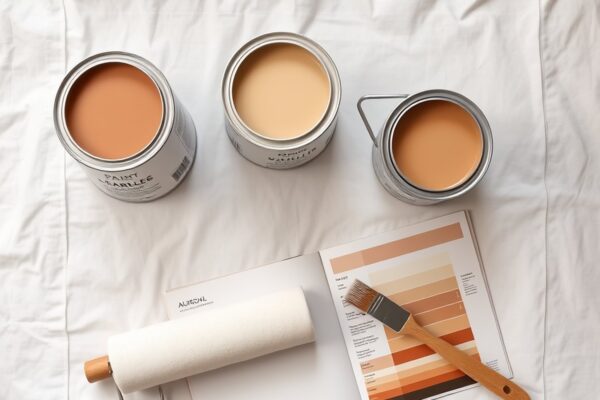
Yes, paint expires, but not on a fixed date and not the way food does. The useful framing is this: an unopened can that has…
Category
Tips, guides, and advice for painting contractors on pricing, estimating, and growing your business.
Yes, paint expires, but not on a fixed date and not the way food does. The useful framing is this: an unopened can that has…
Leftover paint stays usable when you keep three things away from it: air, temperature swings and contamination. That means cleaning the rim groove before you…
The first thing to settle is what kind of paint you have, because that decides everything else. Oil-based paint, wood stain, varnish, paint thinner and…
The painting safety kit comes down to four things you are protecting: your lungs, your eyes, your skin, and your ability to stay on the…
If your home was built before 1978 in the United States, assume lead paint may be present until testing says otherwise. Lead paint was banned…
Low-VOC and zero-VOC are regulatory labels about how much volatile organic compound content a paint contains, measured against a threshold set by whichever authority governs…
The only thing that genuinely removes paint smell from a room is air exchange. Everything else either masks it, adsorbs a small fraction of it,…
Ventilating a room properly means creating air exchange, not air movement. You need fresh air entering at one point and stale air leaving at another,…
There is no single number, and anyone who gives you one is guessing. For a modern water-based wall paint in a room that has been…
Paint fumes can be dangerous, and how dangerous depends almost entirely on three things: what kind of paint you are using, how much air is…