Painting Tips
Best Paint for Concrete
Quick answer: The best paint for concrete is a concrete or masonry floor paint or 1-part epoxy for light-duty floors, a 2-part epoxy for high-wear…
Category
Tips, guides, and advice for painting contractors on pricing, estimating, and growing your business.
Quick answer: The best paint for concrete is a concrete or masonry floor paint or 1-part epoxy for light-duty floors, a 2-part epoxy for high-wear…
Quick answer: The best paint for metal is a direct-to-metal (DTM) acrylic for most jobs, or an oil or alkyd enamel for a hard classic…
Quick answer: The best paint for brick is a breathable acrylic masonry paint for most walls, or mineral paint or limewash on exterior and historic…
Quick answer: The best paint for a basement depends on the surface. Finished drywall walls take a standard 100 percent acrylic, ideally a mildew-resistant formula…
Quick answer: The best paint for a garage floor is a 2-part epoxy floor coating. It bonds hardest and resists hot tires, chemicals, and abrasion…
Quick answer: The best paint for a front door is a 100 percent acrylic exterior paint or a waterborne alkyd exterior enamel. Both flex with…
Quick answer: The best paint for kitchen cabinets is a waterborne alkyd or urethane-modified acrylic enamel. It self-levels to a hard, furniture-like film that shrugs…
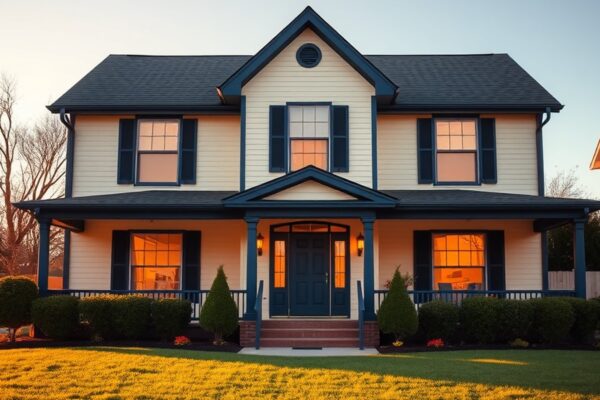
Quick answer: Painting the exterior of a two story house usually takes somewhere around 18 to 29 gallons total for two coats, split roughly into…
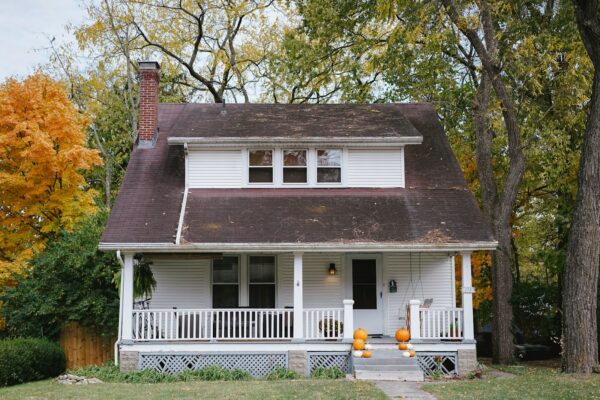
Quick answer: Painting the exterior of a one story house usually takes somewhere around 10 to 18 gallons total for two coats, split roughly into…
Quick answer: Painting the interior of a 3000 square foot house usually takes somewhere around 26 to 38 gallons total for two coats, split roughly…