In this article
Quick answer: Most aluminum-sided homes need about 5 to 12 gallons of paint for two coats, plus a generous 2 to 3 gallons of bonding primer because aluminum almost always needs a de-chalk and prime first. The painted area is similar to vinyl since both are smooth lap siding, but the mandatory primer coat pushes your total material count higher than vinyl of the same size.
Getting the gallon count right matters more on aluminum than on most surfaces, because the prep adds a primer step many homeowners forget to budget for. Buy enough in one trip and you avoid color mismatches and mid-job runs to the store, while painters can spec both products on the bid. For a quick figure, drop your measurements into the painting estimate calculator or request a free painting estimate. The math below shows where every gallon goes.
Aluminum siding sits in an interesting middle ground. The painted area behaves almost exactly like vinyl, since both are smooth horizontal lap panels of similar size, yet the material total comes out closer to wood once you account for the mandatory prime coat. That split is the whole story of estimating aluminum: count the walls like vinyl, but buy primer like you mean it. Get that balance right and your numbers will hold; treat it like a bare-walls vinyl job and you will be back at the store before the first coat is dry.
How much paint for aluminum siding
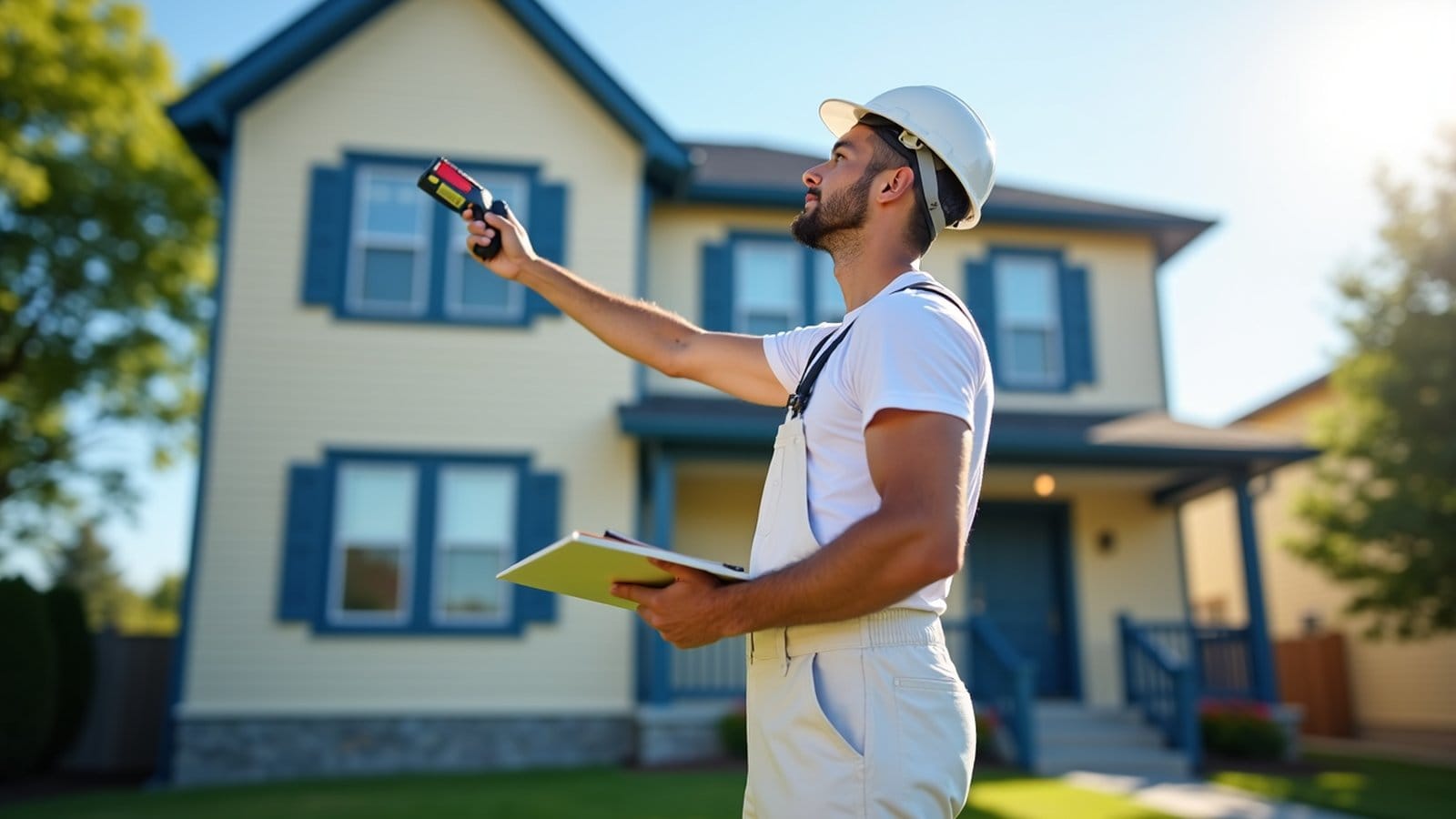
The table starts you off by house size. Wall area is the painted exterior surface, not the floor square footage. These figures assume two coats of quality exterior acrylic over a full bonding-primer coat, which aluminum almost always requires.
| House size | Wall area (approx) | Paint needed (2 coats) | Primer |
|---|---|---|---|
| Small ranch (1,000 sq ft) | 1,300 to 1,500 sq ft | 5 to 6 gallons | 1 to 2 gallons |
| Medium 1-story (1,500 sq ft) | 1,800 to 2,100 sq ft | 6 to 7 gallons | 2 gallons |
| Large 2-story (2,500 sq ft) | 2,800 to 3,200 sq ft | 9 to 10 gallons | 2 to 3 gallons |
| Extra-large 2-story (3,500 sq ft) | 3,600 to 4,200 sq ft | 11 to 12 gallons | 3 gallons |
The coverage math
The formula is the same on every surface: total wall area divided by the spread rate, then multiplied by the number of coats. The spread rate is the square footage one gallon covers. On a smooth, sealed surface a gallon of quality exterior paint covers roughly 350 to 400 square feet. Aluminum is smooth like vinyl, so the topcoat spreads close to 350 square feet per gallon.
The catch is the primer. Bonding primer on aluminum spreads a bit tighter, around 300 to 350 square feet per gallon, and you apply it across the whole house rather than just patches. So a 2,000 square foot wall needs about 5.7 gallons of topcoat per coat and a full 6 gallons of primer for the single prime coat. The how much does a gallon of paint cover hub explains how sheen and surface change those spread rates.
It helps to think of an aluminum estimate as three separate material lines rather than one. Line one is the primer, a full coat over the whole house. Line two is the first topcoat, and line three is the second topcoat. Each line uses its own gallon count, and only when you add the three together do you get the real material total. Homeowners who estimate aluminum like vinyl, by counting only the topcoat, routinely come up two or three gallons short because they never budgeted the prime coat at all. Breaking the job into three lines on paper is the simplest way to avoid that gap.
Spread rate on the topcoat improves once the primer is down. Bare or oxidized aluminum is slightly rough and grabs paint, but a primed surface is smooth and uniform, so the first topcoat over primer often flows closer to the high end of its range. That is a small bonus that partly offsets the cost of the primer, and it is why the primed-surface topcoat figures in the worked example come out a little better than the raw rated number would suggest.
How to measure your aluminum siding area
A tape measure and a notepad are all you need. Capture every wall plane on the house:
- Measure each elevation: height times width for the front, back, and both sides.
- Sum the four numbers to get gross wall area.
- Subtract large openings: about 20 square feet per door and 12 to 15 square feet per window. Leave small openings as cushion.
- Add gable ends: width times height divided by two for each triangle.
- Painters bill by wall area, not floor footprint, so expect the wall total to exceed your home’s listed square footage.
If the math is not your thing, how to estimate exterior painting walks the same steps visually. Compare your topcoat needs against primer needs in how much primer do I need so you do not under-buy the prime coat, and use the how much paint for a house exterior hub to roll the walls in with trim and accents for a whole-house figure.
One measuring habit pays off specifically on aluminum: note which elevations are the most weathered as you go. The chalkiest, most oxidized walls usually face south and west, where sun exposure is highest. Those walls will need the most aggressive de-chalking and will grab a little extra primer. Marking them on your sketch lets you order primer for the worst case rather than averaging across the house and coming up short where it matters most. It also tells your painter where to focus prep, which is half the battle on aluminum.
What changes how much aluminum needs
Chalking and oxidation. Old aluminum develops a chalky oxide layer that paint cannot grip. You scrub it off, then prime, which is why the primer allowance is bigger than on vinyl. Heavily chalked siding may even soak up a little extra topcoat where the surface is rough.
The mandatory prime coat. Unlike vinyl, aluminum is rarely painted bare. A bonding primer across the whole house is standard, so a full gallon-count for primer goes into every estimate. That is the single biggest difference in material between aluminum and vinyl of the same size.
Dents and seams. Aluminum dents and the lap seams hold paint differently than a flat panel. Spraying with a backroll covers the profile evenly but lays paint slightly heavier, so add a little to your topcoat figure if you spray.
Existing finish and color. Most aluminum siding came with a baked-on factory finish, and how worn that finish is changes the job. A house with intact original color and only light chalking primes and paints close to the book figures. One that has dulled to bare metal in patches needs more aggressive prep and a touch more material in those spots. As with any siding, jumping from a dark factory color to a light new one, or the reverse, can demand a heavier second coat to fully hide the old shade.
Trim, fascia, and accents. Aluminum homes often carry aluminum trim, fascia wraps, and soffit panels that get painted along with the field siding. These narrow surfaces use paint less efficiently than open walls because of all the edges and cuts-ins, and they are easy to leave out of a wall-only estimate. If you plan to paint the trim to match, add roughly half a gallon to a gallon depending on how much linear trim the house carries, and prime it the same way you prime the field.
Do not forget primer
Primer is not optional on aluminum, it is the step that makes the whole job last. After washing off the chalky oxidation, a bonding or self-etching metal primer gives the topcoat something to grip. Plan a full prime coat across the house at 300 to 350 square feet per gallon, which is 2 to 3 gallons for a typical home. Skipping it is the number-one reason repainted aluminum peels within a year or two. The how much primer do I need guide covers metal primers and how much to buy by wall area.
A worked example
Picture a medium one-story with 1,900 square feet of measured wall area after subtracting doors and windows and adding the gables. The aluminum is chalky, so we wash, de-chalk, and apply a full bonding-primer coat before two topcoats.
Primer first: 1,900 divided by 325 square feet per gallon is about 5.8 gallons, so buy 6 gallons of bonding primer. Wait, that is high for this size, so re-check the spread: at 350 square feet per gallon it is 5.4 gallons, round to 6. Topcoat is two coats, 1,900 times 2 equals 3,800 square feet, divided by 350 is 10.9 gallons, but a smooth primed surface paints efficiently so the real spread runs near 375, giving about 7 gallons. Round to 7 gallons of topcoat plus 2 to 3 gallons of primer, and keep a quart for touch-ups.
Stack the three lines and the total comes to roughly 9 to 10 gallons of product for a one-story home, where a vinyl house the same size would need only 6 to 7. That three-gallon gap is entirely the prime coat, and it is the figure most do-it-yourself estimates miss. If you price the job from the topcoat alone, you will both under-buy and under-budget. Counting primer as its own full line from the start keeps the estimate honest and the second store trip off the calendar.
Buy a little extra
- Prep waste: scrubbing chalk off leaves a slightly rough surface that drinks a touch more paint.
- Second-coat reality: the first coat over fresh primer often needs a solid second pass.
- Seam and dent grab: lap seams and dents hold more than a flat wall.
- Future touch-ups: a sealed quart saves you from repainting a whole elevation over a scratch.
- Dye-lot matching: buy all your gallons together so the color stays consistent across batches.
Adding roughly 10 percent to both your paint and primer totals covers these realities without leaving you with surplus cans. On aluminum the primer line is the one most worth padding, because de-chalking leaves a thirstier surface than you expect and the prime coat is what the whole finish depends on. A spare gallon of bonding primer is cheap insurance against a thin spot that lets oxidation creep back. Treat the topcoat cushion the same way you would on any smooth siding, but give the primer the extra margin, since that is the coat unique to metal.
With your gallons settled, price the job fast using the painting estimate calculator or get a free painting estimate with labor included. To budget the project, see the cost to paint aluminum siding, plan your timeline with how long it takes to paint aluminum siding, and compare nearby surfaces in how much paint for vinyl siding, how much paint for wood siding, and how much paint for a brick house.
Frequently asked questions
How many gallons of paint do I need for aluminum siding?
Most homes need 5 to 12 gallons of topcoat for two coats, plus 2 to 3 gallons of bonding primer. A small ranch runs 5 to 6 gallons of paint, a large two-story 9 to 12. Measure your wall area, divide by 350 square feet per gallon, multiply by two coats, then add a full prime coat.
Does aluminum siding need more primer than vinyl?
Yes, much more. Vinyl often needs no primer at all, while aluminum almost always needs a full bonding-primer coat across the whole house after de-chalking. That extra prime coat, usually 2 to 3 gallons, is the main material difference between the two. Skipping primer on aluminum is the top cause of peeling.
How much primer do I need for aluminum siding?
Plan a full prime coat at 300 to 350 square feet per gallon, which works out to about 2 to 3 gallons for a typical home. Use a bonding or self-etching metal primer after washing off the chalky oxidation. Unlike vinyl, the primer goes over the entire house, not just patches, so budget for it on every aluminum job.
Can I paint aluminum siding with one coat?
One topcoat over primer rarely covers evenly, especially on chalky or faded aluminum. A single coat tends to streak and wears thin at the seams. Two topcoats over a bonding primer give even color and the durability the paint is rated for. Always budget your gallons for primer plus two coats on aluminum.
What paint works best on aluminum siding?
Use a quality 100 percent acrylic exterior paint over a bonding or self-etching metal primer. Acrylic flexes with the metal and resists chalking better than older oil paints. The primer is what makes it last, since bare or oxidized aluminum will not hold a topcoat directly. Wash and de-chalk thoroughly before priming.